I still have the photograph. Not a flattering one. It was taken three years ago — a smartphone shot of my bathroom counter that I sent to my aesthetician with the subject line: "Is this too many products?" The counter held twenty-two items. A 20% L-ascorbic acid serum. A mandelic acid toner. Two retinoids. A chemical exfoliating peel applied every second Tuesday. Niacinamide. Hyaluronic acid in three molecular weights. Something labeled "glow activator" I remain unable to define to this day.
My skin, by every objective measure, looked materially worse than it did at twenty-two when my entire protocol was a bar of Dove and a drugstore moisturizer. The redness was constant. The texture was paradoxically flaking at the hairline and congested across the cheeks. The low-grade burning after cleansing had become so normalized I interpreted it as evidence the products were working. It was not engagement. It was destruction with an editorial aesthetic.
The Glass Skin era failed because the culture surrounding it was chemically illiterate at the consumer level. It trained an entire generation to equate acid volume with efficacy, to treat burning as biological signal, and to view the skin's natural regulatory mechanisms as problems demanding correction. The board-certified dermatologists I have spoken with are treating the consequences at scale. What follows is not a trend piece. It is a clinical reckoning.
— The Editorial Director, Glowing Skin Hub
www.glowingskinhub.com · Clinical Skincare Intelligence
Section 01
The Unfiltered Reality of the
10-Step Obsession
How the Glass Skin industrial complex reengineered aspirational K-beauty minimalism into a high-acid catastrophe for an entire generation of US consumers — and what the dermatological data actually shows.
When the Korean Chok Chok aesthetic entered Western beauty media in the mid-2010s, it arrived in a form its originators would likely not recognize. What originated as a discipline of long-term, patient hydration layering became, through U.S. influencer amplification and aggressive SKU marketing, a competitive stacking exercise.
By 2022, the U.S. active skincare segment had crossed $8.2 billion in annual revenue, propelled almost entirely by serum categories containing AHAs, BHAs, L-ascorbic acid, retinoids, and high-concentration peptide complexes. The language did not position chemical exfoliation as a periodic tool. It positioned it as a daily physiological requirement. The skin barrier was packaged as the adversary. The acid was the solution.
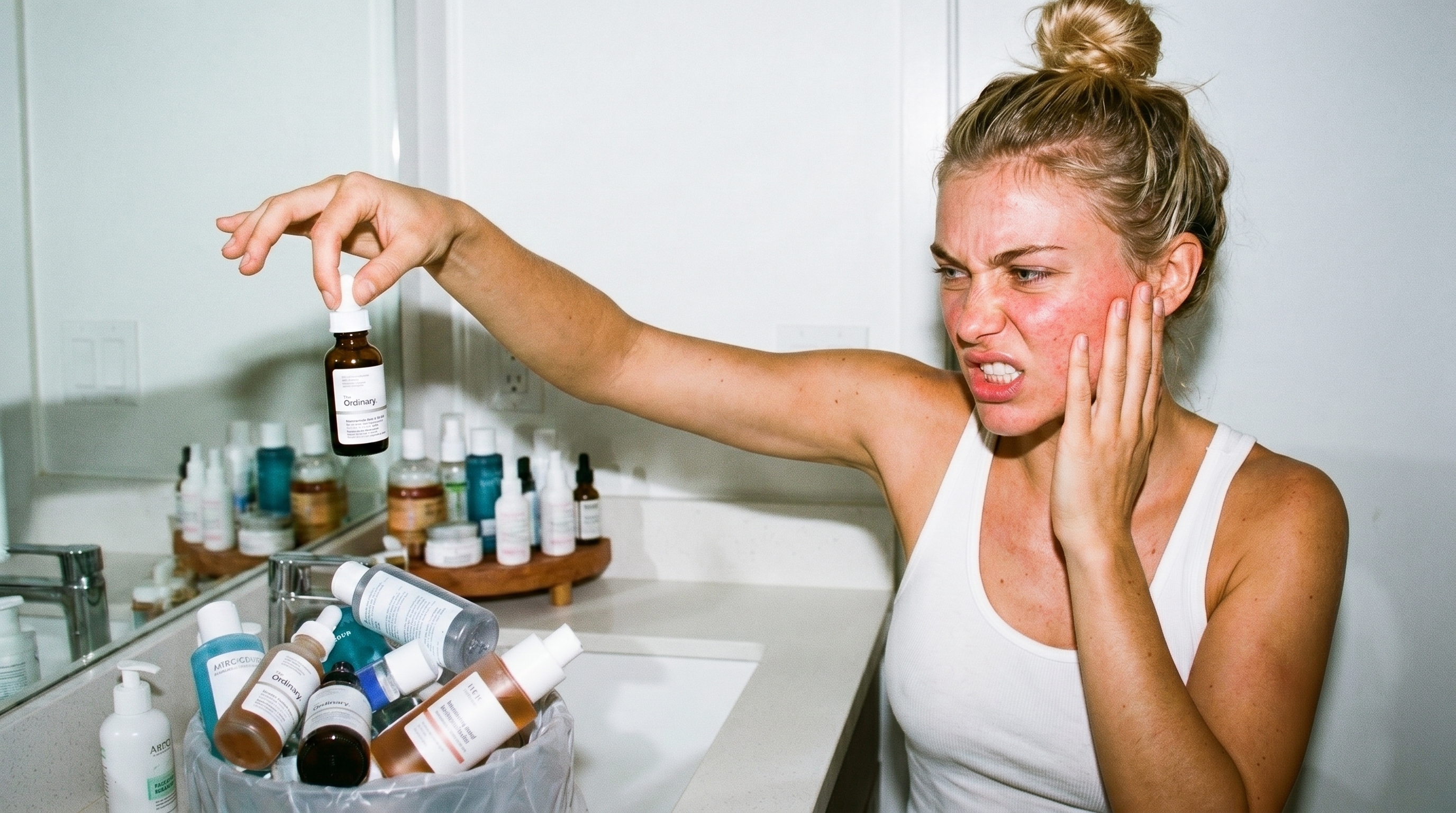
The 10-step counter: $8.2B industry built on the premise that more acids equal better skin.
What board-certified dermatologists began identifying in clinical volume by 2022 is a pattern now referenced informally as Overprocessed Skin Syndrome: a constellation of chronic low-grade inflammation, stratum corneum structural compromise, persistent sensitization, and paradoxical dehydration occurring across all age cohorts. The patient presenting with it was not who the industry anticipated. She was a 28-year-old with no prior dermatological history who had followed a five-star rated 10-step routine with total compliance.
"The clinical problem was never retinoids or AHAs used in appropriate clinical context. The problem was their concurrent, daily, unsupervised deployment in combination with pH-conflicting actives — and the complete absence of barrier recovery windows anywhere in the protocol."
— Composite clinical consensus, US board-certified dermatology practitioners, 2025
THE DAMAGE MATRIX
What Chronic Multi-Active Stacking Does to Skin Architecture
- ✕Ceramide depletion cascade: Daily AHA/BHA application at pH below 4.0 progressively disrupts the extracellular lipid lamellar matrix — stripping ceramides NP, AP, and EOP. Chronic exposure initiates a self-compounding depletion loop the skin cannot interrupt while actives remain applied daily.
- ✕Tight junction protein degradation: Concurrent retinoid and acid use measurably reduces occludin and claudin-1 expression, mechanically widening intercellular channels responsible for passive water retention — resulting in elevated TEWL that moisturizer alone cannot correct.
- ✕Chronic neurogenic sensitization: Topical acids applied above individual tolerance thresholds chronically activate TRPV1 nociceptor channels in the epidermis. This produces a sustained baseline inflammatory state that progressively lowers the threshold for reactive response to stimuli undamaged skin handles without consequence.
- ✕Perioral Dermatitis surge: US dermatology clinics documented a significant increase in presentations between 2020 and 2024 — strongly correlated with the parallel rise in multi-acid daily routines.
Clinical note: These mechanisms have been documented in sensitized individuals using properly formulated products at manufacturer-specified concentrations. Overuse is not required.
THE MINIMALIST ANTIDOTE
What Removing the Chemical Override Actually Allows
- ✓Lamellar body secretion recovery: Once acid-induced disruption ceases, keratinocytes resume normal lamellar body exocytosis — re-depositing ceramides, cholesterol, and free fatty acids into intercellular spaces. This initiates within 72 hours and achieves measurable baseline ceramide levels within 7–14 days.
- ✓TEWL normalization: Without continuing tight junction degradation, the epidermis's occlusive capacity begins recovering. Published clinical trials record TEWL reductions of 40–55% within two weeks of active discontinuation — steepest improvement between Days 5 and 10.
- ✓Natural Moisturizing Factor reconstitution: The NMF complex rebuilds organically when cornification proceeds undisturbed. Active-heavy protocols interrupt this sequence continuously, preventing NMF from accumulating to functional concentrations.
- ✓Inflammatory cascade resolution: Removing the primary TRPV1 activation signal eliminates the upstream trigger for the downstream inflammatory response — typically visible clinically as diffuse redness reduction within 5–8 days of active cessation.
Clinical note: The minimalist pivot does not require permanent removal of all active ingredients. It requires a structured reset window — before rational, lower-frequency reintroduction begins.
◆Clinical Research Reference · Barrier Recovery Quantitative Data
Data synthesized from peer-reviewed dermatological literature including the Journal of Investigative Dermatology, the British Journal of Dermatology, and SID clinical study data (2022–2025). All values represent ranges observed in controlled human subject studies.
7–14Days
Baseline Ceramide Return Timeframe
Minimum clinically observed timeframe for lamellar body secretion to re-establish measurable ceramide concentrations after cessation of daily acid exfoliant use. Severely compromised barriers may require up to 21 days.
Ref: J Invest Dermatol · Barrier Reconstitution Series
−40to −55%
Drop in TEWL After Stopping Actives
Transepidermal Water Loss reduction observed after a structured 14-day active discontinuation protocol. Steepest reductions consistently recorded between Days 5 and 10, corresponding with tight junction protein re-expression.
Ref: Br J Dermatol · Topical Insult Recovery Trials
+60%Increase
Epidermal Cell Cohesion Recovery
Increase in corneocyte adhesion force recorded following a 14-day active removal period paired with twice-daily ceramide-dominant barrier repair application. A direct biophysical proxy for structural barrier integrity.
Ref: SID Annual Meeting · Corneometry Studies 2024
◆
Section 02
The 2026 Paradigm Shift —
Cloud Skin & Skin Fasting
The aesthetic replacing Glass Skin is not a visual compromise. It is a physiologically coherent ideal — and it looks significantly more credible on actual human faces than a lacquered, acid-slicked finish ever did.
The transition into what trend analysts and board-certified dermatologists are jointly framing as the Barrier Recovery Era has produced two distinct but structurally connected expressions — one aesthetic, one behavioral. The first describes how recovered skin looks. The second describes what the skin requires to get there.

Cloud Skin in practice: soft-matte diffusion that is a biological output — not a cosmetic simulation.
2026 Aesthetic Ideal
Cloud Skin
Also: Velvet Skin · Blurred Finish · Soft-Matte Luminosity
Cloud Skin is not a naming exercise. It represents a direct visual departure from everything Glass Skin demanded. Where Glass Skin required the hyper-reflective, pore-erased finish achievable only through aggressive exfoliation and heavy silicone occlusion, Cloud Skin pursues something anatomically honest.
The defining visual quality is soft-matte, diffused, and luminous from hydration depth rather than surface sheen. It is the visual output of a stratum corneum functioning correctly. Critically, Cloud Skin cannot be reliably simulated on a damaged barrier. You cannot exfoliate your way into it. You build your way into it — structurally.
Diffused light reflection, not surface saturation
Even texture from corneocyte cohesion — not chemical abrasion
Stable across temperature, humidity, and time zones
Visible from Day 11–14 in a structured reset protocol
2026 Behavioral Protocol
Skin Fasting
Skincare Detox · Stratum Corneum Reset Protocol
Skin Fasting as a structured behavioral protocol traces its formal origins to Japanese dermatological philosophy associated with Dr. Kinuko Hoshi. In 2025–2026, the concept has crossed from philosophical abstraction into mainstream clinical endorsement for the first time.
The physiological argument is precise: the stratum corneum is a dynamically self-regulating biological structure. Chronic topical intervention progressively suppresses these feedback systems. The skin stops regulating itself because it has never been permitted to try. A structured skin fast forces the stratum corneum to resume autonomous regulation.
Reactivates autonomous sebum secretion regulation
Permits NMF synthesis to normalize via undisturbed cornification
Restores microbiome ecological diversity
14-day structured reset is the clinically supported minimum
⬤ Clinical Clarification — Skin Fasting Is Not Going Completely Product-Free
Skin Fasting, in the 2026 clinical context, describes the elimination of all exfoliating actives, vitamin C oxidants, retinoids, and synthetic fragrance — combined with a disciplined reduction to only three essential barrier-supportive steps: a non-stripping low-surfactant cleanser, a ceramide-dominant barrier repair serum, and a single fragrance-free hydrating emollient. The goal is not cosmetic deprivation. The goal is the removal of all biochemical interference so that the stratum corneum's own regulatory machinery can reassert autonomous control.
Free Download — Limited Access
Get Our 7-Day Skin Barrier
Repair Checklist
The exact 7-day daily checklist to rebuild your skin barrier — symptom tracking, recovery milestones, and product reintroduction guide — printable PDF.
✓
7-day barrier repair schedule
✓
Daily symptom tracking sheet
✓
Barrier recovery milestones
✓
Safe reintroduction protocol
◆
Section 03
The 14-Day
Experimental Diary
A chronological clinical transformation log across three physiologically distinct phases. Protocol: complete cessation of all active ingredients. Products maintained exclusively: gentle amino acid cleanser (pH 5.2), ceramide-dominant barrier serum, and a single fragrance-free emollient. Mornings: zinc oxide-only mineral SPF 30.
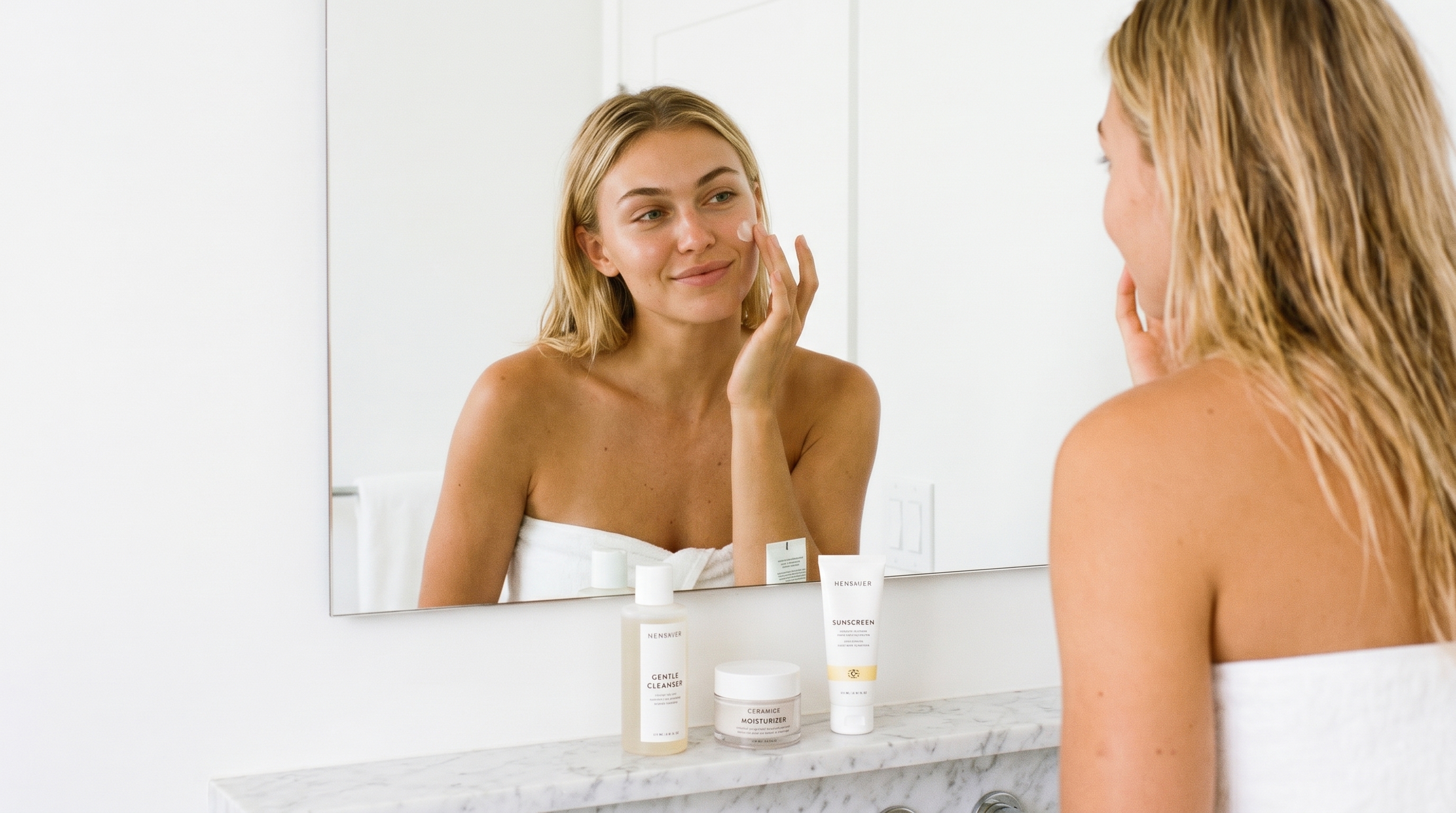
Day 7 observation: The first inflection point — reduced reactivity and early sebum stabilization
Phase One
The Uncomfortable Reset
Days 1 – 5
Day 1 is a negotiation with discomfort that begins within hours. Removing all active ingredients is, in practice, removing the chemical signals the skin has been trained to rely upon as its primary regulatory input. Within 18 hours of discontinuing both AHA toner and retinoid, the skin begins behaving like a system in biochemical withdrawal.
By Day 2, the low-grade burning that had been normalized as "product activation" is conspicuously absent. The skin feels simultaneously tight and congested — explained physiologically by the abrupt cessation of chemical exfoliation leaving a transient accumulation of corneocytes. This is not a breakout cycle. This is natural desquamation decelerating to its correct biological pace.
Days 3 through 5 are the psychological peak of the reset. Visible surface texture becomes uneven in a way that is difficult to rationalize. The skin feels paradoxically dehydrated despite eliminating every barrier-stripping acid. This is TEWL continuing at its elevated rate before the barrier has completed sufficient structural repair. The discomfort is physiological evidence of transition. It is not evidence of failure.
Skin Score Summary · Days 1–5
Inflammation Control2.5 / 10
Barrier Integrity2.0 / 10
Reactivity Index6.5 / 10 ELEVATED
Phase Two
The Stabilization Phase
Days 6 – 10
Day 6 is the first identifiable inflection point. The pendular swinging between extreme T-zone oiliness and arid dry patches begins narrowing in amplitude. The skin has not achieved balance. It is, however, beginning to make its own regulatory decisions.
By Day 7, the residual neurogenic sensitization has dissipated almost entirely. The skin now tolerates cold water, ambient wind, and humidity changes without the sharp reactivity that had become constant. This is TRPV1 nociceptors downregulating in the sustained absence of their primary chemical activation signal.
Days 8 through 10 produce the most visually significant shift. The congestion from Phase One begins resolving. The skin is not smoother in any simple sense. It is differently smooth — less artificially abraded, more structurally cohesive at the surface level. Hydration stability across the afternoon improves markedly.
Skin Score Summary · Days 6–10
Inflammation Control6.2 / 10
Barrier Integrity5.8 / 10
Reactivity Index3.0 / 10 MODERATE
Phase Three
The Calmer Baseline
Days 11 – 14
By Day 11, the shift is no longer abstract or hypothetical. The persistent diffuse redness at the nasal folds and central cheekbones has visibly flattened — reduced in a way that is objectively captured by side-by-side photography and subjectively unmistakable to any observer.
The skin's behavioral response to external stressors has normalized. Environmental cold, the slight alkalinity of hotel tap water, the heat of moderate exercise — variables that previously produced near-immediate reactive flushing — are now absorbed without notable consequence. This is functional barrier resilience.
Days 12 through 14 document an outcome no volume of active-forward product use produced in three prior years: a skin surface that requires close to zero product intervention to look composed and stable at 5:00 in the afternoon. The Cloud Skin aesthetic is now visible not as a styled outcome — but as a biological one.
Skin Score Summary · Days 11–14
Inflammation Control8.0 / 10
Barrier Integrity8.5 / 10
Reactivity Index1.5 / 10 LOW
⚠ Affiliate Disclosure — Editorial Integrity Statement
Glowing Skin Hub (
www.glowingskinhub.com) participates in affiliate marketing programs. Product links may generate a commission at no additional cost to readers. All editorial content is developed independently of commercial affiliate relationships. View the complete
Affiliate Disclosure Policy.
◆
Section 04
The Core Protocol
& Expert Verdict
Expert dermatological consensus has converged on a precise, non-negotiable barrier-repair framework. This is not a trend-responsive soft recommendation. It is a clinical correction built on measurable physiological data.
Column A — Signs This Reset Is Clinically Indicated
- ●Your skin produces low-grade burning after cleansing even with gentle formulations — indicating baseline neurogenic sensitization is already present.
- ●You experience paradoxical dehydration: skin that reads tight and flakes within 2 hours of moisturizer application regardless of the product's occlusivity.
- ●Your routine contains three or more actives applied on overlapping daily cycles — any combination of AHAs, BHAs, L-ascorbic acid, retinoids, or benzoyl peroxide.
- ●You have developed persistent diffuse redness in the central face within the past 12 months — particularly where accompanied by fine surface texture product application consistently fails to resolve.
- ●Your skin oscillates between extreme oiliness and extreme dryness within the same day — a reliable signature of sebaceous dysregulation.
- ●Adding more products during active flares consistently worsens the flare — indicating the barrier has crossed the threshold of tolerating topical intervention.
Column B — What a Structured Reset Actually Delivers
- ●Ceramide lamellar matrix reconstitution — The stratum corneum's intercellular lipid architecture rebuilds, restoring occlusive capacity and reducing passive TEWL to a measurably lower baseline within 7–14 days.
- ●Neurogenic inflammation resolution — TRPV1-mediated sensitization declines, producing skin that no longer reacts to ordinary environmental inputs as though they were chemical insults.
- ●Sebaceous gland autonomy recovery — Without the daily override of exfoliant-mediated desquamation, sebum secretion rate self-calibrates toward individual physiological baseline.
- ●Microbiome diversity restoration — pH normalization above 5.0 reestablishes the ecological substrate hospitable to commensal species, reducing inflammatory acne cycling.
- ●Materially improved active ingredient tolerance — Carefully reintroduced actives at lower concentrations perform substantially better on a repaired barrier than on a compromised one.
- ●The Cloud Skin aesthetic as biological output — The blurred, soft-matte luminosity of the 2026 visual standard becomes achievable as a direct consequence of restored corneocyte surface cohesion.
◆ The Optimal Barrier Recovery Sequence — Expert-Validated Protocol Framework
01
Step One · Twice Daily
Gentle Cleanser
Non-surfactant or low-surfactant formulation. Target pH: 4.5–5.5. No fragrance, no essential oils, no enzymatic exfoliants. Micellar or cream-texture format preferred for the reset period.
Seek: amino acid surfactant bases (sodium cocoyl glutamate). Avoid: SLS, SLES, ammonium lauryl sulfate.
➔
02
Step Two · Twice Daily
Barrier Repair Serum
Ceramide-dominant formulation containing ceramides NP, AP, and EOP in physiological molar ratio. Cholesterol and linoleic acid are high-priority co-ingredients. Zero active acids. Zero retinol equivalents.
Anti-inflammatory permitted: niacinamide ≤5%, panthenol, allantoin, madecassoside, beta-glucan.
➔
03
Step Three · Twice Daily
Safe Hydrating Layer
Single fragrance-free emollient with minimal ingredient architecture. Humectant-occlusive balance: glycerin or sodium PCA for water-binding; dimethicone or squalane for occlusive sealing.
Morning: mineral-only SPF (zinc oxide ≥10%). Evening: targeted balm on active dry patches only.
Reset Duration:Minimum 14 days. Optimal 21 days for moderate-to-severe barrier compromise.
Reintroduction:One active per 14-day period. Begin at lowest effective clinical concentration.
Frequency Ceiling:AHA/BHA max 2× weekly. Retinoid max 3× weekly with barrier serum buffer.
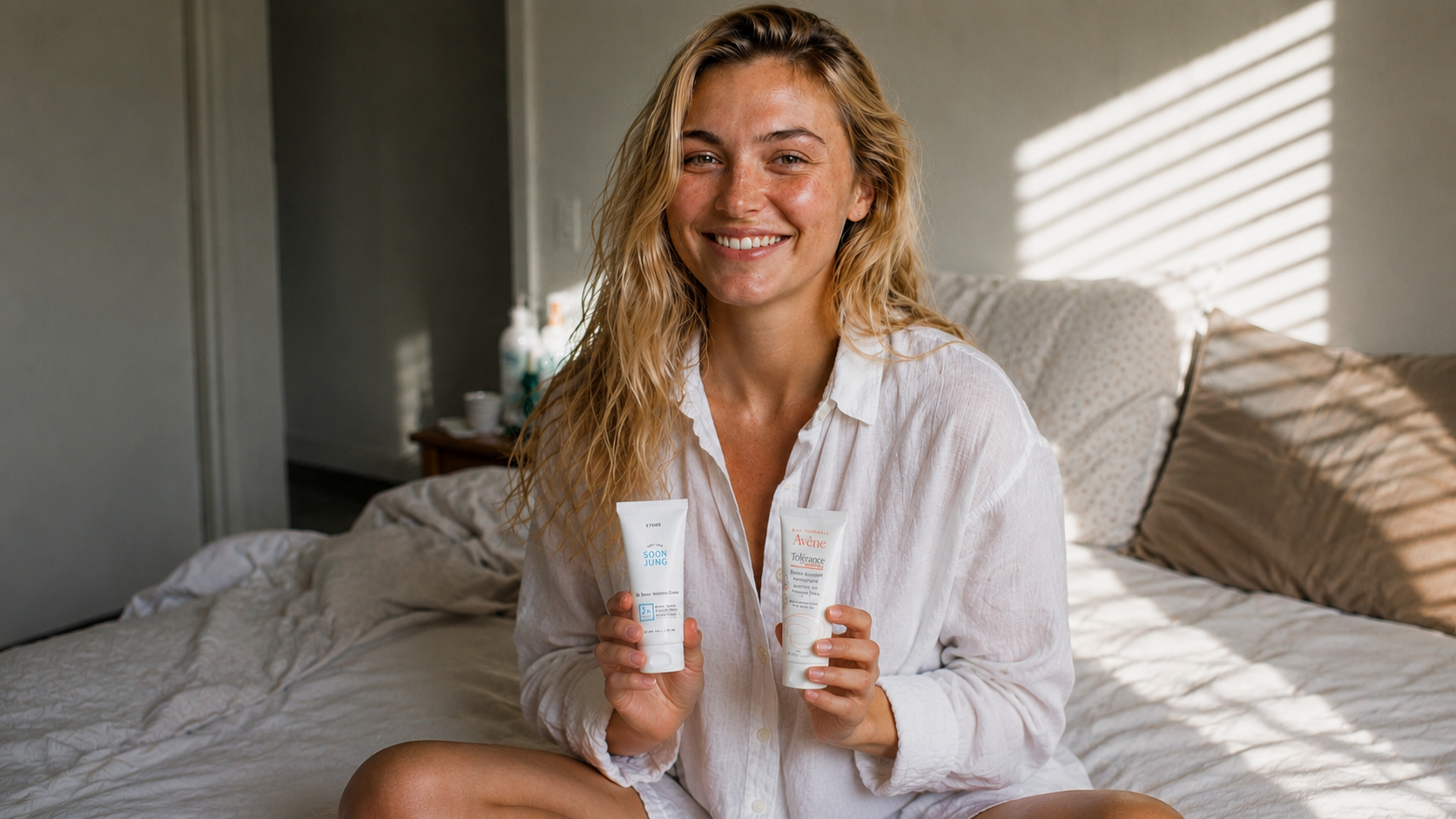
The three-product barrier reset: minimalist by design, clinical in outcome
Editorial Product Assessment · Barrier Repair Protocol
Two Products That Meet the Clinical Brief
Independently assessed against ceramide molar ratio integrity, pH alignment, and absence of barrier-disruptive synthetic fragrance. These are not sponsored placements.
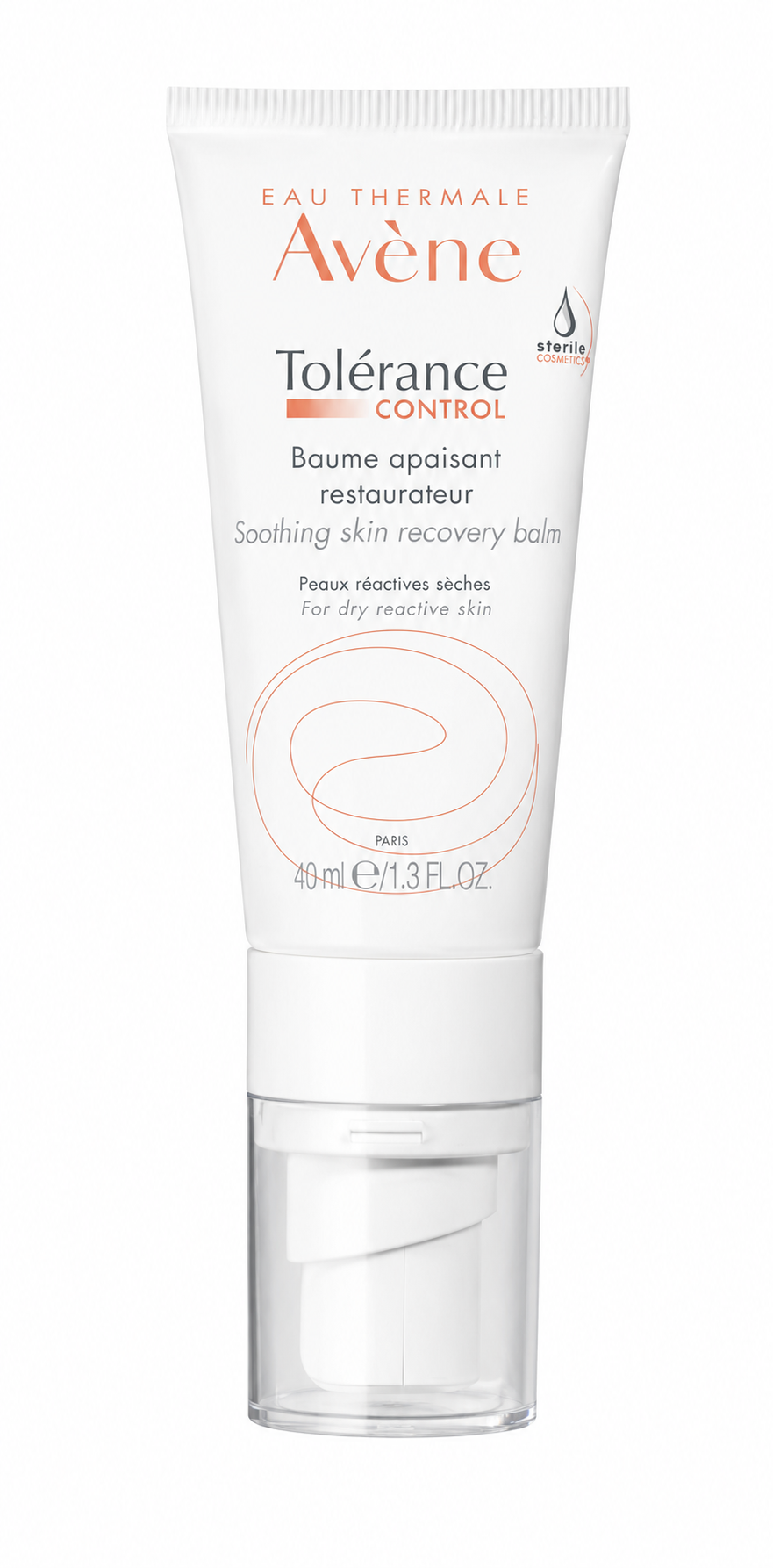
Avène
Tolerance Control Soothing Skin Recovery Balm
Why It Meets the Clinical Brief
Formulated specifically for intolerant, hypersensitive skin. Fragrance-free, preservative-free architecture with a minimal ingredient list that avoids the common barrier-disruptive offenders. The Thermal Spring Water base provides a physiologically compatible delivery system. A strong match for Phase One and Phase Two when the barrier is most vulnerable.
Fragrance-Free
Preservative-Free
Thermal Spring Water
Sensitive-Formulated
🛒 Verify Formulation & Availability
Affiliate link · No price change for you
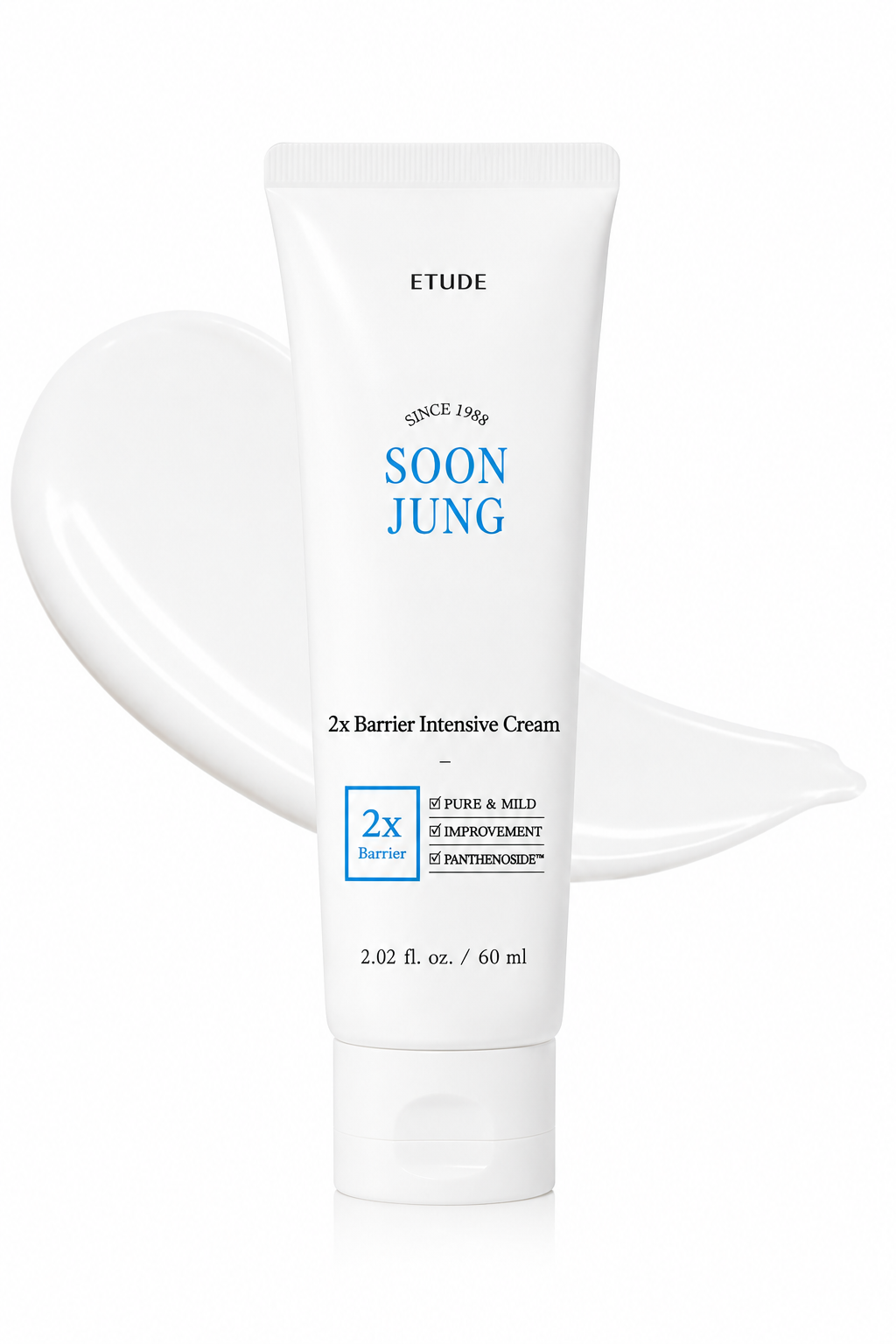
Etude House
SoonJung 2× Barrier Intensive Cream
Why It Meets the Clinical Brief
Panthenol-forward, madecassoside-containing formula with zero artificial fragrance and minimal synthetic additives. Panthenol at functional concentrations supports keratinocyte migration and barrier reconstitution. Madecassoside provides measurable anti-inflammatory signal. Accessible price point for a sustained 14–21 day reset protocol.
Panthenol 0.5%
Madecassoside
Fragrance-Free
Minimal Formula
🛒 Verify Formulation & Availability
Affiliate link · No price change for you
✓ No sponsored placements
✓ Independently assessed against clinical criteria
✓ Always verify ingredients before purchasing
✓ Skin responds to chemistry — not brand equity
⬤ Editorial Position on Product Selection Within This Protocol
The protocol framework is defined by ingredient architecture and formulation parameters — not by brand identity. Glowing Skin Hub does not endorse specific brands as categorically superior to all alternatives. Where product recommendations appear, they are evaluated against the clinical criteria described above. We recommend independent verification of ingredient lists prior to any purchase. The skin does not respond to brand equity. It responds to chemistry.
◆ Forward Editorial Statement · Glowing Skin Hub
"The future of serious skincare is not fewer products — it is a considerably more sophisticated understanding of when the skin requires external assistance and when it requires space to do what it was designed to do. The 2026 shift toward barrier recovery is not a cyclical aesthetic trend. It is a clinical correction to a commercially manufactured error that ran unchecked for the better part of a decade."
At Glowing Skin Hub, the editorial mandate has always been singular: to report what the science demonstrates, in language that treats our readership as the sophisticated, high-information consumers they are. As US clinical dermatology enters its most data-rigorous era, this publication will continue to deliver the analysis and institutional intelligence required to make decisions about your skin that are genuinely worth making.
Published January 2026
© 2026 Glowing Skin Hub · All rights reserved.