
I Put Beef Tallow on My Face for 21 Days — Here's What Actually Happened
I Put Beef Tallow on My Face
for 21 Days — Here’s What
Actually Happened
I gave TikTok’s most controversial skincare trend a full 21-day trial — with daily photos, a dermatologist’s perspective, and zero filter on the results.
Disclosure: This article contains affiliate links to products I personally evaluated as alternatives during this experiment. If you buy through a link, I earn a small commission — at no added cost to you. My opinions are never influenced by commissions. Full policy here.
Why I Actually Tried This
It started the way most things start for me now — at 11pm, scrolling TikTok in bed when I should have been asleep. Video after video: glowing skin, before-and-afters, women in linen holding tiny glass jars of something that looked exactly like what your grandmother rendered on a Sunday afternoon. Beef tallow. On their faces. And their skin looked, honestly, remarkable.
The claims were bold. “It’s bio-identical to your skin’s own sebum.” “It’s basically natural retinol.” “Dermatologists don’t want you to know this exists.” Every other comment was a woman swearing it had cleared her cystic acne, reversed her texture, erased her fine lines — all from a product that cost $12 and had exactly one ingredient. I am, professionally, skeptical of things that are this simple. But I am also human, and humans are terrible at resisting a compelling before-and-after.
So I decided to do what I always do when TikTok tells me something that sounds too good: I tested it properly. Twenty-one days. Same lighting, same camera angle, same time of day for every photo. I tracked three things — congestion, dry patch improvement, and overall skin comfort — on a daily 1-to-10 scale. I did not go in hoping it would fail. I genuinely wanted to understand what this product was doing, who it might actually help, and where the viral claims broke down under scrutiny.
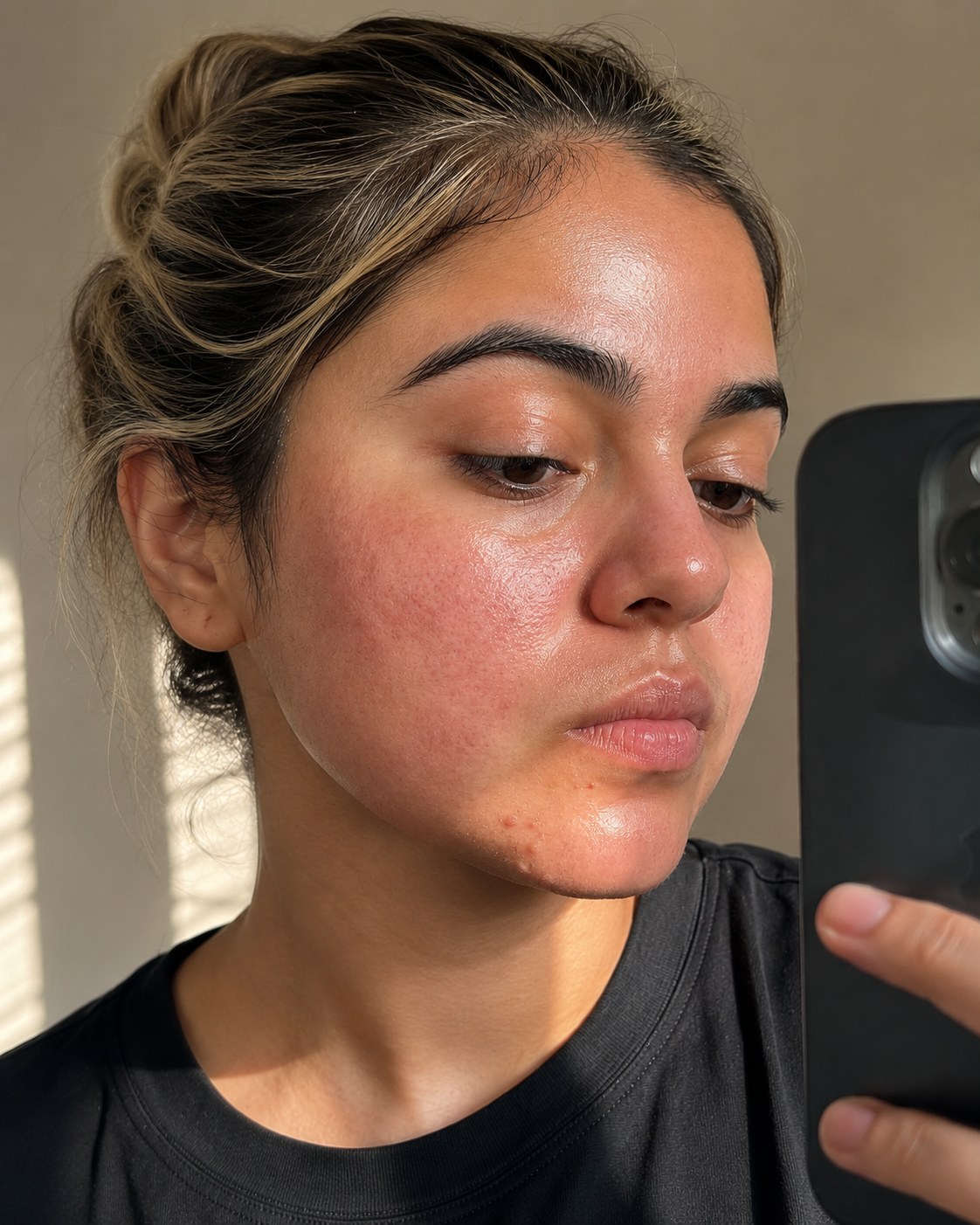
“I did not go in hoping it would fail. I went in hoping to understand the truth — and the truth, as it turned out, was genuinely complicated.”
What I found was messier and more interesting than either a viral success story or a clean debunk. The results split almost perfectly down the middle — not by product, but by skin type. And that nuance is exactly what TikTok never has time to tell you.
What Is Beef Tallow? (And What Does Science Say?)
Beef tallow is rendered cow fat — typically from the kidney and loin area — that has been slowly melted down, strained, and solidified. It’s shelf-stable at room temperature, has a faint meaty smell when unrefined, and has been used in cooking and soap-making for centuries. It is not, to be clear, a skincare invention. It’s a cooking fat that TikTok discovered.
The appeal in 2025 and 2026 is partly the RFK Jr. “seed oils are poison” cultural wave, partly the growing distrust of synthetic skincare ingredients, and partly the very human desire for a simple, single-ingredient answer to complicated skin problems. Grass-fed tallow, specifically, has become the premium tier of this trend — with brands charging $28 to $65 for small jars and marketing them with language that borders on pharmaceutical.
The Bio-Identical Claim — Examined
The central TikTok claim is that beef tallow is “bio-identical” to human sebum — that our skin recognizes it as its own and incorporates it seamlessly into the lipid barrier. There is a kernel of truth here that is being aggressively oversold. Both tallow and human sebum contain oleic acid, stearic acid, and palmitic acid. The overlap in fatty acid profile is real. What is also real is that human sebum contains squalene, wax esters, and a complex mixture of compounds that tallow does not have at all. “Similar ingredients” is not “bio-identical,” the same way that olive oil and human blood plasma both contain sodium but are not interchangeable.
As of 2026, there are essentially zero peer-reviewed, placebo-controlled studies specifically examining beef tallow applied to human facial skin. The evidence base for every claim you see on TikTok is anecdotal — testimonials, before-and-afters, and a handful of ancestral health blogs. This does not mean tallow is harmful. It means the extraordinary claims being made about it have not been tested under conditions that could actually confirm them. Science requires evidence. TikTok requires a ring light.
| Component | What TikTok Claims | What Science Actually Shows |
|---|---|---|
| Oleic Acid | “Penetrates skin deeply, bio-identical to sebum” | Present in sebum, but high oleic acid can disrupt barrier integrity and worsen acne in sensitive skin |
| Stearic Acid | “Repairs and strengthens the skin barrier” | Does function as an emollient and occlusive; some barrier-supportive properties documented in cosmetic science |
| Vitamin A (trace) | “Natural retinol alternative, stimulates collagen” | Tallow contains trace retinyl esters, not retinol or retinoic acid — not comparable in concentration or bioavailability |
| Vitamin D | “Rare fat-soluble vitamin that heals skin” | Topical vitamin D has limited evidence for general anti-aging; primarily studied in psoriasis contexts |
| Saturated Fat Content | “Stable, non-oxidizing, deeply nourishing” | High comedogenic potential for pore-prone skin types; no general superiority over formulated moisturizers documented |
My 21-Day Experiment — Day by Day
I used a grass-fed beef tallow balm — one ingredient, unscented, sourced from a small US producer — as my sole PM moisturizer for all 21 days. I did not change any other part of my routine. Morning: gentle cleanser, niacinamide serum, mineral SPF. Night: gentle cleanser, tallow. Nothing else. This isolation was intentional — I needed to know what the tallow was doing, not what combination it was part of.
The Greasy Beginning
Application was genuinely strange at first. Tallow at room temperature has the consistency of soft butter and a faint, unmistakable smell of beef — mild when cold-processed but present. I warmed a pea-sized amount between my palms and pressed it into damp skin, the way you’d apply a facial oil. It absorbed faster than I expected.
Days one and two were neutral. My skin felt deeply moisturized in a way that felt almost heavy — occlusive rather than hydrating. By Day 3, I noticed the first small cluster of closed comedones forming along my jawline. I took note but kept going. Day 5 was harder to ignore: my T-zone, normally manageable with my routine, was producing more oil during the day than usual, and the chin bumps had multiplied. My very dry cheek patches, meanwhile, were the softest they’d felt in months.
I was already getting a split result, and it was only Week 1.
Things Got Complicated
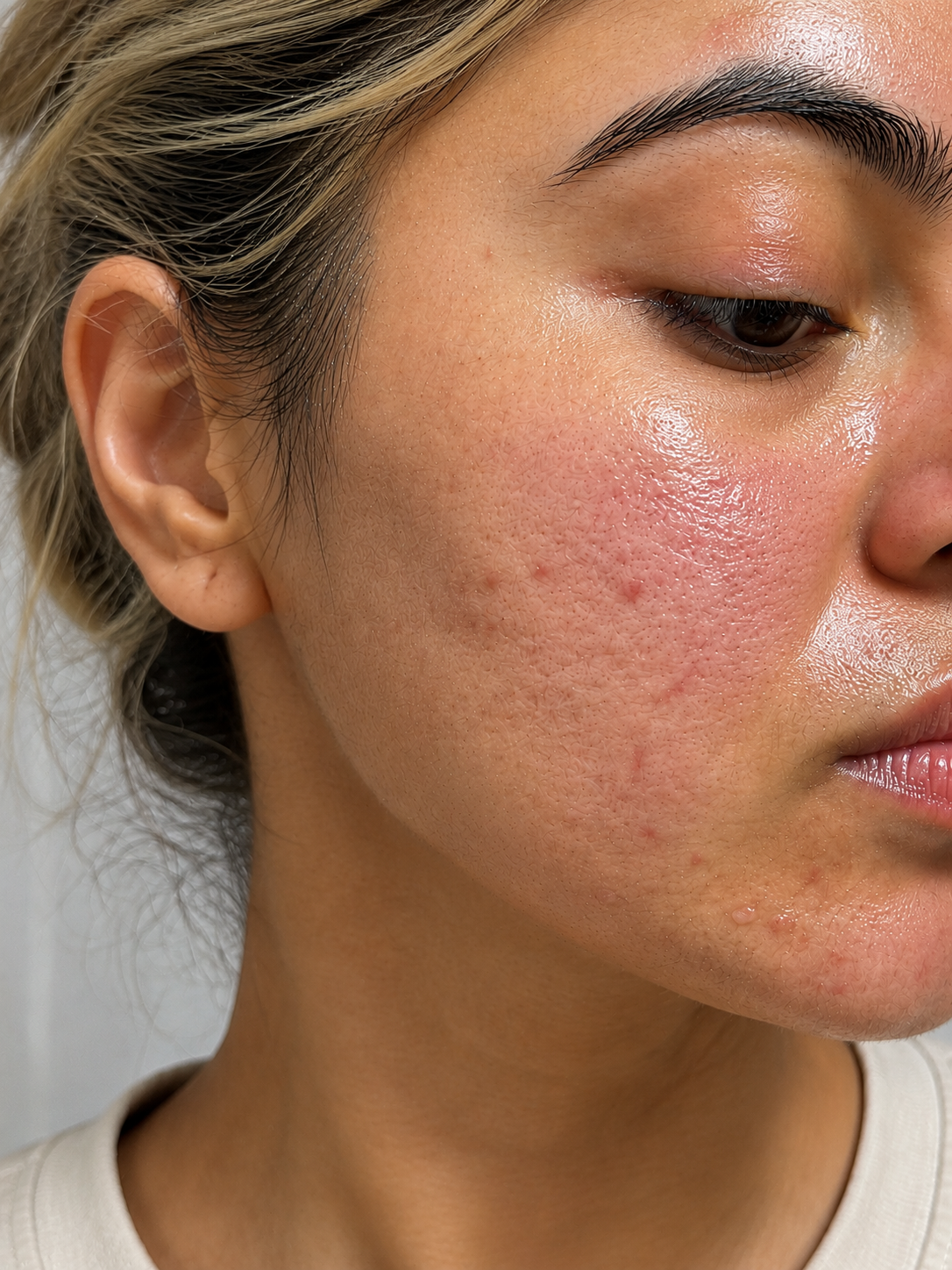
By Day 9, the congestion along my chin was impossible to rationalize away. What had started as a few small bumps had become a defined cluster of flesh-colored closed comedones that were not inflamed but were very much there. I also noticed mild redness developing around the sides of my nose — not painful, but reactive-looking, the way my skin looks when something is not agreeing with it.
At the same time, I was staring at my cheeks in the mirror and genuinely impressed. The chronic dry patches I’d had for months were almost completely resolved. The skin there felt pillowy, smooth, and calm. If I had been applying tallow only to my cheeks, I would have been a convert by Day 10.
This is the part TikTok doesn’t show you: the same product can be genuinely helpful for one area of your face and actively problematic for another — depending entirely on how that zone’s sebaceous glands behave. My skin type — combination, with a congestion-prone T-zone — was splitting the results in real time.
The Honest Verdict
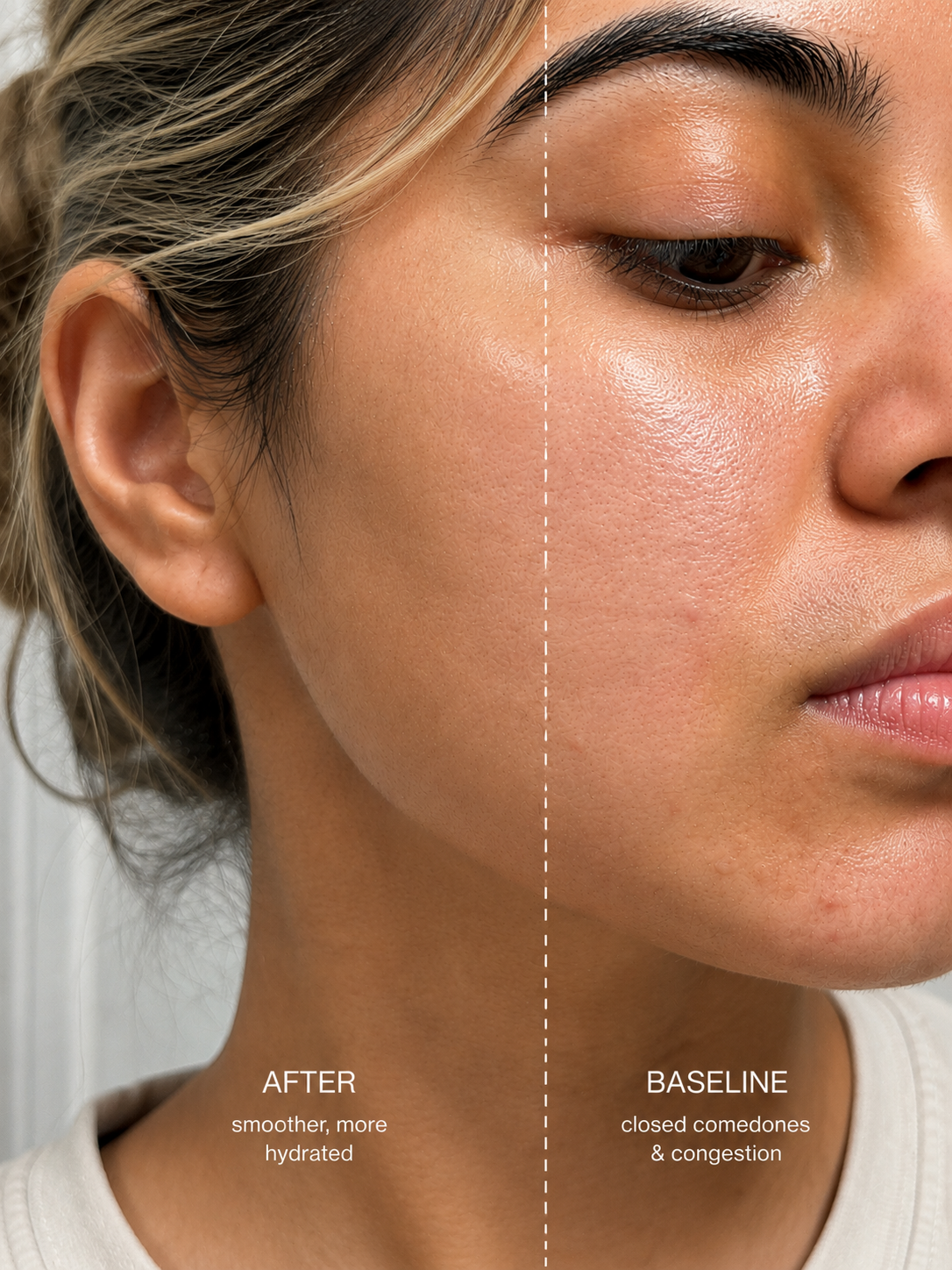
On Day 15, I made a protocol adjustment: I stopped applying tallow to my T-zone and chin entirely, and used it only on my dry cheek area. The effect was almost immediate — within three days the congestion had stopped worsening, and by Day 18 it was beginning to resolve. My cheeks continued to look excellent.
Day 21: the dry patches on my cheeks were at their best in months. The congestion from the T-zone application was clearing but had not fully resolved. Overall skin comfort was higher than Day 1 — but only because I had course-corrected mid-experiment. Had I stayed with full-face application for all 21 days, I’m confident the congestion outcome would have been significantly worse.
Congestion / Clogged Pores (higher = worse)
Dry Patch Improvement (higher = better)
Overall Skin Comfort (higher = better)
What Dermatologists Actually Say
I am not a dermatologist, and this article is not medical advice. But I spent time reading interviews and published commentary from board-certified dermatologists on exactly this trend. What I found was a consistent pattern: dermatologists are not alarmed by tallow, but they are very clear about who should avoid it — and it’s the majority of people who are trying it.
Dr. Delila Foulad, a dermatologist affiliated with UCLA Health who has commented on this trend in the press, has noted that the high lipid content in tallow — particularly oleic acid — can exacerbate comedonal acne by increasing the oil film on skin and promoting the conditions in which Cutibacterium acnes thrives. This is not a blanket condemnation of fatty ingredients. It’s a specific concern about a high-saturated-fat occlusive being applied to skin that already produces sufficient sebum.
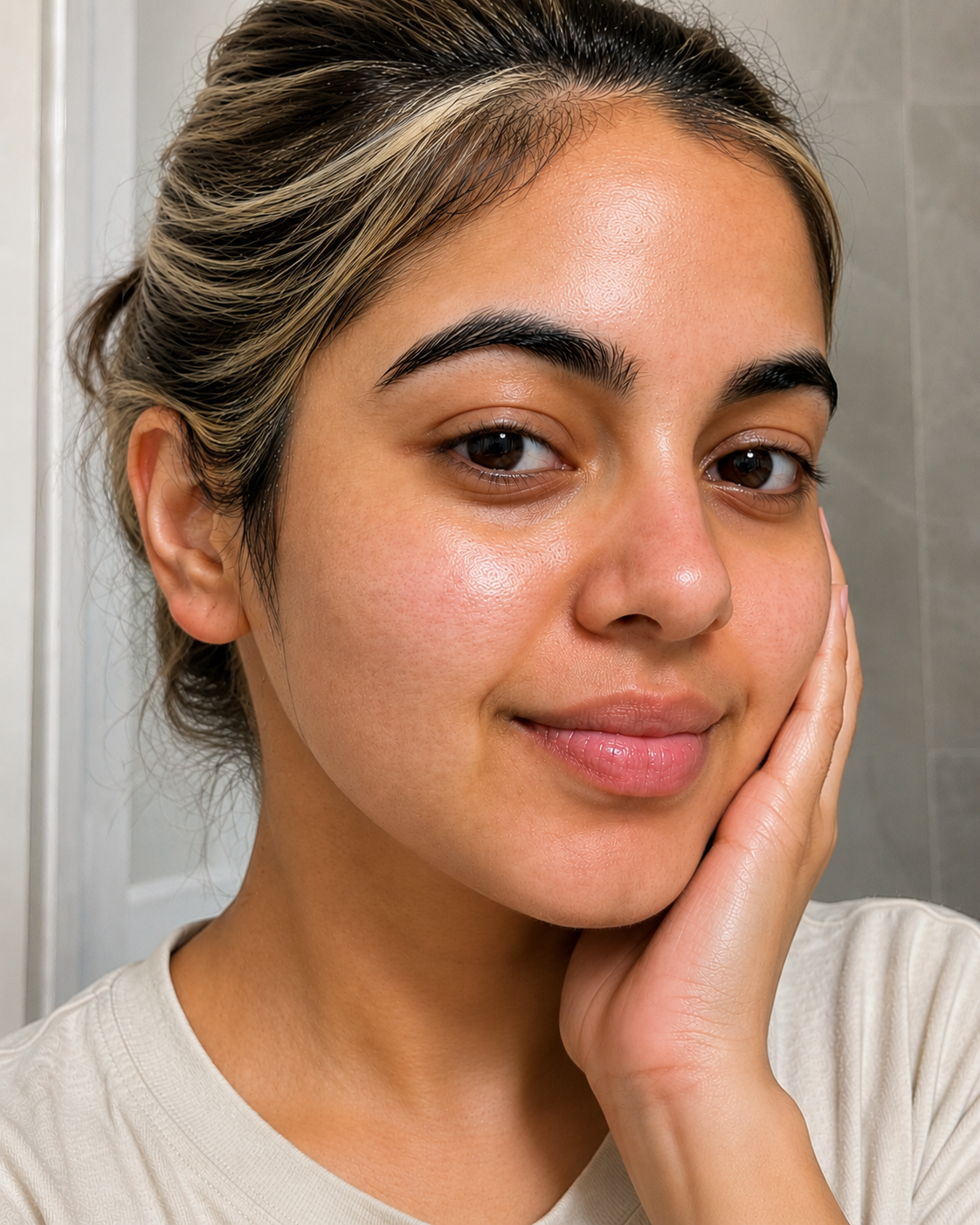
Beef tallow has a comedogenicity rating estimated between 2 and 3 on the standard 0-5 scale — moderate. For oily, combination, or acne-prone skin types, this is significant. The same occlusive properties that help lock moisture into dry skin can trap debris, sebum, and dead cells against pore openings in congestion-prone zones. This is not speculation — it’s basic skin physiology, and it’s exactly what happened to my chin and T-zone during this experiment.
The dermatological community is not uniformly opposed. For patients with severe xerosis (chronic dry skin), eczema, or a compromised lipid barrier, a rich occlusive fat like tallow may provide meaningful relief — particularly in very dry climates or during winter months. It functions similarly to petrolatum or a thick ceramide cream in its ability to reduce transepidermal water loss (TEWL). The issue is not the ingredient itself — it’s the blanket TikTok recommendation that ignores skin type entirely.
Four Claims That Don’t Hold Up
Partially true in the loosest sense, significantly false as stated. Human sebum is a complex mixture including squalene, wax esters, cholesterol, and triglycerides. Tallow shares some fatty acids but lacks several key components. “Some overlap” is not “bio-identical.” No dermatological publication has used this language to describe tallow.
This one is simply not true. Retinol works by binding to nuclear receptors and directly signaling cellular turnover and collagen production. The trace amounts of vitamin A precursors in tallow are not bioavailable in a way that produces this effect. Calling tallow “natural retinol” is like calling apple juice “natural alcohol” because both involve fermentable sugars.
Naturalistic fallacy, and one that dermatologists regularly push back on. Poison ivy is natural. Urushiol is natural. “Natural” and “safe for all skin types” are completely different categories. What matters is what the ingredient does on your specific skin — not where it came from.
Grass-fed tallow likely has slightly higher CLA (conjugated linoleic acid) and vitamin A content. Whether this translates to meaningfully different outcomes on human facial skin has not been studied. The premium pricing of grass-fed tallow ($35–$65 for 2oz) is currently supported by marketing, not data.
The Skincare Detox Guide
A one-page PDF summary of what the research actually says — plus 3 dermatologist-approved alternatives for your skin type. Enter your email below to get it instantly.
Using Gmail? Check Promotions
Gmail sometimes sorts us there. Drag to Primary and hit “Yes” to always receive Glowing Skin Hub emails in your main inbox.
What I Use Instead — And Why
After 21 days, I went back to a routine built around ingredients that have actual clinical trial data behind them. Not because I am opposed to simple or natural ingredients — but because “clinically tested” means someone measured what the ingredient actually does on human skin under controlled conditions. That matters.
PM Moisturizer — Ceramide-Based Barrier Repair
A moisturizer that contains ceramides, cholesterol, and fatty acids in physiologically relevant ratios gives your skin barrier what it needs to repair and maintain itself — without the comedogenic risk of a pure fat. Look for formulas that have been tested in clinical or dermatological settings.
Key ingredients: Ceramide NP, Ceramide AP, Cholesterol, Fatty Acids. These are the actual building blocks of the stratum corneum — not just ingredients that overlap with them.
PM Serum — Peptide and Hyaluronic Acid Support
Peptides signal skin to produce collagen and support cellular renewal — delivering what the “natural retinol” tallow claim promises, but with actual published evidence. Paired with hyaluronic acid for genuine hydration (not just occlusion), this combination outperforms tallow for most skin types without congestion risk.
This is what the TikTok crowd is actually looking for when they reach for tallow — cell renewal, moisture, glow. Peptide serums deliver this more reliably and without the pore-clogging risk.
AM — Mineral Sunscreen (Non-Negotiable)
UV damage is the single most documented driver of premature aging, barrier disruption, and hyperpigmentation. No moisturizer — tallow or otherwise — compensates for skipping SPF. A mineral formula with zinc oxide or titanium dioxide provides broad-spectrum protection without the penetration-enhancing chemistry in some chemical sunscreens.
This step belongs in every routine, every day, year-round. If tallow made you feel better about your skin but you were also suddenly paying more attention to your routine in general — the SPF probably deserves some of the credit.
The Science-Backed Alternatives I Actually Recommend
The links below are affiliate links. See my full disclosure.
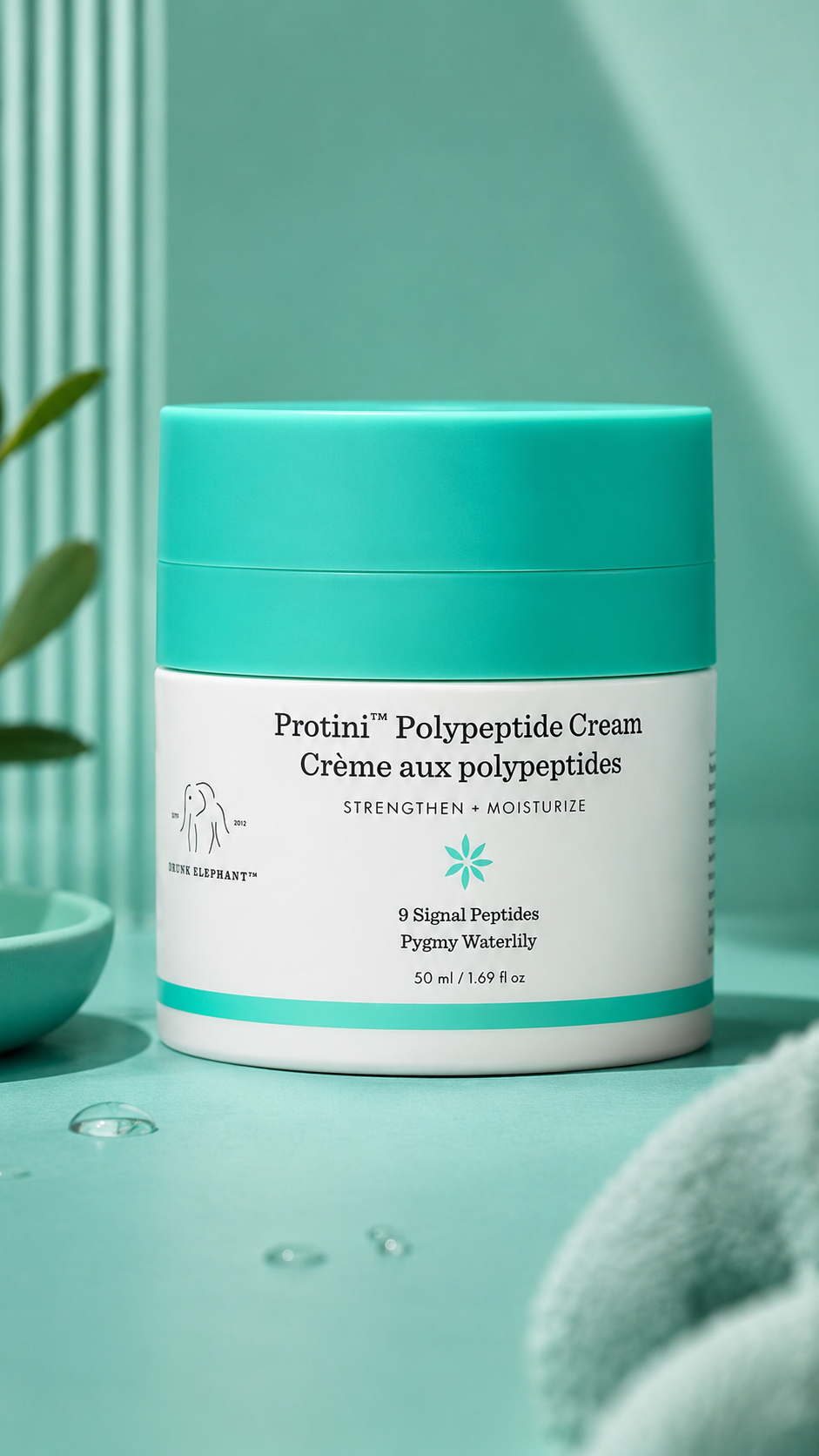
Formulated with signal peptides, growth factors, and amino acids that directly support collagen synthesis and skin firmness — this does what the viral “natural retinol” claim falsely promises. Lightweight, fragrance-free, and clinically tested. No guesswork, no comedogenic risk.
+ Free Prime Shipping
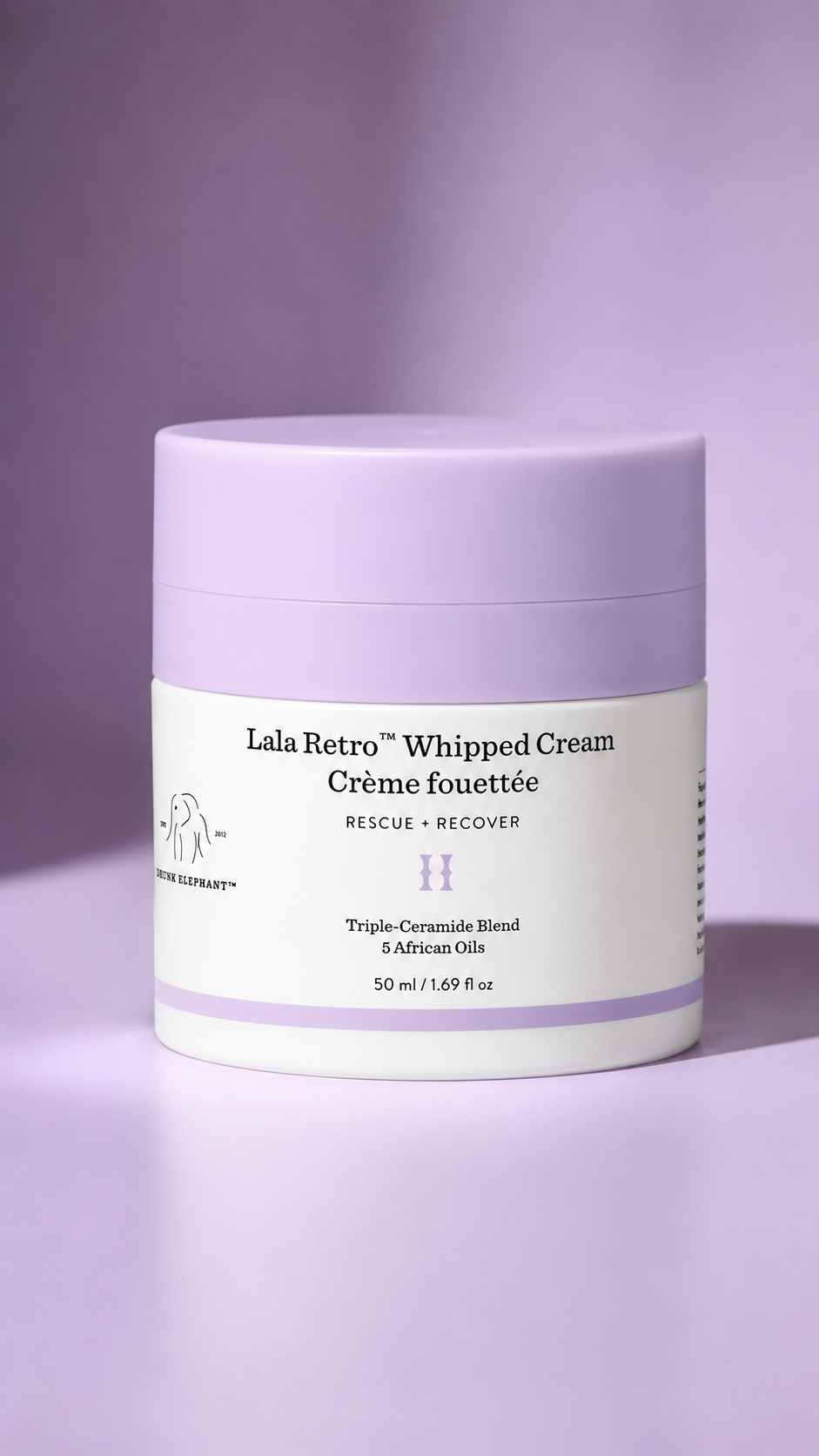
Six ceramide types plus plant oils, fatty acids, and antioxidants deliver what tallow promises but can’t prove. This formula actively replenishes the lipid layers of your barrier using ingredients with clinical evidence behind them — without the moderate comedogenicity rating that makes tallow risky for most skin types.
+ Free Prime Shipping
Should You Try Beef Tallow?
If you have very dry skin or eczema and have exhausted gentler options, tallow may provide meaningful relief as an occlusive. Patch test first. Avoid eyes and congestion-prone zones. It is not magical — but it is genuinely moisturizing.
The high saturated fat content and moderate comedogenicity rating make this a risk you do not need to take. The TikTok testimonials you see from people with glowing, clear skin are almost certainly people with dry skin — not yours.
This is the most important audience to reach with this article. Beef tallow will very likely worsen comedonal acne. It did so for me within three days, and I do not have severe acne. If you are already breakout-prone, this is not your answer.
“TikTok sells outcomes. Science sells mechanisms. The mechanism here is sound for dry skin and genuinely problematic for everyone else — and that nuance is worth more than any before-and-after.”
Your Questions, Honestly Answered
These are the questions I’ve been asked most since documenting this experiment. I’ve answered them the same way I try to answer everything — without agenda, with as much science as I can responsibly reference.
For some people, yes — particularly those with very dry or eczema-prone skin. However, beef tallow is high in oleic acid and saturated fats, which can clog pores and worsen acne or congestion in oily and combination skin types. It has not been tested in peer-reviewed clinical trials for facial use. Patch test before committing to a full-face routine.
No credible clinical evidence supports this claim. In fact, dermatologists including Dr. Delila Foulad of UCLA Health have noted that the high lipid content of tallow can worsen comedonal acne. TikTok testimonials are not a substitute for clinical data — and the people showing clear skin results are almost certainly those who started with dry skin, not acne-prone skin.
Proponents claim tallow’s fatty acid profile mirrors human sebum. While there is some overlap in fatty acids like oleic and stearic acid, human sebum contains unique compounds like squalene and wax esters that tallow does not. The bio-identical claim is a significant oversimplification that no peer-reviewed dermatology publication has endorsed.
Grass-fed tallow may have slightly higher CLA and vitamin A content, but there are zero peer-reviewed studies comparing grass-fed versus grain-fed tallow on human skin. The claimed superiority is marketing, not science — and it does not change the comedogenicity concern that applies to both.
No. Tallow contains trace amounts of vitamin A precursors, but nowhere near the concentration or bioavailability of retinol or retinoids. Retinol is clinically proven to stimulate collagen and accelerate cell turnover by binding to nuclear receptors. Tallow does not replicate this mechanism. The “natural retinol” claim is one of the most misleading in the trend.
People with oily, acne-prone, or combination skin should avoid beef tallow. Those with beef or lanolin allergies are also at risk for reactions. If you are already prone to clogged pores, tallow’s high saturated fat content and moderate comedogenicity rating are likely to worsen the issue — as my experiment confirmed firsthand.
Within about 5 days of stopping full-face application, the congestion on my chin and T-zone was noticeably improving. The dry patch improvement on my cheeks persisted — likely because the increased occlusion during the experiment had helped those areas retain more moisture consistently. The T-zone congestion had fully resolved by about Day 28 post-experiment.
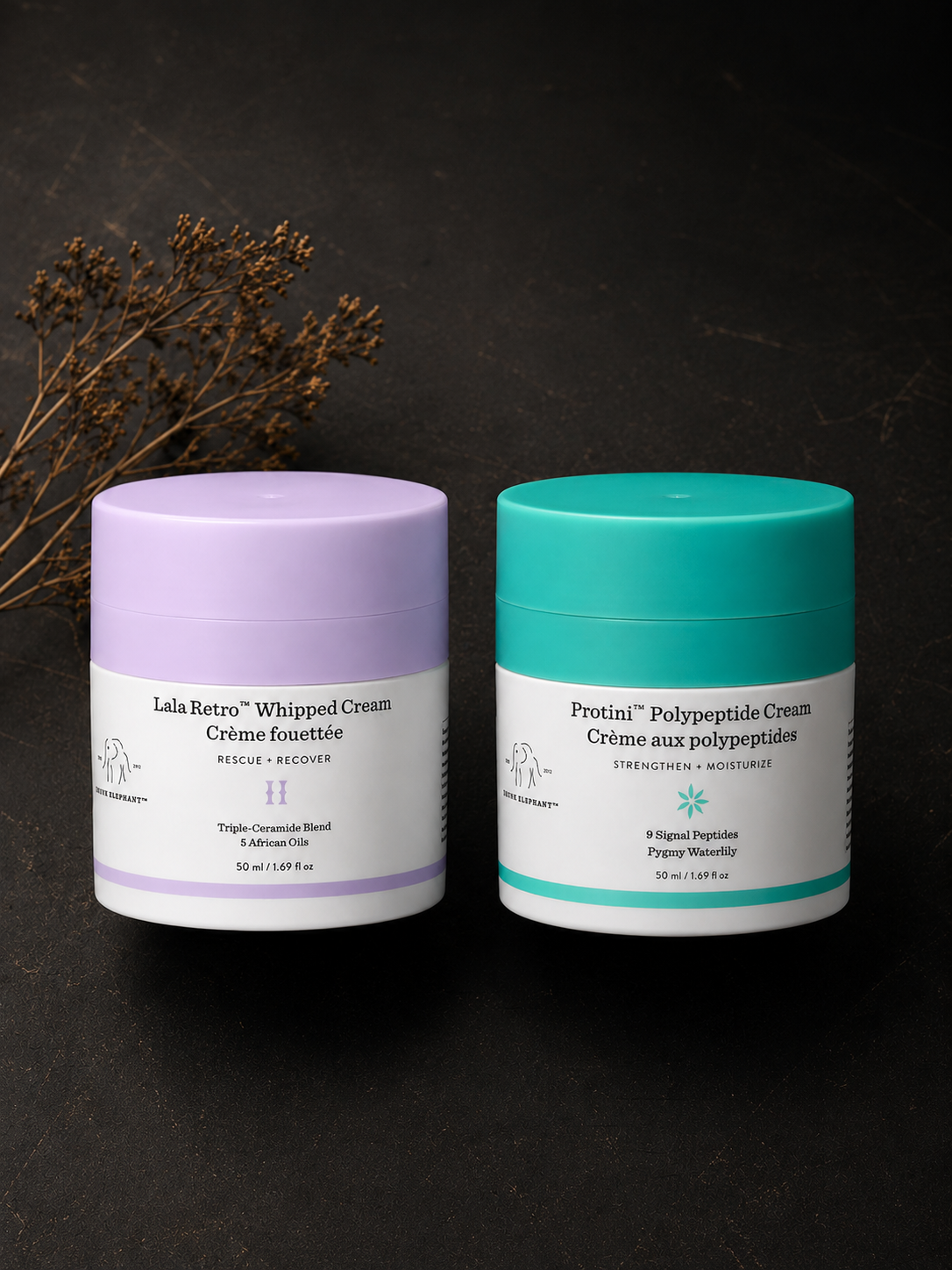
A ceramide-based moisturizer like Drunk Elephant Lala Retro Whipped Cream provides multiple ceramide types plus fatty acids in clinically tested formulations — giving your skin barrier what it needs without comedogenic risk. Paired with a peptide moisturizer and a mineral SPF, this combination addresses every goal the tallow trend is chasing, with clinical evidence behind each step.
This article contains affiliate links to Drunk Elephant Protini Polypeptide Cream and Drunk Elephant Lala Retro Whipped Cream. These were independently selected based on ingredient criteria and personal use — not affiliate rates. Glowing Skin Hub may earn a commission if you purchase through these links, at no added cost to you.
No brand paid for, reviewed, or influenced any part of this article. No products were gifted for this experiment. Full editorial standards at glowingskinhub.com →
Medical Disclaimer: This article is for educational and editorial purposes only. It does not constitute medical advice, diagnosis, or treatment. Results described are personal and individual — your skin may respond differently. If you have a skin condition, please consult a board-certified dermatologist before trying new ingredients.


