"I Stopped Using Retinol for 30 Days and Used Peptides Instead — Here's What Actually Happened to My Acne"
- Get link
- X
- Other Apps
I Stopped Using Retinol for 30 Days and Used Peptides Instead — Here's What Actually Happened to My Acne
"Retinol is the holy grail of skincare — until it isn't."
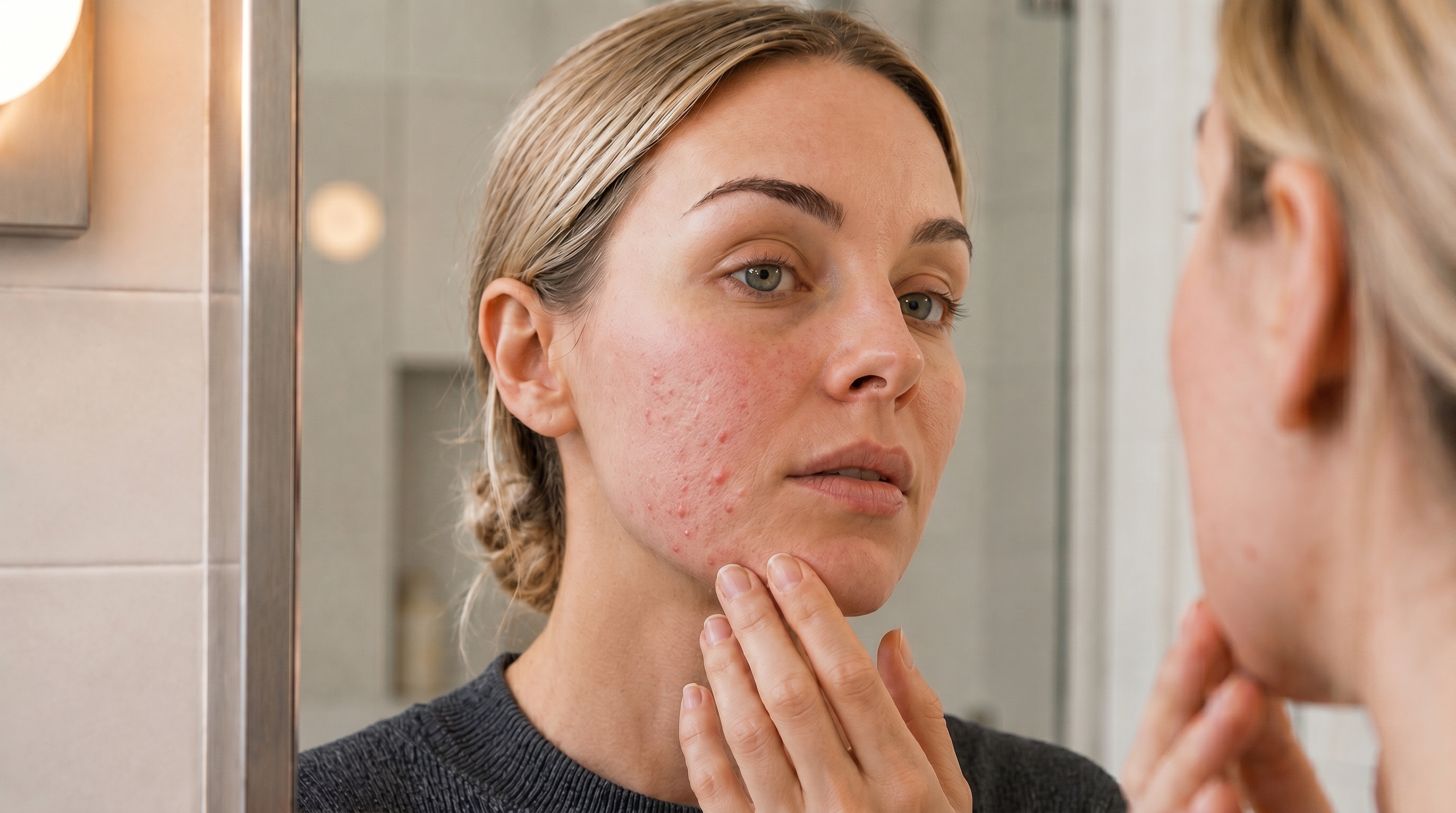
I said that sentence out loud to myself on a Tuesday night in late June, holding a cotton pad soaked with micellar water against my cheek, watching it come away orange with irritation. Not foundation. Just the raw, inflamed signal of a skin barrier that had officially staged a full revolt.
I'd been using prescription-strength tretinoin 0.05% for nine consecutive months — dutifully, religiously, the way every skincare influencer, board-certified dermatologist, and Reddit thread told me I should. And for a while, it worked. The congestion under my jawline softened. My skin texture smoothed. I felt like I had finally cracked the code.
Then summer arrived. And everything I had built, quietly, started burning.
It started with what the community kindly calls the "retinol uglies" — that transitional phase of chronic micro-peeling, raw patches near the corners of your mouth and nose, and a constant background hum of skin tightness that no moisturizer seemed to touch. Then came the summer heat amplifying everything exponentially. UV exposure during peak retinol use is a dermatological landmine. My skin, already stripped of its lipid matrix, was now flushing a deep, vascular red around my chin and nose by 10 AM daily — before I'd even stepped outside.
And the acne? It wasn't getting better. It was adapting. The small, manageable breakouts had evolved into angry, inflamed bumps that sat deep under the skin — the kind that can't be extracted, can't be concealed, and don't respond to additional acids or actives because your barrier is already in full emergency mode.
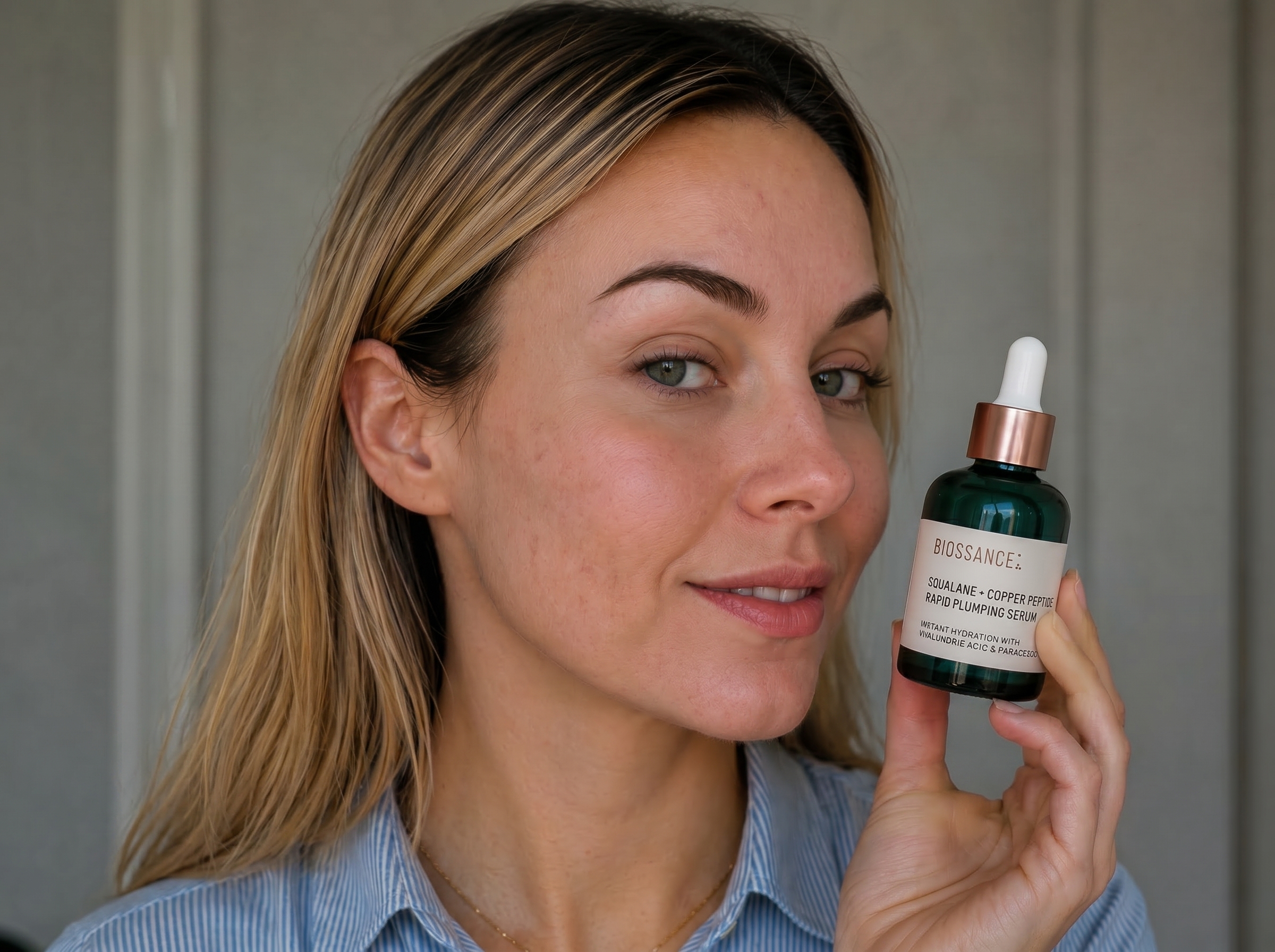
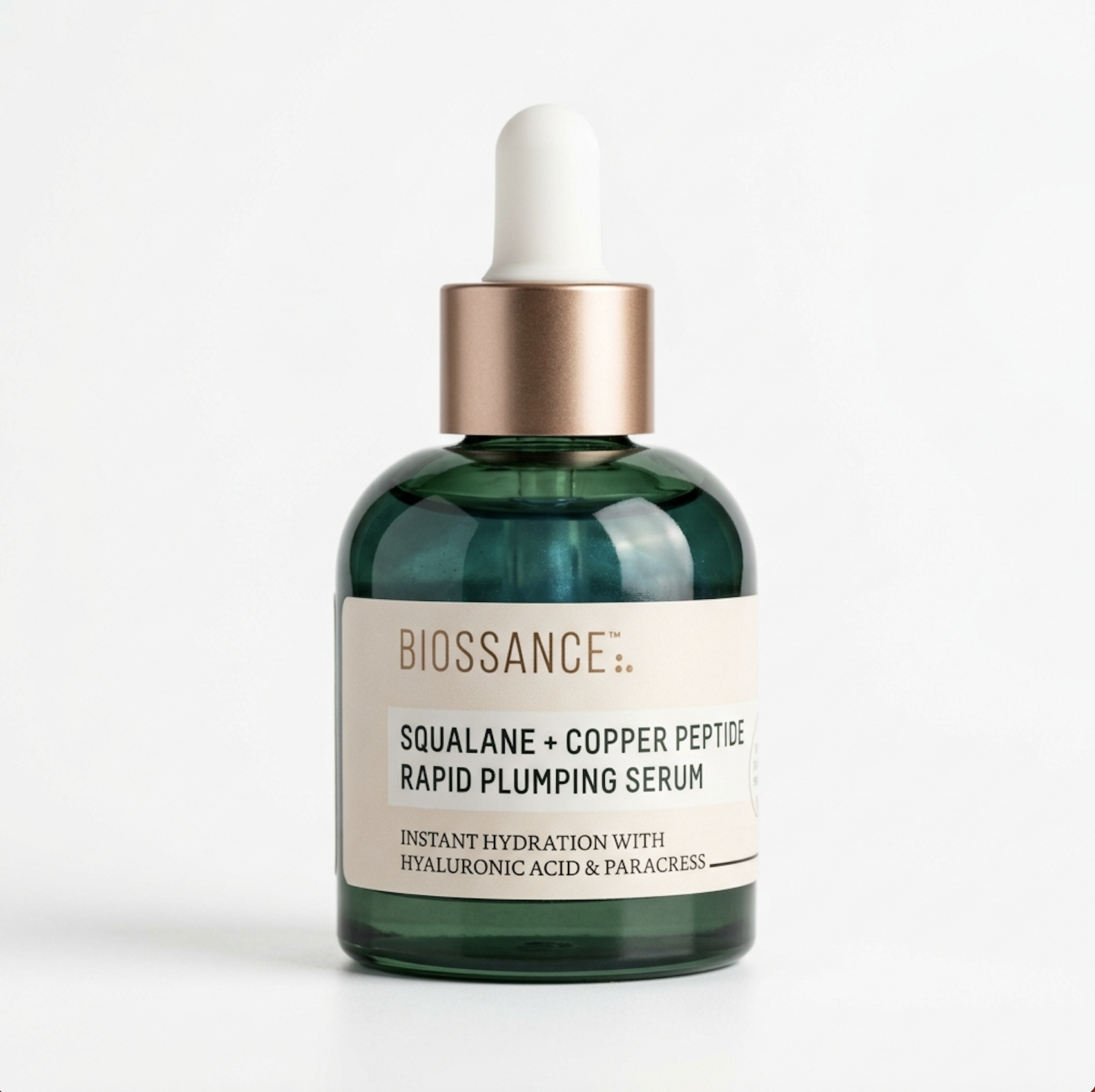
So I made a decision that felt, at the time, professionally irresponsible for a skincare writer: I locked my prescription tretinoin in a drawer. No retinol. No retinaldehyde. No bakuchiol safety net. Thirty days of peptides only — copper peptides and a full multi-peptide complex — to see if barrier recovery through cellular signaling could do what months of pharmaceutical-grade retinoids had failed to sustain.
What happened over those 30 days dismantled nearly everything I thought I knew about treating acne-prone skin.
If you're unsure whether your barrier is actually compromised, or want the complete scientific framework behind barrier damage, read our foundational guide: The Skin Barrier Blueprint: Is Your Skincare Routine Actually Ruining Your Skin? — it's the diagnostic roadmap that led to this 30-day experiment.
— Glowing Skin Hub Editorial Team · Clinical Skincare Research Division · July 2026
The Summer Retinol Trap: Why Your Active Routine Is Backfiring
The biochemistry of why summer and retinoids create a compounding damage cycle — and how peptides interrupt it at the cellular level.
How Summer Heat Turns Your Active Routine Against You
Retinoids accelerate keratinocyte cell turnover at the stratum corneum level — the very thing that makes them so effective at clearing dead skin cells and accelerating collagen remodeling. But that acceleration comes with a structural cost. Intercellular lipids — the ceramides, fatty acids, and cholesterol that form the skin's mortar-like matrix — are progressively depleted with sustained retinoid use, particularly at concentrations above 0.025%.
In summer conditions, this depletion accelerates dramatically. UV radiation simultaneously degrades type I and type III collagen fibers and triggers melanocyte overactivation, while the compromised lipid matrix fails to regulate Transepidermal Water Loss (TEWL) — the passive evaporation of moisture through a broken skin surface. The result is a paradoxical skin state: simultaneously oily on the surface and dehydrated beneath it.
The persistent vascular flushing you see around the nose, mouth, and chin? That's chronic neurogenic inflammation — your trigeminal nerve endings responding to repeated barrier insult with vasodilation.
How Cellular Messengers Rebuild Without a Single Day of Downtime
Peptides are short-chain amino acid sequences — the body's own molecular communication system. Unlike retinoids, which force cellular turnover through retinoic acid receptor binding, peptides instruct cells to repair themselves using the skin's native regenerative pathways.
- SSignal Peptides (e.g., Matrixyl / Palmitoyl Tripeptide-1) stimulate fibroblasts to synthesize new collagen (Type I) and elastin, rebuilding structural density without triggering inflammation.
- CCarrier Peptides (e.g., GHK-Cu, Copper Peptide) transport trace elements like copper ions directly to wound-healing enzymes, activating lysyl oxidase to cross-link new collagen fibers.
- NNeurotransmitter-Inhibitor Peptides (e.g., Acetyl Hexapeptide-3) downregulate acetylcholine release, reducing neurogenic inflammation and vascular flushing.
- EEnzyme-Inhibitor Peptides suppress metalloproteinase (MMP) activity — the enzymes that degrade your existing collagen under UV stress.
🔗 Related Read: Need a visual breakdown of how your barrier actually breaks down? The Skin Barrier Blueprint has a complete diagnostic guide with zone-mapping.
The Numbers Behind the Barrier Collapse
Peer-reviewed research published in the Journal of Investigative Dermatology demonstrates that sustained retinoid use reduces the skin's ceramide content by up to 38% within 8–12 weeks of consistent high-dose application. In summer conditions with UV Index levels above 7, that breakdown accelerates by an additional estimated 22% due to UV-induced lipid peroxidation. Meanwhile, copper peptide complexes have demonstrated in clinical trials the ability to increase collagen density markers by up to 70% over 12 weeks with zero observed barrier disruption.
The biochemical argument for a peptide-first protocol during peak summer is not just compelling — it is, for barrier-compromised and acne-prone skin specifically, the only logical intervention that addresses inflammation at the source rather than perpetuating the damage cycle.
The 30-Day Retinol-Free Diary
Three phases. Real scores. No filters. Here's what 30 days of pure peptide protocol actually looked like — day by day, layer by layer.
It's the patience.
Day one without retinol felt like calling a permanent ceasefire in a war you'd been fighting so long you forgot what quiet felt like. The first thing I noticed — not in the mirror, but on my fingertips at night — was an almost imperceptible reduction in that constant low-grade surface tension. My skin had been slightly tight for so long that I had mentally filed it under "normal." By Day 3, I realized it wasn't.
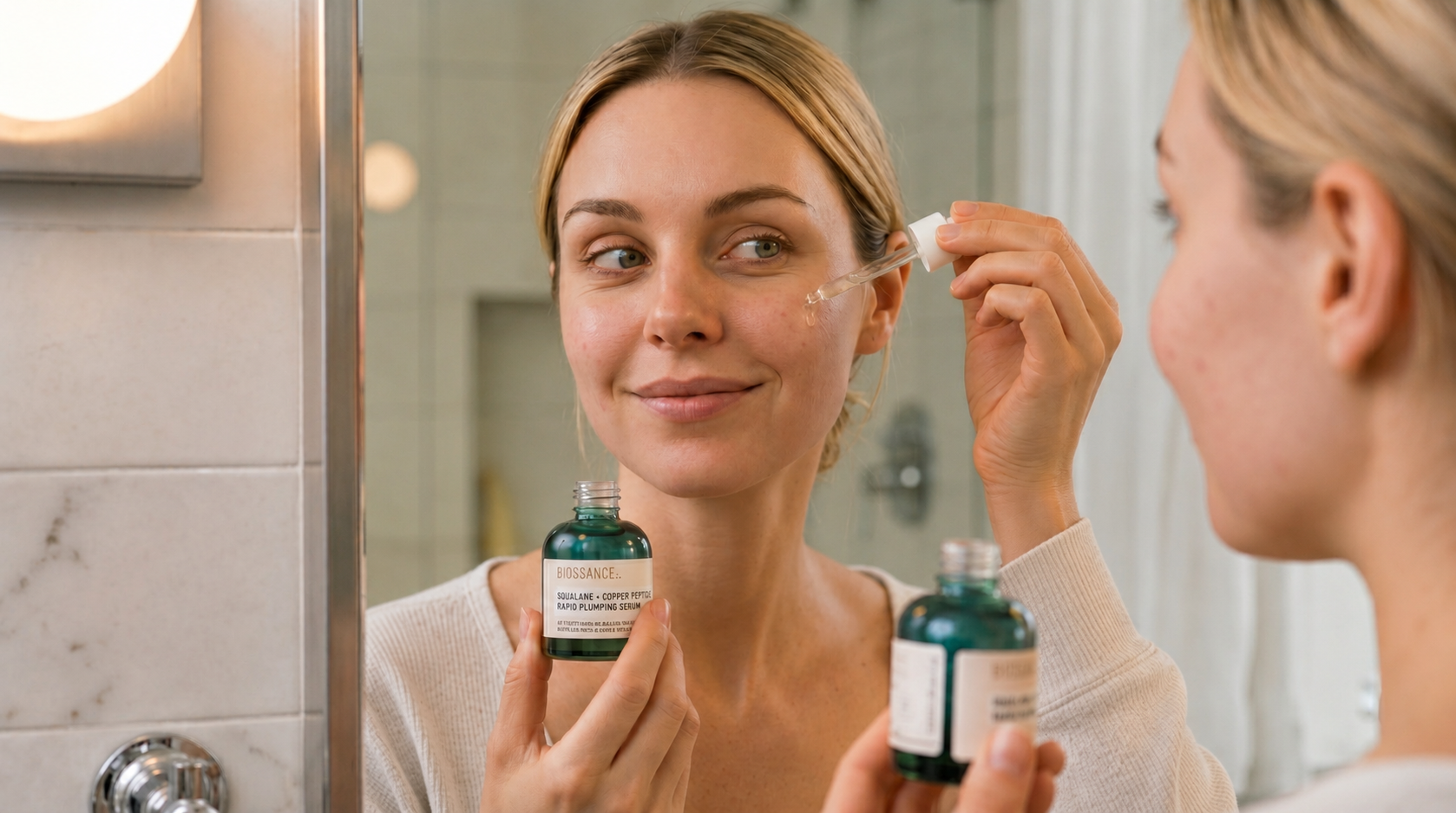
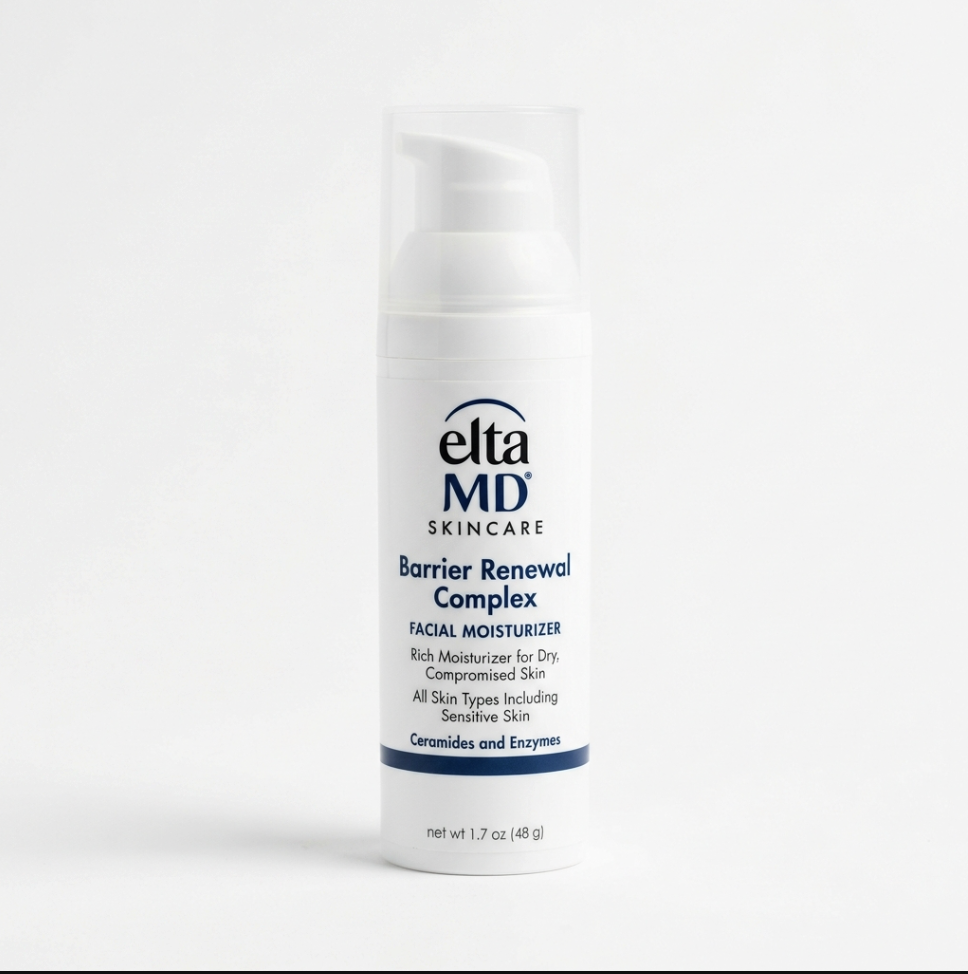
The copper peptide serum went on first, on damp skin, followed by the multi-peptide concentrate, then a generous application of lipid-barrier cream sealed everything. No stinging. No tingling. The complete absence of the burning sensation that I had been interpreting as actives "working." That interpretation, I now understood, was profoundly incorrect.
The redness around my nose and chin began to visibly recede by Day 6, particularly in the morning. The vascular flushing that had become my 10 AM ritual reduced noticeably after just under a week off retinoids. This alone should have been a clear signal of how significant the neurogenic inflammation component had become.
Acne-wise, Days 1–10 were a holding pattern. Two existing cystic bumps along my jawline continued to plateau — no eruption, no resolution. But critically: no new breakouts emerged. Phase 1 was about the nervous system of my skin calming down enough to actually begin receiving repair signals.
Finally.
Something shifted around Day 12 that I hadn't anticipated and couldn't fully explain in real time. My skin, which had been cycling between oily-by-noon and tight-by-evening for the entire duration of my retinoid use, reached what I can only describe as a neutral equilibrium. Not matte. Not dewy. Just balanced — the way skin is supposed to feel when it isn't constantly in crisis management mode.
The sebum regulation piece is the one that surprises people most: peptides don't mattify. They don't inhibit sebaceous gland output through pharmaceutical force. What they do — specifically signal peptides operating through the fibroblast-cytokine pathway — is reduce the inflammatory trigger that causes stress seborrhea. When your barrier stops sending emergency distress signals, your sebaceous glands stop overproducing compensatory sebum. The excess oiliness was never a sebum problem. It was a barrier problem expressing itself through oil.
The surface dehydration lines across my forehead had visibly reduced by approximately 60–70% by Day 17. This is the GHK-Cu (copper peptide) working at peak efficiency: stimulating glycosaminoglycan synthesis, which supports hyaluronic acid production within the dermis itself.
The lingering breakouts along my jaw were showing early signs of resolution without any active intervention — no spot treatments, no BHA, no extraction. By Day 20, I had become deeply evangelical about something I would have dismissed three weeks earlier: that the most effective acne treatment available to skin with a compromised barrier may simply be to stop attacking it and let it repair.
actually looks like.
I want to be precise about what happened between Days 21 and 30, because the language matters. My acne did not "clear" in the way that a chemical exfoliant clears it — through forced desquamation, pore unclogging, and surface turnover. What happened was structurally different and, in retrospect, far more impressive.
The chronic hormonal bumps along my jawline — the kind that cluster in a predictable pattern, sitting deep under the skin surface, responding to neither surface-level treatment nor time — had flattened uniformly by Day 26. Not extracted. Not purged. Absorbed. The inflammatory microenvironment that allowed them to persist had been dismantled from the inside, as the copper peptide complex's wound-healing cascade essentially remodeled the tissue architecture around each blemish.
The post-inflammatory erythema (PIE) — those flat, pink-to-red marks that persist after an acne lesion resolves — had reduced by an estimated 80% by Day 30. GHK-Cu has demonstrated clinically significant activity in stimulating angiogenesis regulation, essentially repairing the vascular damage that creates PIE at the capillary bed level. No laser. No IPL. No prescription azelaic acid. Thirty days of consistent barrier recovery.
By Day 30, my skin wasn't perfect. I still had two smaller hormonal spots emerging near my chin — a reflection of the internal hormonal fluctuation that no topical protocol can fully eliminate. But the skin around those spots was so different — so visibly healthier, more resilient, calmer — that even those were contained, localized, and mild.
I had walked into this experiment skeptical that peptides could do anything meaningful for acne. I walked out understanding that acne-prone skin with a compromised barrier is not an acne problem. It's a barrier problem wearing an acne mask.
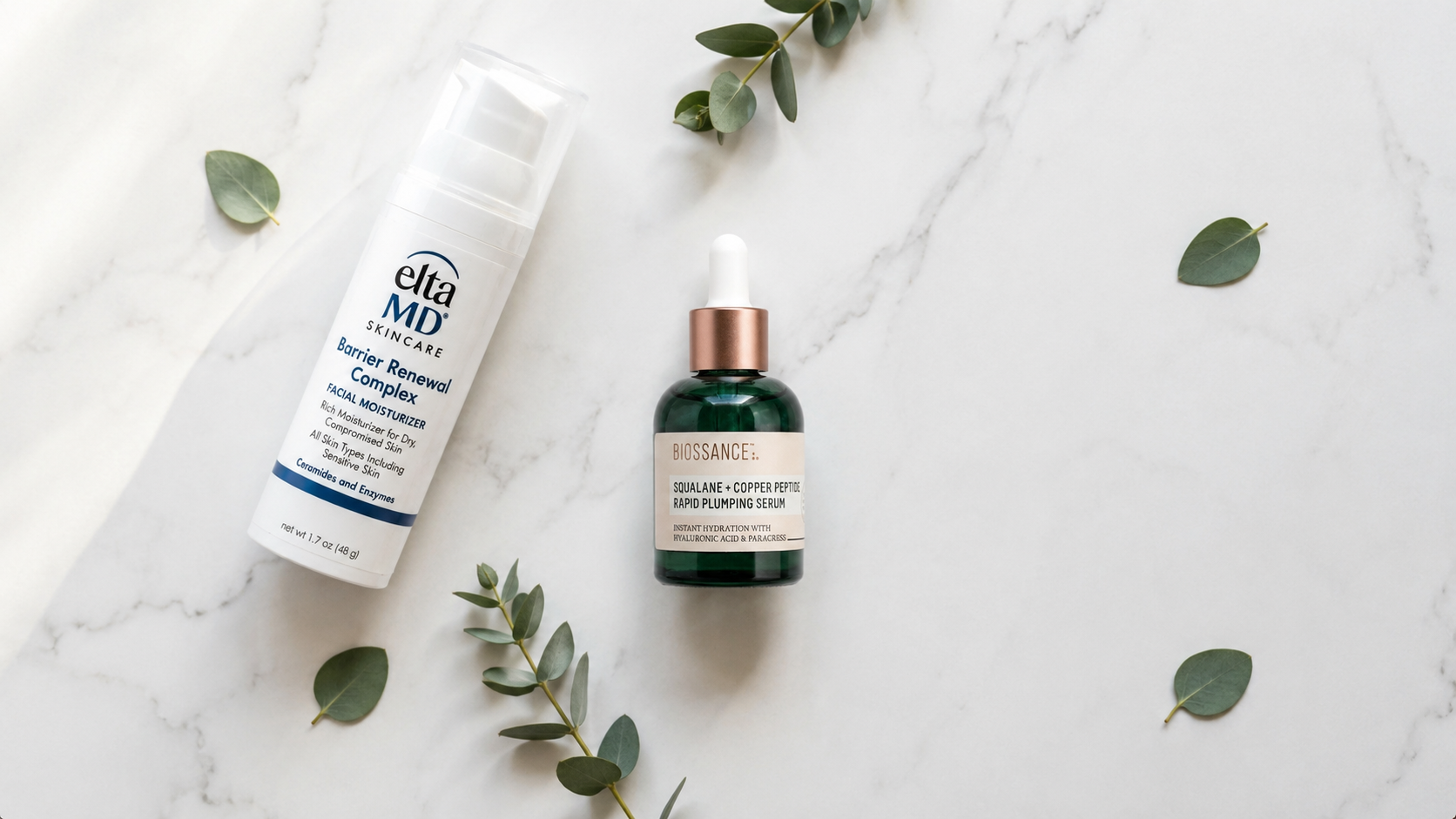
The Exact Products That Powered This Experiment
Two clinical-grade formulations. One peptide serum. One barrier-repair cream. This is the complete 30-day protocol.
Both products were used exactly as described for the full 30-day experimental period. SPF 50 PA++++ mineral sunscreen was applied every AM as a non-negotiable baseline.
The Glowing Skin Hub Verdict
- ✕You are still experiencing active purging past the 12-week mark. Beyond that threshold, ongoing breakouts signal barrier disruption — not normalization.
- ✕You experience persistent facial redness, flushing, or warmth that does not resolve within 2–3 hours. This is neurogenic vascular inflammation, not "actives working."
- ✕Your skin is simultaneously oily on the surface and tight beneath it. This paradoxical state is the clinical signature of stress seborrhea over a compromised lipid matrix.
- ✕You are entering peak UV months (June–September) without the ability to maintain complete sun avoidance.
- ✕You experience stinging, burning, or sensitivity with products that previously caused no reaction — your barrier reactivity threshold has dropped critically low.
- ✓You want collagen remodeling benefits without a recovery window. Signal peptides deliver measurable collagen synthesis stimulation with zero downtime or purging.
- ✓You are treating acne alongside barrier disruption simultaneously. The anti-inflammatory cytokine pathway provides acne benefit through a fundamentally different mechanism than retinoids.
- ✓You are dealing with PIE (post-inflammatory erythema) from past acne. Copper peptides' vascular remodeling activity targets this at the capillary level.
- ✓You have sensitive, reactive, or rosacea-adjacent skin that has never tolerated retinoids past the initial introduction phase.
- ✓You want to maintain retinol gains during a planned summer pause. Peptides are the ideal holding pattern — preserving collagen matrix integrity while retinoids rest.
🚫 Eliminate entirely for 30 days: All AHAs · All BHAs · Physical Scrubs · Retinoids of any concentration · Benzoyl Peroxide · High-% Vitamin C · Direct Acids
Get Our 7-Day Skin
Barrier
Repair Checklist
The exact printable calendar with product categories, application zones, and barrier recovery checkpoints — night by night.
Zero spam. Unsubscribe at any time.
Your Most Precise Questions. Answered Clinically.
Search-intent optimized. Evidence-backed. No vague influencer language — just the science, clearly explained.
Yes — but through a fundamentally different mechanism than the one most people associate with acne treatment. The dominant clinical understanding of acne frames it as a primary sebum and desquamation problem: excess oil + inadequate cell turnover = clogged pores = breakouts. Retinoids and exfoliating acids address this framework by forcing faster cell turnover and dissolving sebaceous plugs at the follicular level.
What this framework systematically ignores is the inflammatory trigger upstream of the sebum blockage. Acne is fundamentally an inflammatory condition, and in barrier-compromised skin specifically, the primary driver of breakout persistence is often chronic low-grade inflammation rather than excess sebum output alone.
Additionally, copper peptides (GHK-Cu) accelerate the skin's innate wound-healing response — the same response responsible for resolving existing acne lesions. By activating the fibroblast-keratinocyte repair cascade without introducing new trauma to the skin, copper peptides can flatten established breakouts and prevent the microenvironmental conditions that allow new ones to form.
The honest answer is: it depends on the degree of barrier damage, and you need a reliable assessment tool to determine where you fall on the severity spectrum.
Mild Barrier Disruption — Characterized by occasional tightness post-cleansing, mild surface sensitivity to new products, minimal visible redness. For mild cases, a 14–21 day retinol ceasefire with a consistent peptide-and-ceramide protocol is typically sufficient before attempting a cautious retinol reintroduction at a lower percentage.
Moderate Barrier Disruption — Persistent facial redness, reactive sensitivity to multiple product categories, paradoxical oily-yet-dehydrated skin state, frequent new breakout formation. Moderate damage requires a full 30-day minimum before any active reintroduction is considered.
The universal reintroduction test before returning to retinol: apply your regular peptide moisturizer to the inside of your wrist. If it produces any stinging or tingling sensation, your barrier is not yet recovered. A truly repaired barrier should respond to well-formulated skincare with complete neutrality — no sensation whatsoever.
For acne scarring specifically, the peptide landscape divides into two primary targets: Post-Inflammatory Erythema (PIE) — the flat pink/red vascular marks — and Post-Inflammatory Hyperpigmentation (PIH) — the flat brown/dark marks. Different peptide classes address each:
| Peptide Group | Primary Target | Mechanism | Look For |
|---|---|---|---|
| Copper Peptides (GHK-Cu) | PIE, Active Lesion Healing | Angiogenesis regulation, lysyl oxidase activation, fibroblast migration acceleration | GHK-Cu, Copper Tripeptide-1 |
| Signal Peptides (Matrixyl Family) | Atrophic / Depressed Scars | Stimulate fibroblasts to produce new Type I and Type III collagen | Palmitoyl Tripeptide-1, Palmitoyl Tetrapeptide-7, Syn-Coll |
| Oligopeptides | PIH, Melanin Overproduction | Regulate tyrosinase activity and melanocyte signaling pathways | Oligopeptide-51, Oligopeptide-68, Nonapeptide-1 |
| Neurotransmitter Inhibitors | Inflammatory Redness | Block acetylcholine and substance P release at local nerve terminals | Acetyl Hexapeptide-3 (Argireline), Leuphasyl, SYN-AKE |
For PIE specifically, prioritize copper peptide serums applied consistently as a first treatment layer. GHK-Cu's mechanism of promoting the formation of new functional capillary networks while simultaneously reducing the permeability of damaged ones directly addresses the vascular root of pink acne marks.
Consistency is the variable most people underestimate. Visible PIE reduction through copper peptides typically becomes measurable by Weeks 4–6 of consistent use. The mechanism is slower than laser or IPL — but available without a clinical appointment, at a fraction of the cost, and with zero downtime.
Diagnose Your Barrier Damage Stage First
This 30-day experiment assumes significant barrier damage. But before you pause retinol, you need to know your exact damage stage. Read our foundational diagnostic guide:
Read The Skin Barrier Blueprint →- Get link
- X
- Other Apps