
Silk Pillowcase vs. Cotton for Acne — I Slept on Both for 15 Days Each and the Results Surprised Me
An honest 30-day comparison for acne-prone skin. No exaggerations, no paid opinions — just what actually happened when I made the switch.

I’ve struggled with hormonal acne for years. I’ve tried everything — from prescription retinoids to cutting out dairy — and while some things helped, my skin was still unpredictable. Then I kept seeing people online swear by silk pillowcases for clearer skin.
I was skeptical. Could something as simple as switching your pillowcase really make a difference? I decided to find out — properly, with structure and consistency, so I could give an honest answer.
For 30 days, I slept on a cotton pillowcase for 15 nights, then switched to silk for another 15 nights. I kept everything else in my routine exactly the same — same cleanser, same moisturizer, same sleep schedule. Here’s what actually happened, with nothing softened or exaggerated.
This article contains affiliate links. If you purchase through these links, we may earn a small commission at no extra cost to you. All opinions are genuinely our own and based on real experience. We only recommend products we have personally used and trust.
Why I Decided to Test Silk vs. Cotton
I’d been using the same cotton pillowcases for years without thinking much about it. But after reading countless testimonials about silk pillowcases reducing breakouts, I wanted to see if there was any truth to the hype — or whether it was just clever marketing dressed up as skincare wisdom.
The theory is straightforward: silk is smoother and less absorbent than cotton, which means it creates less friction against your skin and doesn’t soak up your skincare products or natural oils as aggressively. Less friction could mean less irritation, and less absorption could mean your skin stays more hydrated through the night.
But would it actually make a visible difference? I had to find out for myself.
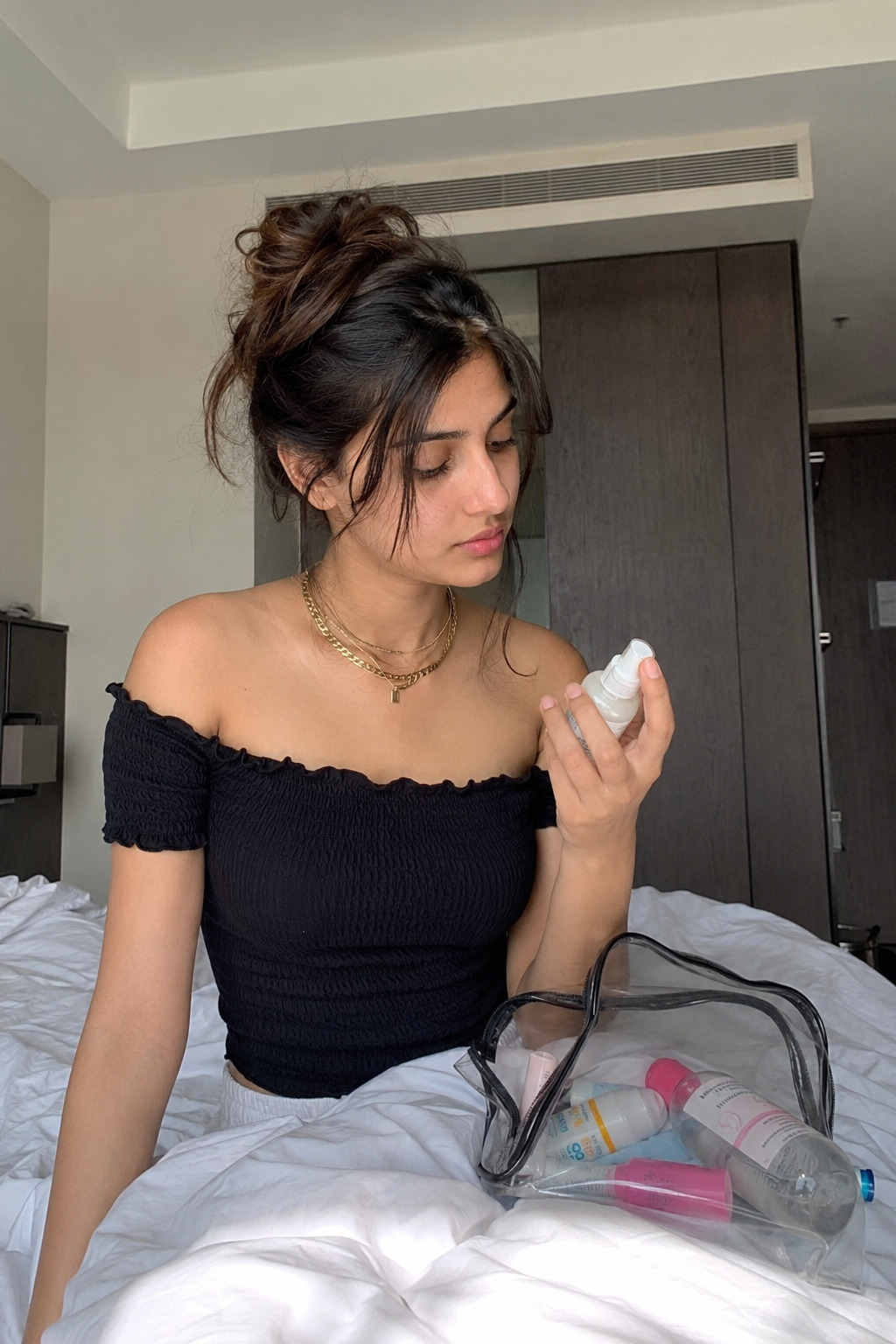
The texture difference between silk and cotton is subtle to the eye — but your skin feels it immediately.
My 30-Day Experiment: How I Kept It Fair
To make this test as honest and controlled as possible, I kept every other variable constant throughout the entire 30 days. No dramatic diet changes, no new skincare products, no lifestyle upheavals. Just the pillowcase.
- Skincare routine: Double cleanse with a gentle foaming cleanser, niacinamide serum, lightweight non-comedogenic moisturizer every night
- Diet: No major changes — consistent eating habits throughout
- Sleep schedule: 7–8 hours per night, same bedtime
- Washing frequency: Every 3 days for both silk and cotton, same gentle detergent
- Water intake: 2–2.5 litres daily
- Stress levels: As consistent as life allows — no major events during either phase
- Documentation: Photos taken every morning before touching my face, plus written notes
The Cotton I Used
A standard 300 thread count cotton pillowcase — nothing fancy, but the kind that most people have at home. Clean, comfortable, and completely unremarkable. This is what I’d been sleeping on for years.
The Silk I Used
A 22-momme 100% mulberry silk pillowcase. Momme is the measure of silk weight and quality — the higher the number, the denser and more durable the fabric. Anything between 19–25 momme is generally considered premium quality.
Phase One: 15 Days on Cotton
The first 15 days on cotton were exactly what I expected — familiar. It’s what I’d been doing for years, so nothing felt particularly different at first. But once I started paying deliberate attention, I noticed a few consistent patterns that I’d previously never thought to question.
My skin behaved as it usually does. I woke up with a few small breakouts on my chin and jawline — my chronic problem areas. The pillowcase felt slightly rough against my cheek, especially after tossing and turning. I noticed pillow creases on my face in the morning that took 30 to 45 minutes to fully fade. My right cheek (my main sleeping side) looked a little more irritated than my left.
A few new breakouts appeared, particularly on the right side of my face. My skin felt a bit drier in the morning despite using the same moisturiser — I started to suspect the cotton was absorbing some of my night serum. When I examined the pillowcase closely, I could see faint imprints where my face had been resting. My products were quite literally being pulled off my skin overnight.
Nothing dramatically changed, for better or worse. My skin was still breaking out in the usual spots, the friction and creasing were consistent, and my face felt predictably dry each morning. By day 15, I was genuinely curious — and honestly, a little impatient — to see if switching to silk would actually make any difference.
“By day 15, I was prepared to call the whole silk thing overrated. I’d seen no dramatic decline in my skin, which — in hindsight — actually made the second phase more revealing.”
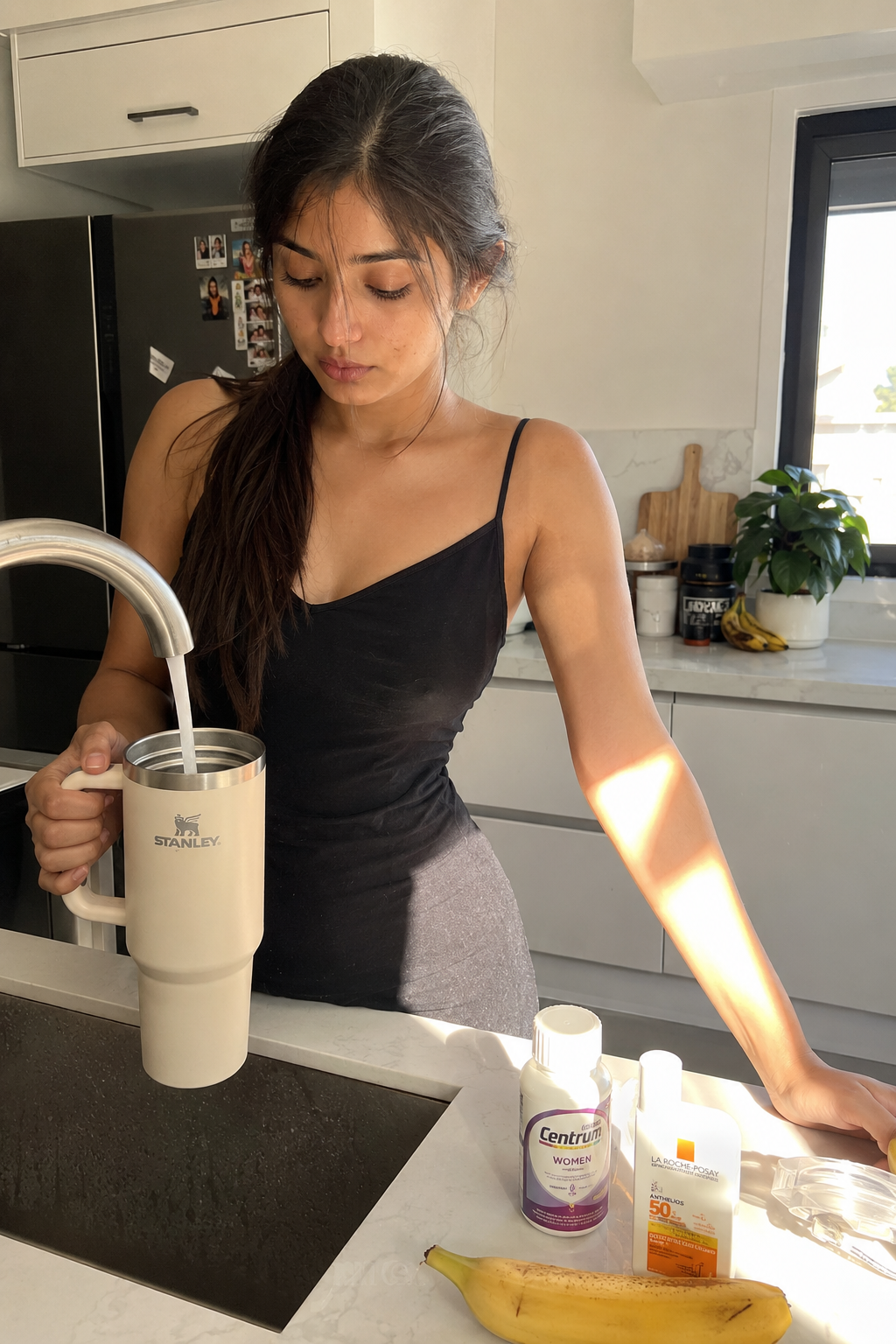
Keeping the routine identical was the only way to know if the pillowcase was making a real difference.
Phase Two: 15 Days on Silk
Switching to silk was immediately different — not in terms of my skin, but in how it felt. The pillowcase was noticeably smoother and cooler to the touch. Where cotton had a slight drag, silk felt like my face was resting rather than pressing. It felt genuinely luxurious in a way I wasn’t expecting from bedding.
But I wasn’t testing for comfort. I was testing for results.
The texture difference was striking from the very first night. My face glided across the pillowcase rather than dragging. I woke up with almost no pillow creases — a small thing, but noticeably different. My skin didn’t feel as dry in the morning. I wasn’t sure yet whether this was placebo or real, but something felt calmer.
This is where things got genuinely interesting. The breakouts on the right side of my face — my main sleeping side — seemed to be calming down. Not disappearing overnight, but visibly less angry and inflamed. My skin also felt more hydrated in the mornings. I started to believe the product absorption issue was real: my moisturiser was actually staying on my skin now instead of transferring to the fabric.
By the end of the silk phase, I had fewer active breakouts overall — particularly on my right cheek and jawline. My skin texture felt smoother, and the redness around existing breakouts had noticeably decreased. I was genuinely surprised. Not amazed, not converted into a silk evangelist — just honestly surprised that something so simple had made a measurable difference.
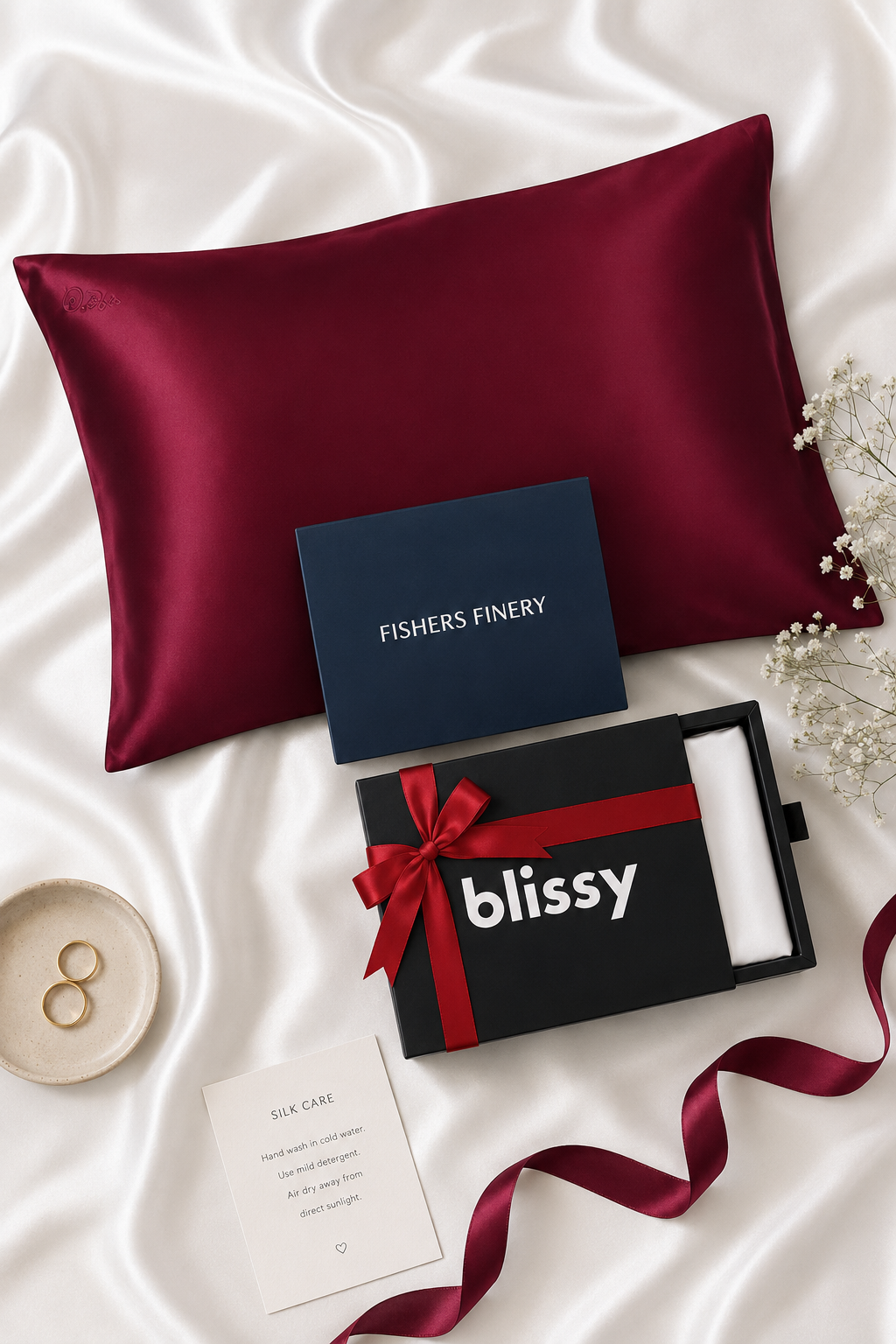
By week four, waking up felt different — skin calmer, less reactive, more hydrated.
What Actually Changed — and What Didn’t
Let me be completely clear: silk did not cure my acne. I still got breakouts. My hormonal cycle still did its thing. But there were genuine, observable differences between the two phases that I can’t attribute to anything else.
- Fewer pillow creases upon waking
- Less redness and irritation on contact side
- Skin felt more hydrated each morning
- Fewer breakouts on main sleeping side
- Smoother overall skin texture
- Night products seemed to stay on skin better
- Cooler, more comfortable sleep surface
- Hormonal breakouts still appeared
- Existing acne did not vanish overnight
- Overall acne severity remained similar
- Still needed full skincare routine
- PIE (post-inflammatory marks) faded at same pace
- Deep cystic breakouts were unaffected
- No change in pore size or skin tone
The difference was subtle but genuine — especially on the side of my face with the most pillow contact. Less irritation, less absorption, less friction. When you already have inflamed skin, removing even small sources of aggravation genuinely matters.
What I Loved About Silk
- ✓ Dramatically less friction against skin
- ✓ Products stay on your face, not the fabric
- ✓ Fewer visible sleep creases each morning
- ✓ Cooler and more comfortable to sleep on
- ✓ Noticeably less redness on contact areas
- ✓ Genuinely feels luxurious and calming
- ✓ Hair tangles and breakage reduced too
- ✗ Significantly more expensive than cotton
- ✗ Requires delicate washing and air drying
- ✗ Less breathable if you run hot at night
- ✗ Can feel slippery for some sleepers
- ✗ Needs more careful storage
- ✗ Not a treatment — cannot replace your routine
- ✗ Quality varies dramatically by brand
Cotton Is Not the Villain Here
Cotton has been the bedding standard for centuries for good reason. Before you dismiss it entirely based on the silk hype cycle, here’s a fair assessment of what cotton genuinely does well.
- ✓ Affordable and easy to replace frequently
- ✓ Machine washable — zero special care needed
- ✓ Highly breathable and moisture-absorbing
- ✓ Durable and widely available
- ✓ Can be changed daily if budget allows
- ✓ Excellent for hot, humid climates
- ✗ Creates more friction on skin
- ✗ Absorbs skincare products overnight
- ✗ More likely to cause sleep creases
- ✗ Can feel rougher on sensitive or inflamed skin
- ✗ Harbours bacteria faster without frequent washing
What the Science Actually Says
I wanted to understand whether there’s a genuine dermatological basis for the silk-pillowcase argument — or whether it’s largely anecdotal. Here’s what I found from reading dermatological literature and expert guidance.
- Friction aggravates acne. Dermatologists widely acknowledge that mechanical irritation — including repeated rubbing of skin against rough fabric — can worsen existing inflammation and contribute to new breakouts. This is documented in the literature around acne mechanica.
- Pillowcases accumulate bacteria and oil. After just a few nights, any pillowcase — silk or cotton — begins collecting oil, dead skin cells, and bacteria. For acne-prone skin, this is a meaningful concern regardless of material. Washing frequency matters far more than most people realise.
- Silk may genuinely reduce friction-related irritation. The smoother surface of silk has a lower coefficient of friction than cotton, which means it physically drags less against the skin. For already-inflamed acne, this reduced mechanical stress may help prevent further aggravation.
- Product absorption is a real concern. Cotton’s absorbency — while useful for towels — works against you at night. There is reasonable evidence that cotton pillowcases can absorb a significant amount of applied skincare products, potentially reducing their efficacy over hours of contact.
- No pillowcase cures acne. This is important to say clearly. Acne is a multifactorial condition involving sebaceous gland activity, bacteria (C. acnes), hormones, and inflammation. No fabric choice will override these biological factors. Treatment remains the priority.
Lifestyle adjustments like pillowcase material can support your skin, but they are not substitutes for proper diagnosis and treatment. Prescription options like topical retinoids, antibiotics, and in some cases isotretinoin have a far greater evidence base for treating moderate to severe acne.
Is Silk Worth It for Acne-Prone Skin?
For me — yes, but with genuinely realistic expectations. Silk did not clear my acne. It reduced irritation, helped my skincare products do their job properly, and made my skin feel calmer every morning. If you have the budget and care about protecting your skin’s overnight environment, it’s a worthwhile investment. But if you’re searching for a cure, this isn’t it. A clean pillowcase of any material, a consistent skincare routine, and professional treatment when needed are what truly move the needle.

The best skincare environment starts before you open any product.
If You Decide to Try Silk — Do It Right
After 30 days and a fair amount of research, here’s what I’d tell someone considering the switch for the first time.
Mulberry silk has the longest, most uniform fibers — making it the smoothest and most durable option. Avoid blended or “satin” fabrics marketed as silk.
This range offers the best balance of softness, durability, and genuine quality. Below 19mm feels too thin; above 25mm is often unnecessarily expensive.
Silk still collects oil and bacteria. For acne-prone skin, maintaining a consistent washing schedule is essential. Don’t let “it’s silk” become an excuse to wash less often.
Harsh detergents damage silk’s protein fibers over time. Use a mild, pH-neutral detergent in cold water. Always air dry — heat will shorten your pillowcase’s life significantly.
Having two pillowcases means you can always have a clean one ready while the other is drying. This makes consistent hygiene easier and extends the lifespan of each.
Any change in your skin environment takes time to show results. Give it at least 3–4 weeks of consistent use before drawing conclusions, and keep everything else in your routine stable.
The Silk Pillowcases Worth Investing In
Based on personal testing, research, and community feedback — these are the ones we genuinely recommend.
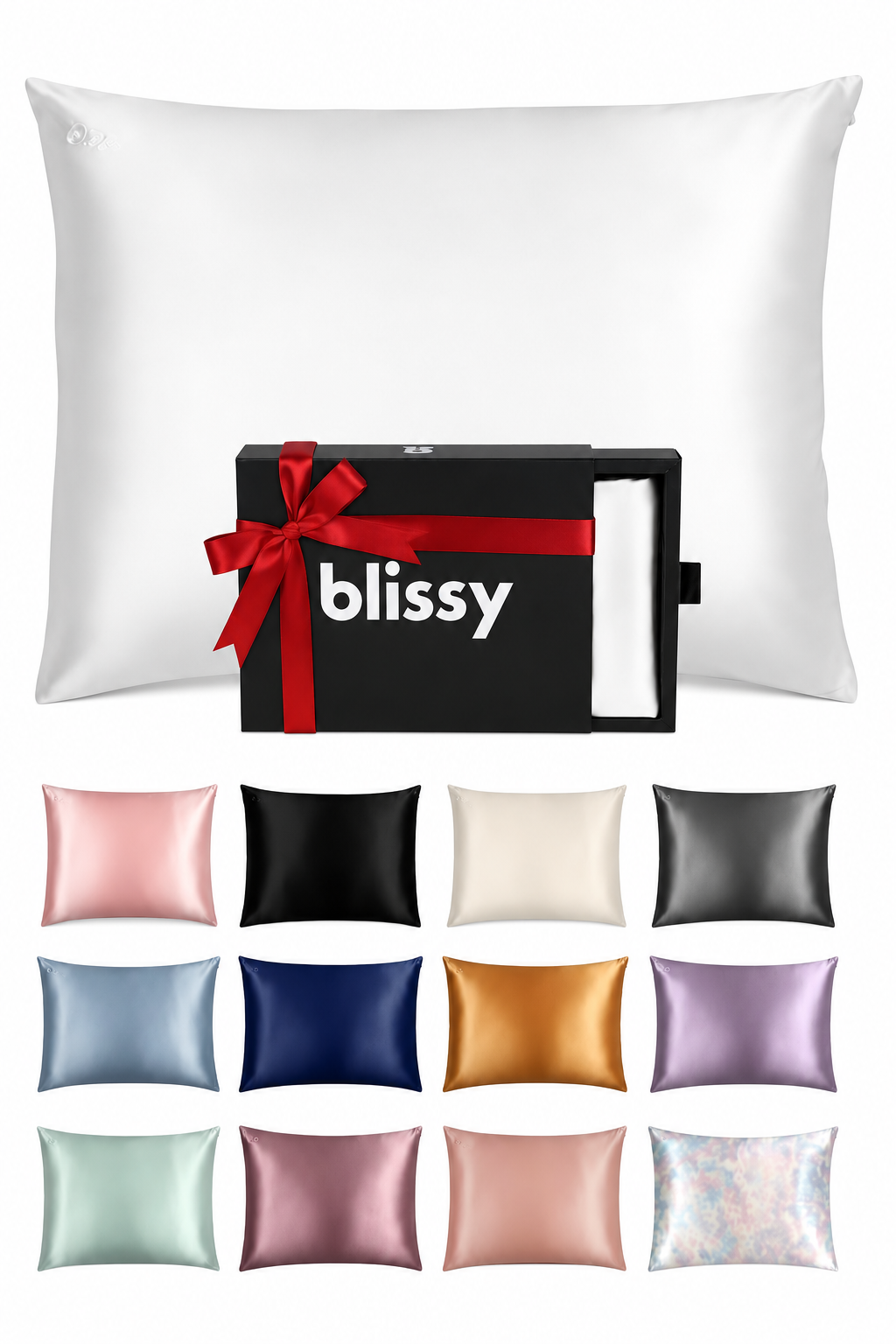
Blissy Silk Pillowcase — 100% Pure Mulberry Silk, 22 Momme, 6A High-Grade Fibers
The pillowcase I personally used for this test. Premium 22-momme mulberry silk that genuinely delivers on its promises. Available in Standard, Queen, and King sizes across an extensive colour range. The quality is immediately apparent — it’s smooth, substantial, and washes beautifully with the right care.
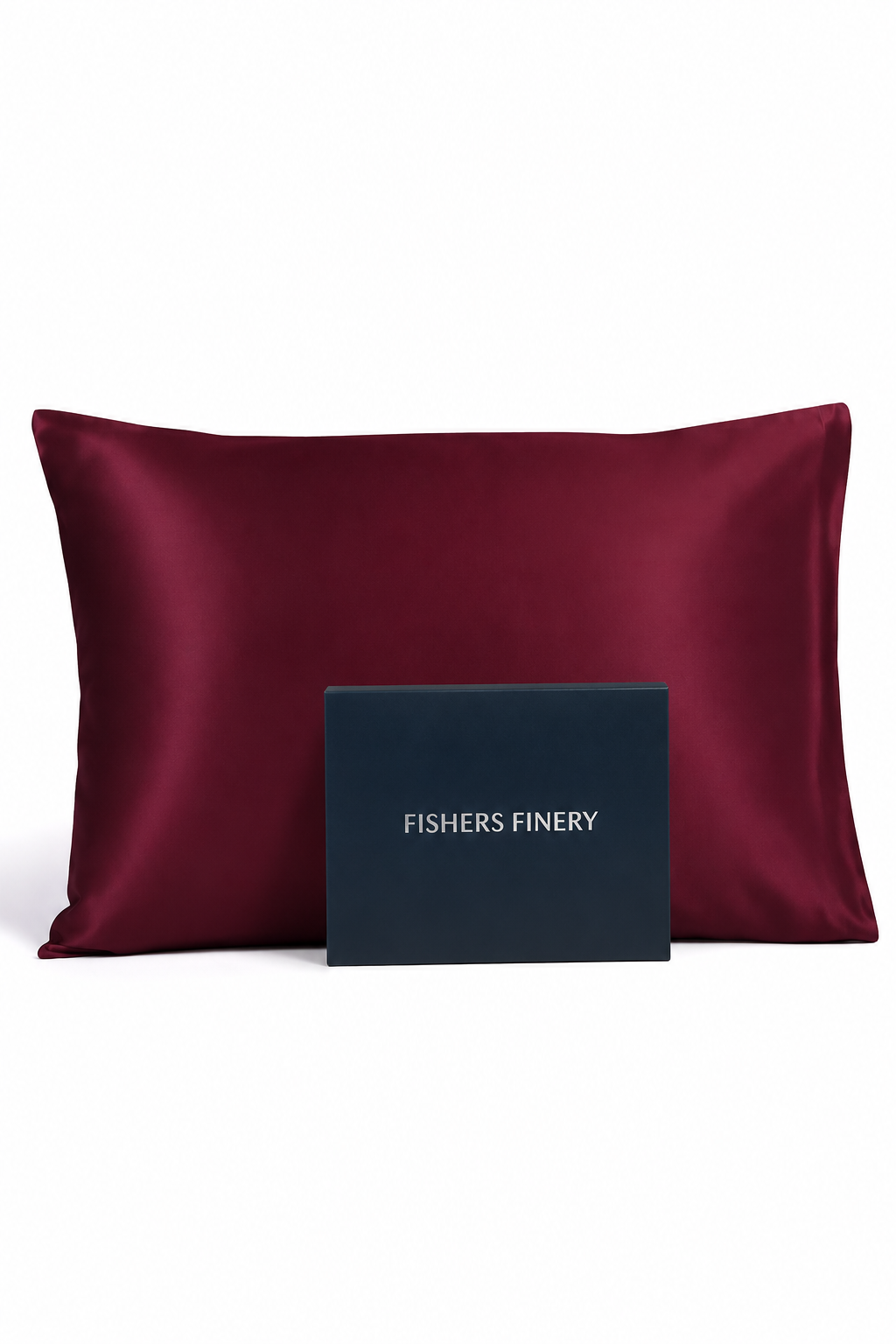
Fishers Finery 25mm 100% Pure Mulberry Silk Pillowcase
For those who want the absolute highest quality — Fishers Finery’s 25-momme pillowcase is as premium as it gets for home use. The extra density translates to a noticeably more substantial, more durable fabric. A true investment piece for your skincare routine. Queen size in elegant ivory white.
Frequently Asked Questions
No. Acne is a complex, multifactorial condition driven by sebum production, bacteria, hormones, and inflammation. A pillowcase cannot address any of these root causes. What silk may do is reduce mechanical irritation and keep your skincare products on your skin longer — both of which can support (not replace) your treatment routine.
Every 3–4 days at a minimum. For acne-prone skin, you may benefit from washing it every 2 days, particularly during hormonal flare-ups. Use cold water, a gentle detergent, and always air dry to preserve the fabric’s integrity.
Not necessarily. Silk’s lower friction and reduced absorbency make it particularly well-suited to sensitive and acne-prone skin. But cotton’s breathability can be beneficial for those who sleep hot or sweat significantly. The best choice depends on your individual skin type, climate, and budget.
For pillowcases, 19–25 momme is the ideal range. Below 19mm the fabric can feel too thin and less durable. Above 25mm the differences become minimal for everyday use. 22-momme is a reliable sweet spot that balances softness, durability, and value.
Very unlikely. A pillowcase is one small variable in a complex skin system. Real improvements to acne-prone skin generally require consistent cleansing, targeted actives, and sometimes professional treatment. Think of a silk pillowcase as a supportive tool — not a solution.
It’s strongly not recommended. Heat weakens silk’s protein structure over time, causing the fabric to thin, lose lustre, and eventually deteriorate. Air drying — flat or hung gently — is always the best approach for preserving quality and softness.
Yes. Use a pH-neutral, silk-safe detergent or a gentle delicate fabric wash. Standard laundry detergents can strip silk’s natural proteins and cause discolouration over time. Avoid bleach and fabric softeners entirely.
Yes, meaningfully so. Mulberry silk is produced by silkworms fed exclusively on mulberry leaves, resulting in longer, more uniform fibers than wild or tussah silk. This translates to a smoother surface, greater durability, and a more consistent texture — all of which matter for skin contact.
What 30 Days Actually Taught Me
- → Silk reduces friction and irritation, which can genuinely calm inflamed acne-prone skin
- → Silk helps your skincare products stay where you put them, rather than being absorbed into fabric
- → The texture difference is immediately noticeable — and your skin does respond to it over time
- → Cotton is more affordable, breathable, and zero-maintenance — it is not the enemy
- → No pillowcase will cure or meaningfully treat acne — manage expectations carefully
- → Washing frequency matters more than material — a dirty silk pillowcase is worse than a clean cotton one
- → The best pillowcase is the one you will consistently keep clean and change regularly
- → Acne management is multifactorial — holistic routines and professional guidance are irreplaceable
Get Our Skin Barrier Reset Guide — Free
Download our comprehensive guide to repairing and protecting your skin’s natural barrier — the foundation of truly healthy, glowing skin.
Final Thoughts
If you’d told me at the start of this experiment that I’d end up switching to silk permanently, I would have been genuinely sceptical. I came in expecting to debunk the trend.
But here’s where I landed: skincare isn’t only about the products in your routine. It’s also about the environment your skin lives in — and you spend roughly a third of your life with your face pressed against a pillowcase. That’s not nothing.
Whether you choose silk or cotton doesn’t matter as much as choosing to be intentional about it. Wash your pillowcases consistently. Be gentle with your skin. Build a routine that makes sense for your actual skin, not someone else’s. And remember that acne is rarely fixed by one thing — it’s managed by many small decisions made well over time.
Silk isn’t magic. But for sensitive, acne-prone skin that’s already doing a lot of work, it might be exactly the kind of quiet, unglamorous support that makes a real difference.
“The best skincare habit is the one you actually keep. Clean, gentle, consistent — in whatever fabric that looks like for you.”