
Skincare Experiment · January 2026
I Used Hypochlorous Acid
for 30 Days — Here’s What
Actually Happened to My Acne
An honest account of one month with the ingredient quietly reshaping sensitive skincare routines — the real results, the real limitations, and what the science actually supports.

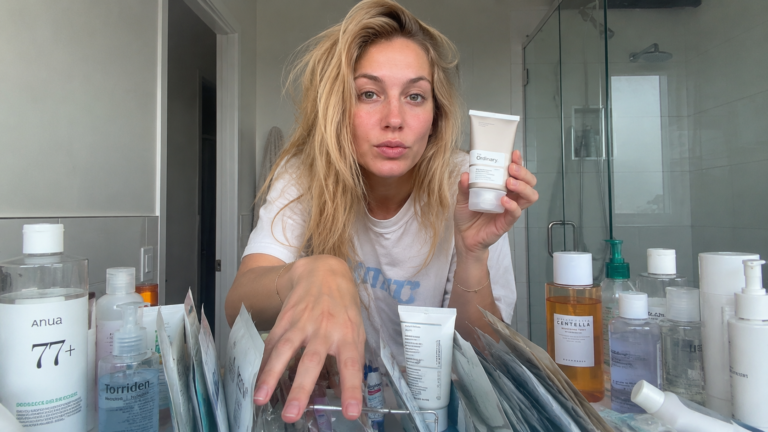
Editorial image — January 2026
There is a particular exhaustion that comes with acne-prone skin — not just the breakouts, but the endless search for something that won’t irritate, inflame, or compromise your skin barrier in the process of trying to help it.
Hypochlorous acid kept appearing in the quieter corners of skincare conversations — not in loud before-and-after content, but in threads where people with reactive, complicated skin were asking careful questions. That felt meaningful. So I committed to 30 days, kept my routine otherwise unchanged, and took careful notes.
What follows is what I actually found — including where the ingredient fell short. This is not a transformation story. It is a careful, honest one.
The Ingredient
What Hypochlorous Acid Actually Is
Hypochlorous acid — often written as HOCl — is a compound your own immune system produces naturally. When the body detects a pathogen, white blood cells called neutrophils generate HOCl as part of their antimicrobial defense. In clinical settings, it has been studied for decades.
In skincare, it’s synthesized through electrolysis — passing an electrical current through a saline solution. The result is a stable, dilute solution with a pH close to that of healthy skin, typically between 4.5 and 6. It carries an established history in dermatology and ophthalmology: wound care, post-procedure recovery, and eyelid hygiene in conditions like blepharitis. Its arrival in the consumer beauty market as a facial spray is a relatively recent development.
One important distinction worth stating clearly: hypochlorous acid is not bleach. Sodium hypochlorite — the active compound in household bleach — is a chemically different molecule at a dramatically higher concentration and alkaline pH. The comparison tends to generate unnecessary alarm and misrepresents what HOCl actually is in a skincare context.
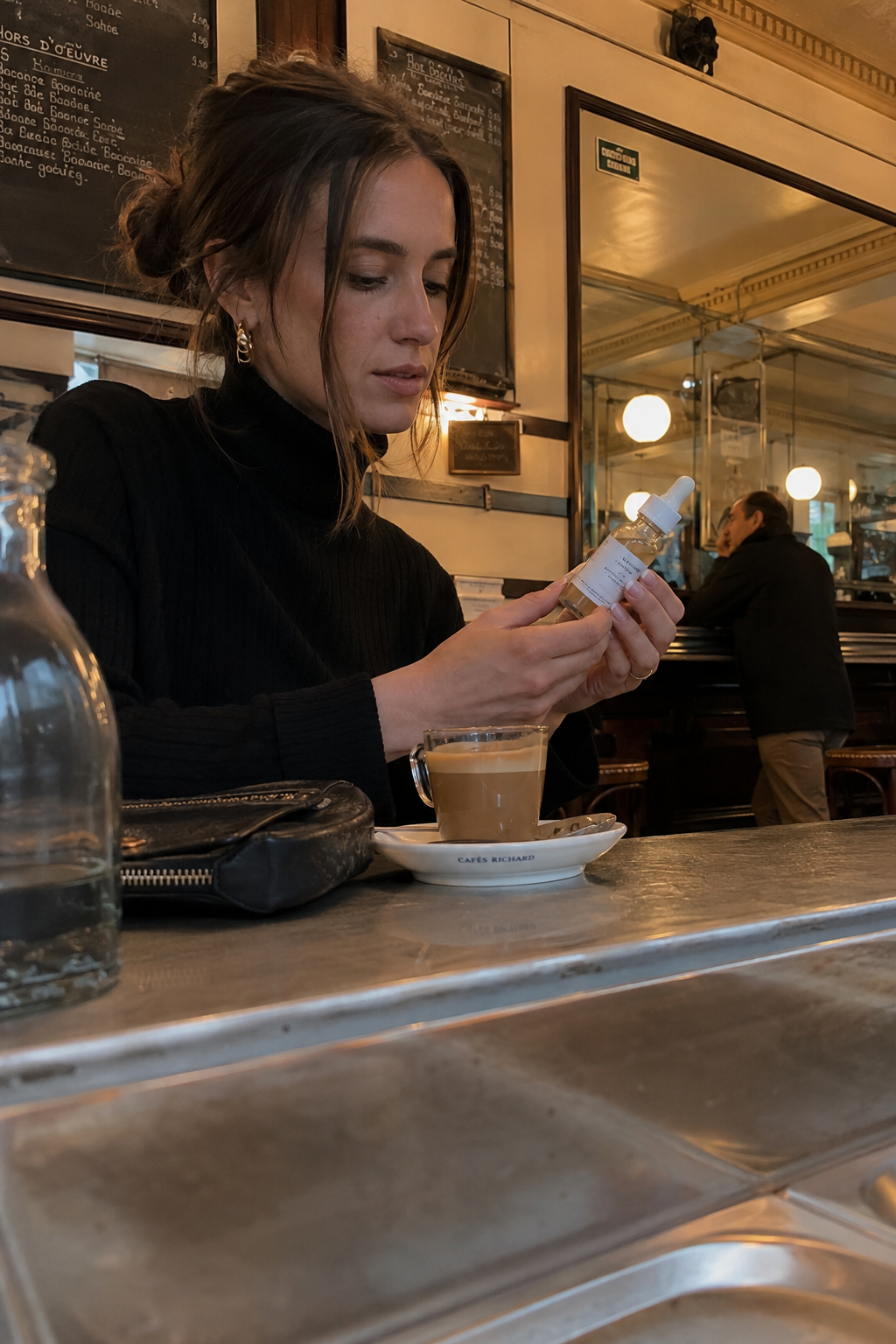
The science behind HOCl — January 2026
“HOCl is one of the few antimicrobial agents the human body already produces — which partly explains why it tends to be so well tolerated, even on sensitized skin.”
Editorial Note — Not a Clinical Claim
Context
Why It Became Popular
The timing is not accidental. As the minimalist skincare movement matured, a particular type of consumer emerged: someone who had tried every salicylic acid serum, every niacinamide formula, every retinoid — and ended up with skin that was simultaneously breaking out and sensitized. The routine itself had become the problem.
Hypochlorous acid offered something genuinely different: an ingredient with a clinical provenance, reformulated for daily use. It was already approved for use after laser procedures. It had been applied around the delicate eye area for years. That history carried weight — particularly for people tired of experimenting with harsh actives.
Interest accelerated through 2024 and into 2026 as more brands formulated it into accessible, fragrance-free sprays. Dermatologists began mentioning it — not as a miracle, but as a low-risk addition for specific concerns. In a landscape saturated with overstatement, that measured endorsement felt refreshingly honest. It’s precisely the kind of ingredient that suits someone with a sensitive skin routine who is wary of adding anything too aggressive.
The Science
How It Works on Skin
HOCl works primarily through its antimicrobial mechanism: it disrupts the cell membranes of certain bacteria, reducing their presence on the skin’s surface. In the context of acne, the bacterium most often discussed is Cutibacterium acnes (formerly Propionibacterium acnes), which contributes to inflammatory acne lesions when it proliferates inside clogged follicles.
Beyond its antimicrobial action, some published research — including work cited in PubMed-indexed journals — has explored HOCl’s capacity to modulate inflammatory pathways. This is a meaningful distinction, because it’s the inflammation driving much of acne’s visible severity: the redness, the swelling, the raw, reactive appearance of active breakouts. Calming that response, even modestly, can shift how skin looks and feels day to day.
Understanding the boundaries of what HOCl does — and doesn’t do — matters enormously here. It does not exfoliate the way salicylic acid does. It is not a retinoid. It does not regulate sebum production at a hormonal level. If you are managing hormonal acne, the root cause lies upstream of what a topical antimicrobial spray can address.
It does not unclog pores. It does not regulate oil. What it may do is quietly reduce the bacterial and inflammatory burden on the skin’s surface — and sometimes, that is exactly what a sensitized complexion needs most.
Candidacy
Who May Benefit — and Who Should Be Careful
Skincare is never universal, and HOCl is no exception. Based on its mechanism and the current state of the evidence, here is a reasonable overview of who might find it useful — and where caution is warranted.
May Be Worth Trying
- Sensitive skin that reacts to most actives
- Mild to moderate inflammatory acne
- Compromised or irritated skin barrier
- Post-procedure skin (on dermatologist advice)
- Those wanting a gentle antimicrobial step
- Minimalist routines with few active ingredients
Approach With Caution
- Severe nodular or cystic acne (requires medical care)
- Known chlorine sensitivity
- Those expecting a replacement for prescribed treatments
- Anyone on a specific dermatologist protocol
- Expecting dramatic results within days
If you have persistent or severe acne, a consultation with a board-certified dermatologist — particularly one who follows guidance from the American Academy of Dermatology — will always be more valuable than any ingredient experiment, including this one.
The Experiment
My 30-Day Routine, Week by Week
For context: I have combination-oily skin with a long history of hormonal breakouts concentrated along the chin and jawline. My baseline routine was deliberately minimal — a gentle cleanser, an unfragranced moisturizer rich in ceramides, and SPF. I added HOCl as a fine mist immediately after cleansing, morning and evening. Nothing else changed for the entire 30 days.
Week One — Very Little Drama
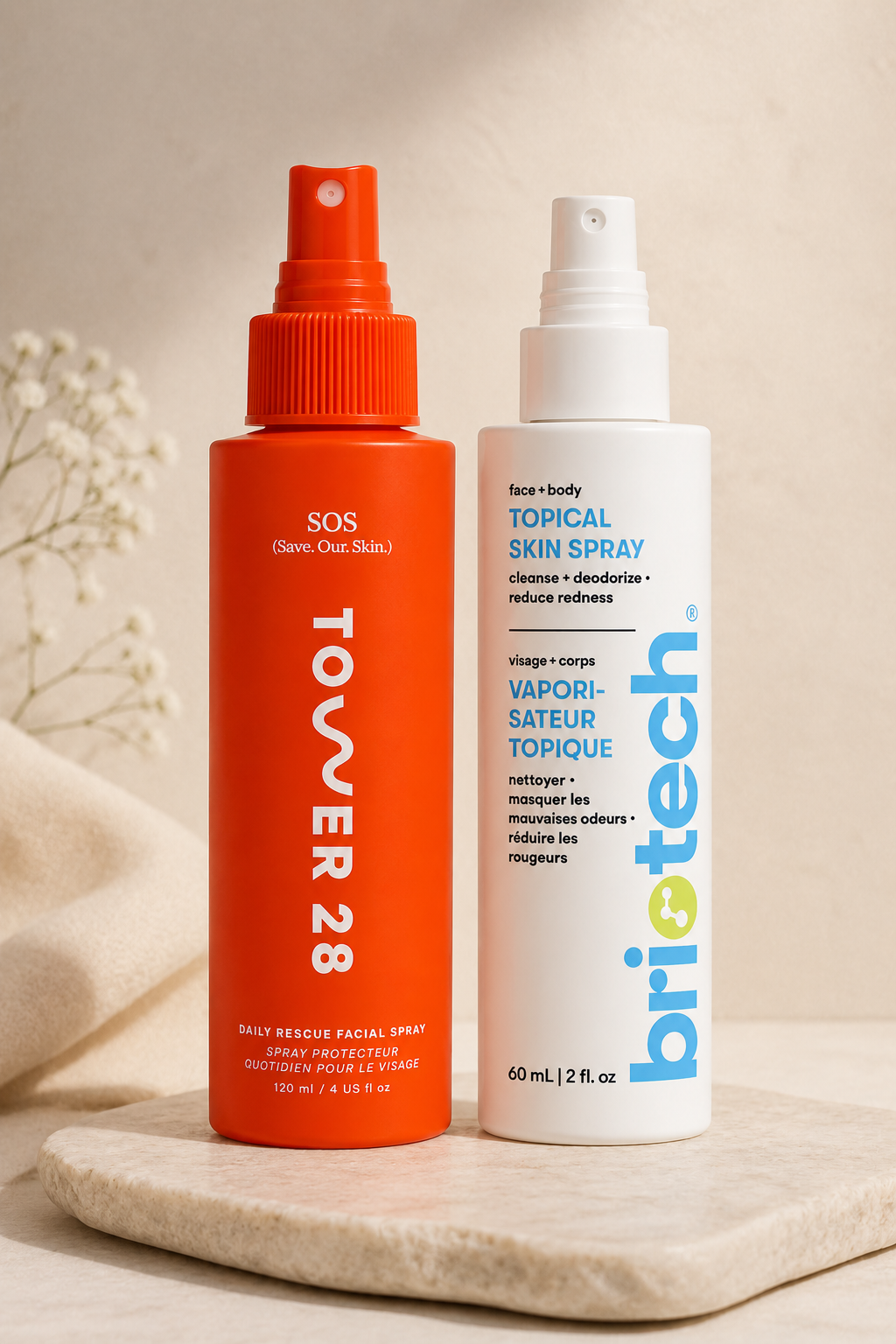
The first thing I noticed was what didn’t happen: no burning, no tingling, no redness. It dried within seconds, left nothing on the skin, and had a faint, neutral scent that was gone almost immediately. My skin simply felt clean — not stripped, not irritated, just quiet.
Visible change to my acne? None — which I had fully expected. One week is not enough time to evaluate any skincare ingredient fairly. What I did note: the two active spots I started with did not worsen, and the surrounding skin showed no adverse reaction to the new addition. A neutral first week is, in its own way, a good sign.
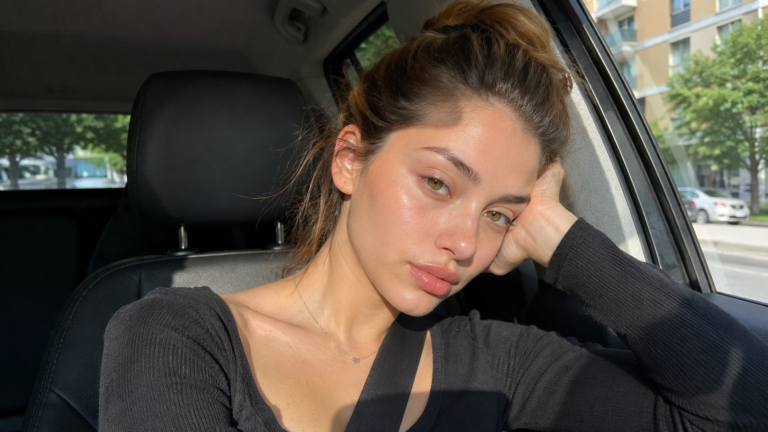
Week one — first observations, January 2026
Week Two — A Subtle Shift
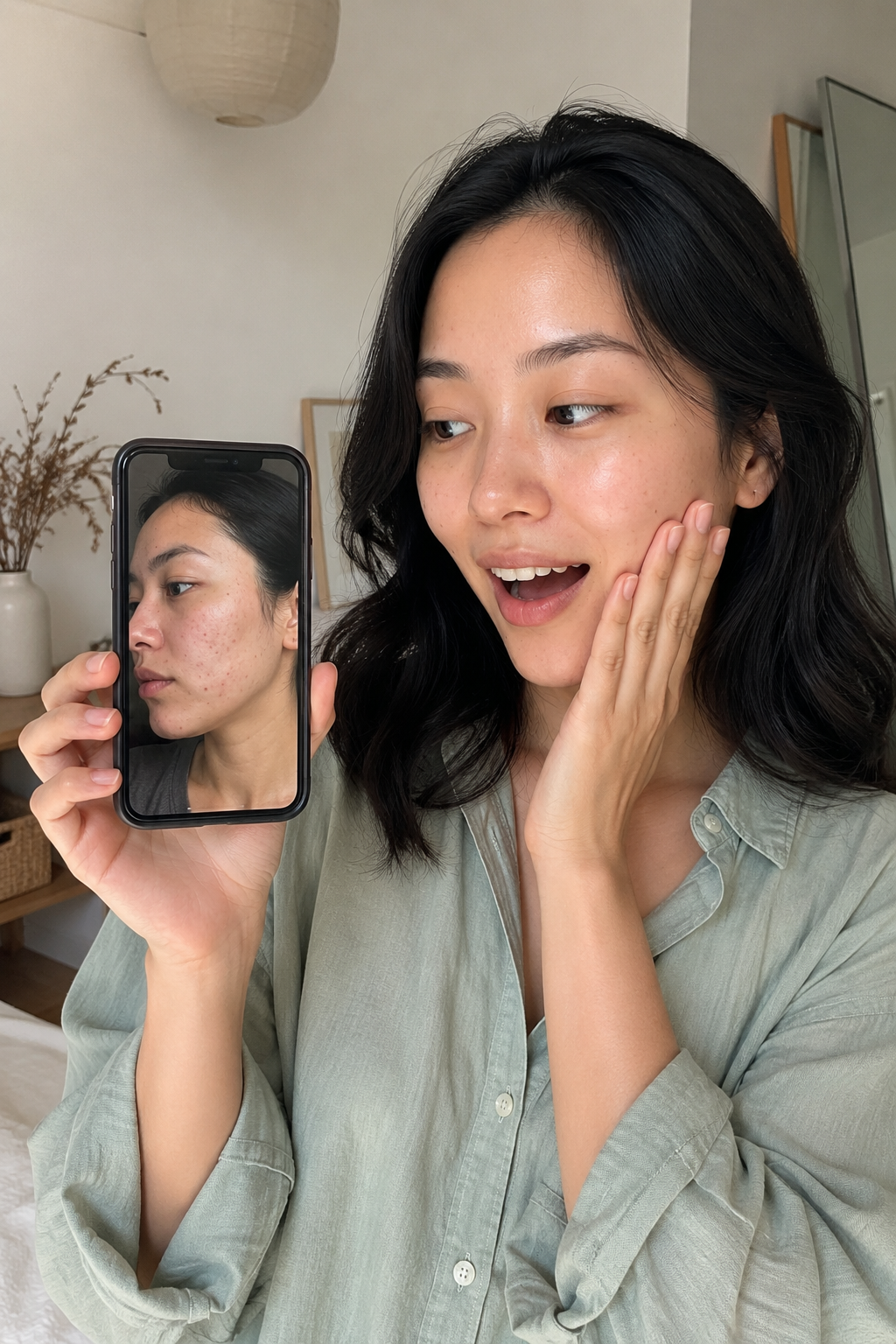
By day ten, I noticed something I hadn’t been expecting: the redness around my existing breakouts appeared calmer. The blemishes themselves hadn’t disappeared, but they looked less inflamed — less of that angry, raised quality that makes acne so visible in any light.
I want to be careful here. The nature of personal skincare trials means I cannot attribute this change definitively to HOCl. Variables like stress, sleep, and diet were not controlled. What I can say is that my routine had not otherwise changed, and the calmer appearance was real and consistently observable across several days.
Week Three — The Clearest Week
Week three coincided with my most reactive hormonal window. In previous months, I would reliably develop three to five new breakouts along the chin during this period. This time, I developed one — smaller than usual, and it resolved noticeably faster than I’ve come to expect.
One person, one month, no control group. I am not claiming causation. But the difference was logged, observed across several days, and felt worth sharing — neither inflated into a miracle nor dismissed as irrelevant coincidence.
Week Four — Settling Into Normal
The final week brought no dramatic revelations. My skin was in a reasonably good state — not transformed, but calmer than my baseline. The HOCl spray had become routine in the most literal sense: a quick mist between cleansing and moisturizing, adding almost no friction to the process.
By day 30, I had not experienced any new sensitivities, increased dryness, or adverse reactions. For skin as reactive as mine — skin that has recoiled from benzoyl peroxide and stung on contact with certain retinol formulas — that felt genuinely significant.
Week-by-week documentation — editorial illustration, January 2026
Honest Assessment
What Changed — and What Didn’t
After 30 days, here is an honest accounting of what shifted, what stayed the same, and what this ingredient is — and isn’t — capable of delivering for acne-prone skin.
What I Noticed
Reduced visible redness around active breakouts. Not elimination — reduction. The inflammatory redness that makes acne feel so consuming was visibly quieter by weeks two and three.
A quieter hormonal breakout week. Fewer new blemishes than I typically develop during this cycle, and faster resolution of the ones that appeared.
Zero irritation across 30 days. No stinging, no dryness, no purging. For someone with a compromised skin barrier, this consistency is genuinely meaningful.
The routine felt lighter overall. One effortless step made the entire process feel more sustainable — which matters for long-term consistency.
What It Did Not Do
It did not clear my acne. Breakouts were still present throughout. The character of those breakouts shifted; their presence did not.
No visible improvement to skin texture or pore appearance. Those concerns require exfoliation, not antimicrobial action.
No effect on post-inflammatory hyperpigmentation. The dark marks that linger after acne require targeted ingredients — azelaic acid, vitamin C, or a carefully introduced retinoid — and were untouched by HOCl alone.
It did not replace any other step. Cleansing, moisturizing, and SPF remained non-negotiable throughout.
Quick Reference
Pros
- Extremely gentle formulation
- Fragrance-free options widely available
- Takes seconds to apply
- Established clinical history
- Compatible with most skincare actives
- Very low irritation potential
Cons
- Not a standalone acne treatment
- Results modest and highly individual
- Limited large-scale RCT evidence for acne
- No effect on PIH, texture, or pores
- Requires consistent use to assess fairly
Products We Researched
HOCl Products Worth Considering
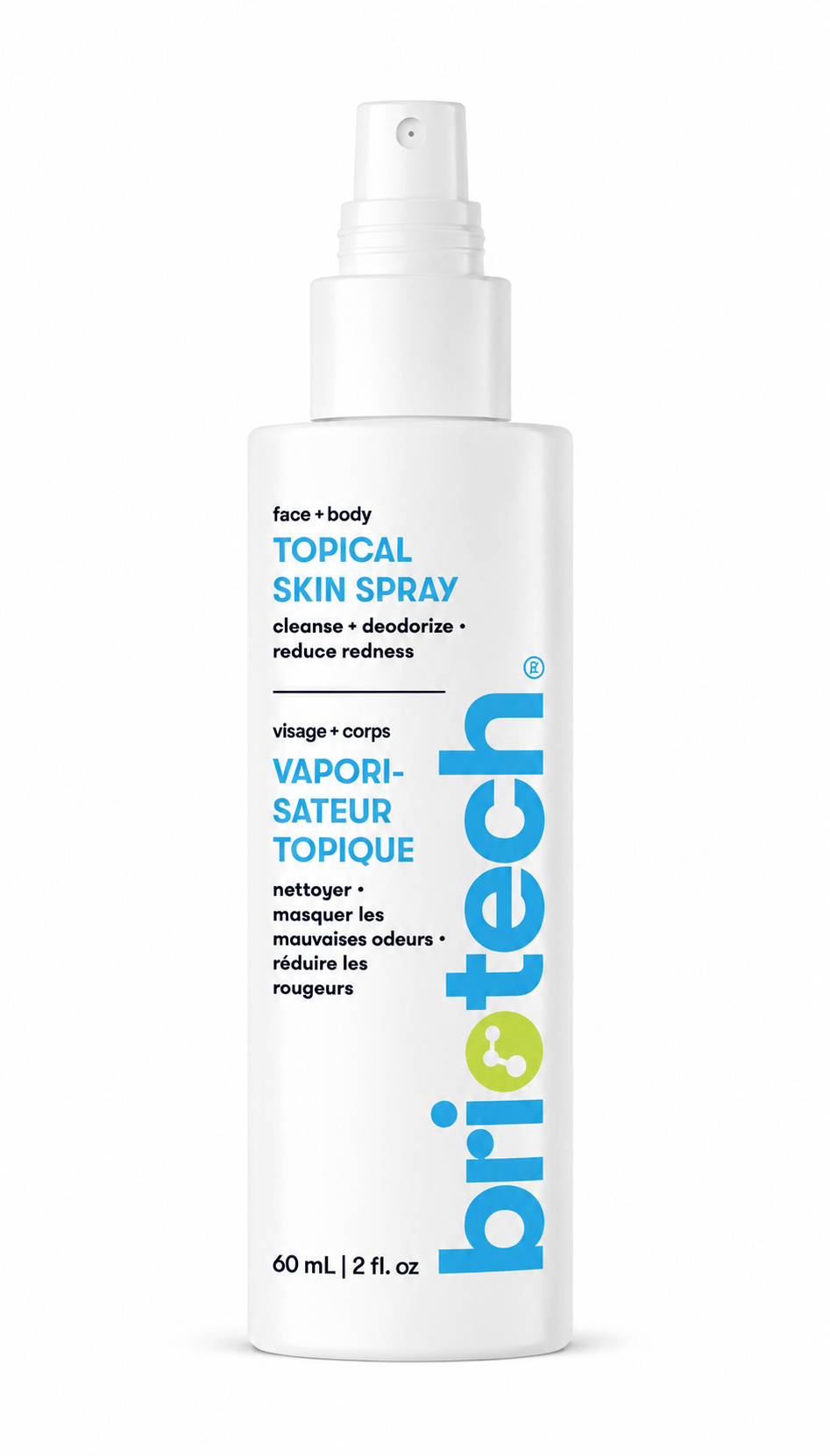
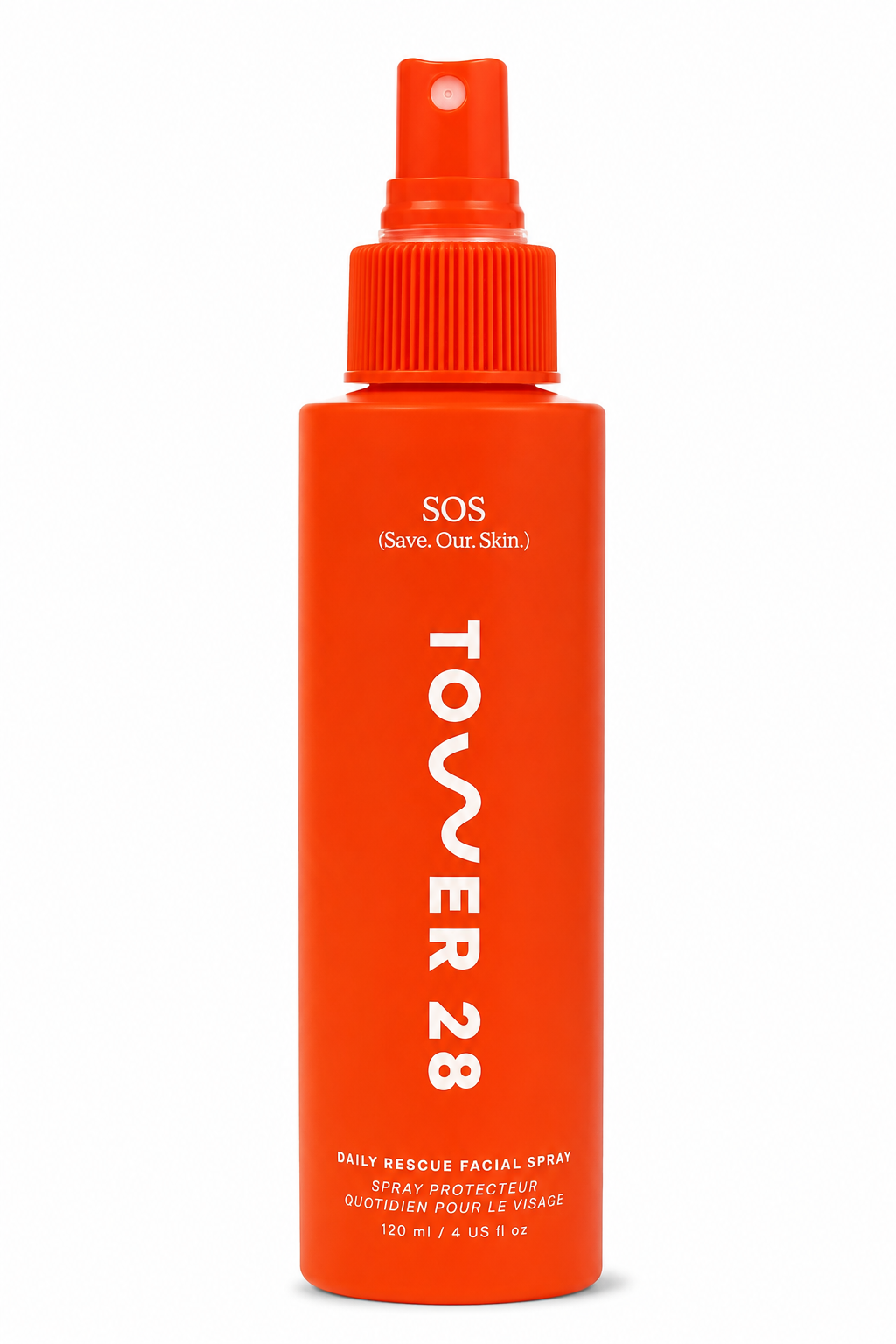
If you decide HOCl is worth adding to your routine, formulation quality matters significantly — concentration, pH stability, and packaging all affect the ingredient’s efficacy over time. The products below were selected based on formulation transparency, fragrance-free status, and general reputation within dermatology-adjacent communities. These links are affiliate links. If you purchase through them, we may earn a small commission at no extra cost to you.
Disclosure: As an Amazon Associate, Glowing Skin Hub earns from qualifying purchases. This does not influence our editorial assessment or the honesty of our content.

Day 30 — final observations, January 2026
Free Resource
GET FREE Skin Barrier Reset Guide PDF
Everything you need to rebuild and protect a sensitized skin barrier — ingredient by ingredient, step by step. Curated for acne-prone and reactive skin types.
Research
What the Research Actually Shows
It’s worth being direct: the clinical evidence base for hypochlorous acid as a consumer acne treatment is promising but limited in scale. Most robust research surrounds its use in wound care and surgical settings, where its antimicrobial efficacy is well established across multiple peer-reviewed studies indexed in PubMed. Extending those findings to everyday skincare for acne requires careful nuance.
Published research has demonstrated that HOCl can reduce Cutibacterium acnes populations on the skin’s surface. A study published in the Journal of Drugs in Dermatology examined HOCl in the context of rosacea — a condition with overlapping inflammatory characteristics — and found some benefit for reducing visible redness, though rosacea and acne vulgaris remain distinct conditions with different underlying pathophysiology.
Its ophthalmological use — for eyelid margin hygiene in blepharitis — is better studied and widely accepted in clinical practice. This gives dermatologists reasonable confidence in its safety profile, even where the acne-specific evidence base remains thinner than one might hope.
Evidence Summary
HOCl has a well-documented antimicrobial profile in clinical settings. Its application to acne-prone consumer skincare is supported by mechanism and limited early-stage research — but it has not yet been validated in large-scale randomized controlled trials specifically targeting acne vulgaris. Promising does not equal proven, and that distinction matters.
This doesn’t diminish its usefulness — it simply clarifies its appropriate role. HOCl belongs as a gentle supportive step, not a primary treatment. For moderate to severe acne, evidence-based prescriptions — topical retinoids, azelaic acid, or isotretinoin where clinically indicated — remain far more rigorously studied and reliably effective. The American Academy of Dermatology’s acne guidelines reflect this hierarchy clearly.
Clarity
Common Myths, Addressed
HOCl has generated both enthusiasm and skepticism in equal measure, much of it rooted in incomplete information. These are the most common misconceptions — and the more accurate picture.
“It’s basically bleach on your face.”
Chemically inaccurate. Household bleach is sodium hypochlorite — a different molecule with a dramatically different pH and concentration. HOCl in skincare is formulated at near-physiological pH and at concentrations far too low to behave the way bleach does. The comparison creates alarm without scientific foundation.
“It will clear acne completely.”
This sets unfair and unsupported expectations. Acne is a multifactorial condition involving sebum production, follicular keratinization, bacterial activity, and inflammation. HOCl may address the bacterial and inflammatory components modestly. It is not a cure, and presenting it as one underserves anyone who is genuinely struggling.
“More applications means better results.”
Applying HOCl multiple times throughout the day has not been shown to improve outcomes and may contribute to mild dryness over time. Twice daily is sufficient for most formulations. More is rarely better in skincare — this ingredient included.
“It disrupts the skin microbiome irreversibly.”
The net effect of consumer HOCl formulations on the skin’s broader microbial ecosystem is still being studied. The concentrations used in skincare are substantially lower than those used in clinical sterilization, and current evidence does not support the claim that typical daily use causes lasting microbiome disruption.
Guidance
Mistakes to Avoid
Based on the month I spent using HOCl and the broader landscape of how people integrate new ingredients into sensitized routines, these are the missteps most likely to undermine your trial before it’s fairly begun.
Changing multiple things at once
Introducing HOCl alongside new serums, a new cleanser, or a change in diet makes it impossible to isolate what is or isn’t working. Isolate the variable. One change at a time.
Expecting visible results within the first two weeks
The skin’s cellular turnover cycle is approximately 28 days. Any assessment made before that window closes is premature. Patience here is not just a virtue — it’s scientifically relevant.
Using it as a cleanser substitute
HOCl is not formulated to remove SPF, makeup, or significant sebum buildup. Skipping proper cleansing and relying on the spray is a shortcut that will not serve your skin — or your results.
Overlooking formulation quality
HOCl is inherently unstable — it degrades when exposed to light and air. Not all products are formulated with equivalent care. Opaque, tightly sealed packaging matters. Concentration and pH matter. Check both before committing.
Substituting it for professional care
If acne is significantly affecting your quality of life, an ingredient experiment is not a substitute for a dermatologist consultation. HOCl may complement a well-designed routine — but it cannot replace the kind of targeted, evidence-based treatment that a clinician can provide.
Final Guidance
Who Should Try It — and Who Probably Shouldn’t
A Good Candidate
You have mild to moderate acne, your skin is sensitized or reactive to most actives, and you’re looking for a low-risk supplementary step. You understand it won’t work miracles, and you’re willing to give it a genuine 30-day trial without altering anything else in your routine.
Not the Right Fit
You have severe or cystic acne that hasn’t responded to over-the-counter care, you’re already under a dermatologist’s prescribed regimen, or you’re expecting one ingredient to definitively resolve a complex skin condition. In those cases, your time and energy are better invested in professional guidance.
Questions
Frequently Asked Questions
What is hypochlorous acid in skincare? +
Hypochlorous acid (HOCl) is a mild antimicrobial compound naturally produced by white blood cells as part of the immune defense system. In skincare, it is synthesized through electrolysis of a saline solution and formulated into dilute sprays or toners, primarily used for their gentle cleansing and potential skin-calming properties.
Does hypochlorous acid actually help acne? +
Some individuals with acne-prone skin report reduced redness and fewer surface breakouts with consistent use. Research suggests HOCl may help reduce Cutibacterium acnes on the skin’s surface. However, it is not a proven acne treatment, results vary significantly between individuals, and it should not replace dermatologist-recommended care for moderate or severe acne.
Is hypochlorous acid safe for sensitive skin? +
HOCl is generally considered very gentle and well-tolerated, including on sensitive skin. Its near-neutral pH and biological familiarity contribute to its favorable tolerability profile. Formulation quality varies between brands, and anyone with a diagnosed skin condition should consult a dermatologist before introducing new products.
Can I use hypochlorous acid every day? +
Most formulations are designed for daily or twice-daily use. More frequent application is unlikely to improve outcomes and may contribute to mild dryness over time. Starting with once-daily use and monitoring how your skin responds over several weeks is a sensible approach before adjusting.
Does hypochlorous acid replace a cleanser? +
No. HOCl sprays are not formulated to remove sunscreen, makeup, or significant sebum buildup. They function best as a supplementary step between cleansing and moisturizing — not as a replacement for thorough cleansing, which remains foundational to any effective skincare routine.
How long does it take to see results from hypochlorous acid? +
Individual timelines vary considerably. Some people notice reduced redness or irritation within one to two weeks. Meaningful changes in breakout frequency generally require a minimum of four to six weeks of consistent use to assess fairly — which is why short trials often lead to premature conclusions about any skincare ingredient.
Can hypochlorous acid be used with retinol or chemical exfoliants? +
HOCl is generally considered compatible with most skincare actives, including retinol and salicylic acid, given its near-neutral pH. However, layering any active ingredients carries cumulative irritation risk. Introduce new products one at a time and observe your skin’s response carefully before combining.
Is hypochlorous acid the same as bleach? +
No. Household bleach contains sodium hypochlorite at a high concentration and strongly alkaline pH. Hypochlorous acid in skincare is a different chemical compound, formulated at trace concentrations and near-neutral pH. The two should not be conflated — the comparison misrepresents an ingredient that, at appropriate formulation, is generally well tolerated.
Where else is hypochlorous acid used beyond skincare? +
HOCl has well-established applications in ophthalmology (eyelid hygiene for blepharitis), wound care, and veterinary medicine. Its clinical history in these settings provides some confidence in its safety profile for topical use. Skincare formulations for the face should be used as directed — they are not equivalent to clinical-grade wound care preparations.
Conclusion
Evidence-Based Final Thoughts
Thirty days with one ingredient will not rewrite the story of your skin. But a month of thoughtful observation can tell you something true — and sometimes, that is more valuable than a dramatic before-and-after.
Here is what I believe, based on one month with hypochlorous acid and a careful reading of the available research: this is a genuinely gentle, historically well-tolerated ingredient with a plausible mechanism of action for acne-prone skin. It is not magic. It is also not meaningless.
For someone with sensitized, reactive skin who has exhausted more aggressive approaches and is looking for a low-risk antimicrobial and anti-inflammatory addition — HOCl is a reasonable thing to try. The wound care evidence is solid. The consumer skincare evidence is early but directionally promising. Individual responses will vary, and that is not a failure of the ingredient or of you.
What I carry forward from this experiment is not certainty, but something more useful: a clearer sense of how my skin behaves when I reduce friction rather than layer on more actives. If you’re similarly inclined toward simplicity — if you’ve read up on niacinamide and found it wasn’t the answer, or tried benzoyl peroxide and found it too harsh — HOCl may represent a quieter middle path worth exploring.
HOCl continues to have a place in my routine — not as a hero ingredient, but as a quiet, reliable part of a simpler approach. And for skin that has been through a lot, quiet reliability is not nothing.
Medical Disclaimer
This article is intended for general educational and informational purposes only. It does not constitute medical advice, diagnosis, or treatment. The author is not a dermatologist or licensed medical professional. The personal experience described reflects one individual’s response to one ingredient over 30 days and should not be interpreted as a clinical result or guarantee of similar outcomes for others. Skincare responses vary considerably between individuals based on skin type, health status, genetics, existing conditions, and many additional factors. If you have persistent, severe, or medically significant skin concerns, please consult a board-certified dermatologist or qualified healthcare provider. Do not discontinue or alter any prescribed treatment based on content read in this or any other editorial article.
Free Resource
GET FREE Skin Barrier Reset Guide PDF
A step-by-step guide to rebuilding a sensitized skin barrier — ingredient by ingredient, routine by routine. Written for acne-prone and reactive skin types who want evidence, not hype.
Keep Reading
More Honest Skincare Experiments
Published January 2026 · Educational Content · Evidence-Based
Skincare · Acne