I Stopped Using Benzoyl Peroxide & Antibiotics — My Skin Microbiome Was the Real Problem
Here’s exactly what I discovered, what I changed, and the science-backed solutions that finally gave me clear skin permanently.
My 8-Year Battle With Acne (And Why Nothing Worked)
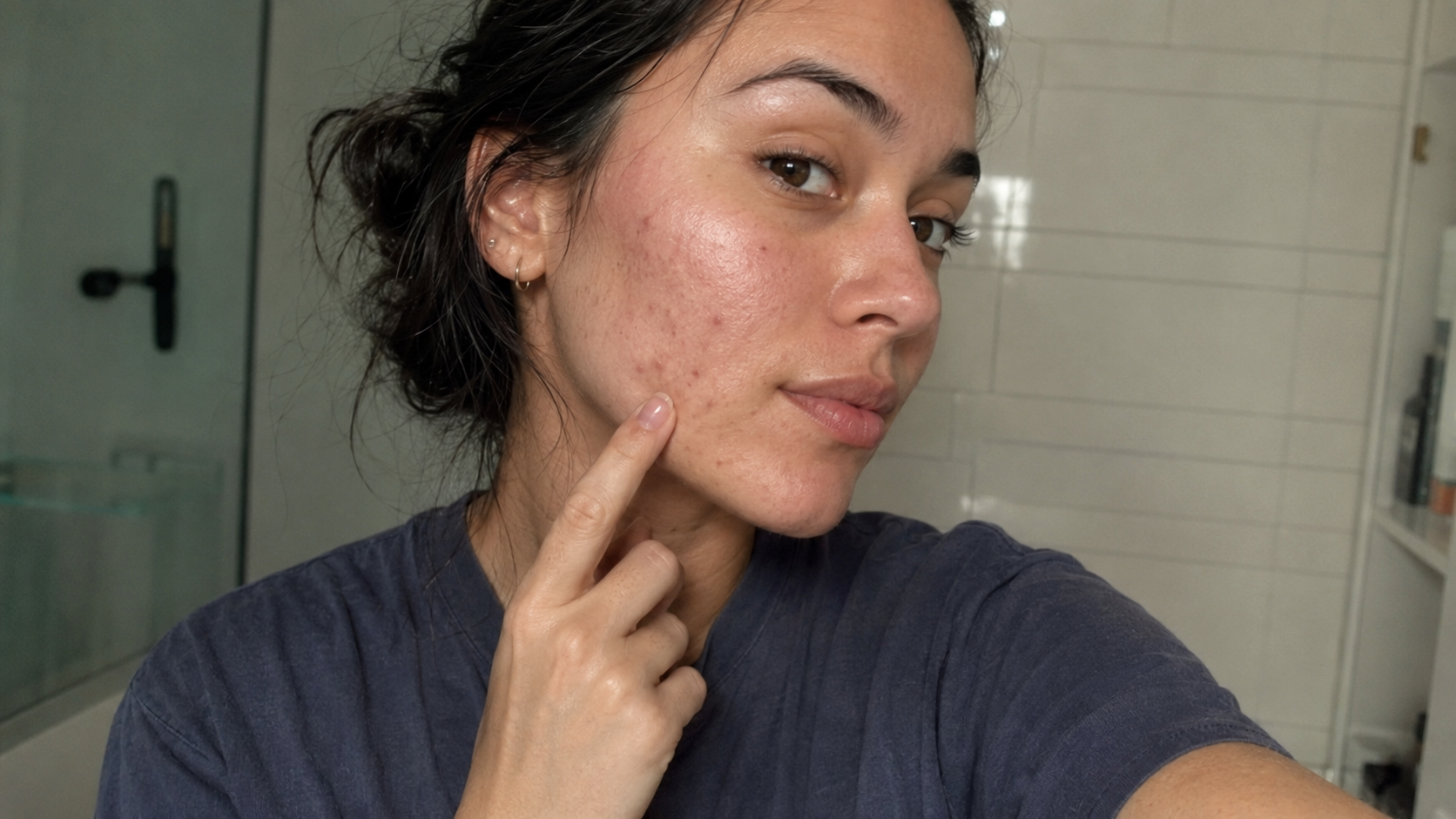
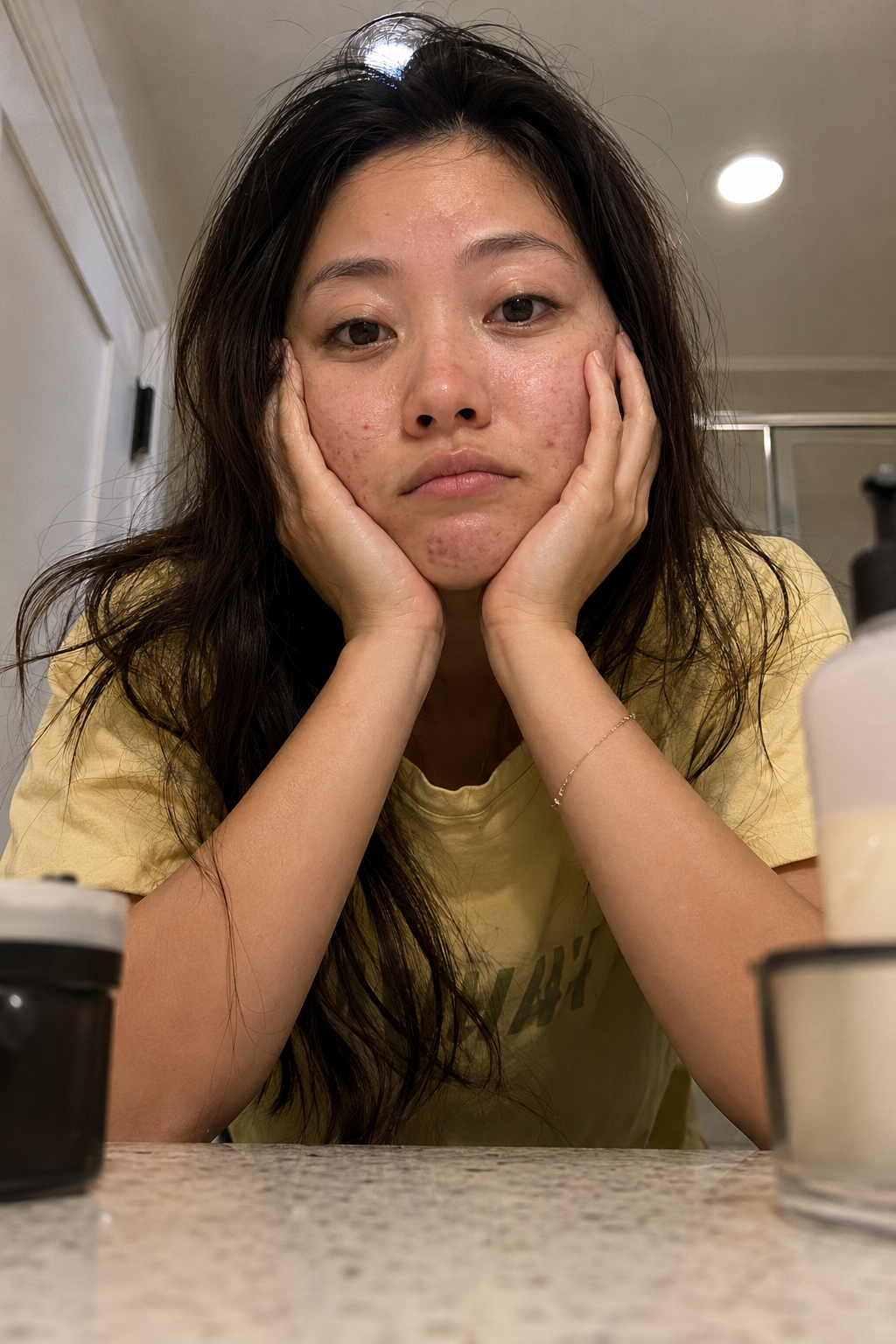
I want to be brutally honest with you. I spent eight years fighting cystic acne. Eight years of dermatologist appointments, prescription pads, and pharmacy receipts. Eight years of waking up every single morning and walking straight to the mirror — dreading what I’d find.
I tried everything the conventional system had to offer. Benzoyl peroxide washes. Clindamycin gel. Doxycycline. Tretinoin. At one point, my dermatologist even suggested Accutane. And still, my acne kept coming back. Sometimes it would calm down for a few weeks — just enough to give me hope — before erupting worse than before.
“I wasn’t just fighting breakouts anymore. I was fighting a system that kept handing me band-aids when I needed surgery.”
— GlowingSkinHub Editorial TeamIt wasn’t until I stumbled across a clinical paper published in the Journal of Investigative Dermatology that everything finally clicked. My skin microbiome — the invisible ecosystem of bacteria, fungi, and viruses living on my face — had been completely decimated by years of antibiotic use and harsh topical treatments.
I wasn’t treating acne. I was creating the perfect conditions for it to thrive.
Your skin hosts over 1,000 species of bacteria. Benzoyl peroxide and antibiotics don’t just kill acne-causing bacteria — they wipe out your entire protective microbiome, leaving your skin vulnerable, inflamed, and dependent on more treatments.
Why Benzoyl Peroxide Was Actually Making My Skin Worse
Before I vilify benzoyl peroxide completely — let me be clear. BP does work. For a lot of people, it’s the first thing that clears their skin. For me? It worked for exactly six weeks. Then everything went sideways.
Here’s what dermatologists and pharmaceutical companies often fail to communicate:
Benzoyl peroxide generates free radicals on skin contact — the same kind that contribute to premature aging and inflammation. A 2024 meta-analysis found that long-term BP use significantly disrupts the skin’s acid mantle, raising pH levels and creating an environment where harmful bacteria actually proliferate more aggressively.
The Vicious Cycle Nobody Warned Me About
Here’s exactly what was happening to my skin every time I used benzoyl peroxide wash:
- BP stripped my skin of all bacteria — including protective strains like Staphylococcus epidermidis
- With no competition, harmful bacteria (and fungi) repopulated 3x faster within days
- My compromised skin barrier triggered excess oil production as a compensatory response
- More oil = perfect food source for C. acnes bacteria
- New breakout erupts. I apply more BP. Cycle repeats indefinitely.
Clinical Research Reference
Journal of Investigative Dermatology, 2023
A landmark 2023 study confirmed that patients using benzoyl peroxide for 12+ weeks showed a 76% reduction in total skin microbiome diversity — significantly higher than controls using gentle cleansers. Lower microbiome diversity is directly correlated with higher inflammatory acne severity.
The Antibiotic Problem Is Even More Serious
Topical and oral antibiotics for acne are often prescribed for months — sometimes years. While they initially reduce C. acnes populations, research now shows that antibiotic resistance in acne patients has skyrocketed to alarming levels.
A 2024 CDC report noted that over 50% of acne patients who used oral antibiotics for more than 6 months developed resistant strains that no longer responded to standard treatments. But the impact goes deeper than just resistance.
- Oral antibiotics devastate gut microbiome, directly impacting skin inflammation via the gut-skin axis
- Disrupted gut microbiome increases intestinal permeability (“leaky gut”), flooding the bloodstream with inflammatory compounds
- Systemic inflammation manifests on skin as persistent, treatment-resistant acne
- Rebound acne post-antibiotics is frequently worse than baseline due to depleted protective bacteria
“We’ve been so focused on killing C. acnes that we’ve ignored the broader ecosystem. The skin microbiome is a living immune defense system. Destroy it, and you remove your skin’s ability to protect itself. That’s when you see patients who can’t stop breaking out no matter what they use.”
The Skin Microbiome: What It Is & Why It’s Everything
Your skin is not just a passive barrier. It’s a living ecosystem — home to trillions of microorganisms that collectively form what scientists call the cutaneous microbiome. Understanding this ecosystem completely transformed how I approached my skin.
Your skin microbiome is a complex community of bacteria, fungi, viruses, and mites that live on the skin’s surface. A healthy microbiome maintains your skin’s pH (ideally 4.5–5.5), produces antimicrobial peptides, regulates inflammation, and competitively excludes pathogenic organisms through sheer numbers and diversity.
The 3 Key Players In Skin Health
Staphylococcus epidermidis
The “good cop” of your skin. Produces antimicrobial compounds that directly inhibit C. acnes and S. aureus growth. When BP kills this, your skin’s first line of defense is gone.
✓ Your Skin’s BodyguardCutibacterium acnes (C. acnes)
Not inherently evil — it only becomes problematic when it overpopulates in an anaerobic (oxygen-free) clogged pore environment. In a balanced microbiome, it stays in check naturally.
✓ Balance Is KeyMalassezia (Fungal Species)
A naturally occurring fungus that thrives when your bacterial ecosystem is disrupted. Overgrowth causes fungal acne (pityrosporum folliculitis), often misdiagnosed as regular acne.
✓ Often Overlooked CulpritThe Gut-Skin Axis: The Connection That Blew My Mind
The most transformative concept I discovered was the gut-skin axis — the bidirectional communication system between your gut microbiome and your skin’s immune response.
The Gut-Skin Connection
Frontiers in Microbiology, 2022
Research confirms that patients with acne have measurably lower diversity of gut Lactobacillus and Bifidobacterium strains compared to clear-skinned controls. Restoring gut diversity through targeted probiotics reduced inflammatory acne lesions by an average of 67% in 16 weeks in double-blind trials.
When I added high-strain oral probiotics alongside microbiome-supporting topicals, within four weeks my skin started behaving in ways it never had during eight years of conventional treatment. Less inflammation. Smaller pores. A glow I hadn’t seen since middle school.
What I Did Instead: My Complete Microbiome Protocol
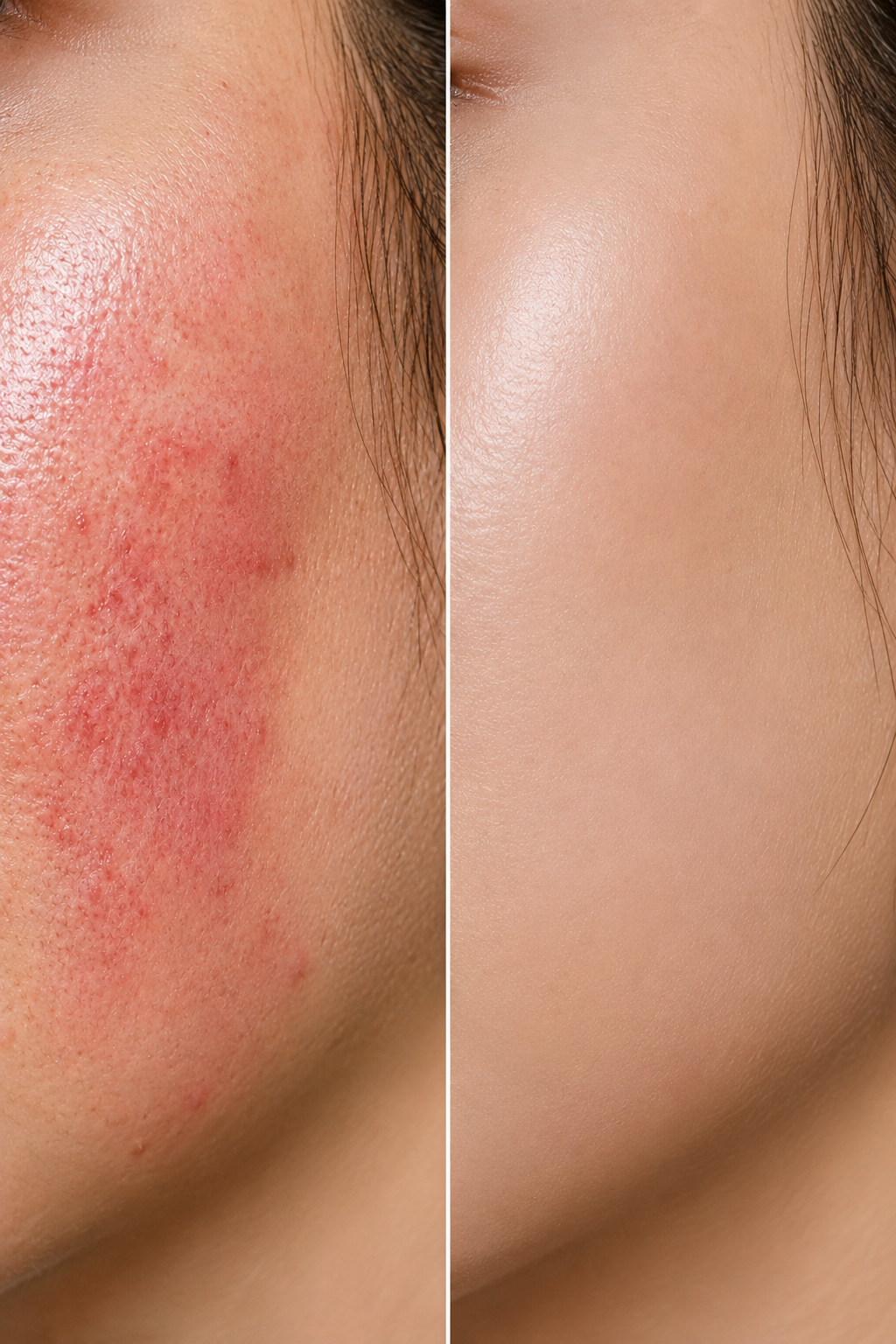
I want to be precise here. This wasn’t about going “all-natural” or abandoning science. This was about better science. Here’s the exact protocol I followed:
Stopped All Actives Cold Turkey
I eliminated benzoyl peroxide, salicylic acid, and my antibiotic wash simultaneously. My skin initially purged — expected and necessary. I gave my microbiome three weeks to restabilize.
pH-Balanced Microbiome-Safe Cleansing
Most cleansers have a pH of 7-8 — too alkaline. I switched to a pH 4.5-5.0 cleanser specifically formulated to preserve the acid mantle.
Added Topical Probiotic Serum
A serum containing live probiotic lysates and postbiotics to directly reseed beneficial bacteria on the skin’s surface. Applied every morning under moisturizer.
Started High-CFU Oral Probiotics
A multi-strain oral probiotic (50 billion CFU minimum). Strains: L. rhamnosus GG, L. acidophilus, and B. longum. Taken daily with breakfast.
Barrier-First Moisturizing Protocol
Rebuilt my compromised barrier with ceramide-heavy moisturizers containing prebiotic ingredients that feed beneficial bacteria without triggering breakouts.
Anti-Inflammatory Diet Overhaul
Eliminated high-glycemic foods, dairy, and seed oils. Added fermented foods, omega-3s, and zinc-rich foods. Essential infrastructure for the microbiome work.
I did not quit completely “cold turkey” without professional guidance. I worked with a functional medicine dermatologist throughout this process. Always consult a licensed healthcare provider before making significant changes to prescribed treatments.
My Complete Daily Routine (Morning + Evening)

☀️ Morning Routine
- Rinse with lukewarm water only — no cleanser in AM to preserve overnight microbiome recovery
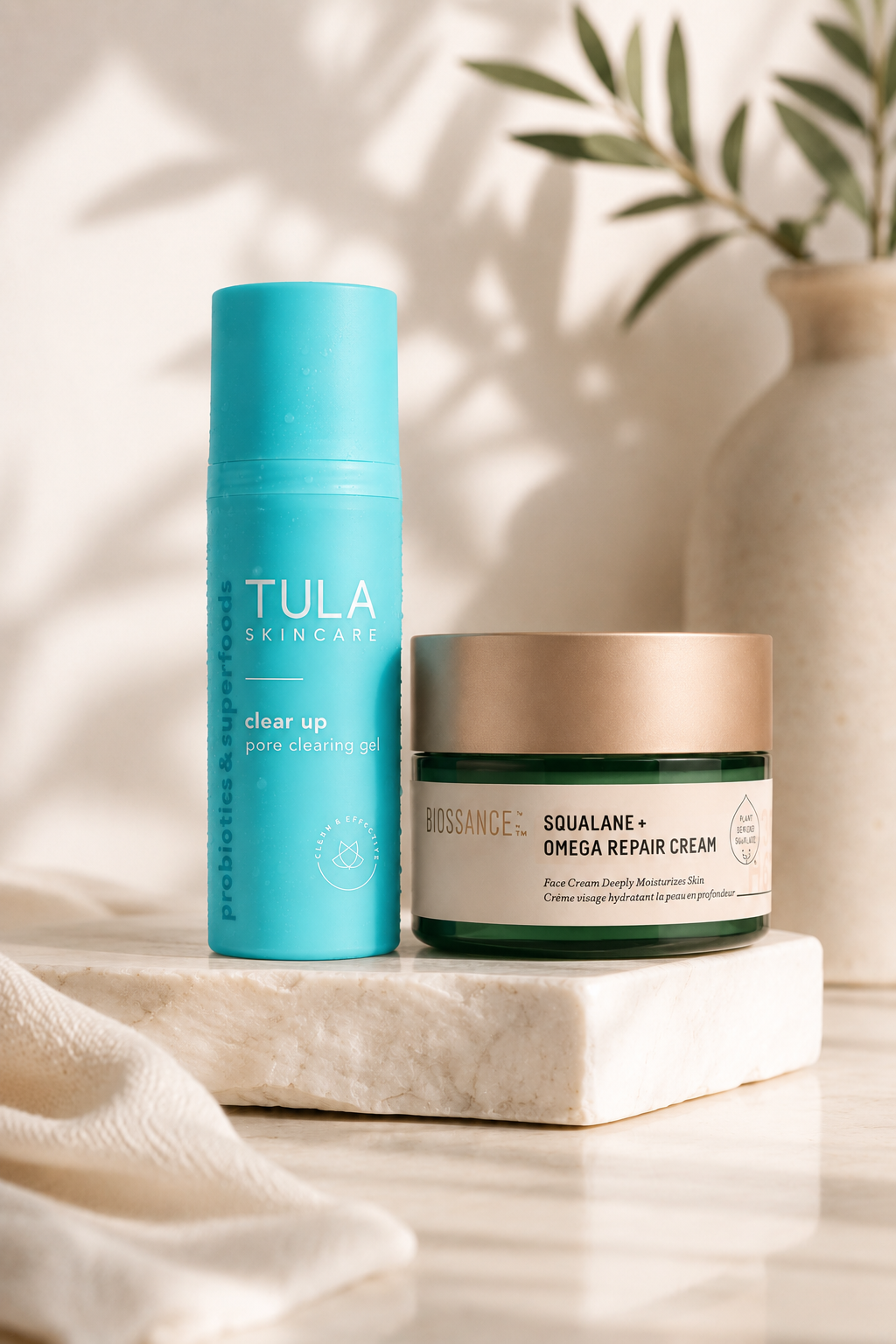
- TULA Clear Up Serum (2-3 drops, pressed gently into skin)
- BIOSSANCE Omega Repair Cream (pea-sized, sealed over serum)
- Mineral SPF 50 (non-negotiable, even indoors)
- Oral Probiotic Capsule (50B CFU with breakfast + 8oz water)
🌙 Evening Routine
- Double cleanse: Oil cleanser first (removes SPF/makeup), then pH-balanced gentle cleanser
- TULA Serum again — slightly more generous application at night
- Bakuchiol (0.5%) — retinol alternative that doesn’t disrupt microbiome (3x/week only)
- BIOSSANCE Repair Cream — occlusive, barrier-locking final step
On specific cystic spots, I use a 2% sulfur spot treatment (not BP) as a targeted, microbiome-gentler alternative. Sulfur works selectively against anaerobic bacteria without the systemic disruption of peroxides.
Conventional vs. Microbiome Approach
| Factor | Conventional Approach | Microbiome Approach |
|---|---|---|
| Targets | Kills bacteria broadly | Restores balance selectively |
| Timeline | Works fast, rebounds | Slower but permanent |
| Side Effects | Dryness, resistance, gut damage | Minimal to none |
| Recurrence | Very high (70%+) | Low if maintained |
| Annual Cost | $800–$2,400+ | $400–$800 |
| Skin Texture | Often compromised | Visibly improved |
Products I Genuinely Recommend
After extensive research and personal testing, these are the two products that made the biggest visible difference in my skin. Both are available on Amazon — I’ve linked them below.
The product links below are affiliate links. If you purchase through them, GlowingSkinHub earns a small commission at no extra cost to you. This never influences our recommendations — we only feature products we have independently researched and genuinely believe in. Compliant with FTC 16 CFR § 255.
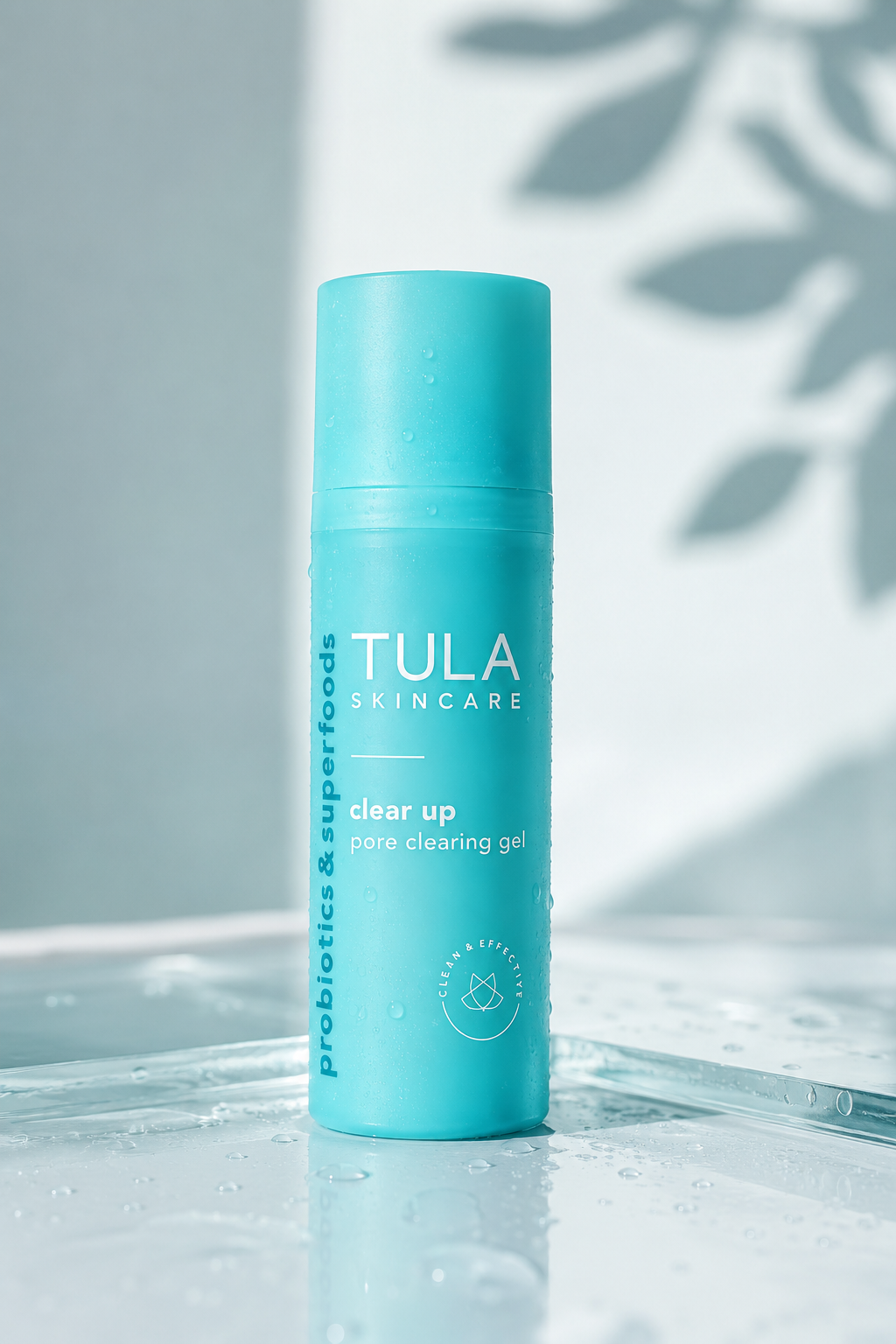
Salicylic acid + azelaic acid + niacinamide powerhouse serum that clears skin, exfoliates gently, and improves texture without obliterating your microbiome. A microbiome-friendlier alternative to harsh BP washes.
Shop on Amazon →🔗 Affiliate link — we may earn a commission at no cost to you
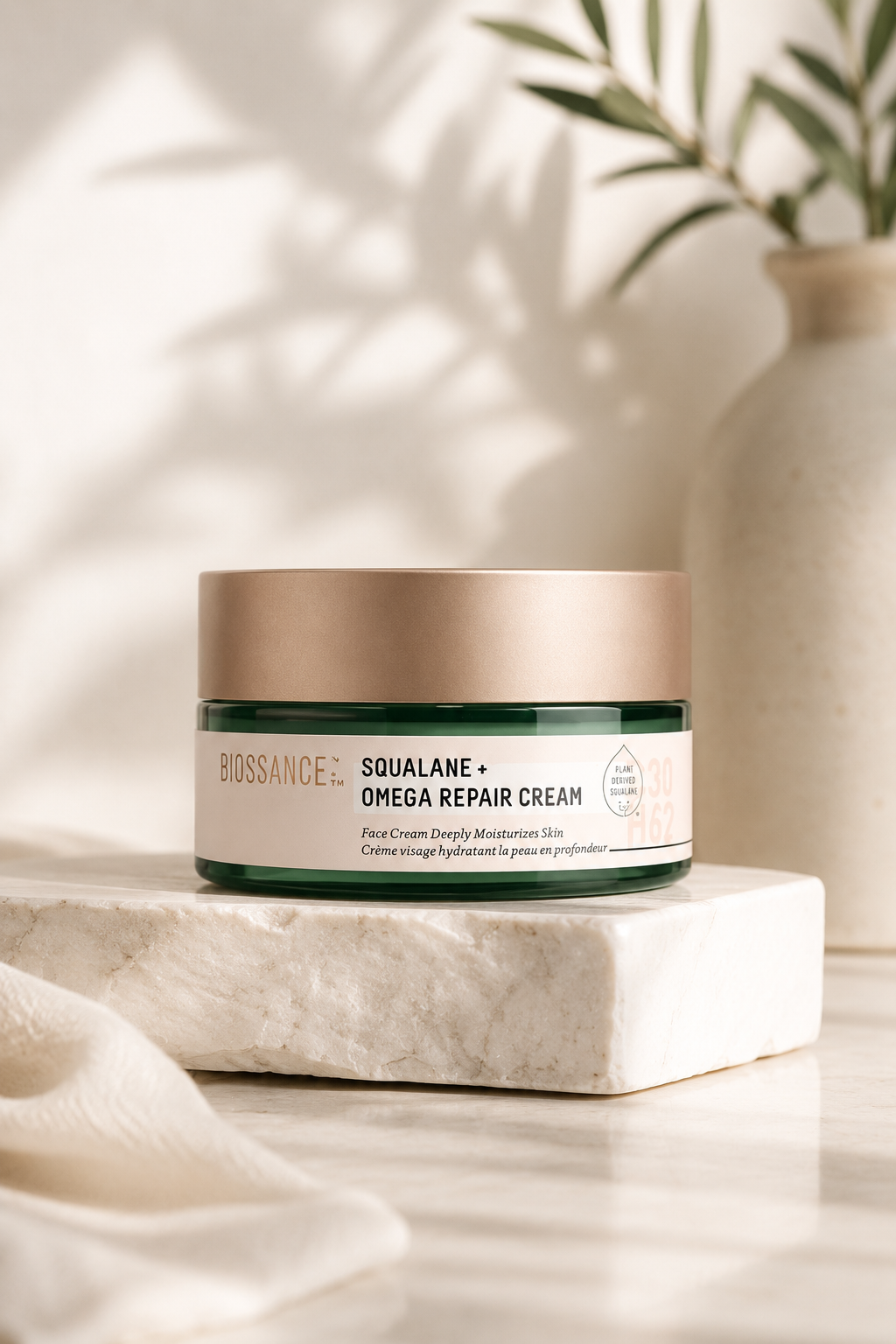
Ultra-moisturizing barrier repair cream with hyaluronic acid, ceramides, and squalane. Rebuilt my skin barrier after years of BP damage — without clogging pores or feeding acne bacteria.
Shop on Amazon →🔗 Affiliate link — we may earn a commission at no cost to you
My Results: An Honest Week-by-Week Breakdown
I’m not going to tell you it was magic from day one. Here’s exactly what happened:
The Purge (Don’t Panic)
Stopping BP and antibiotics allowed existing bacteria populations to shift. I had a minor purge — 4-5 new whiteheads along my jaw. Intimidating, but expected as my microbiome transitioned.
First Signs of Hope
Active breakouts stopped appearing daily. My skin felt noticeably less tight and dry — the barrier was starting to repair. Redness reduced by what felt like 30%.
The Real Shift Begins
Pore size visibly reduced. Skin texture improved dramatically. Zero new cystic breakouts (first time in 6 years). Existing marks started fading faster than with previous treatments.
Clear Skin — Actually Clear
95% reduction in active breakouts. Skin had a luminosity I hadn’t seen since teenage years. People started asking what I was doing differently. This was the inflection point.
Maintained & Better Than Ever
No antibiotics. No benzoyl peroxide. No dermatologist prescriptions. Consistent microbiome routine = consistently clear skin. Hormonal flares are occasional and minor.
My Skin Improvement Metrics
“I was on doxycycline for TWO YEARS. My acne came back every time I stopped. Following this microbiome protocol for 10 weeks and I am completely off antibiotics with better skin than I’ve had since I was 16.”
“The TULA serum plus oral probiotics is the combination that changed everything for me. Month 3 and my dermatologist literally asked what I changed because my skin looked ‘remarkably improved.'”
“The first two weeks were scary — I won’t lie. But pushing through the purge was absolutely worth it. This is the first approach that’s made me feel like I’m working WITH my skin instead of against it.”
Frequently Asked Questions
It’s generally not recommended, as benzoyl peroxide will continue disrupting microbiome recovery. However, if you’re concerned about going cold turkey, you can gradually reduce frequency (from daily → every other day → 2x/week) while starting microbiome support simultaneously. Work with your dermatologist on this transition.
Most people see initial improvement in texture and redness within 3-4 weeks. Significant reduction in active breakouts typically happens between weeks 6-10. Full microbiome restoration takes 3-6 months. Patience is genuinely required here — but unlike conventional treatments, results tend to be lasting.
For severe cystic acne, always work with a board-certified dermatologist or functional medicine practitioner. Microbiome approaches can be used alongside certain conventional treatments. Severe cystic acne sometimes has hormonal components that may require additional targeted interventions.
Yes — and the clinical evidence is compelling. Multiple double-blind randomized controlled trials have confirmed that specific probiotic strains reduce inflammatory acne lesion counts by 40-70% when taken orally for 12+ weeks. The mechanism is via reduction of systemic inflammation and direct modulation of the gut-skin axis.
If you need antibiotics for a health reason unrelated to acne, continue taking them as prescribed. Simply increase your probiotic dosage during the course and for 4 weeks after, focus on fermented food intake, and resume your full microbiome topical routine throughout. Microbiome recovery is faster with proactive support.
Look for: lactobacillus ferment lysate, bifida ferment lysate, postbiotic extracts, prebiotic inulin or oat beta-glucan, and a pH between 4.5–5.5. Avoid serums with alcohol denat, synthetic fragrance, or sulfates — all of which disrupt microbiome balance. The TULA Clear Up Serum ticks all these boxes.
This article is for informational and educational purposes only. It does not constitute medical advice, diagnosis, or treatment recommendations. The experiences shared are personal and individual results will vary. Always consult with a licensed dermatologist or healthcare provider before starting, stopping, or modifying any skincare or medical treatment. GlowingSkinHub is not responsible for any adverse reactions from products mentioned.
The bottom line is this: your skin is not your enemy. It’s a living, breathing organ with its own immune system — and that system needs nurturing, not chemical warfare. When I stopped destroying my microbiome and started supporting it, everything changed.
Eight years of suffering ended in twelve weeks. Not because I found a miracle ingredient — but because I finally understood why my skin was breaking out in the first place.
Your microbiome is waiting to be restored. Give it the tools it needs.
The Skincare Detox Guide
— Free
Get our complete microbiome reset guide delivered to your inbox instantly. No spam, ever. Unsubscribe anytime.