
I Took Collagen Every Day for 30 Days Instead of Buying New Serums — Here’s What Happened to My Acne & Skin Texture
One month. No new products. Just collagen, water, and a whole lot of honest observation. Here’s the unfiltered truth about what changed — and what absolutely did not.
In This Article
- Why I Decided to Try This
- What My Skin Looked Like Before
- The Serum Fatigue That Started It All
- How Collagen Actually Works
- How I Chose My Collagen
- My Exact 30-Day Routine
- Week-by-Week Changes
- What Surprised Me
- What Disappointed Me
- Who Should Try It
- Collagen I Actually Used
- Frequently Asked Questions
- Final Thoughts
It started the way most of my impulsive decisions do — standing in a Sephora aisle at 7 PM on a Tuesday, holding a $98 serum that promised to resurface, brighten, plump, and basically rebuild my skin from the inside out. I had three serums at home. Two of them were unopened.
I put the serum back.
Not because I had willpower. But because something clicked in that moment — this endless cycle of buying hope in glass bottles wasn’t actually working. My skin texture was still rough in the same places. My acne marks were still there. My wallet was quietly suffering.
That same week, I’d been reading about collagen — not in the “quick fix miracle powder” sense, but in a more curious, what-does-the-science-actually-say kind of way. I’d been seeing it everywhere: smoothies, coffee, capsules, powders. And I kept wondering if there was something real there for skin, or if it was just an Instagram trend dressed up in science-y language.
So I made a deal with myself. Thirty days. No new serums. Just collagen, some water, and honest attention to my skin.
What follows is that story — not a before-and-after miracle post, not a sponsored infomercial, but the kind of real, messy, nuanced account that I personally wished I could find when I was researching this.
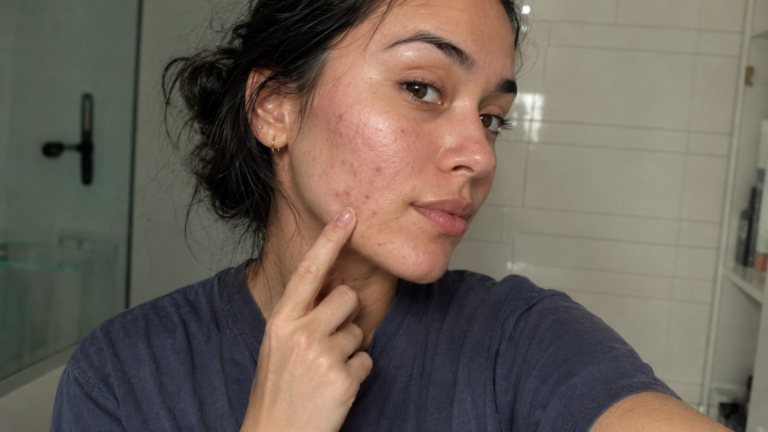
What My Skin Actually Looked Like Before
For context: I’m in my late twenties and I’ve had what dermatologists would probably classify as mild-to-moderate acne for most of my adult life. Not cystic, not severe — but persistent. The kind that clears in one spot and pops up somewhere else like it’s on a schedule.
My main concerns going into this experiment were:
- Uneven skin texture — particularly on my cheeks and chin. The kind where foundation sits in tiny bumps no matter how well you prep.
- Post-acne marks — flat, reddish-brown spots that stick around for what feels like forever after a breakout heals.
- Dullness — my skin rarely looked genuinely dewy or fresh, even when I wasn’t breaking out.
- Occasional active breakouts — especially around my jawline, which tends to be hormonal.
- Mild dehydration — my skin would feel tight after washing, and occasionally flake around my nose.
I wasn’t going into this thinking collagen was going to fix my acne. That felt like a stretch from the beginning, and honestly, I want to be upfront about that right now: collagen is not an acne treatment. That’s not what this experiment was about. I was curious whether improving my skin’s structural health from the inside — hydration, elasticity, overall texture — might make visible differences that cheaper serums hadn’t.
Collagen supplements are not a clinical treatment for acne. If you have moderate-to-severe acne, working with a dermatologist will always be more effective than any supplement. This article reflects one person’s personal experiment — not medical guidance.
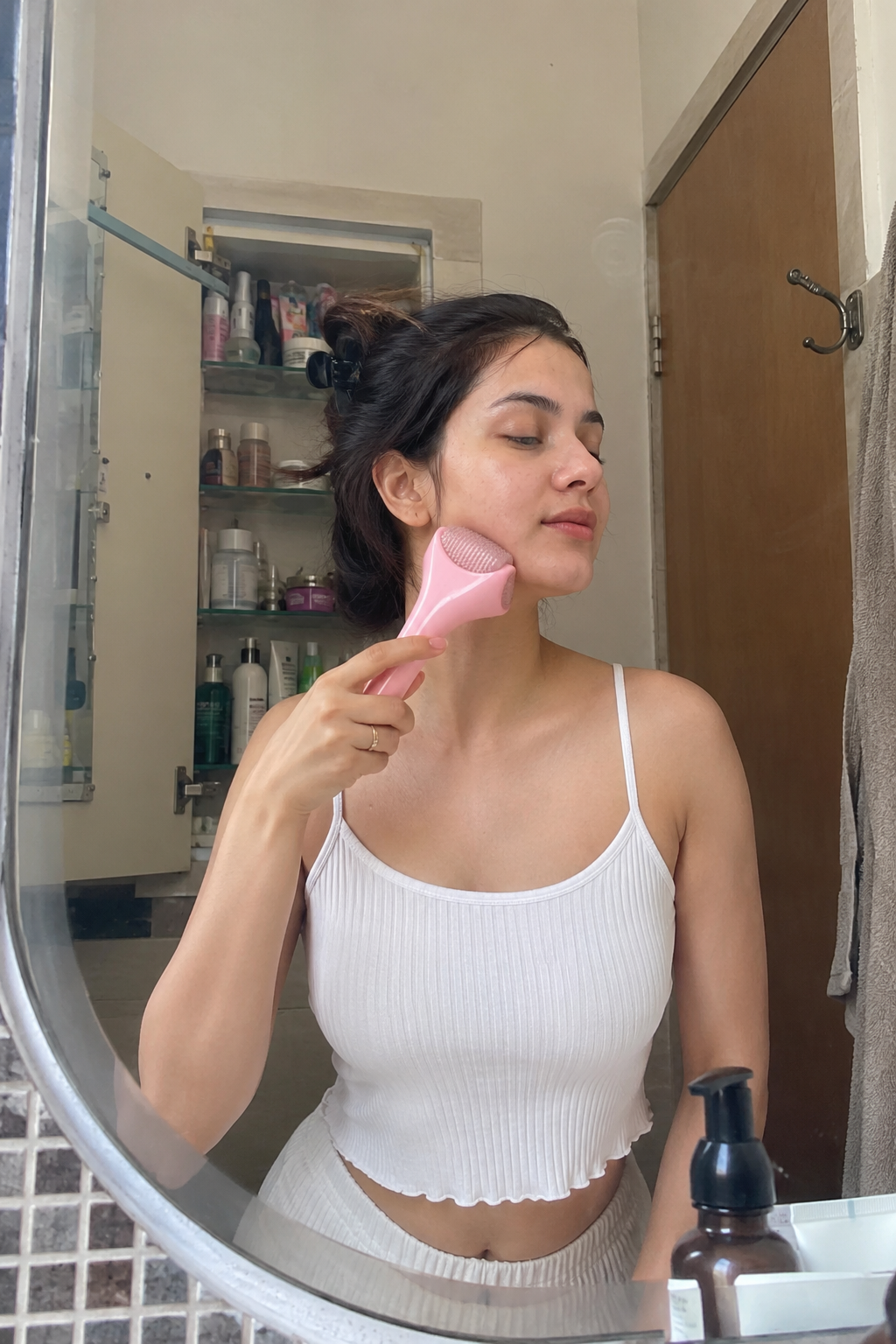
Simplified. Intentional. Less noise, more consistency.
The Serum Fatigue That Started It All
Can we talk about the modern skincare industry for a second? Because I think a lot of us are caught in the same loop.
We’re told that the answer to our skin problems is always the next product. A new formula. A newer peptide. A trending ingredient. And somewhere between the AHAs, BHAs, retinol, vitamin C, niacinamide, hyaluronic acid, and whatever else is dominating Skincare TikTok this month — we forget that our skin is a living organ that responds to our whole lifestyle, not just what we layer on the surface.
I had spent months cycling through products, sometimes adding new ones before giving old ones a real chance, occasionally irritating my skin with too many actives stacked together. My routine had become complicated and expensive — and my skin wasn’t dramatically better for it.
“What if the constant adding-of-things was actually working against me? What if my skin needed less interference and more nourishment?”
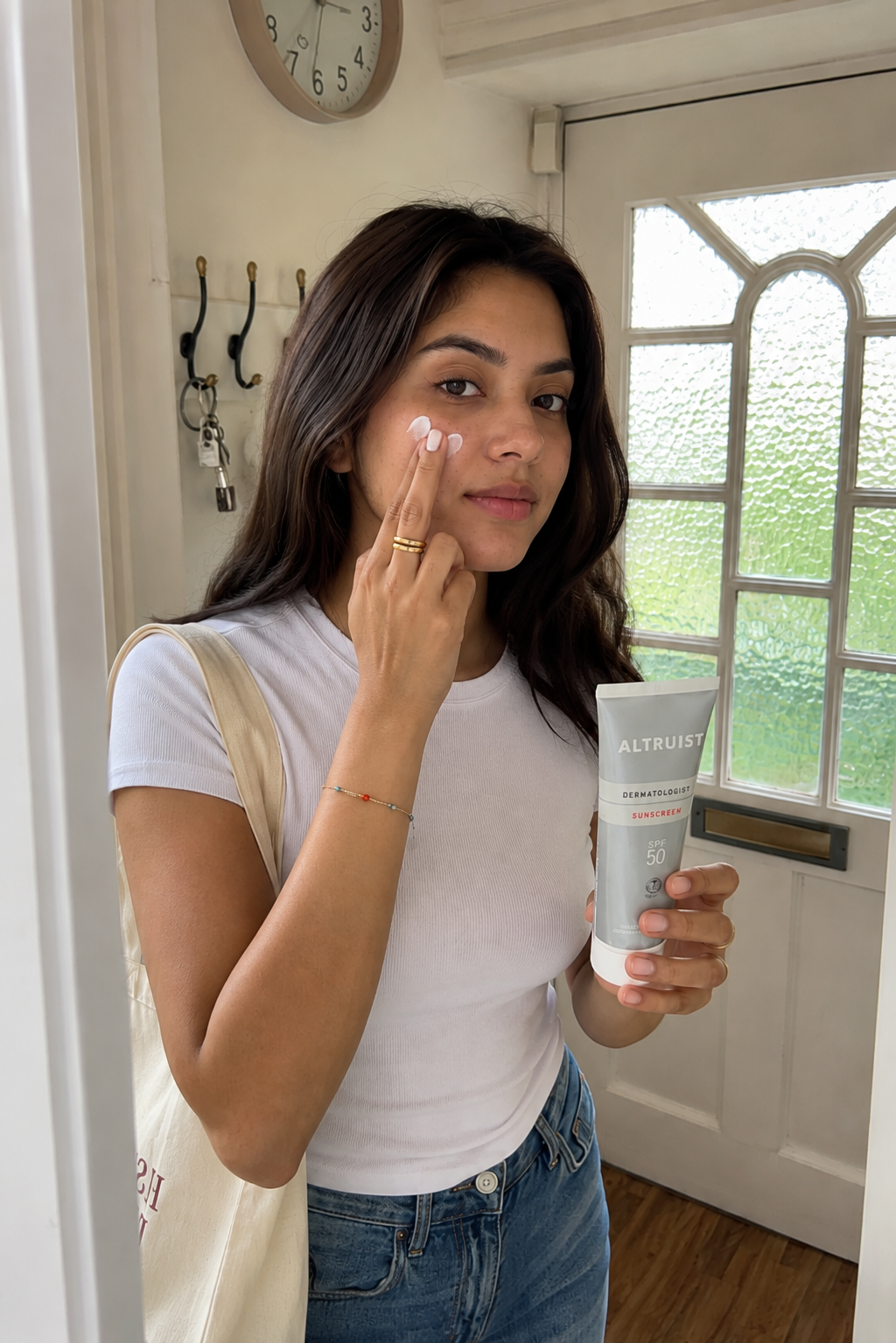
I stripped it back. Cleanser, moisturizer, SPF. And I added one thing: collagen powder, every morning, stirred into my coffee or a glass of water.
That was the experiment.
How Collagen Actually Works — The Non-Boring Version
Before I get into the weekly diary, let’s talk about what collagen actually is and what it realistically does — because there’s a lot of noise around this ingredient and I think clarity matters.
The basics
Collagen is the most abundant protein in your body. It’s essentially the scaffolding that holds your skin together — giving it structure, firmness, and that plump, bouncy quality that skin naturally has when we’re young.
Starting in our mid-twenties (yes, already), collagen production begins to slow down. This is gradual, not dramatic, but over time it contributes to things like skin losing its elasticity, fine lines forming, and overall texture becoming less smooth.
When you consume hydrolyzed collagen (the broken-down form found in most supplements), your digestive system breaks it into smaller amino acids and peptides. Some research suggests these peptides may stimulate your skin’s own collagen-producing cells — called fibroblasts. However, it’s worth noting that much of this research involves small sample sizes, and collagen’s impact on acne specifically is not well-studied. The strongest evidence for oral collagen supplementation exists around skin hydration and elasticity — not acne reduction.
So when people say collagen “helped their skin,” it’s likely related to improved hydration and structural support — not a direct antibacterial or pore-clearing effect. That distinction is important, and I want to be genuinely honest about it throughout this article.
Collagen Types — What the Numbers Actually Mean
You’ll see collagen products labeled with types — I, II, III, V, X. Here’s what that means in plain English:
| Collagen Type | Where It Comes From | What It Supports | Relevance for Skin |
|---|---|---|---|
| Type I | Bovine hide, marine sources | Skin, tendons, bones, hair, nails | ⭐⭐⭐ Most relevant for skin structure |
| Type II | Chicken cartilage | Cartilage, joints | Less directly relevant for skin |
| Type III | Bovine, porcine | Skin, blood vessels, organs | ⭐⭐ Works alongside Type I in skin |
| Type V | Eggshell membrane, bovine | Cell surfaces, hair | Supportive role in skin |
| Type X | Chicken cartilage | Bone formation, cartilage | Minimal direct skin relevance |
For skin specifically, Types I and III are your MVPs. Most high-quality collagen powders for skin will lead with these. “Multi-collagen” formulas include all types, which can be appealing if you also care about joints or gut health alongside skin.
How I Chose My Collagen — What I Actually Looked For
I spent longer than I’d like to admit researching this. Here’s what actually mattered to me when choosing:
- Hydrolyzed peptides — meaning pre-broken-down for better absorption
- Unflavored or clean flavor options — I wanted to add it to coffee without it tasting weird
- Vitamin C included or easy to add — Vitamin C plays a key role in your body’s own collagen synthesis, so it’s a smart pairing
- Third-party tested — supplements aren’t regulated the same way food is, so this matters
- No unnecessary fillers or artificial sweeteners
- Reasonable serving size — I didn’t want to be measuring out five tablespoons every morning
Adding a small source of Vitamin C alongside your collagen (a squeeze of lemon in water, or a supplement that includes it) may support your body’s collagen production process. Many quality collagen powders include Vitamin C for this reason.
My Exact 30-Day Routine — Nothing Hidden
Full transparency. Here’s exactly what I did and didn’t do during this month.
Morning Routine
Evening Routine
Daily Lifestyle Habits I Kept Consistent
Consistency matters more than any single ingredient. I kept my skincare stripped back so that if anything changed, I’d have a reasonable idea of what might be contributing. Changing too many variables at once makes it impossible to know what’s actually working.

The ritual became genuinely nice — warm coffee, quiet morning, one small scoop of intention.
Week-by-Week: What I Actually Noticed
Let me be real with you: the first week was completely uneventful. And that’s fine — I had set realistic expectations. Collagen isn’t a serum you apply topically and see in 24 hours. It works systemically, and that takes time. The research that does exist on oral collagen typically measures changes over 4–12 weeks, not days.
Nothing Dramatic. And That’s Okay.
Skin looked the same. I had one small breakout on my chin — normal for this time in my cycle. Texture: unchanged. Honestly, the only notable thing was that I felt more intentional about my morning routine, which had an indirect calming effect on how I approached my skin overall.
Something Subtle Shifted
Around day 10–11, I noticed my skin felt slightly less tight after washing. Not dramatically — but there was a softness that I couldn’t fully attribute to my moisturizer alone. My cheeks felt more comfortable throughout the day. Still one or two small breakouts, but they seemed to resolve faster than usual.
Texture Starting to Smooth
This was the week I got interested. My skin texture — specifically along my cheeks and jawline — felt noticeably smoother to the touch. Not completely smooth, but the bumpy, uneven quality was less pronounced. My makeup sat better. My skin looked slightly more luminous in natural light. Still experiencing minor hormonal breakouts but nothing new.
The Finish Line, Honestly Assessed
Skin felt genuinely more hydrated and plump than when I started. Texture was my biggest positive change. My older post-acne marks looked slightly less angry — but I want to be careful here: marks fade naturally with time, so I can’t attribute that entirely to collagen. I didn’t have a dramatic transformation. But I had a quiet improvement that felt real.
Week three. The mirror became something I looked at with curiosity instead of frustration.
Let’s Break Down the Specific Changes
Skin Texture
This was the most noticeable improvement for me, and it aligns with what research tends to support. Collagen contributes to the extracellular matrix of skin — essentially the structural framework beneath the surface. When that framework is better supported, skin can feel smoother and more even from the inside out.
My texture wasn’t perfect at day 30. But it was measurably smoother — and my skin felt more consistent across areas that previously had visible unevenness. I’d put this at my biggest win of the experiment.
Hydration
Week two onward, this was real. My skin stopped feeling tight after cleansing, which is something my moisturizer alone hadn’t fully addressed. Collagen may play a role in supporting the skin’s moisture-binding capacity. For skin that tends to feel dehydrated rather than oily-acne-prone, this felt like a meaningful improvement.
Several peer-reviewed studies (including meta-analyses published in journals focused on dermatology and nutrition) have found that oral hydrolyzed collagen supplementation showed improvements in skin hydration and elasticity over 8–12 weeks. These are the areas where evidence is most consistent. Results on firmness and wrinkle reduction are more mixed. Research specifically examining collagen’s effect on acne is limited and inconclusive at this time.
Breakouts & Active Acne
Honest answer: collagen didn’t stop my breakouts. I still had small hormonal breakouts in weeks one and two. Week three and four were slightly calmer — but I want to be careful not to overstate this. My hormonal cycle, reduced stress that month, and the overall simplification of my routine all likely played a role. I cannot confidently say the collagen itself reduced my acne.
What I can say is that my skin, when not actively breaking out, looked and felt better overall. And when breakouts did happen, they seemed to heal a little faster — though again, this is subjective and hard to isolate.
Acne Marks & Post-Inflammatory Hyperpigmentation
My older marks did look slightly less prominent by day 30. But I want to be genuinely transparent: PIH naturally fades over time, especially with consistent SPF use (which I was very diligent about throughout this month). The improvement could easily be attributed to time + sun protection rather than collagen specifically.
Collagen doesn’t have strong scientific evidence for fading hyperpigmentation. If that’s your primary concern, you’d likely see more targeted results from proven ingredients like niacinamide, alpha arbutin, vitamin C serum, or azelaic acid — ideally with guidance from a skincare professional.
What Genuinely Surprised Me
The ritual mattered more than I expected
Taking something every single morning — intentionally, consistently — changed how I thought about my skin. It shifted my mindset from reactive (“I need to buy something to fix this breakout”) to proactive (“I’m consistently nourishing my skin”). That psychological shift was unexpectedly valuable.
Simplifying my routine helped
Stripping back to basics was, I think, as valuable as the collagen itself. Fewer actives meant less chance of irritation. My skin barrier had a chance to calm down and function better. I’ll be more thoughtful about layering multiple active ingredients going forward.
The texture change felt structural
It didn’t feel like the kind of improvement you get from applying a smoothing serum — that kind of surface-level softness that wears off by evening. This felt like something happening from beneath the surface. Subtle, but different in quality.
My nails got stronger
Unexpected bonus. By week three, I noticed my nails were less prone to breaking. Collagen contains amino acids like glycine, proline, and hydroxyproline that support nail structure. This wasn’t something I was tracking, but it was a pleasant side note.

Simple additions. Real food. Less complexity — that was the whole philosophy this month.
What Disappointed Me
Acne didn’t stop
I didn’t expect miracles, but I’d be lying if I said part of me hadn’t hoped the collagen would have some magical effect on my breakouts. It didn’t. My skin didn’t suddenly clear up. Hormonal acne requires more targeted approaches, and collagen simply isn’t that tool.
Results were subtle — not dramatic
If you’re expecting a 30-day transformation that makes your skin unrecognizable, this isn’t the experiment that delivers that. The changes were real but quiet. The kind a person who lives in their skin notices — not the kind that makes your friends ask what you did differently.
It takes patience most people don’t have
In a world of 24-hour retinol results and instant-gratification skincare content, consistent collagen supplementation is almost radical in its slowness. That’s not a criticism of collagen — it’s just the honest reality that anything working on your body at a structural level takes time, and we’re conditioned to expect speed.
Most research on oral collagen tracks results at the 8–12 week mark. Thirty days is genuinely the beginning of what this supplement might do. If you try collagen for a month, see subtle results, and quit — you may be stopping right before things get more interesting. Consistency over at least 8 weeks is probably the fairer test.
The Habits That Actually Support Collagen
This is something I wish more collagen content talked about — because the supplement is only part of the picture. Your body’s ability to synthesize and use collagen depends heavily on what else you’re doing.
Vitamin C is non-negotiable
Your body needs vitamin C to synthesize collagen. Without adequate vitamin C, collagen production is impaired — full stop. Whether through food (citrus, bell peppers, strawberries, kiwi) or a supplement, make sure you’re getting enough. Many quality collagen powders include it directly.
Protein intake matters
Collagen is a protein — and your body needs adequate overall protein intake to build and repair tissue. If you’re chronically under-eating protein, adding a collagen supplement alone won’t compensate. Aim for diverse protein sources across the day: eggs, legumes, fish, chicken, Greek yogurt.
Sleep is when skin repairs itself
Collagen synthesis and skin cell turnover peak during sleep — particularly in the first few hours of deep sleep. Getting consistent, quality sleep (7–9 hours for most adults) is probably the single most underrated skin intervention there is. No supplement substitutes for this.
Sun protection amplifies everything
UV exposure degrades collagen at an accelerated rate. If you’re spending on collagen and not wearing SPF daily, you’re essentially filling a container with a hole in it. SPF is not optional if skin health is your goal.
Hydration
Water doesn’t directly “hydrate skin” in the way people sometimes claim, but chronic dehydration does affect skin quality over time. And collagen peptides seem to work more effectively in a well-hydrated system. Make water a consistent habit, not an afterthought.
Stress management
Chronic stress elevates cortisol, which can break down collagen and trigger inflammatory responses — including breakouts. This is why “taking care of yourself” is genuinely, frustratingly connected to your skin. No supplement out-works a consistently stressed nervous system.
Collagen supplementation works best as part of a holistic approach — not as a standalone fix. Pair it with adequate protein, vitamin C, good sleep, daily SPF, and stress management for the most meaningful results over time.
Who Should Actually Try This — And Who Probably Shouldn’t
This might be worth exploring if…
- You have generally healthy, mild-concern skin and want to support its structure long-term
- Your primary complaint is dullness, dehydration, or loss of firmness
- You’re 25+ and want to be proactive about collagen decline
- You have mild texture issues and are open to inside-out approaches
- You’re already managing acne with a dermatologist and want a supportive supplement
- You enjoy wellness rituals and the consistency is sustainable for you
This probably isn’t the answer if…
- You have active, moderate-to-severe acne — please see a dermatologist
- You’re expecting collagen to replace proven topical treatments
- You’re not willing to commit at least 8 weeks consistently
- You’re vegan or vegetarian and can’t use animal-sourced collagen (marine or bovine based)
- You have a fish allergy and are considering marine collagen
- You’re pregnant or breastfeeding — always check with your doctor before adding supplements
If you are currently managing acne with prescription treatments, consult your dermatologist before adding any new supplement to your routine. And if your acne is causing you significant distress — physically or emotionally — please reach out to a healthcare provider. You deserve proper support, not just supplement experiments.

Day 30. Not perfect. But present, cared for, and genuinely calmer.
GET FREE Skin Barrier Reset Guide PDF
Join our community and get instant access to our Skin Barrier Reset Guide — practical, science-backed steps to calm, strengthen, and genuinely transform how your skin feels from the inside out.
Collagen I Researched & Used During This Experiment
The links below are affiliate links. We earn a small commission if you purchase — at no extra cost to you. These are products I genuinely researched for this experiment. Always consult a healthcare professional before starting any new supplement.
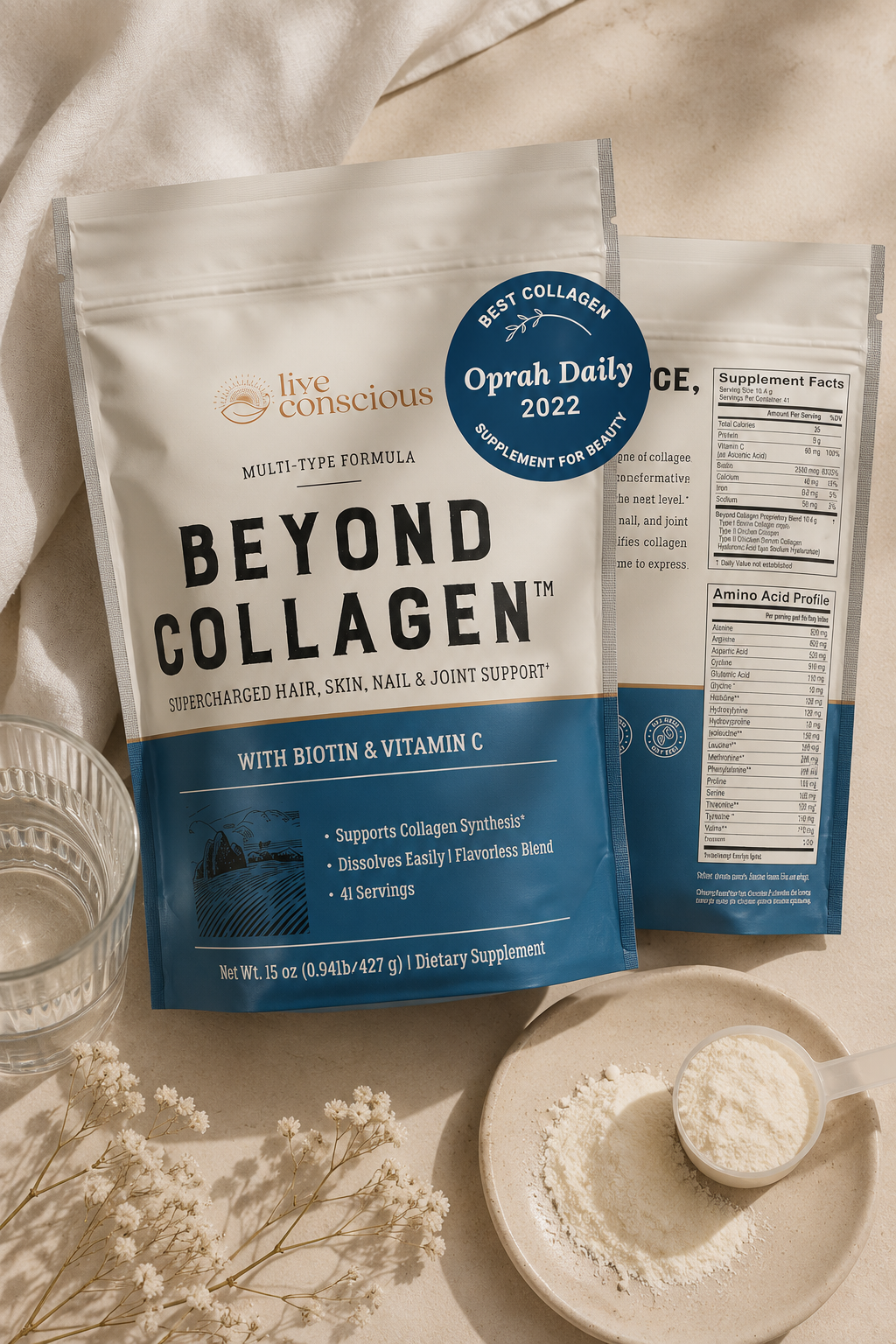
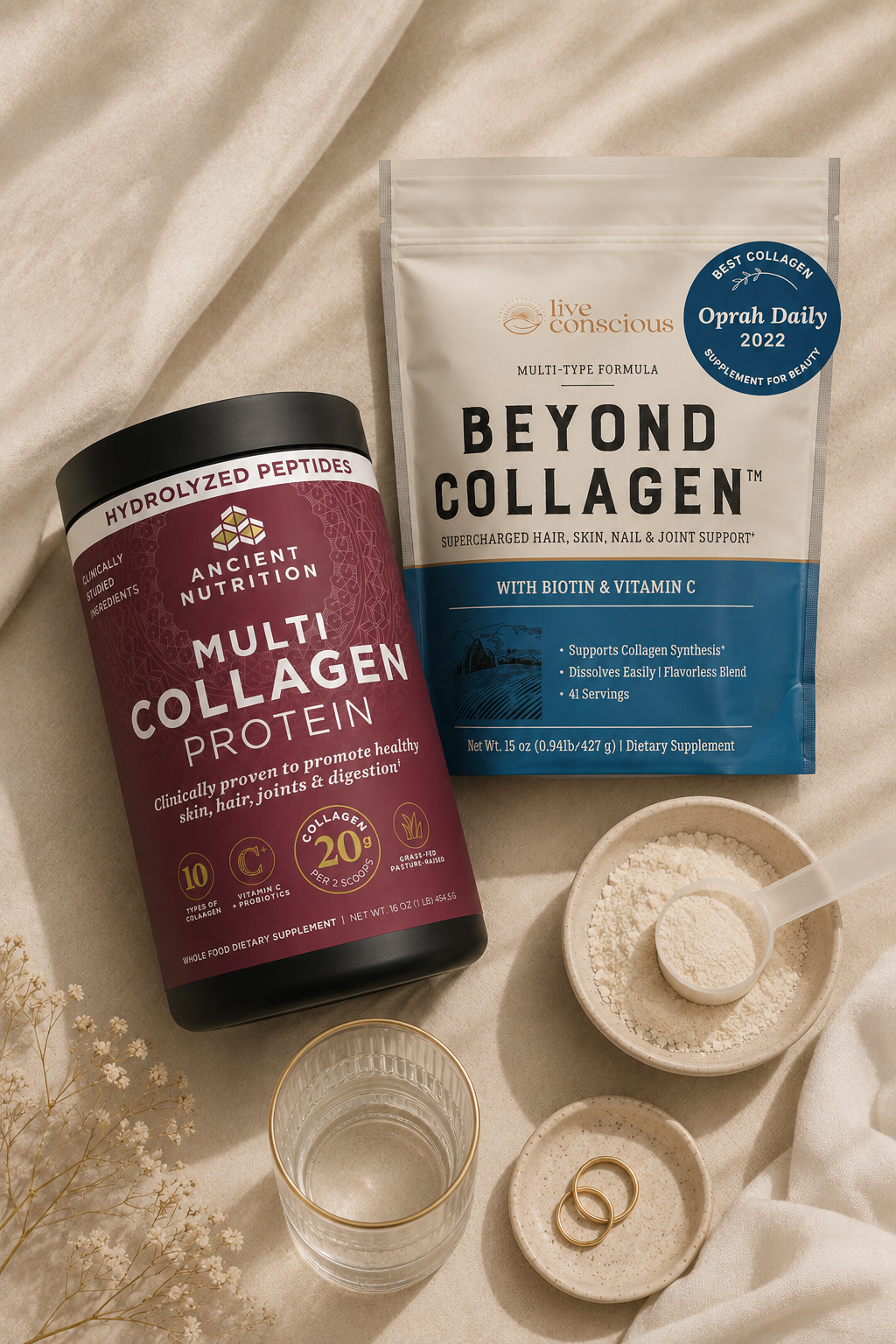
Live Conscious Beyond Collagen — Multi Collagen Powder for Women (Types I, II, III, V & X)
A well-rounded multi-collagen powder that includes Types I through X — plus Biotin and Vitamin C, which support your body’s own collagen synthesis process. 41 servings, hydrolyzed for absorption, and keto-friendly. Dissolves cleanly in both hot and cold liquids. This is the kind of formula that checks the important boxes without unnecessary additives.
Shop This Collagen →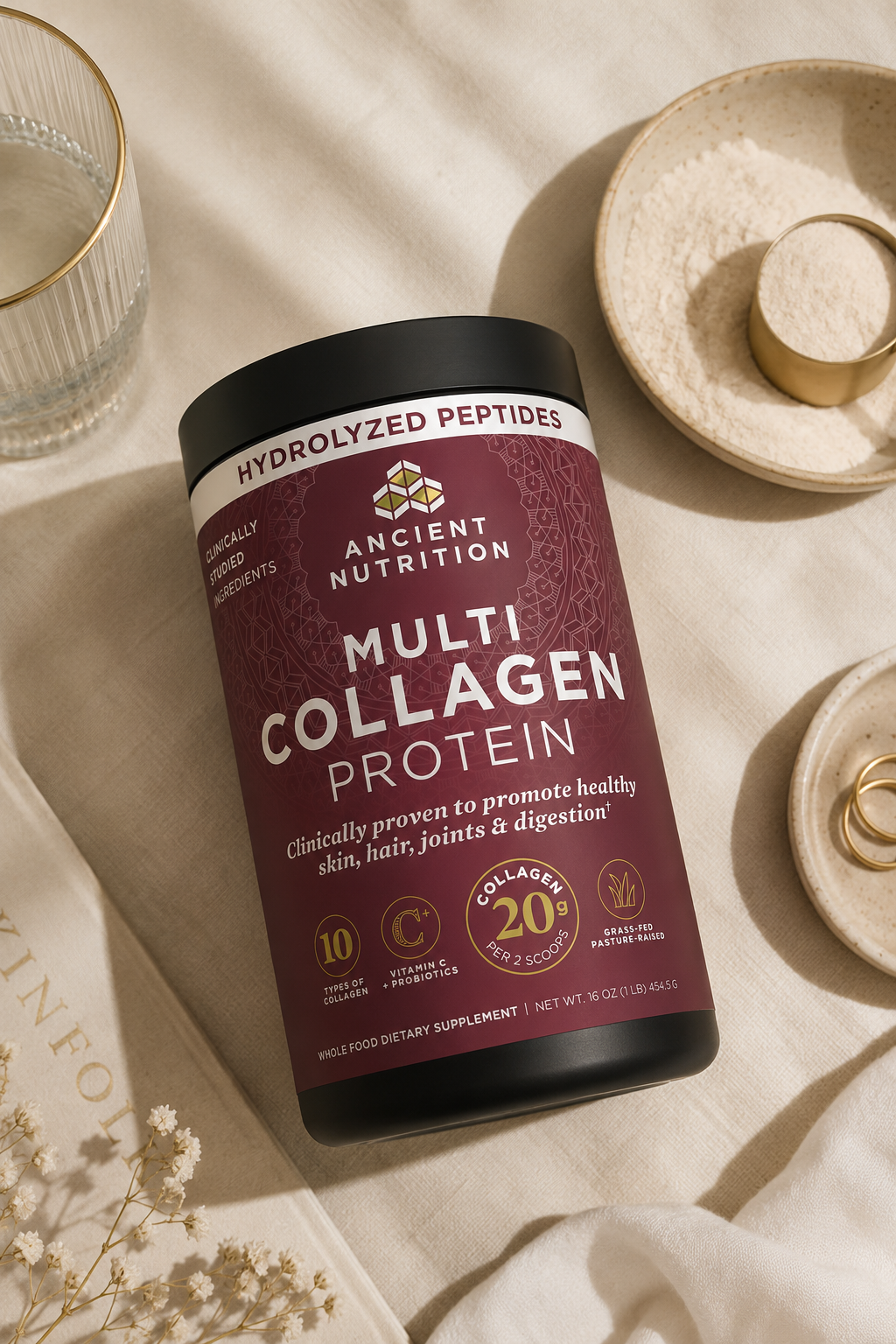
Ancient Nutrition Multi Collagen Protein with Probiotics — Unflavored, 45 Servings (16oz)
What makes this one interesting is the addition of probiotics alongside the collagen peptides — and given the growing conversation around the gut-skin connection, this dual approach appeals to anyone thinking about skin health more holistically. 45 servings of hydrolyzed multi-collagen with Vitamin C. Unflavored, so it plays nicely with anything.
Shop This Collagen →Frequently Asked Questions
The questions I actually got asked — and the honest answers.
Collagen is not an acne treatment, and there’s no strong clinical evidence that it directly reduces breakouts. It doesn’t have antibacterial properties, nor does it regulate sebum production or target the hormonal factors behind acne. Where collagen may have an indirect effect is in supporting skin health overall — hydration, texture, and the skin’s barrier function. A healthier skin barrier can be less reactive, but this is not the same as treating acne. For acne, please see a dermatologist for evidence-based treatments.
Most research that shows meaningful results on skin hydration and elasticity tracks outcomes at 8–12 weeks of consistent daily use. Thirty days may show early, subtle changes — particularly in hydration and how skin feels — but the fuller picture tends to emerge over a longer commitment. If you try collagen for a month and see very little, consider giving it a full 8–12 weeks before drawing conclusions.
For skin specifically, Types I and III are most relevant. Type I is the most abundant collagen in skin and connective tissue. Type III works alongside Type I and is found in skin, blood vessels, and organs. Many “multi-collagen” supplements include Types I, II, III, V, and X — which is fine, but the skin-specific benefits are predominantly from Types I and III. Marine collagen is predominantly Type I and is often considered highly bioavailable. Bovine collagen typically provides both Types I and III.
True collagen (as an actual protein) does not exist in plant sources — it’s only found in animal tissue. However, there are “vegan collagen boosters” that contain ingredients your body needs to synthesize its own collagen — particularly vitamin C, along with amino acids from plant proteins, zinc, and copper. These are quite different from consuming actual collagen peptides, but they can support your body’s collagen production through nutrition rather than supplementation. Results will vary.
If you have a fish allergy, you should avoid marine collagen, which is derived from fish skin and scales. Bovine collagen (from cattle) or chicken-based collagen would be alternatives — but always read labels carefully and consult your allergist or doctor if you have concerns. Supplement labels should clearly state the source of collagen.
There’s no definitive scientific consensus on timing for collagen supplements. Most people add it to their morning coffee, smoothie, or a glass of water — which works perfectly well. The most important factor is simply consistency: taking it at the same time each day makes it easier to build the habit. Pairing it with a vitamin C source (either in the formula or in your meal) may support your body’s collagen synthesis process.
This is where we need to be clear about terminology. “Acne scars” technically refers to textural changes (indentations or raised tissue) caused by damage to the skin’s structure. Collagen supplementation could theoretically support skin remodeling over time, but evidence for this specifically is not well-established. “Acne marks” (flat, pigmented spots) are a different matter — these are post-inflammatory hyperpigmentation, and collagen doesn’t have strong evidence for fading pigmentation. For PIH, proven topical ingredients (vitamin C, niacinamide, azelaic acid, alpha arbutin) combined with consistent SPF are your better tools. For true acne scars, professional treatments (like chemical peels, microneedling, or laser) have more clinical support.
No — and I’d never suggest it. Collagen is a supplement that works from the inside, while skincare works from the outside. They’re complementary approaches, not substitutes. The most healthy skin outcomes tend to come from a combination of a smart (not necessarily complex) topical routine, good internal nutrition, adequate sleep, and sun protection. Collagen can be one element of that — not the whole picture.
Final Thoughts — Would I Do It Again?
Yes. Without hesitation — but with calibrated expectations.
The 30 days changed something for me that I didn’t fully anticipate going in. Not just in my skin — though the texture improvement was real and the hydration shift was meaningful — but in how I approach skincare as a whole.
I stopped chasing the next bottle. I slowed down. I gave one consistent, intentional thing a real chance to work. And in doing so, I think I actually gave my skin a rest from the constant experimentation it had been subject to for years.
Collagen didn’t cure my acne. It didn’t fade my marks overnight. It didn’t give me a dramatic transformation to post about. But it supported my skin quietly, steadily, from the inside — and I noticed. My skin felt more comfortable in itself. Softer. More hydrated. Subtly plumper.
That’s not nothing. In fact, for something that costs less per serving than most serums and requires zero effort beyond stirring it into your morning drink — it’s actually quite a lot.
If you’re someone who has been cycling through products, chasing quick results, and feeling frustrated that your skin never quite looks the way you want it to — maybe the answer isn’t the next new formula. Maybe it’s consistency. Simplicity. Something that works at the level your skin actually operates on.
Collagen might be that thing for you. Or maybe it’s sleep, or protein, or finally committing to daily SPF. Or all of the above.
The point isn’t the supplement. The point is the intention behind it — choosing to nourish your skin rather than just treat its symptoms. That shift in thinking might matter more than any single ingredient you put in your body or on your face.
Collagen supplementation shows the most evidence for improving skin hydration and elasticity over 8–12 weeks of consistent use. Results for texture may be noticeable within 4 weeks for some people. Its effects on acne itself are not well-supported by research. Pair it with daily SPF, adequate protein and vitamin C, good sleep, and a simplified routine for the most realistic, meaningful outcome. Manage expectations — and give it real time.
This article is for informational and personal experience purposes only. It is not medical advice. Always consult a qualified healthcare professional before beginning any new supplement, particularly if you have existing health conditions or are managing your skin with prescription treatments.