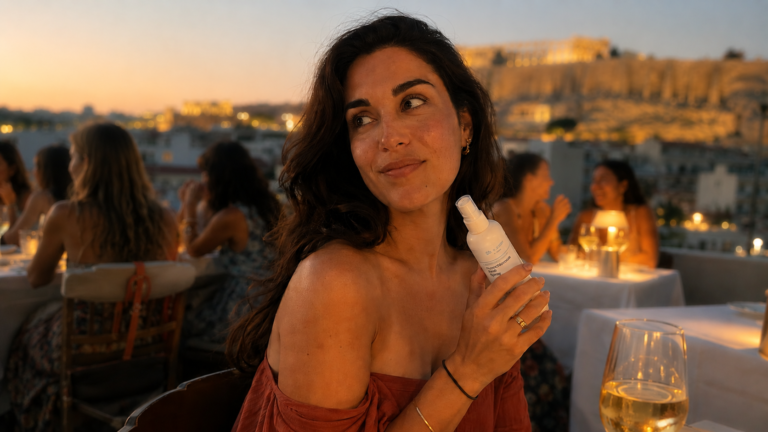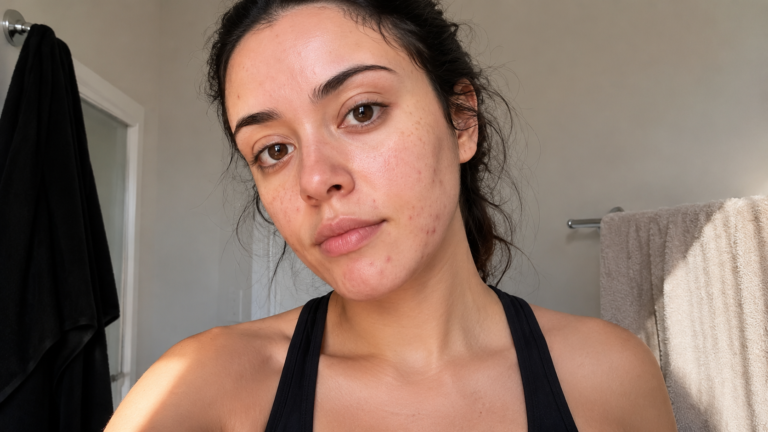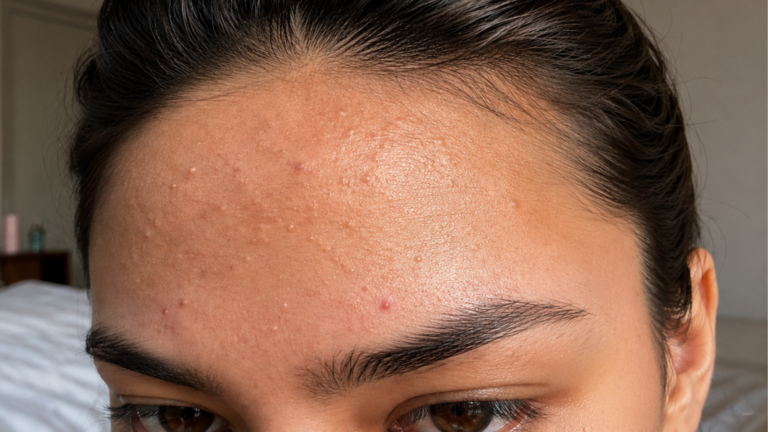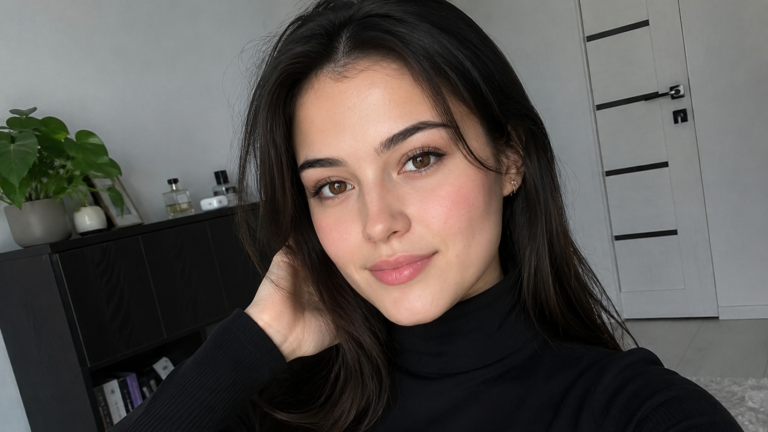

I Quit Anti-Aging Skincare for ‘Skin Longevity’ Instead — My Honest 30-Day Results
The term “anti-aging” is quietly disappearing from skincare. Here’s what skin longevity actually means, why the shift is happening, and what 30 days of intentional changes genuinely looked and felt like.

For a long time, the language around skincare was built on opposition. Anti-aging. Fight wrinkles. Reverse the clock. The entire vocabulary was about resisting something inevitable — and it was exhausting in a way that most of us quietly recognized but rarely said out loud.
Something has shifted over the past few years, and it’s not just a rebrand. The conversation around aging skin is genuinely changing, and a phrase that has quietly taken hold in dermatology offices, editorial circles, and wellness spaces reflects that shift: skin longevity.
The idea isn’t to pretend aging doesn’t happen. It’s to support the skin so it stays healthy, resilient, and functional for as long as possible — the same way we talk about cardiovascular health or metabolic health. Less about the aesthetic outcome. More about the biological foundation.
I spent 30 days making intentional changes based on that framework — not adding more products, but rethinking why I was using the ones I had. This article walks through what skin longevity actually is, why the science behind it makes sense, and what shifting your approach for a month genuinely looks and feels like. No miraculous results. No invented transformation. Just honest reflection and evidence-based context.
What Skin Longevity Actually Means
Skin longevity is, at its simplest, the idea of maintaining the skin’s structural integrity and biological function over time — rather than chasing a particular aesthetic at a particular age. It’s borrowed from the broader longevity health movement, which focuses on healthspan (how well you live) rather than just lifespan (how long).
In skin terms, that translates to prioritizing things like barrier function, cellular repair mechanisms, collagen support, and moisture retention — all of which naturally become more effortful as the skin ages, but none of which require you to wage war on your own face to maintain.
The word “resilience” comes up a lot in this space, and rightfully so. Skin resilience refers to the skin’s ability to recover from environmental stress — UV exposure, pollution, temperature changes, friction, sleep deprivation — and return to baseline. A skin-longevity approach tries to preserve and strengthen that recovery capacity.
The Core Distinction
Anti-aging skincare asks: How do I look younger?
Skin longevity asks: How do I keep this skin healthy for the next 20 years?
The outcome of the second question often improves the first — but the intention behind it is meaningfully different.
Current dermatology guidance generally focuses on three biological processes that accelerate visible and structural skin aging: oxidative stress (free radical damage from UV, pollution, and metabolic byproducts), glycation (sugar molecules binding to collagen and elastin, making them stiff and disorganized), and chronic low-grade inflammation — sometimes called “inflammaging” in research contexts. A skin-longevity approach attempts to slow all three, not just treat their surface symptoms.
Why “Anti-Aging” Is Quietly Fading Out
It’s worth spending a moment on why this language shift is happening, because it’s not just marketing. There are a few distinct forces driving it, and understanding them helps you see what the skin-longevity framework is actually responding to.
The language problem
“Anti-aging” implies that aging itself is the enemy — that looking your age is a failure. For the generation of women now entering their 30s, 40s, and beyond after growing up with social media and unrealistic digital-filter standards, that framing has real psychological consequences. Several professional and academic voices in dermatology and psychology have noted that negative associations with skin aging are linked to lower self-esteem and a higher likelihood of pursuing treatments that may not be medically appropriate.

Skin longevity shifts the focus from correction to care.
The science has evolved
Early anti-aging skincare was largely about surface-level fix-it solutions: retinol to speed cell turnover, acids to resurface, fillers to replace volume. All of these have legitimate uses. But research has gradually shifted attention upstream, toward what keeps skin healthy at the cellular and barrier level long before visible aging becomes a concern. That shift in scientific focus has influenced how thoughtful brands and board-certified dermatologists communicate about skin care goals.
The consumer is smarter
A generation of skincare-educated consumers has gotten genuinely good at reading ingredient labels and asking harder questions. When a product promises to “reverse aging,” more people now understand that’s a claim no topical can fully deliver. The demand for honest, evidence-rooted communication has created space for a more nuanced framework. Skin longevity fits that moment.
“The most interesting shift isn’t in the products — it’s in the question people are starting to ask. Not ‘how do I look younger’ but ‘how do I keep my skin working well?’ Those lead to completely different behaviors.”
The Barrier Health Foundation
If skin longevity has a cornerstone, it’s barrier health. The skin barrier — technically the stratum corneum, the outermost layer of the epidermis — is the body’s first line of defense against the world. It keeps moisture in and environmental aggressors out. When it’s functioning well, skin looks plump, calm, and even-toned. When it’s compromised, it’s stinging, flaky, reactive, and prone to breakouts.
Here’s the thing that doesn’t get said often enough: a huge amount of skincare over-treatment causes or worsens barrier damage. Layering too many actives, over-exfoliating, using harsh cleansers, and skipping moisturizer to “let skin breathe” are all behaviors that disrupt the very foundation that makes other skincare actually work.
What the barrier is made of
Researchers often describe the skin barrier using the “brick and mortar” model. The skin cells (corneocytes) are the bricks. The lipid matrix surrounding them — primarily ceramides, cholesterol, and fatty acids in roughly equal proportions — is the mortar. When any of those lipids are stripped away or depleted, the barrier becomes porous. Water escapes. Irritants get in more easily. Inflammation becomes more likely.
Signs Your Barrier May Be Compromised
- Skin feels tight or stinging after cleansing
- Products that used to feel fine now burn or irritate
- Unexpected dry patches despite regular moisturizing
- Sudden increased sensitivity or redness
- Flakiness that doesn’t resolve with more moisturizer
- Breakouts appearing where they usually don’t
If several of these apply consistently, a consultation with a board-certified dermatologist is worthwhile before adding any new active ingredients.
Barrier repair vs. barrier maintenance
There’s a meaningful difference between repairing a damaged barrier and maintaining a healthy one. Repair often requires temporarily stripping back your routine — gentle cleansing, a simple fragrance-free moisturizer, SPF, and nothing else. Maintenance is what you do once the barrier is stable: thoughtfully introducing actives, prioritizing ceramide-rich formulas, and not treating “more is more” as a philosophy.
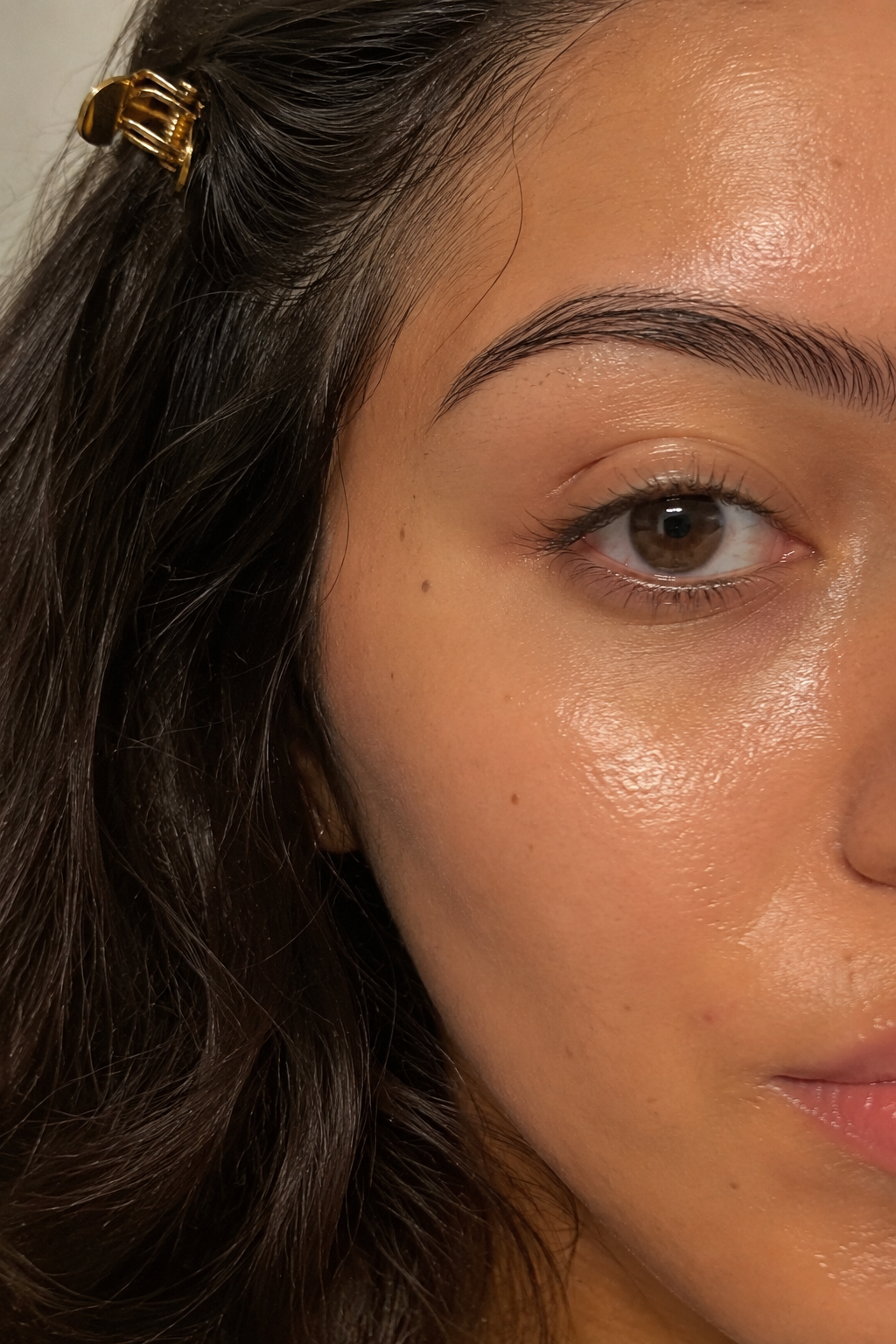
A healthy barrier is visible — skin looks plump, calm, and even.
UV Protection — The One Non-Negotiable
If you want to have an honest conversation about skin longevity, this is where it has to start: sun protection is not optional. It is, by a significant margin, the most evidence-backed intervention for maintaining healthier skin over time.
The research on UV radiation and skin aging is extensive and consistent. UVB rays cause the visible burns and are strongly associated with skin cancer risk. UVA rays — which penetrate more deeply and are present year-round, through clouds and windows — are the primary driver of photoaging: collagen breakdown, loss of elasticity, hyperpigmentation, and the textural changes associated with aging skin.
Current dermatology guidance generally focuses on broad-spectrum SPF 30 or higher as a daily minimum, with SPF 50 or above recommended for extended outdoor exposure. “Broad spectrum” indicates protection against both UVA and UVB. Reapplication every two hours matters as much as the SPF number when you’re actually outdoors.
Chemical vs. mineral sunscreen
Both work. Mineral sunscreens (zinc oxide, titanium dioxide) sit on top of the skin and physically deflect UV rays — generally better tolerated by sensitive and acne-prone skin. Chemical sunscreens absorb UV energy and convert it to heat — they tend to be more cosmetically elegant but can cause irritation in some people. Using either consistently and correctly is vastly more important than which type you choose.
Evidence Note
A frequently cited longitudinal study (Naylor et al., Annals of Internal Medicine, 2013) found that consistent daily sunscreen use was associated with significantly less skin aging over a 4.5-year period compared to discretionary use. The study size was modest, but the findings align with the broader body of photoaging research. The consensus across dermatology is robust: daily SPF is the single highest-return investment in long-term skin health.
The SPF habits that actually matter
- Apply sunscreen as the last step of your morning routine, before makeup
- Use about a quarter teaspoon for the face alone to reach the labeled SPF
- Don’t rely on SPF in foundations or tinted moisturizers as your sole source
- Reapply every 2 hours during outdoor time, including cloudy days
- UVA exposure through car and office windows is real — sunscreen still matters indoors near glass
- Neck, chest, and hands age at similar rates to the face — extend your SPF accordingly
Sleep, Stress, and Skin — The Underestimated Variables
Any honest conversation about skin longevity has to go beyond the bathroom shelf. Two lifestyle factors that consistently appear in dermatology-adjacent research are sleep quality and chronic stress — and both have measurable effects on skin function that no topical product can fully compensate for.
Sleep and skin repair
The skin’s repair processes are significantly more active during sleep than during waking hours. Cell turnover accelerates. Growth hormone — which supports tissue repair — peaks during deep sleep. Blood flow to the skin increases, supporting nutrient delivery and waste removal at the cellular level. Transepidermal water loss also fluctuates with the sleep cycle, which is part of why skin can look notably different in the morning depending on sleep quality.
Research exploring sleep deprivation and skin function is still developing, but current evidence suggests that consistently poor sleep is associated with impaired barrier recovery, increased signs of skin fatigue, and higher perceived aging by external observers. Evidence is not yet strong enough for absolute claims, but the biological mechanisms are plausible and supported by what we know about sleep physiology more broadly.
Quality sleep is when your skin does its most important repair work.
Sleep Habits That May Support Skin Longevity
- Consistent sleep and wake times (supports circadian rhythm, which affects skin cell behavior)
- Silk or satin pillowcases may reduce friction and minimize sleep crease formation
- Sleeping on your back reduces prolonged one-sided facial compression
- A cool, dark room tends to support deeper sleep stages
- Applying a barrier-supporting moisturizer before sleep can be beneficial during the skin’s repair window
Stress and inflammaging
Chronic stress activates the hypothalamic-pituitary-adrenal (HPA) axis, releasing cortisol and other stress hormones. In the short term, this is adaptive. Chronically elevated cortisol has a range of downstream effects on the skin: it can impair barrier function, increase sebum production, worsen conditions like eczema, rosacea, and acne, and contribute to systemic inflammation — the very “inflammaging” process associated with accelerated skin aging.
Stress reduction strategies — exercise, meditation, therapy, adequate rest, social connection — are genuinely relevant to skin health, not just wellness clichés. The connection is mechanistically grounded, even if the research isn’t fully mapped yet.
Nutrition and Skin Longevity
Nutrition science and skin science intersect in ways that are genuinely interesting but also frequently overstated. The honest position: what you consistently eat over time affects skin biology. Individual “superfoods” or supplements rarely deliver the results their marketing suggests. The overall dietary pattern matters far more than any single ingredient.
What the research generally supports
- Antioxidant-rich foods — berries, leafy greens, colorful vegetables — support the body’s ability to neutralize oxidative stress, which affects collagen integrity over time
- Omega-3 fatty acids (fatty fish, flaxseed, walnuts) have anti-inflammatory properties and are involved in maintaining the lipid content of the skin barrier
- Adequate protein is essential for collagen synthesis — the body cannot produce structural proteins without amino acid building blocks
- Hydration — consistently drinking adequate water supports skin turgor and barrier function, though the skin is not the body’s hydration priority
- High glycemic index diets are associated in some research with worsened acne and may contribute to glycation, though evidence is not yet conclusive
A Note on Supplements
Collagen peptides, vitamin C, biotin, and skin-focused supplements are a large and rapidly growing market. Some have preliminary research support. None have been studied extensively enough for conclusive claims about skin longevity outcomes specifically. If you are considering adding supplements, discussing this with a healthcare provider is worthwhile — particularly if you take other medications or have underlying health conditions.
The pattern that matters
Current nutritional epidemiology research consistently points to overall dietary patterns — rather than individual nutrients — as the meaningful variable. A Mediterranean-style eating pattern, which emphasizes whole grains, vegetables, legumes, olive oil, and lean protein, is among the most studied in relation to healthy aging broadly, and some research extends those findings to skin outcomes. The evidence remains observational and limited, but the direction is consistent.
Ingredients Commonly Associated with Healthy Skin Aging
Ingredients matter — but ingredient lists are only part of the story. The vehicle (formulation), concentration, pH, your skin type, and how you use a product all affect what you actually get from it. With that caveat clearly stated, here are the ingredients that current evidence most consistently links to supporting skin health over time.
| Ingredient | Primary Role | Evidence | Best For |
|---|---|---|---|
| Retinoids (Rx / OTC retinol) | Stimulates cell turnover, supports collagen synthesis, addresses texture and tone | Very Strong | Most skin types — start low, go slow |
| Broad-Spectrum SPF | Prevents UV-induced DNA damage, photoaging, hyperpigmentation | Very Strong | All skin types, daily |
| Niacinamide (Vitamin B3) | Barrier support, brightening, sebum regulation, anti-inflammatory | Strong | Oily, acne-prone, sensitive, aging skin |
| Ceramides | Replenish lipid matrix, restore and maintain barrier function | Strong | Dry, sensitive, compromised barrier |
| Vitamin C (L-ascorbic acid) | Antioxidant protection, collagen co-factor, brightening | Moderate | Dull skin, hyperpigmentation concerns |
| Hyaluronic Acid | Humectant; draws moisture to the skin’s surface layers | Moderate | Most skin types — layer under occlusive |
| Peptides | Signal proteins that may support collagen and elastin production | Emerging | Fine lines, texture — evidence developing |
| AHAs (Glycolic, Lactic Acid) | Chemical exfoliation, texture refinement, supports cell renewal | Moderate | Dull, uneven skin — use with strong SPF |
| Bakuchiol | Plant-derived, positioned as gentler retinol alternative | Emerging | Sensitive, retinol-intolerant skin |
Important Nuance
Skin is complex, variable, and individual. What performs well in controlled studies may feel entirely different on your specific skin. When in doubt, a board-certified dermatologist can help you evaluate which ingredients are appropriate for your skin type and concerns.
Building a Skin Longevity Routine
One of the most consistent messages from evidence-based skincare discussion is that a shorter, well-chosen routine usually outperforms a complex, multi-step one — especially when barrier health is a priority. Here’s a minimal framework grounded in what the research most consistently supports.
Fragrance-free, low-pH formula. Many people find that skipping cleanser in the morning and rinsing with water is sufficient if they cleansed the night before. Over-cleansing is a common barrier disruptor.
A vitamin C or niacinamide serum adds a layer of environmental defense. Not essential every single day, but consistent use provides cumulative benefit. Apply before SPF.
Ceramide-containing, fragrance-free, and appropriate for your skin type. Even oily skin benefits from a lightweight hydrator — skipping it often triggers more sebum production.
The non-negotiable. Last step before makeup. A quarter teaspoon for the face. Reapply midday if outdoors. This single step has more research support than every other step combined.
Remove SPF, makeup, and environmental debris. Double-cleansing — oil cleanser first, then gentle cleanser — ensures SPF is fully removed, which matters more than most people realize.
Retinoid, AHA, or other active. Not every night. Start slowly and observe how your skin responds. Layering multiple actives simultaneously is a common cause of barrier disruption.
Richer at night. Ceramides, fatty acids, cholesterol. On active nights, a more generous moisturizer helps cushion the skin through the repair process.
Once a week, notice how your skin is actually feeling. Is it calm? Reactive? Tight? Adjust your routine based on what your skin is communicating, not what a trend dictates.
A minimal, consistent routine beats an elaborate, rotating one every time.
The Minimalist Principle
There is no rule that says a 10-step routine is better than a 4-step one. Fewer high-quality, well-formulated products used consistently will generally serve the skin better than a constantly rotating lineup of trend-driven additions. Consistency is, in itself, a strategy.
The 30-Day Shift: What Actually Changes
Since this article’s premise is built around a 30-day transition, it’s worth being very specific about what a month of changing your approach — not necessarily your products — can and cannot deliver. Because the expectations around skin transformation timelines are one of the industry’s most persistent problems.
What 30 days can realistically do
- If your barrier has been compromised, 30 days of simplified, gentle, consistent care can produce noticeable improvements in texture, calmness, and hydration
- Establishing a daily SPF habit in 30 days is genuinely meaningful — the protection benefit begins immediately
- Reducing inflammation from over-exfoliation often shows results in 2–4 weeks
- Introducing a retinoid properly over 30 days can build tolerance without the side effects that lead people to quit
- Improved sleep consistency and stress reduction may show some skin benefit, though individual results vary considerably
What 30 days cannot do
- Significantly rebuild collagen — this is a multi-month to multi-year process
- Visibly reduce deep wrinkles or substantial volume loss — topicals have real limitations here
- Reverse existing UV damage — prevention going forward is the relevant benefit
- Resolve chronic acne without addressing underlying hormonal or bacterial factors
- Permanently change skin type
The most significant shift in a 30-day skin-longevity experiment is often not visual — it’s behavioral and attitudinal. Understanding why you’re doing what you’re doing changes how you respond when your skin goes through a difficult period. Instead of panicking and adding products, a skin-longevity mindset defaults to simplifying and supporting. That shift is genuinely useful, and it doesn’t require a single new product to implement.
“The most valuable thing wasn’t clearer skin — though my barrier definitely felt more settled. It was stopping the instinct to add something every time something went wrong.”
The consistency variable
Thirty days is enough time to start observing meaningful patterns, but not enough to evaluate most skincare interventions fully. Retinoids typically take 12 weeks before visible results become apparent. Hyperpigmentation fading is a similarly slow process. Collagen remodeling from topical actives, when it occurs, happens over months. Skin longevity, by its very name, is a long game — and the research consistently shows that consistency over time matters more than intensity in any given week.
Frequently Asked Questions
Partially. The term is being adopted by brands for marketing purposes, which is worth being critical about. But the underlying principles — barrier health, UV protection, minimizing chronic inflammation, supporting cellular function through lifestyle — are well-established in dermatology and not new. What’s new is the framing: orienting these principles around long-term function rather than aesthetic correction. That framing is genuinely useful, even if some brands use the language opportunistically.
Preventive practices — particularly daily SPF and barrier support — are relevant starting in your teens and early twenties. The skin begins experiencing measurable collagen changes in the mid-to-late twenties. That said, it’s never too late to begin. The skin has meaningful repair capacity at every age, and consistently supporting barrier health and UV protection in your 30s, 40s, or beyond still provides real biological benefit.
Yes, and it’s often particularly helpful for acne-prone skin. Over-treating acne — layering multiple actives, using harsh cleansers, aggressively stripping sebum — frequently disrupts the barrier and worsens the inflammation driving breakouts. A skin-longevity approach for acne-prone skin focuses on barrier support, consistent SPF, and targeted active use rather than reactive spot-treatment cycling. If acne is persistent or severe, a board-certified dermatologist can provide treatment guidance appropriate to the specific type and cause.
Not at all. Retinoids — including over-the-counter retinol and prescription tretinoin — have among the strongest evidence bases of any topical ingredient for supporting skin health over time. The skin-longevity approach to retinoids is about using them thoughtfully: starting at low concentrations, introducing slowly, pairing with barrier-support moisturizers, and not layering with other potentially irritating actives. The goal is sustainable long-term use rather than aggressive application that commonly causes people to quit.
The products may be identical. The difference is the philosophy behind their use. A standard routine is often reactive — addressing whatever concern feels most pressing. A skin-longevity routine is intentional and proactive: each step is chosen because it supports a specific biological function rather than because it was recently trending. It also explicitly connects lifestyle factors — sleep, stress, nutrition, hydration — to skin outcomes rather than treating skincare as only what happens in the bathroom.
Not necessarily. Drugstore ceramide moisturizers, mineral sunscreens, and niacinamide serums consistently perform comparably to their luxury-priced counterparts in formulation analyses. Where price sometimes corresponds to quality is in packaging stability (particularly for vitamin C) and texture experience. But the core ingredients — SPF filters, ceramides, retinol, niacinamide — are available at every price point. Consistency with an affordable product will always outperform occasional use of an expensive one.
The Honest Final Takeaway
Skin longevity isn’t a routine. It isn’t a product lineup. It’s a relationship with your skin that prioritizes function over appearance and consistency over transformation — and it happens to be grounded in some of the most robust research in dermatology.
The most meaningful things you can do for your skin over time are also, somewhat anticlimactically, the least glamorous: wear SPF every single day, protect your barrier with thoughtful product choices, get adequate sleep, manage chronic stress where you can, and eat in a way that supports systemic health. Then use targeted actives — retinoids, antioxidants, exfoliants — consistently and patiently, without expecting weekly transformation.
Thirty days of intentional change can build meaningful habits and sometimes show early results in skin texture and calmness. But the real payoff of a skin-longevity approach is measured in years — in a barrier that stays resilient longer, in the cumulative benefit of daily SPF applied every morning for a decade, in skin that functions well at 45 and 55 because it was genuinely cared for rather than constantly corrected.
Quitting the anti-aging framework isn’t about abandoning the desire to look and feel good. It’s about removing the adversarial posture toward your own skin — and replacing it with something more practical, more honest, and ultimately more effective.
Disclaimer: This article is for informational and educational purposes only. It is not intended as medical advice and does not substitute for consultation with a licensed healthcare provider or board-certified dermatologist. If you have persistent skin concerns, unusual changes in your skin, or questions about specific treatments or ingredients, please consult a qualified professional.

Skin longevity is a long game — and it starts with the basics.
Get Your Free $10 Skin Barrier Reset Guide PDF
A step-by-step guide to rebuilding your skin barrier in 7 days — with evidence-backed routines, ingredient notes, and a simple tracking sheet. Free, instantly delivered.
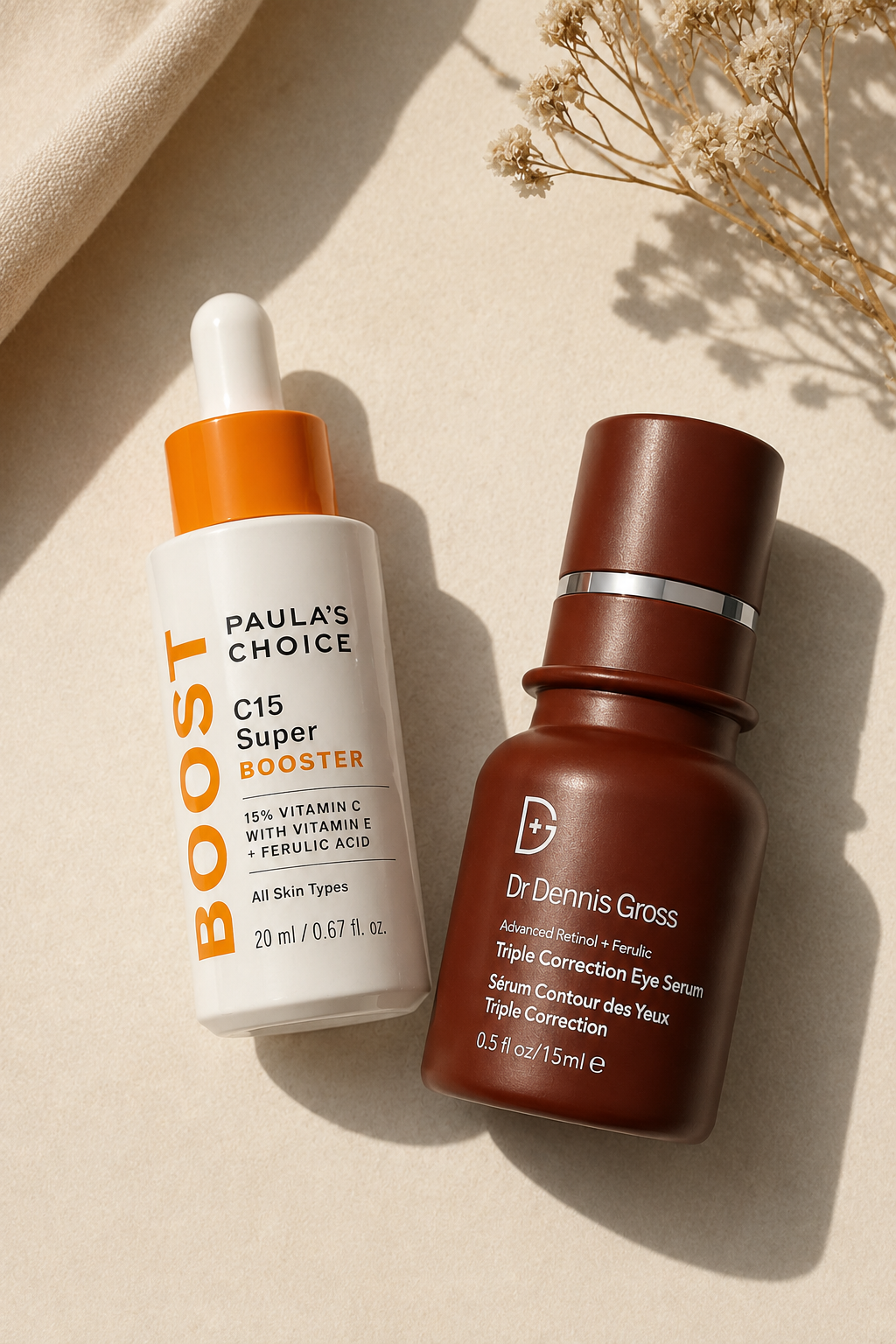
Two Ingredients Worth Having in Your Routine
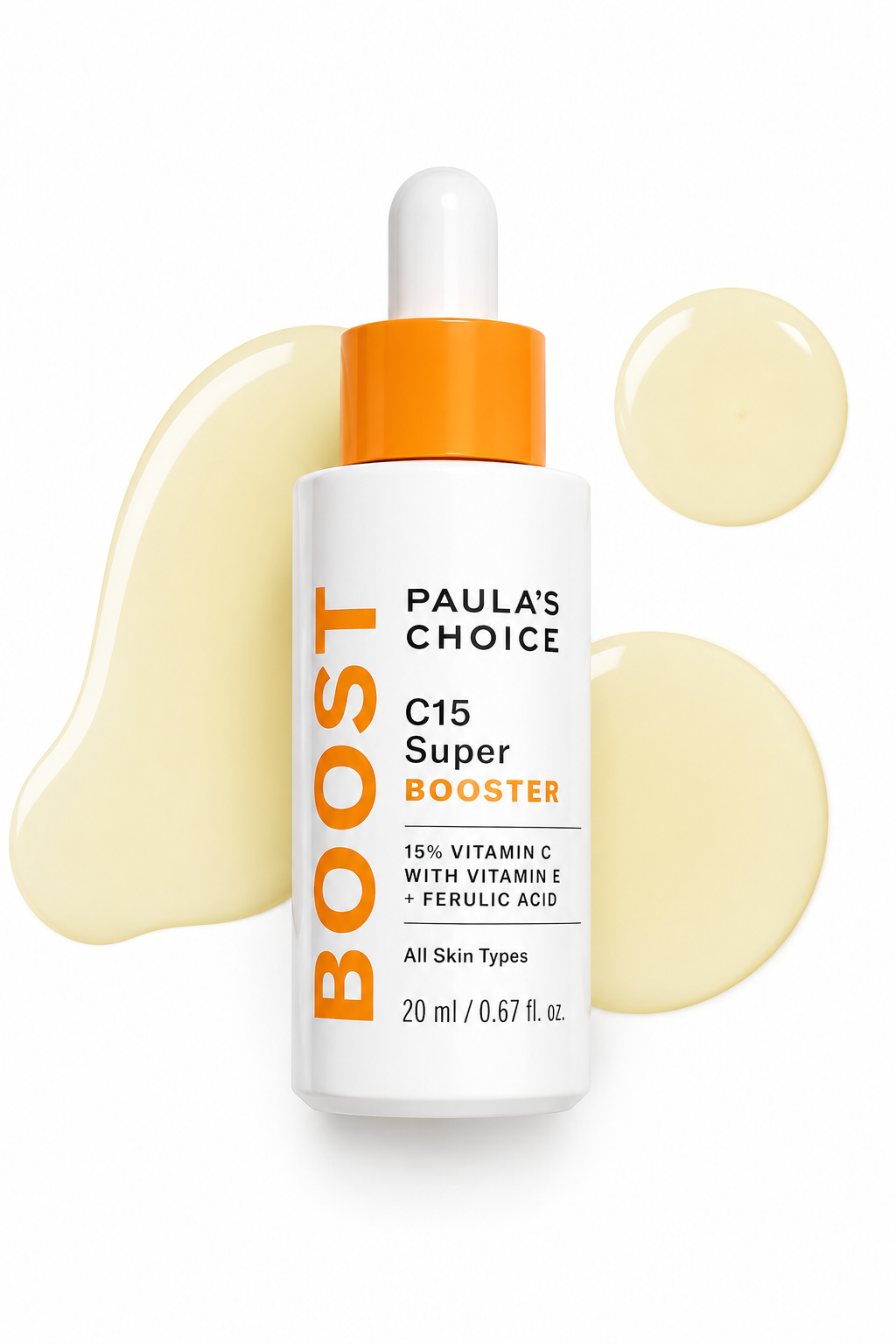
15% Vitamin C with Vitamin E & Ferulic Acid. Fragrance-free antioxidant serum for discoloration, glow, and daily environmental defense.
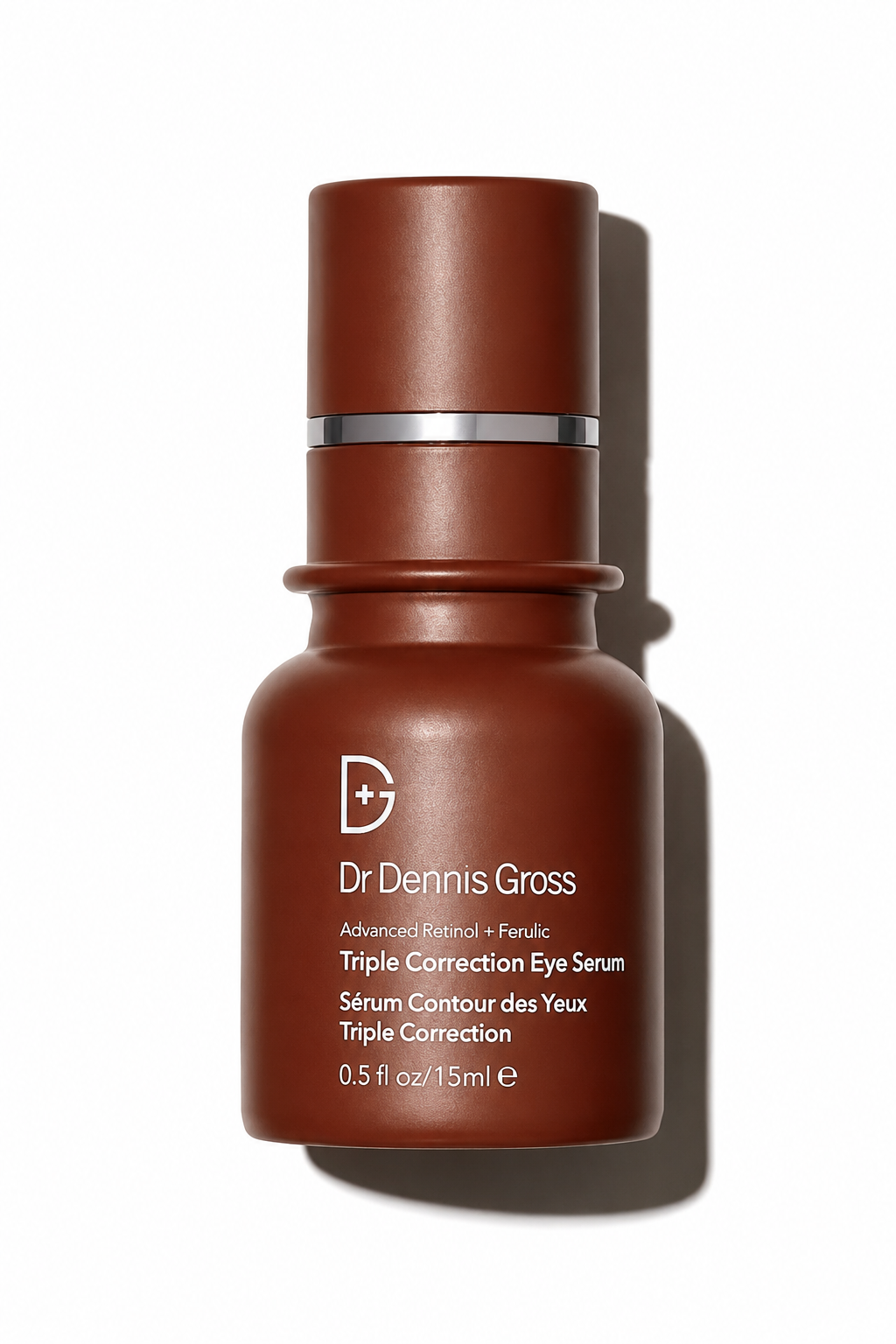
15ml targeted eye serum combining retinol and ferulic acid for the delicate eye area. Addresses fine lines and supports skin renewal around the eyes.
More From Glowing Skin Hub
- 01 I Took Collagen Every Day for 30 Days Instead of Buying New Serums — Here’s What Happened to My Acne & Skin Texture
- 02 Silk Pillowcase vs. Cotton for Acne — I Slept on Both for 15 Days Each and the Results Surprised Me
- 03 I Used an Affordable Red Light Therapy Device Every Night for 30 Days — Here’s What It Actually Did to My Acne Scars
- 04 I Stopped Treating My Acne and Started Feeding My Skin Instead — Here’s What 30 Days Did
- 05 I Used Hypochlorous Acid for 30 Days — Here’s What Actually Happened to My Acne