Transparency Notice: This article may contain affiliate links. If you choose to purchase a product through these links, GlowingSkinHub may earn a small commission at no additional cost to you. We maintain strict editorial independence — we only discuss products and topics we believe may genuinely benefit our readers. Our opinions are always our own.
I Used an Affordable Red Light Therapy Device Every Night for 30 Days — Here’s What It Actually Did to My Acne Scars
A grounded, research-aware first-person account — no before-and-after miracles promised, just an honest look at what consistent use of an affordable red light device did and didn’t do for my post-acne marks.
Editorial Note: This article reflects the personal experience and research of the author. It is not a substitute for professional medical advice. Please consult a qualified dermatologist before beginning any new device-based skincare routine, especially if you have active skin conditions.
Let me be upfront with you from the start: I am not here to tell you that an affordable device transformed my skin overnight, gave me the complexion of a skincare influencer, or magically erased years of post-acne discoloration in a single month.
What I am here to tell you is what actually happened when I committed to thirty consecutive nights of red light therapy using an affordable entry-level device — the texture I noticed shift, the limitations I ran into, the research that informed my expectations before I even switched the thing on, and the honest, nuanced truth that sits somewhere between “this did absolutely nothing” and “this changed my skin forever.”
Because here’s the thing about at-home red light therapy: it exists in an interesting grey zone. There’s emerging science that suggests it may support skin health in certain meaningful ways. There’s also a significant gap between what high-powered clinical devices can achieve and what a consumer device can realistically deliver. Understanding that gap — before you spend a single dollar — is arguably the most important part of this entire conversation.
So grab a glass of water, settle in, and let’s actually talk about this.
- Red light therapy is a real photobiomodulation technology with a body of emerging research, but at-home devices — especially affordable ones — differ significantly from clinical-grade equipment.
- After 30 nights of consistent use, I noticed subtle improvements in skin texture and a very gradual softening of certain post-inflammatory marks — but no dramatic pigmentation reversal.
- Results, if any, depend heavily on consistency, device quality, skin tone, scar type, and individual biology. There are no guarantees.
- Red light therapy is generally considered low-risk for most people, but is not appropriate for everyone — particularly those on photosensitizing medications or with certain conditions.
- This should be thought of as a potential supplementary addition to a broader, evidence-based skincare routine — not a standalone solution.
What Exactly Is Red Light Therapy?
Red light therapy (RLT) — also known as low-level laser therapy (LLLT), photobiomodulation (PBM), or phototherapy depending on the context — is a treatment that uses specific wavelengths of red and near-infrared light to interact with cells in the body.
Unlike UV light, which can damage DNA and is associated with skin aging and cancer risk, red and near-infrared light sit at the gentler end of the visible and invisible spectrum. In skincare, the wavelengths most commonly studied range from approximately 630–670 nanometers (visible red) to 810–850 nanometers (near-infrared, which penetrates more deeply into tissue).
The technology itself isn’t new. Research into the effects of specific light wavelengths on biological tissue has been ongoing since the 1960s, initially in wound healing and muscle recovery contexts. Over the past two decades, interest has expanded meaningfully into dermatology, with researchers exploring potential applications in collagen stimulation, acne management, scar treatment, and broader skin rejuvenation.
How Does It Potentially Work?
The leading theory behind red light therapy’s proposed biological effects centers on a molecule called cytochrome c oxidase, an enzyme found in the mitochondria of our cells — our cellular energy producers. The hypothesis is that certain wavelengths of red and near-infrared light are absorbed by this enzyme, potentially stimulating mitochondrial activity and increasing the production of adenosine triphosphate (ATP), the primary energy currency of cells.
If cells have more available energy, the thinking goes, they may be better equipped to carry out their normal repair and regenerative functions — including the production of collagen, the modulation of inflammation, and the turnover of damaged tissue.
It’s worth noting, however, that while the mitochondrial absorption theory is the most widely accepted explanatory model, the precise biological mechanisms are still an active area of research. The science is promising but not yet fully settled, and results in studies have been variable depending on device parameters, treatment protocols, skin types studied, and outcome measures used.
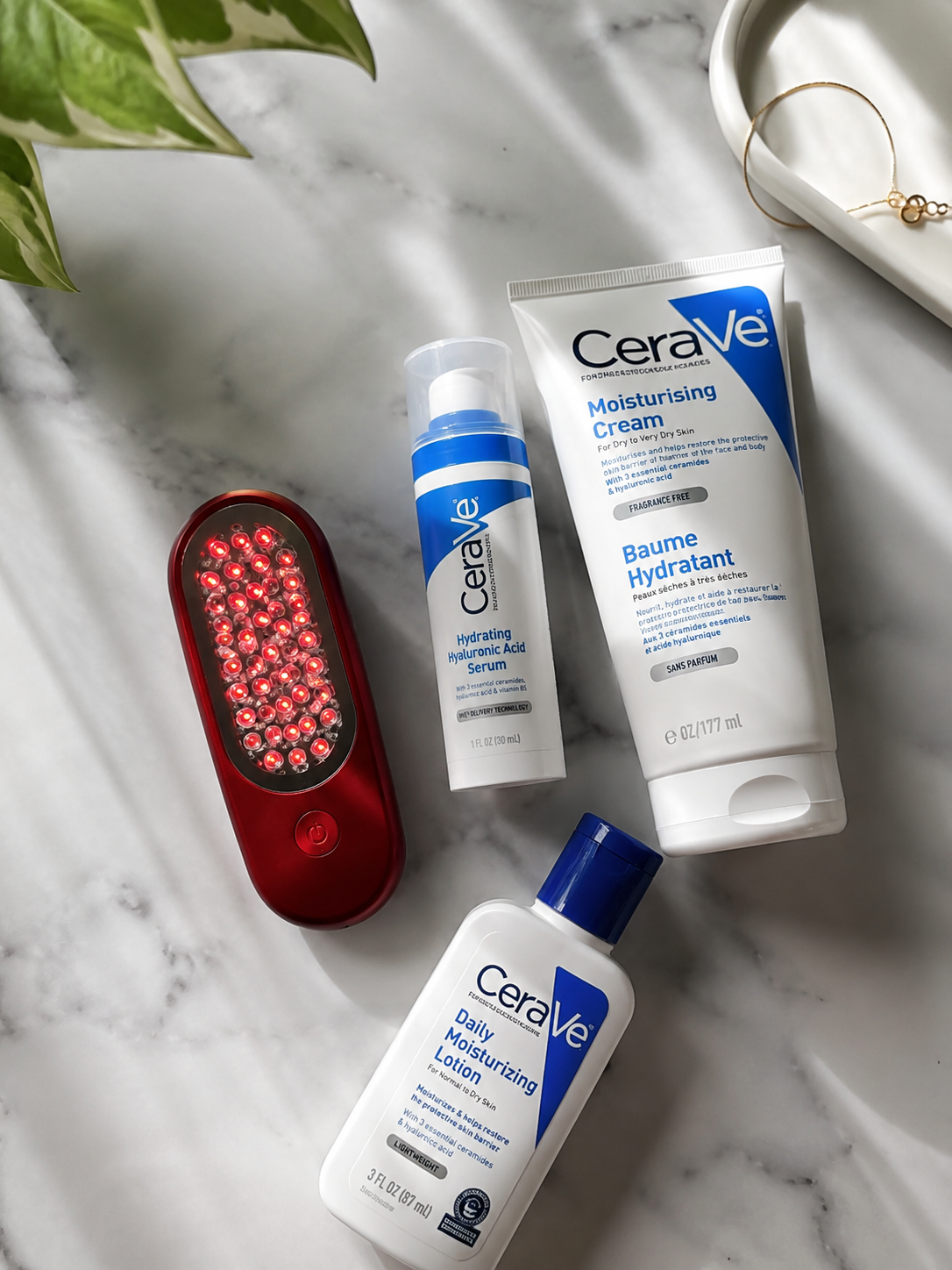
At-home red light devices use LED (light-emitting diode) panels or handheld wands to emit light at specific wavelengths. The key variables that influence efficacy are wavelength (nm), irradiance (power output, measured in mW/cm²), treatment duration, and distance from skin. Consumer-grade devices often have lower irradiance than clinical counterparts, which means treatment times and outcome potential may differ considerably.
What Does the Research Currently Suggest?
Before I get into my personal experience, I want to spend time here — because I think understanding the evidence landscape is essential for setting appropriate expectations.
A 2014 systematic review published in the Journal of Clinical and Aesthetic Dermatology examined multiple studies on low-level laser and LED light therapy for acne and scarring. The reviewers noted that several studies reported improvements in acne lesion counts and scar appearance with light therapy, but emphasized that study quality, device variation, and small sample sizes made it difficult to draw firm universal conclusions.
A 2019 review in Photobiomodulation, Photomedicine, and Laser Surgery similarly found positive signals for red and near-infrared light in wound healing and collagen remodeling, while calling for more standardized, large-scale clinical trials to strengthen the evidence base.
Note: Citations here refer to the general research literature. Consult PubMed or a dermatologist for primary sources.
What Specific Effects Are Studied in Dermatology?
When it comes to skin applications specifically, the areas most actively studied include:
- Post-inflammatory hyperpigmentation (PIH): The flat, discolored marks left behind after acne heals. Some research suggests light-based interventions may help modulate melanin production over time, though results are inconsistent.
- Collagen synthesis: Several studies have found that specific red light wavelengths may stimulate fibroblast activity — the cells responsible for producing collagen.
- Inflammation modulation: Red light may have anti-inflammatory properties that could be relevant to active acne reduction and potentially to the wound-healing phase that precedes scar formation.
- Skin surface texture: Some small studies and clinical reports have noted improvements in overall skin texture, smoothness, and tone with consistent red light use over weeks to months.
The Important Caveat
Much of the stronger research uses professional-grade devices with precisely calibrated irradiance, controlled wavelengths, and clinical protocols. The leap from that evidence to what an affordable consumer device can replicate is not a small one. This doesn’t mean consumer devices are useless — but it does mean the results, if any, are likely to be more modest, slower to appear, and more variable between individuals.
“The gap between clinical red light therapy and an affordable at-home wand is real and significant — but so, potentially, is the gap between doing nothing and doing something consistently over many weeks.”
Where I Was Starting From
A bit of context about my skin, because it matters when evaluating any personal account of a skincare experiment.
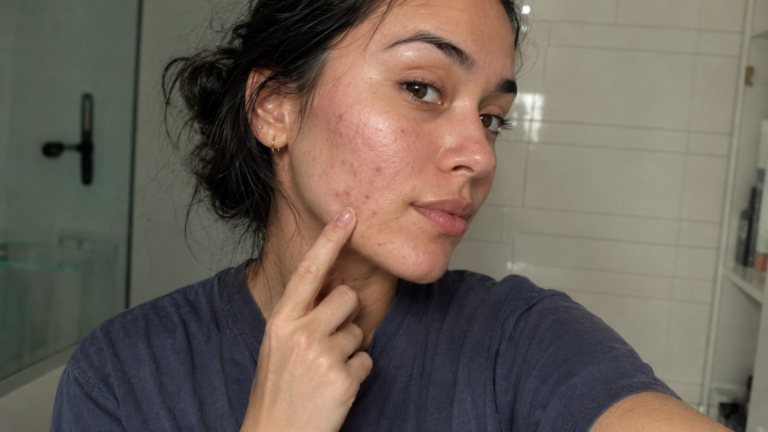
I’m in my late twenties, with combination skin — oilier in the T-zone, drier on the cheeks — that has been acne-prone for most of my adult life. I had a particularly rough stretch in my mid-twenties where a combination of stress, hormonal fluctuations, and some questionable product choices led to a significant breakout cycle that left me with a collection of post-inflammatory marks scattered across my forehead and chin.
My concerns going into this experiment were primarily:
- Post-inflammatory hyperpigmentation (PIH): Flat, reddish-to-brownish discoloration left behind from past breakouts.
- Mild textural unevenness: A few shallow areas of uneven texture where repeated breakouts in the same spots had left the skin surface looking slightly irregular.
- Overall dullness: My skin tone was uneven in a general way that I’d attribute to accumulated PIH and sun exposure history.
What I was not dealing with were deep ice-pick scars, keloid scarring, or active cystic acne during the experiment period.
About the Device
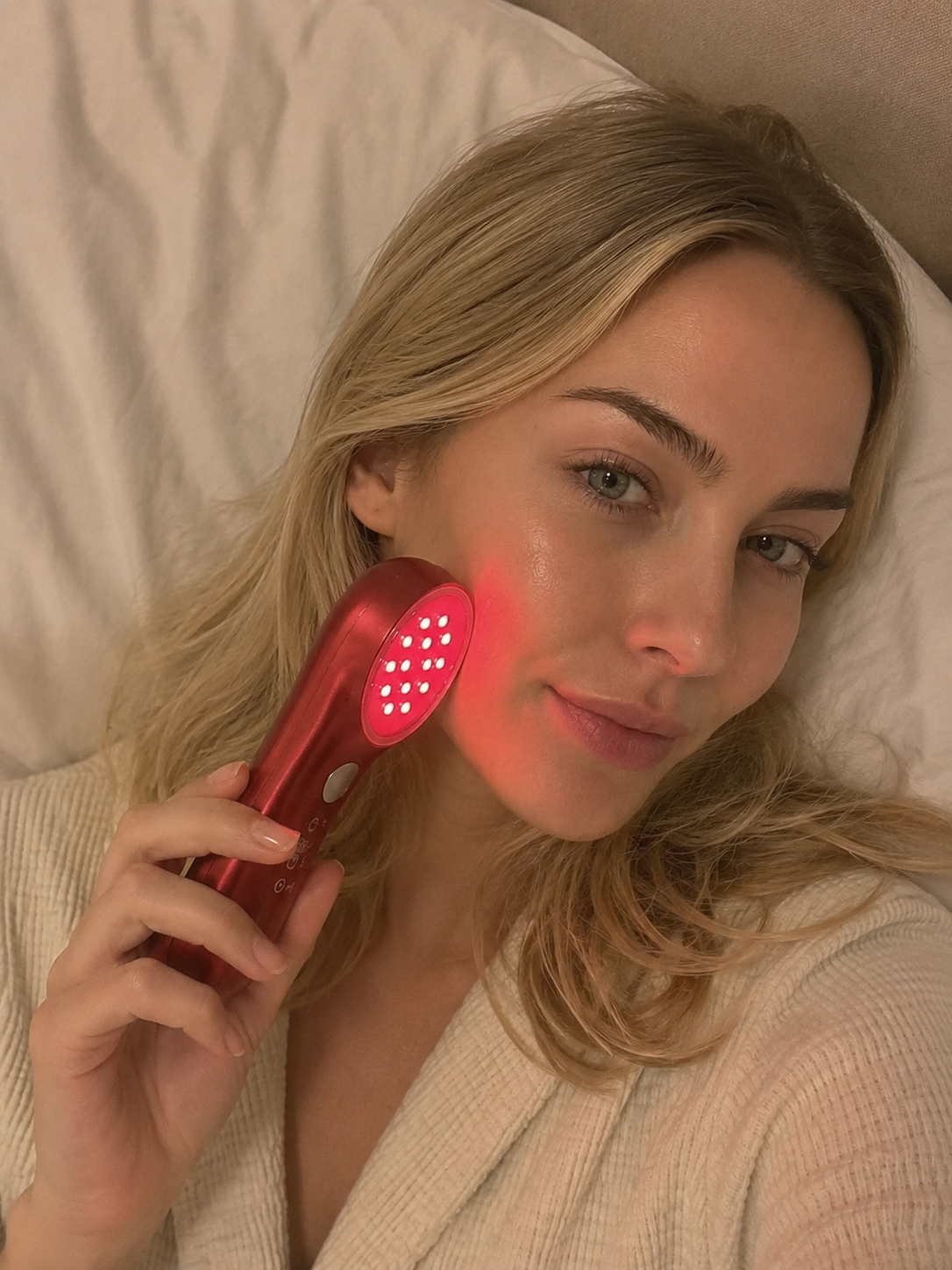
I’m not naming a specific product here, both because I’m not endorsing any particular brand and because the specific device I used is less important than understanding the category. What I used was a small, handheld LED panel — the kind of entry-level device that has become widely available through major online retailers.
The device claimed to emit red light at approximately 630–660nm, with some near-infrared LEDs in the 830–850nm range. I have no independent means of verifying those specifications, which is worth acknowledging.
What to Look For in Any At-Home Device
- Wavelength: Look for 630–670nm for red light; 810–850nm for near-infrared.
- Irradiance (mW/cm²): The actual power reaching your skin.
- Treatment area: A small wand covers less surface area per session than a panel.
- Safety certification: Look for FDA-registered devices as a baseline indicator.

My Exact 30-Day Protocol
Consistency is genuinely everything with a low-power device. I kept my protocol as controlled as I reasonably could.
Clean Skin First
I used the device only on clean, dry skin — no active serums or oils applied beforehand. Some photosensitizing skincare ingredients should not be on the skin during light therapy sessions.
10 Minutes Per Zone, Every Night
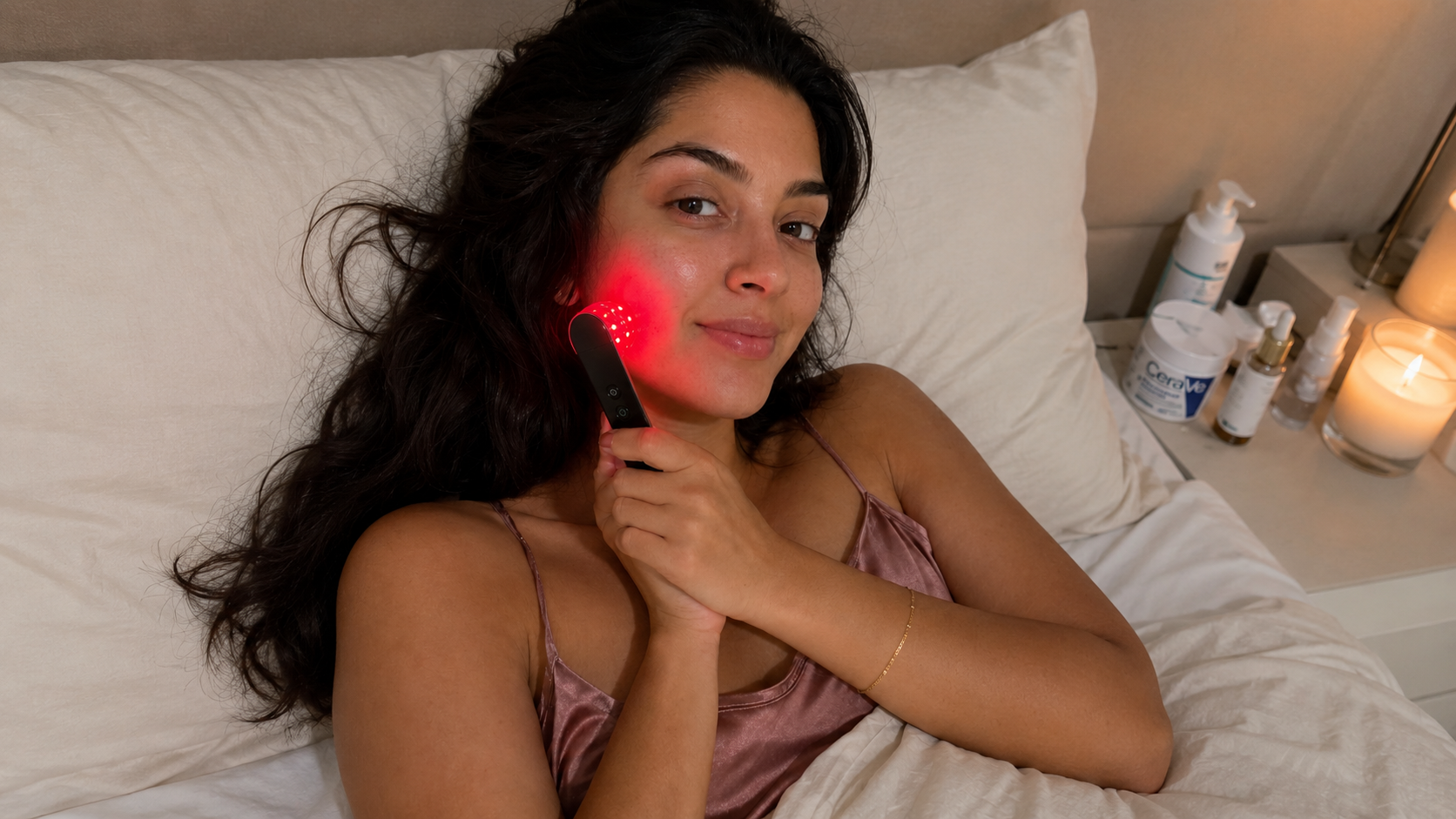
I divided my face into sections — forehead, right cheek/chin, left cheek/chin — and spent approximately 10 minutes on each area most nights. Eyes were always protected with the included goggles.
Consistent Distance
I held the device approximately 2–3 inches from my skin, per the device guidelines. Distance directly affects how much light actually reaches the skin surface.
Stable Skincare Routine
I deliberately did not introduce any new skincare products during the 30 days. My existing routine remained completely unchanged — this was important for isolating any potential effects of the device.
Skincare Applied After, Not Before
Post-session, I applied my nighttime routine: a gentle hydrating toner, a simple peptide moisturizer. No retinol during this period, as it can increase photosensitivity.
What I Noticed, Week by Week
I’ll be honest about how anticlimactic parts of this timeline are — because I think that honesty is exactly what this conversation needs.
Week one was largely unremarkable. I didn’t notice any adverse effects — no redness, no irritation, no unexpected reactions. My skin felt about the same. I was skeptical, but also reminding myself that cellular-level changes — if they were happening at all — would not be visible in a week. I kept going. The main thing I noticed was that the ritual itself felt pleasant.
By the end of week two, I thought I noticed something — but I was uncertain enough to be cautious about interpreting it. My skin surface seemed slightly smoother in certain lighting. Whether this was the device, my slightly upgraded hydration routine, confirmation bias, or coincidence, I genuinely couldn’t say with certainty. No visible change to PIH at this stage.
This was the stretch where I felt something was genuinely shifting — though subtly. The uneven texture I’d been dealing with in my chin area looked and felt slightly more refined. Skin overall appeared more even, less dull in my morning mirror check. A few of my older, more faded PIH marks seemed marginally lighter.
By the end of the month, I could observe a meaningful improvement in skin texture and a general brightening and evening of skin tone. My overall complexion looked less tired and more uniform. The post-inflammatory marks? Lighter than when I started — but the improvement was incremental, not dramatic. The darker, more recent marks were largely unchanged.
What Changed — And What Didn’t
What I Noticed Improving
- Overall skin texture: Noticeably smoother in the areas I used the device most consistently.
- General luminosity: Skin looked less dull and more even in tone by day 30.
- Older, lighter PIH: Several marks that were already in the process of natural fading seemed to fade somewhat faster.
- Skin felt calmer: On the few occasions I felt a small pre-breakout inflammation coming on, it seemed to resolve without fully forming.
What Did Not Change (Or Changed Very Little)
- Darker, more recent PIH: Minimal response within 30 days.
- Textural scarring: Shallow areas of textural unevenness from older breakouts did not show meaningful improvement.
- Large pores: No noticeable change.
- Deep-set discoloration: Unaffected within this timeframe.
“The honest conclusion is that something did happen — just not everything. Texture improved. Tone evened slightly. The most stubborn marks remained. That, in itself, felt like a real and useful answer.”
Red Light Therapy and Acne Scars: What the Research Specifically Suggests
It’s worth spending a moment distinguishing between different types of post-acne skin changes, because the evidence applies differently to each.
Post-Inflammatory Hyperpigmentation (PIH)
PIH is not technically a “scar” in the structural sense — it’s a discoloration response where the skin produces excess melanin in response to inflammation. These typically fade naturally over months to years, though the timeline varies considerably based on skin tone, UV exposure, and ongoing breakout activity.
Post-Inflammatory Erythema (PIE)
PIE refers to the pinkish or reddish marks more commonly seen in lighter skin tones. These result from damage to capillaries during inflammation. Red light therapy’s potential anti-inflammatory and circulation-supporting effects may be more relevant here.
Atrophic Scars
These are the textural scars — ice-pick, rolling, and boxcar — that involve actual tissue loss beneath the skin surface. At-home device power levels are unlikely to meaningfully address established atrophic scarring. Professional treatments remain the more evidence-supported option for this scar type.
Studies examining photobiomodulation for acne scarring have generally used irradiance levels in the range of 20–100+ mW/cm², with session durations and frequencies that are carefully calibrated. Many consumer devices operate below these parameters. This does not make them ineffective, but it does mean the research outcomes may not directly translate to at-home device use.
Always be cautious about extrapolating clinical study results to consumer-grade devices. The variables are meaningfully different.

Get Your Free Skin Barrier Reset Guide PDF
Everything you need to rebuild, soothe, and strengthen your skin barrier — delivered straight to your inbox, completely free.
No spam, ever. Unsubscribe anytime. We respect your privacy.
Who May Benefit — And Who Should Use Caution
Red light therapy is generally considered low-risk for most healthy adults when used as directed. But “generally low risk” doesn’t mean “appropriate for everyone.” Here’s an honest breakdown:
- Mild to moderate PIH from past breakouts
- Post-inflammatory erythema (redness marks)
- Mild textural unevenness
- Generally healthy, stable skin
- Patience for gradual, modest results
- An existing strong skincare foundation
- Interest in a low-risk supplementary tool
- Active, severe, or cystic acne
- A history of photosensitivity
- Lupus or other light-sensitive conditions
- Photosensitizing medications
- A history of skin cancer
- Thyroid conditions
- Deep atrophic or keloid scarring
The majority of published studies on light-based skincare interventions have historically included predominantly lighter skin tones. This means the evidence base is less comprehensive for people with medium to deep skin tones.
If you have a medium or deep skin tone, this is an especially important reason to consult with a board-certified dermatologist who has specific experience with your skin tone before using any light-based device.
Common Mistakes People Make With At-Home Red Light Therapy
Expecting Results Too Quickly
Cellular-level changes take time. Most research protocols span weeks to months, not days. Starting a device and expecting visible results within the first week or two is likely to lead to disappointment and premature abandonment.
Using It Inconsistently
This is probably the single biggest factor that determines whether someone sees any benefit at all. Using a device a few times a week, skipping sessions, or abandoning it after two weeks is unlikely to yield meaningful results.
Applying Products Before Use That May Interfere
Using photosensitizing products — including AHAs, BHAs, retinoids, or benzoyl peroxide — immediately before a red light session is not recommended. Clean skin is the safest starting point.
Skipping Sun Protection
If you are working on PIH specifically, consistent daily SPF use is not optional — it’s arguably the most important single step you can take. UV exposure actively worsens hyperpigmentation.
Treating It as a Replacement for a Strong Skincare Routine
Red light therapy is, at best, a potential supplement to a well-designed skincare routine — not a replacement for it. Vitamin C, consistent SPF, adequate hydration, and appropriate actives will almost certainly do more for your PIH than red light therapy alone.
Overusing the Device
More is not always better with light therapy. Excessive use can potentially have counterproductive effects. Sticking to manufacturer guidelines for session duration and frequency is the sensible approach.
How to Maximize Your Results (Realistically)
Commit to at Least 60–90 Days Before Evaluating
Thirty days was enough for me to notice texture improvement, but evaluating pigmentation changes likely requires a longer window.
Pair With a Vitamin C Serum in the Morning
Vitamin C is one of the most evidence-supported ingredients for hyperpigmentation. Using it consistently alongside your red light routine may produce better combined results.
Never Skip SPF
SPF 30 minimum, SPF 50 preferred, applied every single morning. UV exposure actively darkens PIH and will undermine any gains from other interventions.
Photograph Your Skin in Consistent Lighting Monthly
Gradual change is notoriously hard to perceive in the mirror day to day. Consistent monthly photographs allow you to make a more accurate assessment over time.
Be Realistic About the Device Tier You’re Working With
An affordable entry-level device is not a clinical device. Adjust your expectations accordingly. If you find it pleasant and notice subtle improvement, that’s a reasonable outcome.
How to Combine Red Light Therapy With Your Skincare Routine
Morning Routine Compatibility
Complete your red light session before applying any skincare products. Follow with your regular morning routine — gentle cleanser, antioxidant serum (vitamin C is an excellent companion), moisturizer, and SPF.
Evening Routine Compatibility
Cleanse first, use your red light device on clean dry skin, then follow with your evening skincare. If you use retinoids, note that some practitioners suggest not using retinoids on the same evening as red light, or using the retinoid after the session rather than before.
Generally fine to use the same day: Hyaluronic acid, peptides, niacinamide, ceramides, vitamin C (applied after the session), gentle moisturizers.
Use caution: Retinoids, AHAs/BHAs applied immediately before a session, benzoyl peroxide applied immediately before a session.
Always avoid: Applying any product during an active light therapy session. Clean skin only.
Setting Genuinely Realistic Expectations
Red light therapy at the at-home, budget level is not going to:
- Erase deep atrophic scars
- Produce dramatic overnight changes
- Work identically for every person
- Replace professional dermatological treatment for significant scarring
- Guarantee any specific outcome
What it might do, with consistent use over weeks to months:
- Support a subtle improvement in skin texture
- Potentially contribute to an incremental brightening or evening of skin tone
- Provide a low-risk addition to an already strong skincare routine
- Offer a calming, wellness-oriented ritual that encourages consistency with your overall skincare practice
And importantly — results will vary. Your skin is not my skin. Your scar history, your skin tone, your hormonal profile, your diet, your stress levels, your existing routine, and dozens of other individual factors will shape what you experience.
Pros and Cons: An Honest Assessment
- Generally low risk for most healthy adults
- Non-invasive, painless, and convenient
- Low cost of entry compared to professional treatments
- Emerging research provides some scientific basis
- May support skin texture improvement over time
- Easy to fit into an existing nighttime routine
- No recovery time or skin downtime required
- Can be a positive, mindful ritual in itself
- Budget devices may not match clinical-grade output
- Evidence for PIH specifically is still developing
- Results are modest and slow — if they appear at all
- Not effective for deep textural or atrophic scarring
- Requires significant time commitment
- Research largely built on clinical devices, not consumer-grade
- Not appropriate for everyone — safety caveats apply
- Results vary considerably between individuals
When It May Be Worth Going Professional Instead
If your acne scarring is significant — deep atrophic scars, prominent PIH that hasn’t responded to consistent evidence-based skincare over many months, or textural changes that genuinely affect your confidence — an affordable at-home device is unlikely to be the solution you need.
Professional options worth discussing with a board-certified dermatologist include:
- Chemical peels: Professionally administered AHA, TCA, or other acid peels can meaningfully address surface-level PIH and mild textural concerns when used appropriately for your skin type and tone.
- Microneedling: Creates controlled micro-injuries that stimulate collagen production — more evidence-supported for textural scars than at-home red light therapy.
- Professional laser treatments: Including clinical-grade fractional laser resurfacing, pulsed dye laser (for PIE/vascular marks), and Q-switched laser or IPL for pigmentation.
- Professional-grade LED therapy: In-office LED panels with precisely calibrated parameters operate at a meaningfully different level than consumer devices.
- Prescription topicals: Tretinoin, hydroquinone (where appropriate), and azelaic acid have strong evidence bases for hyperpigmentation.
At-home red light therapy at the budget level is best positioned as a complement to — not a replacement for — a well-designed skincare routine and, where warranted, professional dermatological care.
Frequently Asked Questions
The honest answer is: it depends on what you mean by “acne scars” and what you consider “getting rid of.” For post-inflammatory hyperpigmentation (flat discoloration), red light may support gradual fading — but evidence is still developing, results are inconsistent, and the process is slow. For textural or atrophic scarring, at-home red light devices are unlikely to produce meaningful structural change.
Research protocols typically span 8–16 weeks of consistent use. If you’re going to genuinely evaluate at-home red light therapy, commit to at least 60–90 days of consistent daily or near-daily use before forming a conclusion.
For most healthy individuals, daily use of a consumer-grade red light device as directed appears to be well-tolerated. However, following your device’s specific usage guidelines is important, and if you have any health conditions, photosensitivity history, or are on medications — consult your doctor or dermatologist before beginning.
Price does correlate with quality factors like irradiance, LED count, build quality, and independently verified specifications — but an expensive device is not a guarantee of results either. A budget device may produce more modest effects than a premium one. Manage expectations accordingly based on the price point you’re comfortable with.
This is worth discussing with your dermatologist directly. Retinoids can increase photosensitivity. Many practitioners recommend not applying retinoids immediately before a red light session. Always use SPF the following morning. When in doubt, consult a professional.
This is an important and underexplored question. The research literature has historically underrepresented medium to deep skin tones. Some light-based interventions carry greater risk of adverse effects in darker skin tones. If you have a medium or deep skin tone, consulting with a dermatologist who has specific experience with diverse skin tones is particularly recommended.
If your skincare routine doesn’t yet include consistent SPF, a vitamin C serum, and appropriate actives for your skin concerns, prioritizing those foundations will almost certainly yield better results per dollar than adding a red light device. Red light therapy makes most sense as a low-risk complement to an already-solid routine.
For most users, red light therapy at recommended device settings produces minimal side effects. Occasional temporary redness, warmth, or mild sensitivity can occur. Eye safety is important — always use provided goggles or keep eyes closed during sessions. If you experience persistent or unusual reactions, discontinue use and consult a professional.
Would I Recommend It — And Should You Try It?
After thirty nights of consistent use, my honest assessment is this: something happened, and it wasn’t nothing. My skin texture improved. My complexion looked more even and less dull by the end of the month. Some older, lighter PIH marks faded incrementally. And I didn’t experience any adverse effects. For a modest investment and a low-risk, low-effort nightly ritual, that’s a reasonable outcome.
But I want to be clear about the boundaries of that outcome. The darker marks remained largely unchanged. My textural irregularities weren’t meaningfully affected. And I cannot, with intellectual honesty, separate “the device did this” from “my skin was already slowly improving, and the device may have slightly supported that trajectory.”
So: would I recommend red light therapy? I’d recommend approaching it with curiosity and appropriate humility. It may be a useful, low-risk supplementary tool if you have realistic expectations, a consistent protocol, patience for gradual results, and a strong existing skincare foundation beneath it.
And if you do try it — give it real time, be consistent, photograph your skin monthly in consistent lighting, and judge the results honestly rather than wishfully. That’s the only way any of us actually know what’s working.
Important: This article is written from a personal experience and research perspective. It is not medical advice, and it does not constitute a recommendation for any specific treatment or device. Every individual’s skin is different. Please consult a board-certified dermatologist before starting any new device-based skincare treatment, particularly if you have active skin conditions, take medications, or have concerns about your skin health.
Red Light Therapy Devices Worth Exploring
These devices were selected for this article based on their features and availability. As always, consult a dermatologist before beginning any device-based treatment. Affiliate links apply — see our disclosure above.
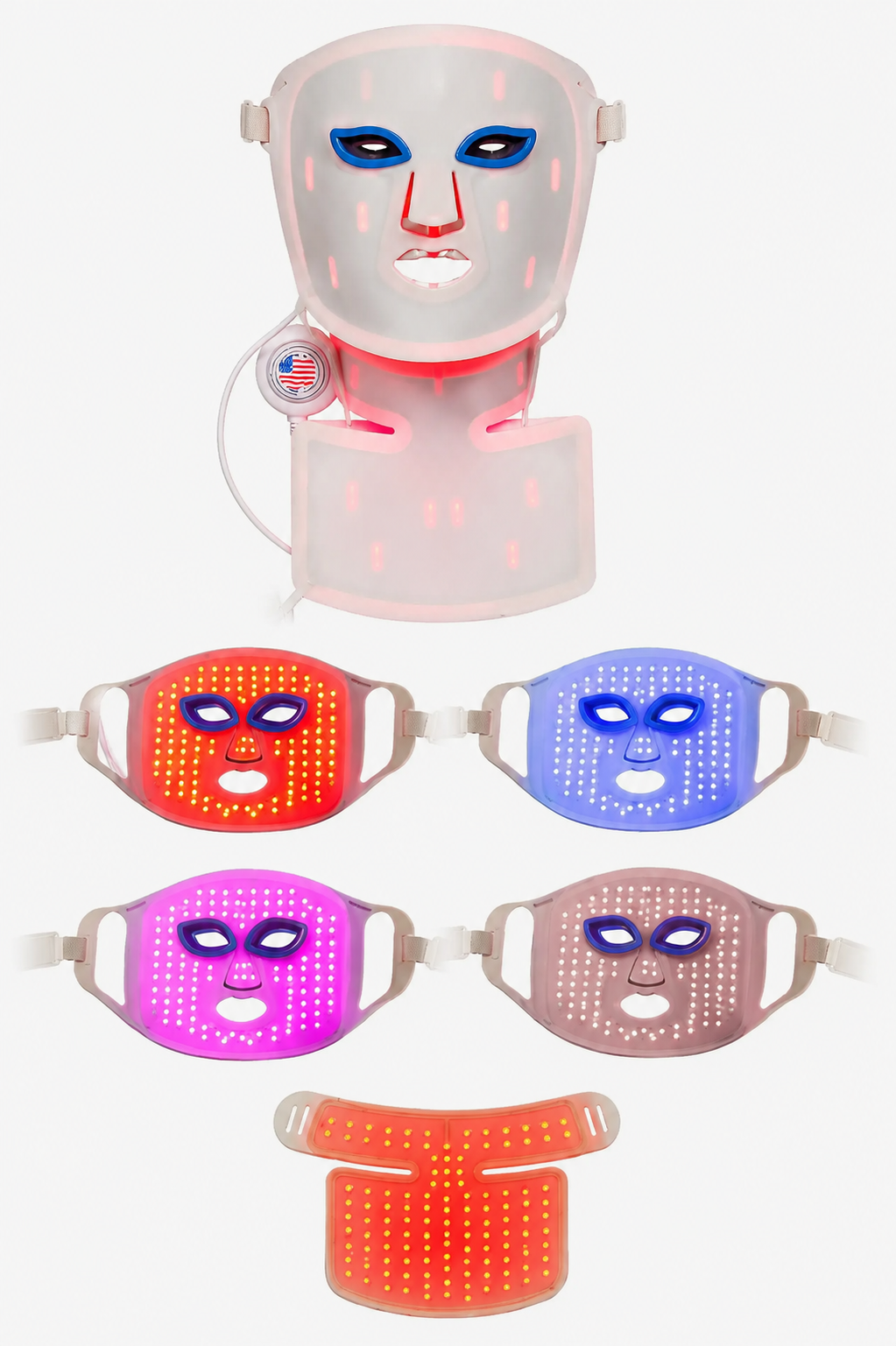
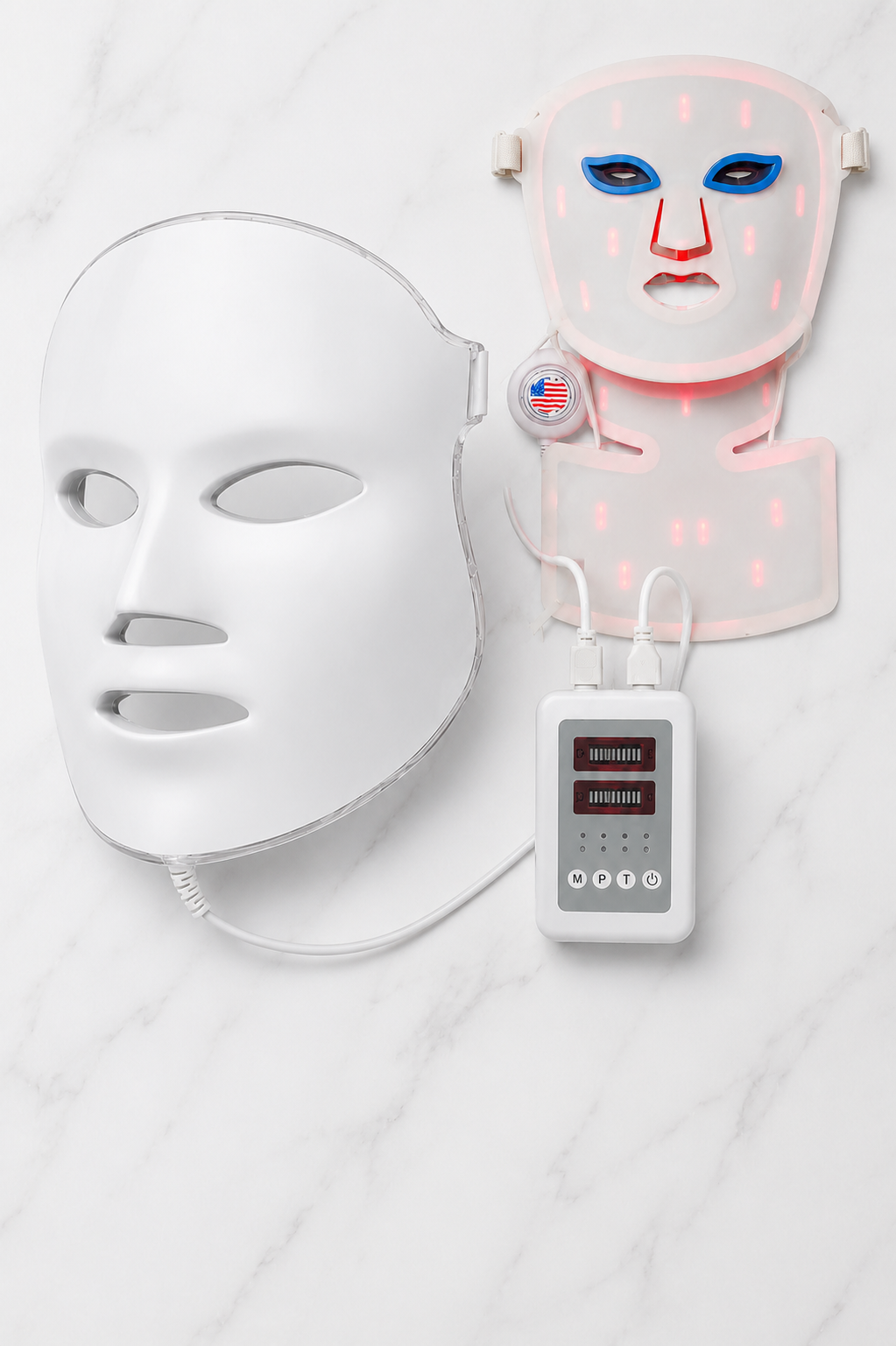
Lifepro Revitaglow Pro — Infrared Red Light Therapy Mask
234 triple chip silicon LED mask with 5 modes for face and neck. Designed for skin wellness and comfort with targeted red and near-infrared light delivery.
Check Current Price on AmazonAffiliate link — we may earn a small commission.
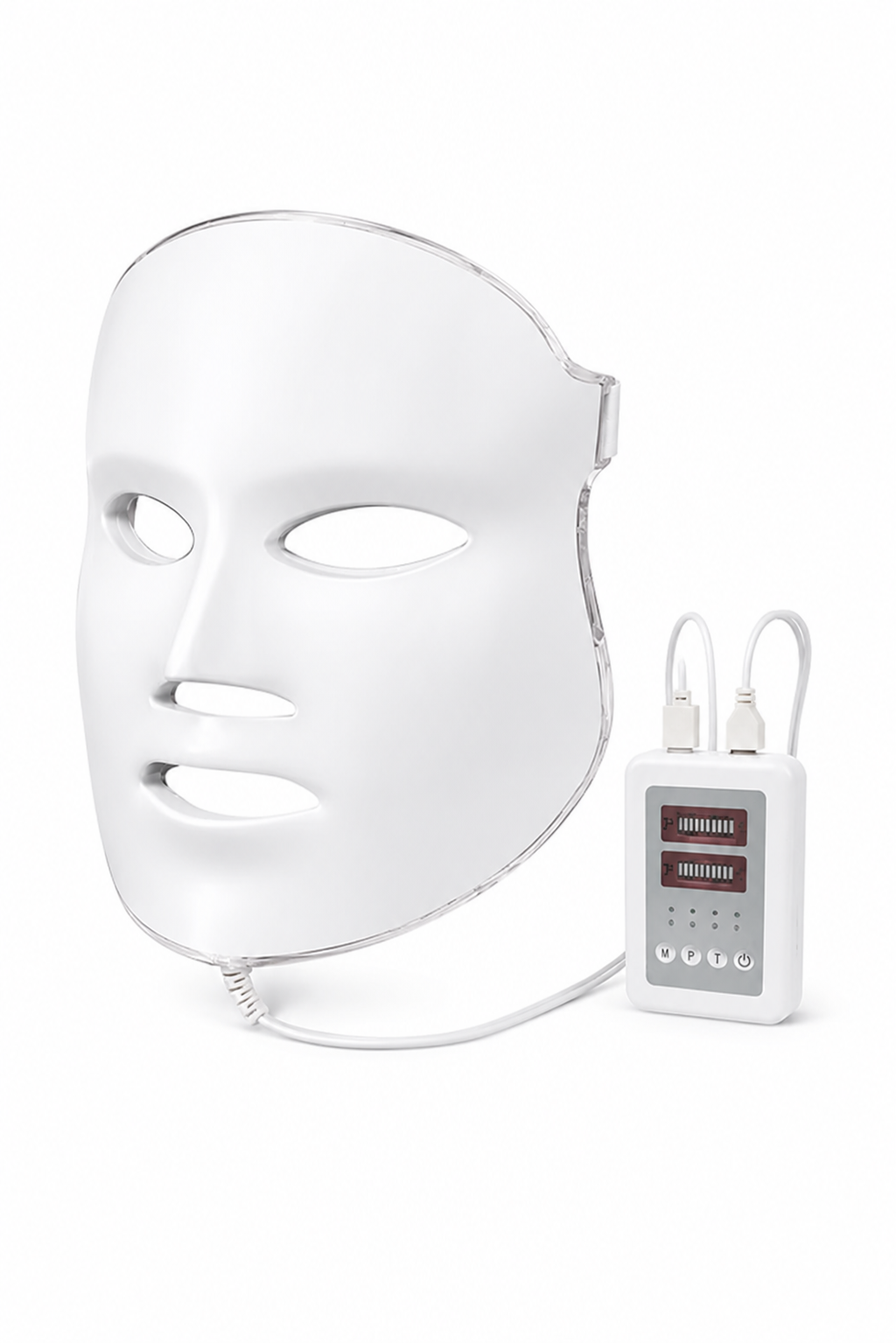
Aphrona Moonlight Pro — 7 Color LED Facial Mask
FDA cleared LED facial mask with 450 powerful LED chips. Combines red and blue light for acne and wrinkle support across 7 photon treatment modes.
Check Current Price on AmazonAffiliate link — we may earn a small commission.