I Put Beef Tallow on My Face for 21 Days | Glowing Skin Hub ↑ Affiliate Disclosure: This article contains affiliate links. We may earn a commission if you purchase through our links — at no extra cost to you. Read full disclosure ↓ Glowing Skin Hub Skin Science 21-Day Experiment ✦ 21-Day Experiment — TikTok vs Science I Put Beef Tallow on My Face for 21 Days — Here’s What Actually Happened I gave TikTok’s most controversial skincare trend a full 21-day trial — with daily photos, a dermatologist’s perspective, and zero filter on the results. 🕑 16 min read 📅 Updated 2026 🔬 Experiment-Based 🇺🇸 US Audience 📷 Daily Photo Documented 🔬 Science Referenced 🚫 No Brand Sponsorship ✓ Honest Results Only 🌿 Ashwani Soni...
Get link
Facebook
X
Pinterest
Email
Other Apps
I Stopped Using Toner for 21 Days — My Skin Barrier Healed Itself (Here's the Proof)
Get link
Facebook
X
Pinterest
Email
Other Apps
-
I Stopped Using Toner for 21 Days — My Skin Barrier Healed Itself | Glowing Skin Hub
Affiliate Disclosure: This article contains affiliate links. We may earn a small commission if you purchase through our links — at no extra cost to you. Read our full disclosure ↓
✦ Barrier Repair — Documented & Personal
I Stopped Using Toner for 21 Days — My Skin Barrier Healed Itself (Here's the Proof)
A first-person account of removing one product from my routine — and the science that helped me understand why my skin responded the way it did.
✍️ Glowing Skin Hub Editorial
🕐 14 min read
🔬 Science-Referenced
📅 Updated 2026
📖
Transparent & Personal
📊
21 Days of Daily Tracking
🔍
Science-Referenced
💬
Reader-First Editorial
DisclosureEditorial & Affiliate Transparency
This article contains affiliate links to products chosen based on ingredient transparency and compatibility with the protocol described below. If you purchase through one of our links, Glowing Skin Hub may earn a small commission at no additional cost to you. Our editorial choices are never influenced by affiliate rates. Read our complete editorial standards →
For Two Years, I Thought I Had Naturally Difficult Skin. Then I Removed One Product — and Everything Changed.
🌿
Ashwani Soni
Founder, Glowing Skin Hub
I started Glowing Skin Hub after years of struggling with reactive, over-treated skin. Everything I share here comes from personal experience, published research, and honest trial and error — not brand partnerships or sponsored claims.
Personal ExperienceResearch-ReferencedIndependent Editorial
For a long time, I genuinely believed my skin was just "sensitive." That some people are born with difficult skin and you manage it. You layer products. You find the right combination. You keep trying. Skincare marketing parameters dictate that if a baseline issue persists, you require another active intervention molecule to isolate the breakdown.
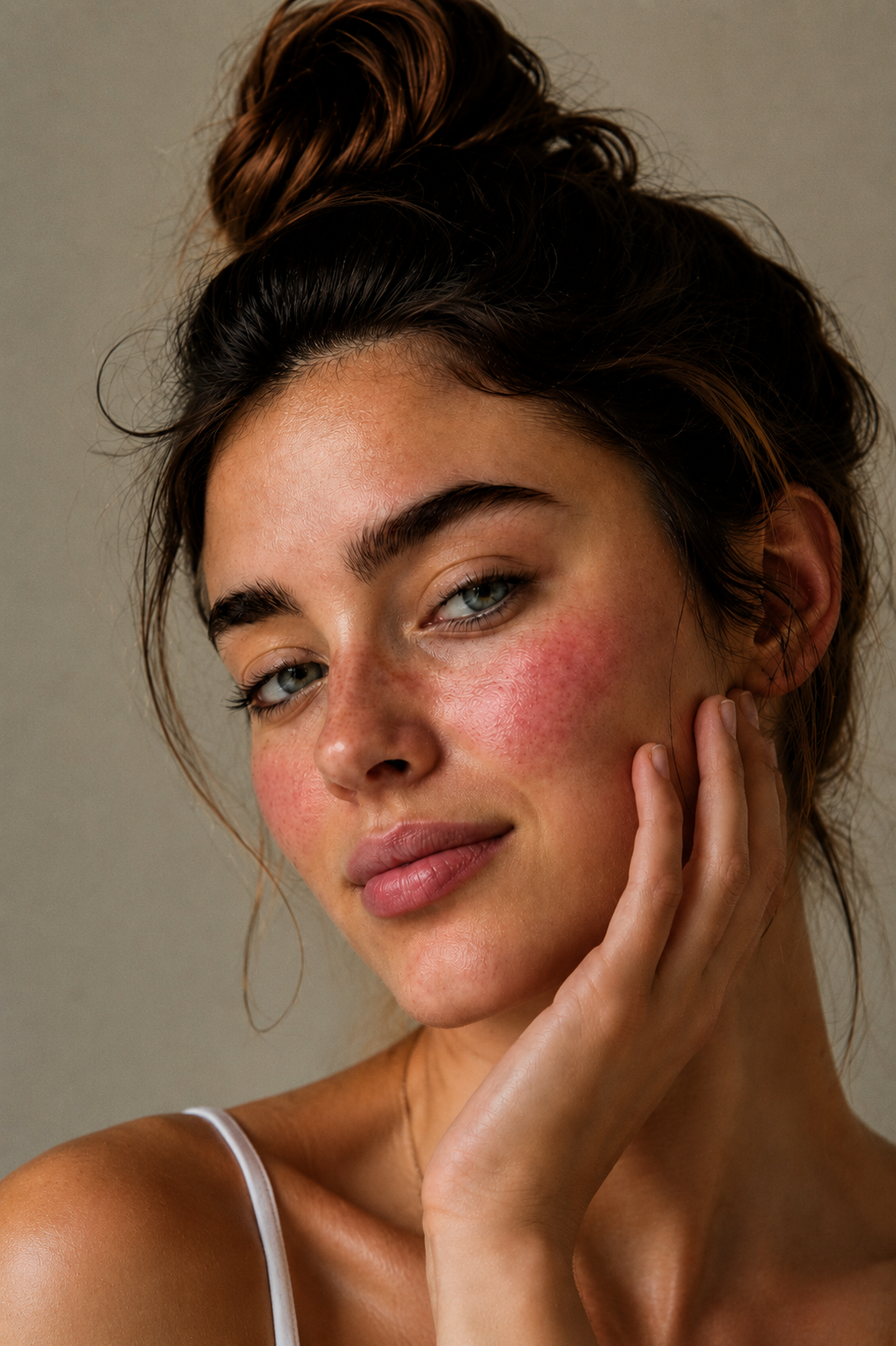
📷 Day 1 — Baseline ConditionFigure 1.1: Physical presentation showing noticeable vascular blushing and surface stratum corneum irritation before the 21-day reset.
My routine at the time involved eight steps, morning and evening. A hydrating toner, an exfoliating toner, an essence, two serums, and a moisturizer. And my skin was — genuinely — a mess. Not dramatically. But persistently uncomfortable in that low-grade way that becomes your normal. Always a little red. Always a little tight after washing. A cluster of small bumps along my chin that never fully went away. The epidermal stratum layer felt continuously tight, like a canvas stretched slightly too far across a frame.
I'd tried switching toners, upgrading toners, adding toners. I had three different ones on rotation. I was convinced the problem was always the product I hadn't tried yet. I spent months cataloging ingredients, looking for hidden sensitivities, without realizing the core issue was simpler: over-saturation of volatile penetrative mechanics.
"What if the thing I was using to fix my skin was the reason it couldn't fix itself?"
That thought hit me on an ordinary morning in February. I was reaching for my toner, and I just... stopped. I looked at the bottles lined up in a row. I thought about how long I'd been using them. And how my skin hadn't gotten better during any of it. So I put the toner away. For 21 days, I tracked everything — morning photos, same light, same angle, daily notes.
A quick note: This reflects my experience with my skin type. Skin is individual. If you have a specific skin condition, a dermatologist is always the right first call.
21days
Total experiment length
~70%
Estimated redness reduction by Day 21
3steps
Final routine (down from 8)
✦ Section One
The Science Part
What's Really Inside Your Toner (And Why It May Be Working Against You)
I want to share the science that helped me make sense of what happened — because when I understood why my skin responded the way it did, the whole experience clicked into place.
First — What Your Skin Barrier Actually Does
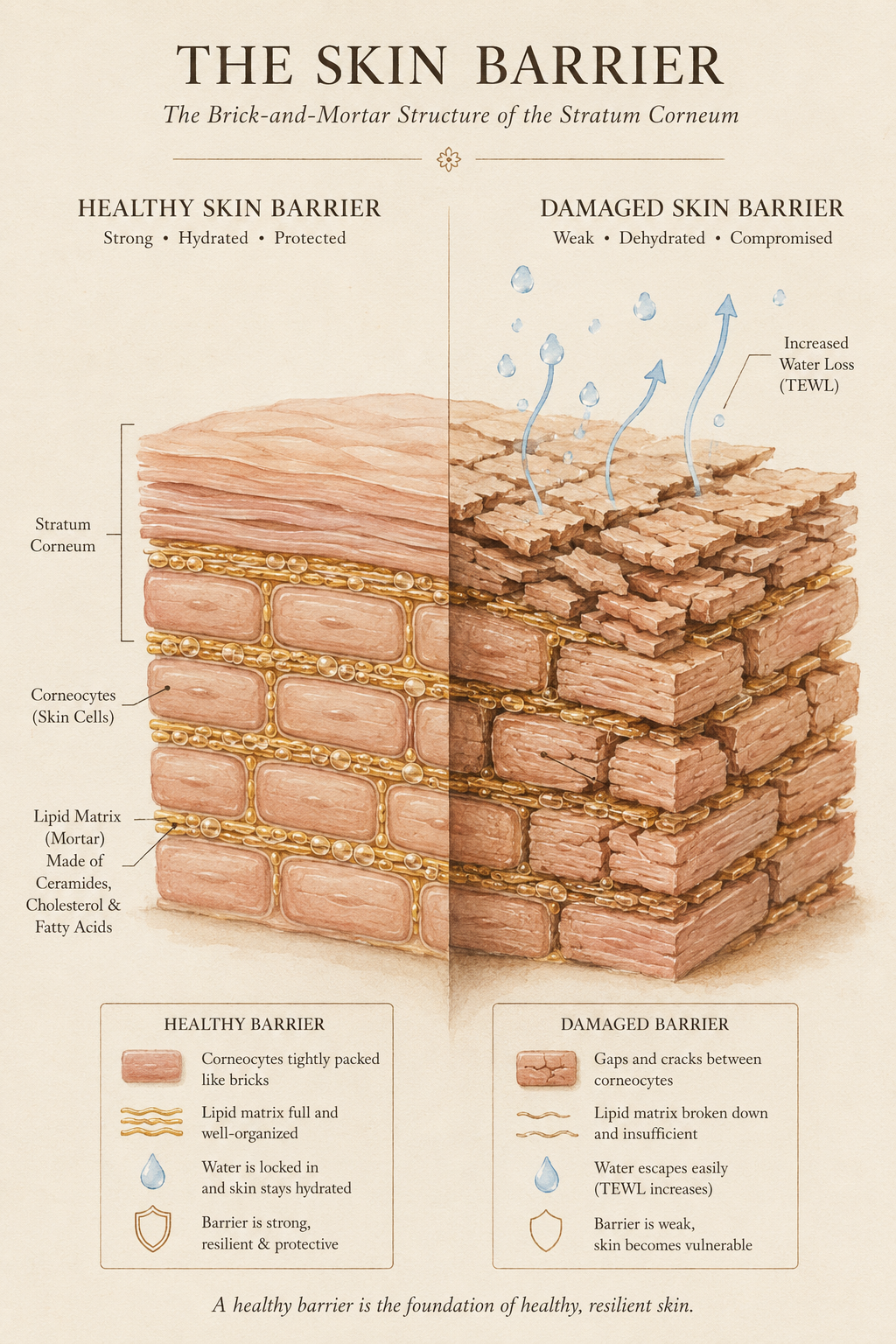
The outermost layer of your skin — the stratum corneum — is often described as a brick wall. The bricks are skin cells. The mortar holding them together is a lipid mixture: ceramides, fatty acids, and cholesterol arranged in precise layers. When that mortar is intact, your skin manages water loss on its own, maintains a slightly acidic pH, and keeps inflammatory responses calm.
🔬 Stratum Corneum AnatomyFigure 1.2: The brick-and-mortar skin barrier structure — highlighting structural gaps that lead to elevated transepidermal water loss (TEWL).
The clinical term for water moving through that barrier and evaporating is Transepidermal Water Loss, or TEWL. When TEWL is elevated, the barrier is compromised. Skin feels tight, reactive, and more sensitive to everything you put on it.
🔬 What TEWL Means for Your Skin
Transepidermal Water Loss (TEWL) is a clinically used measure of skin barrier function. Higher TEWL typically means the barrier is less able to retain moisture. Research suggests certain surfactants, solvents, and penetration-enhancing ingredients may contribute to elevated TEWL with repeated use — manifesting as tightness, redness, and increased reactivity.
What Many Toners Actually Contain
The word "toner" covers an enormous range of products. But many — even those marketed as hydrating or gentle — contain penetration enhancers: ingredients that temporarily alter the skin's surface to help other actives absorb more deeply. The trade-off is they can disrupt the lipid barrier that makes skin self-regulating.
Ingredient
How It's Marketed
What Research Suggests
Propylene Glycol
"Hydrating" humectant
May disrupt lipid bilayer structure with repeated use, potentially increasing TEWL
Butylene Glycol
"Skin-conditioning" agent
Functions partly as a penetration enhancer; may affect stratum corneum structure
Alcohol Denat.
"Fast-absorbing" formula
Well-documented to solubilize skin lipids, with potential barrier-disrupting effects
Polysorbate 20
Emulsifier / texture agent
May solubilize lipid components of the acid mantle with regular use
PEG Derivatives
"Conditioning" agents
Can enhance penetration by temporarily loosening skin's tight junctions
The Acid Mantle — and Why pH Matters More Than You Think
Your acid mantle is a thin, slightly acidic film on your skin's surface that keeps your skin's pH in a range of roughly 4.5 to 5.5. At that pH, the skin's natural microbiome thrives, ceramide-producing enzymes work efficiently, and inflammatory signals stay quiet.
⚠️ A Pattern Worth Knowing About
When the acid mantle's pH is regularly elevated — even mildly — it can slow ceramide production, disrupt the skin's microbiome, and make the inflammatory response more sensitive. In some people, this shows up as persistent low-grade redness, sensitivity to previously-tolerated products, and small congested bumps that don't respond to exfoliation. This was, almost exactly, my experience.
"The products I was using to manage my skin were — I now suspect — the main reason it needed so much managing."
✦ Section Two
The 21-Day Journal
What Happened — Day by Day, as Honestly as I Can Tell It
I want to be upfront: this was a personal experiment, not a clinical trial. I rated four things each day on a scale of 1 to 10: redness, tightness after washing, oiliness, and the appearance of closed comedones on my chin.
Daily Self-Assessment — Averages by Phase1 = not noticeable · 10 = very noticeable
Redness
Days 1–58.2 / 10
Days 6–125.1 / 10
Days 13–212.4 / 10
Tightness After Washing
Days 1–59.0 / 10
Days 6–124.8 / 10
Days 13–211.9 / 10
⬤ Phase One — Days 1 through 5
Uncomfortable, Oilier, and Oddly Hopeful
Day one felt uncomfortable almost immediately. Without my toner, my skin felt noticeably tight within twenty minutes of washing. I'd been interpreting this sensation as "clean" for two years. Sitting with it made me realize it was actually dryness.
By day two, the oil started. My T-zone was visibly shinier by mid-morning. Day three brought something unexpected: my skin stopped stinging when I applied moisturizer. I'd had a subtle burning sensation every morning for so long I'd stopped noticing it. Days four and five: pores seemed more visible, but the diffuse redness across my cheeks had softened. Maybe 15 to 20 percent calmer — in five days, without adding a single thing.
Tightness: peaked Day 1
Oil rebound: Days 2–4
Stinging: resolved Day 3
Redness: ↓ ~15–20%
⬤ Phase Two — Days 6 through 12
Something Was Actually Shifting
Day six was the first morning I didn't see something that needed immediate attention. The persistent flush across my nose had visibly softened. By day eight, the tightness after washing was completely gone. My moisturizer felt like it was absorbing differently — not sitting on the surface the way it used to.
📷 Day 7 — Mid-Phase ProgressFigure 1.3: Day 7 morning photo. Redness noticeably softer. Skin feels less reactive to touch.
By days nine through twelve, the closed comedones along my chin were flattening. Not extracting, not purging. Just gradually becoming less raised, less visible.
Redness: ↓ ~45% by Day 8
Tightness: resolved Day 8
Comedones: visibly flattening
Moisture retention: improved
⬤ Phase Three — Days 13 through 21
The Quietest My Skin Had Ever Felt
Day thirteen was when I understood — for the first time — what "calm skin" might actually feel like. Not tight, not stinging, not congested. Just skin getting on with things. The texture across my forehead smoothed significantly by day fifteen — without any exfoliants.
📷 Day 21 — Final ComparisonFigure 1.4: Day 21 final photo. Redness significantly reduced, texture smoother, skin visibly calmer overall.
Day twenty-one compared side-by-side with Day 1: the redness I'd rated at 8.2 out of 10 was now sitting around 2.4. Not perfect. Not transformed overnight. But clearly, measurably better — and I'd done nothing except stop.
📷 21-Day Summary — Before & AfterFigure 1.5: Full before-and-after overview. Left: Day 1. Right: Day 21. Same lighting, same angle.
Redness: ↓ ~65–70%
Texture: noticeably smoother
Comedones: near-flat
Sebum: self-regulated
Four Toner Claims I Now Think About Differently
Worth Questioning"Toner is essential for pH-balancing after cleansing."
Research suggests the skin's acid mantle may self-correct within 30 to 90 minutes of cleansing, without external help. A gentle, well-formulated cleanser tends to reduce the disruption in the first place.
Worth Questioning"Hydrating toners add moisture your skin can't make alone."
Toners are primarily water-based, and water evaporates. Without an occlusive layer applied immediately after, a hydrating toner may actually draw moisture from deeper in the skin as it evaporates — potentially contributing to the tightness it was meant to prevent.
Worth Questioning"Exfoliating toners keep pores clear and prevent congestion."
For some people, daily chemical exfoliation may help. For others with a compromised barrier, it may maintain a state of low-grade inflammation that worsens congestion. My chin bumps didn't respond to 14 months of BHA toner. They started resolving within days of stopping it.
Worth Questioning"Without toner, your other products won't absorb properly."
A healthy barrier is designed to regulate what penetrates and what stays on the surface. Deep, unrestricted absorption can sometimes mean the barrier isn't functioning as it should — not that the product is working better.
✦ Section Three
The Science Behind It
Why Skin Can — and Often Does — Repair Itself When You Step Back
What happened during my 21 days wasn't magic. It was, as far as I can tell, my skin's biology doing what it was designed to do — once I stopped preventing it.
How the Barrier Rebuilds
The lipid matrix of the stratum corneum is continuously resynthesized by cells in the layer beneath it. When the barrier is repeatedly disrupted — even mildly — this repair process is constantly interrupted before it can complete. Remove the source of disruption, and repair can finally run its course.
🔬 Research Context
Studies in the Journal of Investigative Dermatology have documented that skin barrier repair can initiate within a few hours of disruption cessation, reaching significant partial recovery within 12 to 24 hours under optimal conditions. Chronic low-level disruption — such as twice-daily application of penetration-enhancing ingredients — may delay or prevent this process from fully completing.
The Acid Mantle Restores Itself
Your skin naturally acidifies its own surface through sebaceous and sweat secretions — continuously, without product assistance. When products that raise surface pH are removed, the acid mantle can self-correct relatively quickly.
Ceramide Synthesis May Improve: The enzymes that produce ceramides function better in an acidic environment. Elevated pH can reduce their activity, potentially slowing barrier repair over time.
Microbial Balance Can Shift:C. acnes may proliferate more readily at higher pH levels. A restored, more acidic surface can sometimes be a meaningful factor in reducing inflammatory breakouts.
Inflammatory Signaling May Quiet: Certain protease enzymes that trigger itch and redness are more active at higher skin pH. Restoring normal acidity may help reduce this background inflammatory activity.
The Microbiome Gets a Reset
Your skin surface hosts a diverse community of microorganisms that help regulate immune response and compete against harmful pathogens. Many skincare preservatives — even in gentle formulas — are broad-spectrum antimicrobials that can't distinguish between helpful and harmful bacteria. Remove that pressure, and the microbiome may gradually rebalance.
Commensal Bacteria May Return:S. epidermidis produces antimicrobial peptides that support the skin's own defenses. When regularly depleted, skin may become more vulnerable to reactive episodes.
Immune Reactivity May Decrease: A more balanced microbiome can help regulate the inflammatory immune pathways that make skin feel reactive and sensitive.
Congestion May Improve Indirectly: Balanced microbial populations secrete fatty acids that may inhibit some inflammatory lipase activity associated with comedone formation.
"Your skin's microbiome isn't a hygiene problem. It's part of your skin's immune system — and it may function better when we stop disrupting it every day."
✦ FREE DOWNLOAD — LIMITED ACCESS
Get Our 7-Day Skin Barrier Repair Checklist
The exact 7-day daily checklist to rebuild your skin barrier natively — symptom tracking, recovery milestones, and product reintroduction guide — printable PDF.
✓7-day barrier repair schedule
✓Daily symptom tracking sheet
✓Barrier recovery milestones
✓Safe reintroduction protocol
🔒 Zero spam. Unsubscribe at any time.
✉️
IMPORTANT
Using Gmail? Check Your Promotions Tab
Gmail often sends our emails to Promotions. Drag it to your Primary inbox and click "Yes" when asked — that way you won't miss anything from Glowing Skin Hub.
✦ Section Four
The Routine That Replaced Everything
Three Steps. That's It. Here's How I Chose Each One.
After 21 days, I built the simplest, most intentional version of a routine I could — with one guiding question for every product: does this help, or does it just feel like it should?
01
AM & PM — A Genuinely Gentle Cleanser
A non-foaming, fragrance-free, low-surfactant formula that doesn't leave skin feeling tight after washing. That tightness is almost always a warning sign that the cleanser is disrupting more than it's cleaning.
What to look for: Amino acid-based surfactants, a pH around 5.0–5.5, and a short ingredient list. No fragrance — including "natural" essential oils.
02
AM & PM — A Ceramide-Based Moisturizer (On Damp Skin)
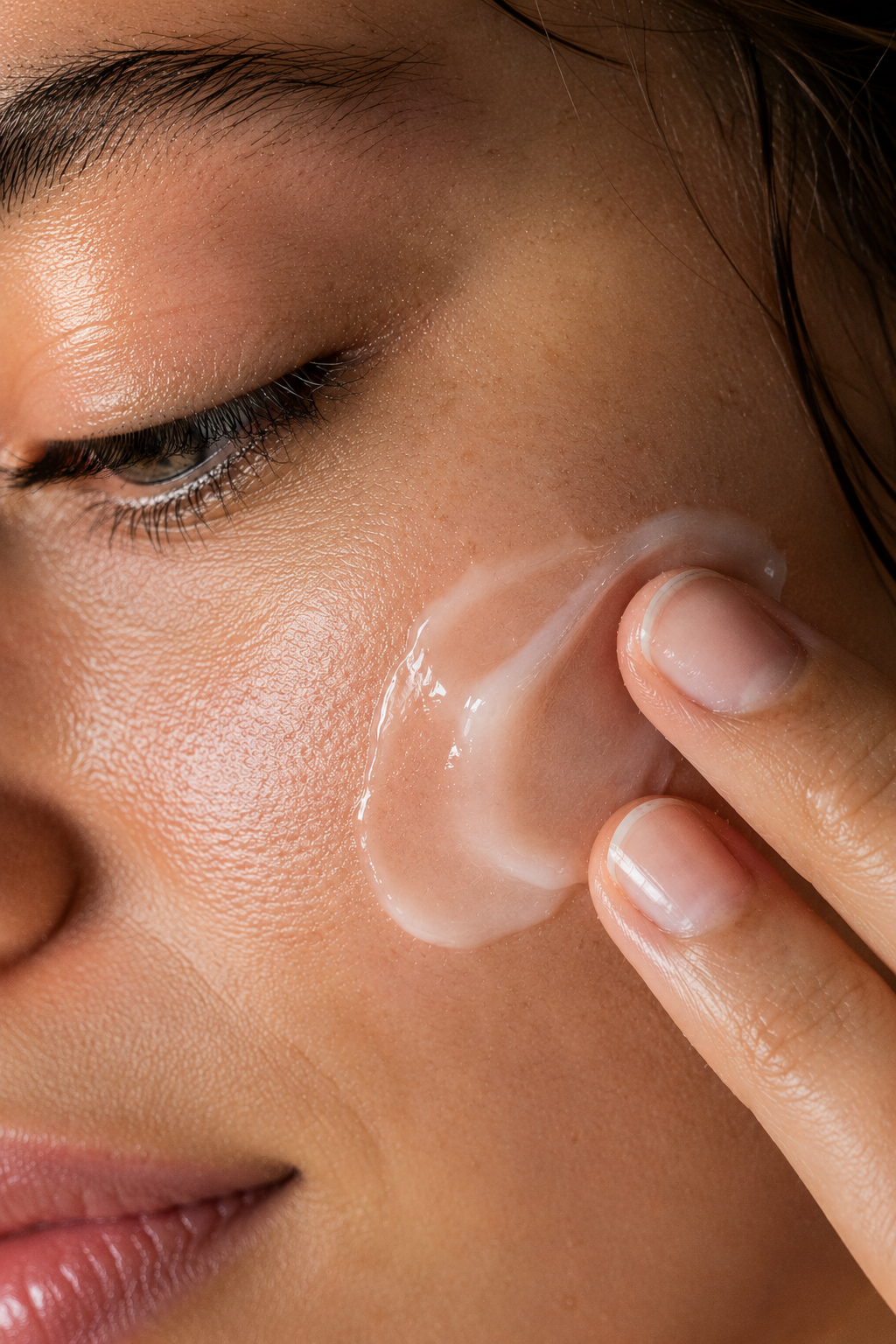
A moisturizer that provides ceramides, cholesterol, and fatty acids supports what the skin is already trying to do. Applying to slightly damp skin helps trap moisture and reduces TEWL more effectively than applying to completely dry skin.
What to avoid during a repair phase: Fragrance, essential oils, retinoids, and anything with heavy marketing around "penetrating actives."
03
AM Only — A Mineral Sunscreen
UV exposure is one of the most well-documented contributors to barrier disruption and ceramide degradation. A mineral SPF (zinc oxide or titanium dioxide) provides UV protection without penetration-enhancing chemistry found in some chemical sunscreen formulations.
During a repair phase, mineral options tend to be a more conservative choice — though this isn't a blanket dismissal of chemical SPFs for people with intact barriers.
What I Paused — and Why
All Chemical Exfoliants (AHAs, BHAs, PHAs): Even gentle PHAs can contribute to increased TEWL with daily use on compromised skin.
Retinoids: Effective long-term — but they work by deliberately accelerating cell turnover, which isn't compatible with active barrier repair.
High-Dose Vitamin C (L-Ascorbic Acid): Requires a pH of around 2.5 to 3.5, significantly below the skin's optimal acid mantle range.
All Toners: For the duration of the experiment. Whether or not you bring one back depends entirely on your skin's response and what the formula actually contains.
All Fragrance: Synthetic or natural, including essential oils. Fragrance molecules are among the most documented contact sensitizers.
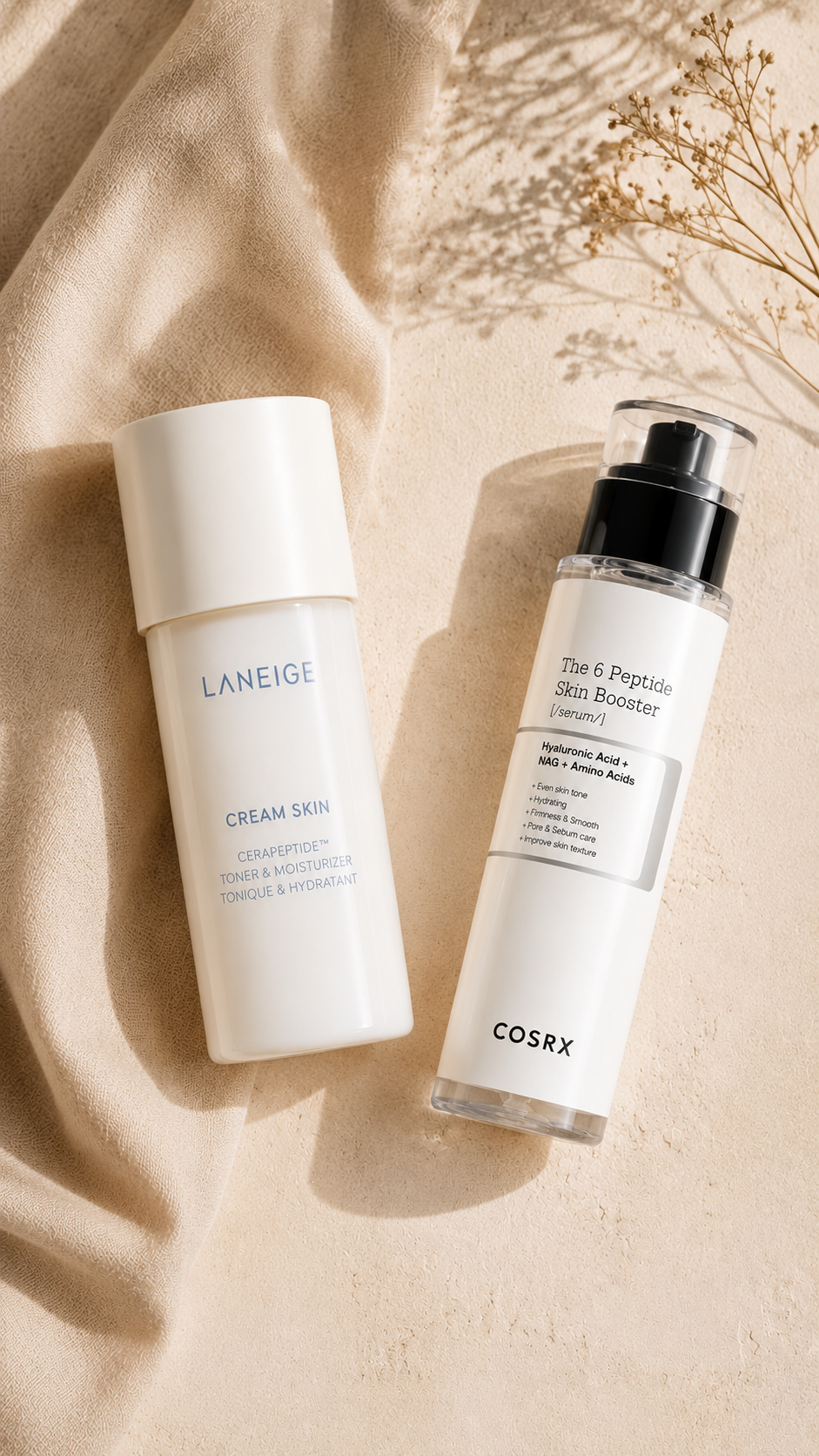
The Top Trending Solutions For Barrier Recovery
The links below are affiliate links. See our full disclosure for details.
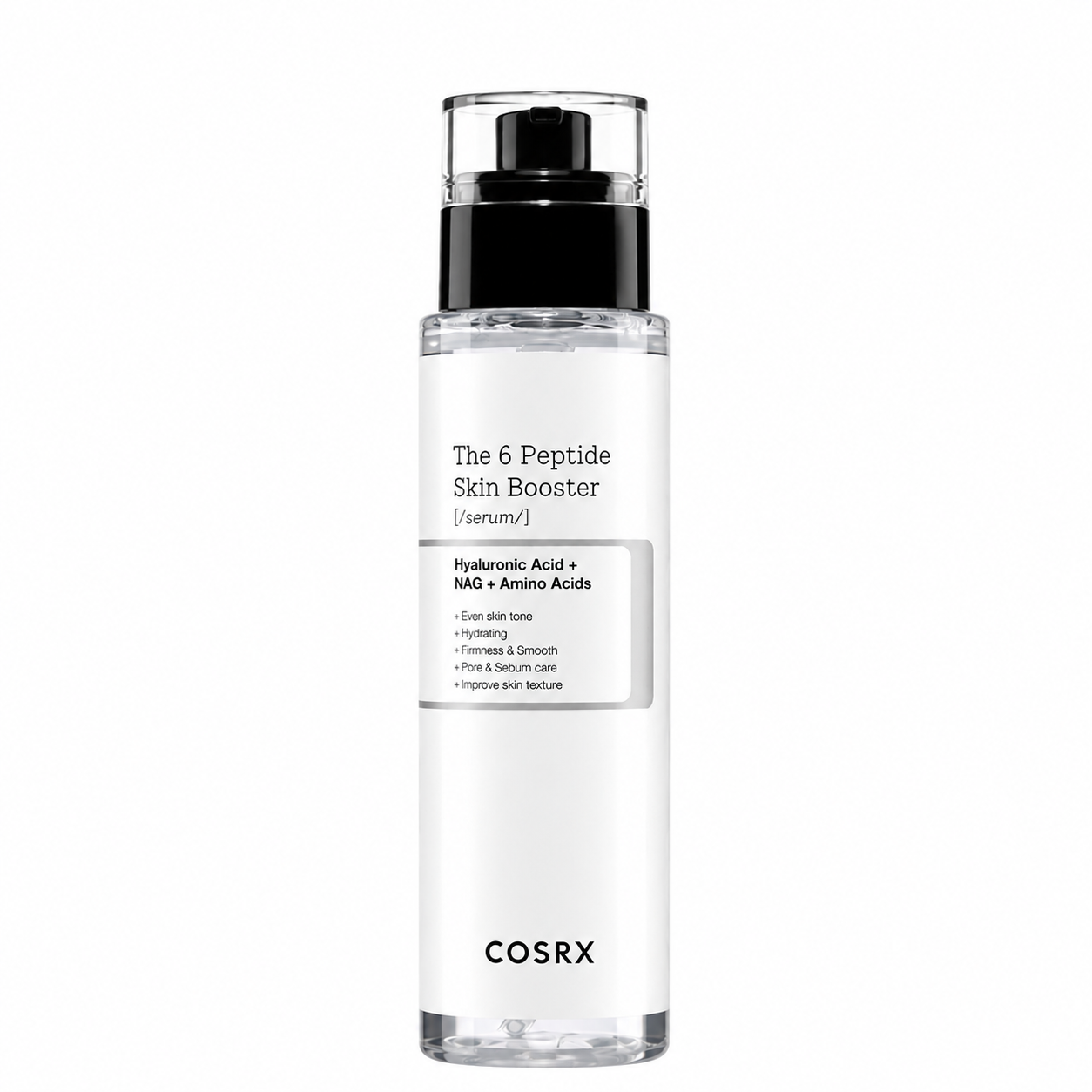
Instead of harsh botanical astringents, this lightweight booster uses 6 clinical peptides alongside Niacinamide and Hyaluronic acid. It stabilizes skin matrix renewal and calms texture bumps without sticky residue. Perfect for acne-prone skin types that need structural repair without heavy cream clogging.
✓ 6 Multi-Peptides✓ Fragrance-Free✓ Sebum Care✓ Safe for Acne✓ 10K+ Bought Past Month
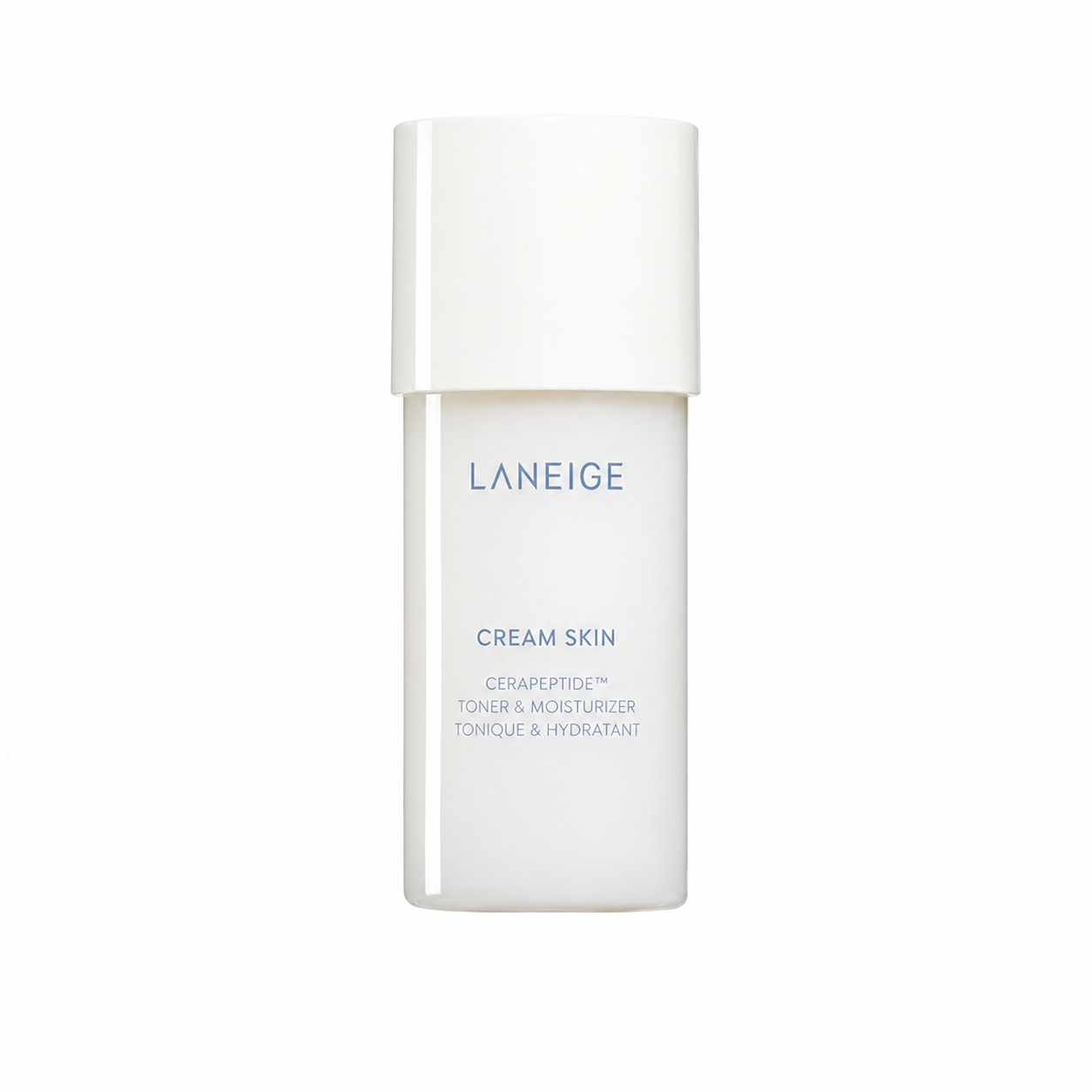
If you can't completely ditch the liquid patting sensation, swap your watery toner for this milky genius. Packed with Cerapeptide and soothing white tea leaf extracts, it stops TEWL within minutes. Absolute holy grail for raw, red, flaky, or chronically tight barriers.
Check Full Size Amazon Price + Free Prime Shipping
💡 A Note on How Long to Maintain a Repair Phase
A stripped-back routine isn't permanent — it's a reset. The stratum corneum completes a full renewal cycle roughly every 28 days, so a 21 to 42 day window gives it time to genuinely stabilize before you layer actives back in. After that, the goal is thoughtful reintroduction: one new product at a time, with enough time between additions to understand how your skin is responding.
✦ Final Thoughts
✦ A Gentle Reminder
"If your skin feels irritated, overwhelmed, or stuck in a cycle of trying more products — remember that sometimes healthier skin comes from doing less, not more. That's not a marketing line. It's something dermatologists have been saying quietly for years."
The Final Verdict
Do You Actually Need a Toner?
The honest answer: it depends on your skin, your barrier health, and what the toner actually contains. Toner is not a universally harmful category. Some formulas may be neutral or even beneficial for people with intact, tolerant skin.
But if your skin is stuck in a cycle of reactivity, persistent redness, congestion that won't clear, or sensitivity to products that should be fine — it may be worth asking whether the products you're using to manage those problems are also contributing to them.
Twenty-one days. Three products. My skin — which I'd spent two years and a lot of money trying to fix — became noticeably calmer. Not because I found the right product. Because I stopped reaching for one.
"The most effective skincare routine might be the one that trusts your skin enough to let it do its job."
💛 Affiliate & Editorial Transparency
This article contains affiliate links to products chosen solely based on ingredient criteria and personal use. Glowing Skin Hub may earn a small commission if you purchase through our links — at no additional cost to you.
We do not accept free products, paid placements, or brand partnerships for editorial content. For our complete affiliate disclosure policy, click here.
Medical Disclaimer: This article is written for educational and editorial purposes only. It does not constitute medical advice, diagnosis, or treatment. Skin is highly individual — what worked for one person may not work for another. If you have persistent skin concerns, please consult a board-certified dermatologist.
✦ FAQ
Frequently Asked Questions
Your Questions About Toner, Skin Barriers & This Experiment — Answered
These are the questions I get asked most often after sharing this experience. I've answered them as honestly as I can — with the same nuance I'd apply to my own skincare decisions.
For most people — no, toner is not essential. The skin naturally self-corrects its pH within 30 to 90 minutes of cleansing through its own acid mantle regeneration. If your cleanser is gentle and pH-appropriate, you likely don't need a toner to restore balance.
That said, some well-formulated toners can provide genuine benefits for certain skin types — particularly those with very tolerant, stable barriers.
Skin BarrierAcid MantleSkincare Routine
Research suggests that skin barrier repair can begin within 3 to 6 hours of removing the disrupting agent, with meaningful early recovery sometimes visible within days. However, full stratum corneum renewal takes approximately 28 days.
This is why a 21 to 42 day reset period is often recommended before reintroducing active ingredients.
Skin Barrier RepairTEWLStratum Corneum
Common signs: Persistent low-grade redness that doesn't come and go. Skin that feels tight after washing, even with a gentle cleanser. A stinging or burning sensation when applying products. Closed comedones that don't respond to exfoliation. Oiliness followed by dryness. And heightened sensitivity to previously-tolerated products.
Skin Barrier DamageSensitive SkinTEWL
The acid mantle is a thin, slightly acidic film on the surface of your skin — a natural mix of sebum, sweat, and amino acids — that maintains your skin's surface pH between approximately 4.5 and 5.5. At this pH, ceramide-producing enzymes work optimally, beneficial bacteria thrive, and inflammatory signals stay suppressed.
Acid MantleSkin Barrier HealthpH Balance
Some people experience a temporary adjustment period — particularly an oil rebound in the first few days as sebaceous glands recalibrate. This is different from a purge. A purge is caused by introducing an active that accelerates cell turnover. Removing a product doesn't cause a purge, though congestion may appear more noticeable temporarily. Most people find this settles within the first week.
Skin PurgingTonerSkin Barrier Recovery
Not necessarily. If your skin is calm, tolerant, and your barrier seems healthy, a well-formulated toner may be neutral or mildly beneficial. The people most likely to benefit from removing toner are those experiencing persistent redness, reactive sensitivity, congestion that won't resolve, or tightness after washing.
Skin MinimalismSensitive SkinSkincare Routine
1. A gentle, non-foaming, fragrance-free cleanser with a pH of approximately 4.5 to 5.5 — one that leaves skin comfortable, not tight, after washing.
2. A ceramide-based moisturizer applied to slightly damp skin — providing ceramides, cholesterol, and fatty acids to support the lipid matrix.
3. A mineral sunscreen (zinc oxide or titanium dioxide) every morning — UV exposure is one of the most documented drivers of barrier disruption.
Skin Barrier RepairSkincare RoutineCeramides
Signs of a recovering barrier: no tightness after washing, comfortable product application without stinging, reduced overall redness, improved texture, more balanced oil production, and the ability to tolerate previously-irritating products. These changes typically develop gradually over the 21 to 42 day repair window.
Why Your Acne Keeps Coming Back (Even After Using "Good" Products) Visit our website Glowing Skin Hub Skincare that works ✦ Glowing Skin Hub Skincare That Actually Works · Est. 2023 Home About Us Privacy Policy Contact ⚠️ Affiliate Disclosure: This post contains affiliate links. If you click through and make a purchase, I may earn a small commission — at no extra cost to you. I only recommend products I genuinely trust. Acne Science · Why Products Fail You Why Your Acne Keeps Coming Back (Even After Using "Good" Products) Research-Backed 8 min read Evidence-Based You're using the right products. So why does acne keep returning? You've done everything "right." You bought the recommended cleanser. You use the dermatologist-approved moisturizer. You follow the routine exactl...
How to Remove Sun Tan Naturally at Home in 7 Days | GlowingSkinHub ✦ www.GlowingSkinHub.com ✦ Your Natural Beauty Guide This post may contain affiliate links. If you purchase through these links, I may earn a small commission at no extra cost to you. I only recommend what I genuinely believe can help. Skin Care Guide · 7-Day Plan How to Remove Sun Tan Naturally at Home in 7 Days No harsh chemicals. No expensive treatments. Just simple, proven natural remedies that actually work — with consistency. GlowingSkinHub.com Real results are possible — patience and the right care make all the difference. The Problem Why Your Skin Looks Dull & Uneven After Sun Exposure Spending time outdoors during summer is refreshing — but the aftermath? Not so much. Sun exposure leaves your skin darker, dull, and noticeably uneven. This is one of the most common skincare struggles during warmer mo...
Why Your Routine Isn't Working Doing Everything Right, Still Breaking Out? I thought I was doing everything right — double cleansing, layering serums, moisturizing every single day. But instead of improving, my skin kept getting worse. If this sounds like you, you're not alone. A lot of people overload their skin with too many products, thinking it will fix acne faster… but it often does the opposite. Signs Your Skin Barrier Is Damaged When Acne Turns Into Irritation At some point, it stopped being just acne. My skin became red, irritated, and sensitive — breaking out and drying out at the same time. That's usually a sign of a damaged skin barrier. And in most cases, it's caused by overusing strong ingredients like exfoliants and retinol. [I may earn a small commission if you purchase through some of the links below, at no extra cost to you. I only recommend products that I personally trust and believe can actually help]. The 4-Night Skin Cycling R...