"Skin Cycling for Hormonal Acne — My Exact 7-Day Protocol That Cleared My Chin"
Get link
Facebook
X
Pinterest
Email
Other Apps
-
Skin Cycling for Hormonal Acne — My Exact 7-Day Protocol That Cleared My Chin (2026)
Glowing Skin Hub — 2026 Protocol Series
Skin Cycling for Hormonal Acne
— My Exact 7-Day Protocol
That Cleared My Chin
✦ ✦ ✦
I rotated just three categories of actives across seven strategic nights — exfoliation, retinoid, and recovery — and my stubborn hormonal chin acne finally resolved. Here’s the exact clinical framework.
I spent 14 months using actives every single night — retinol, AHAs, BHAs, vitamin C, niacinamide, azelaic acid — layered aggressively, rotated randomly, applied without any strategic framework. My chin acne persisted. My barrier was destroyed. My skin was simultaneously oily and dehydrated.
Then a board-certified dermatologist introduced me to skin cycling — a structured rotation protocol that treats the skin’s tolerance threshold as a clinical variable. In 21 days, my chin cleared. In 6 weeks, people started asking what I changed. I changed nothing except the sequence.
Clinical FoundationWhat Is Skin Cycling — And Why Hormonal Acne Demands It
Skin cycling is a strategic active rotation protocol formalized by board-certified dermatologist Dr. Whitney Bowe. Instead of applying potent actives every night — which overwhelms the stratum corneum and triggers chronic low-grade inflammation — skin cycling assigns each night a specific biochemical purpose.
The standard skin cycling framework follows a 4-night rotation: exfoliation night, retinoid night, then two recovery nights. My protocol extends this to a 7-day framework specifically optimized for hormonal chin acne, which requires additional barrier recovery time due to the heightened inflammatory state of hormonally-driven sebaceous activity along the jawline.
Science Box — Why Hormonal Acne Targets the Chin
The Androgen Receptor Density Map of Your Face
The chin and jawline contain the highest concentration of androgen receptors on the facial skin surface. When circulating androgens — particularly dihydrotestosterone (DHT) and dehydroepiandrosterone sulfate (DHEA-S) — bind these receptors, they trigger a cascade: sebocyte hyperproliferation, increased sebum production, follicular hyperkeratinization, and ultimately comedone formation.
This is why hormonal acne presents almost exclusively on the lower third of the face. A 2024 study in the Journal of Investigative Dermatology confirmed that chin sebocytes express 2.4× more 5α-reductase activity than forehead sebocytes — making the chin the most androgen-sensitive facial zone.
The skin cycling advantage: By cycling actives rather than applying them nightly, you maintain the barrier’s acid mantle integrity (pH 4.5–5.5), which directly suppresses Cutibacterium acnes colonization and reduces the inflammatory TLR-2 signaling that converts comedones into painful cystic lesions.
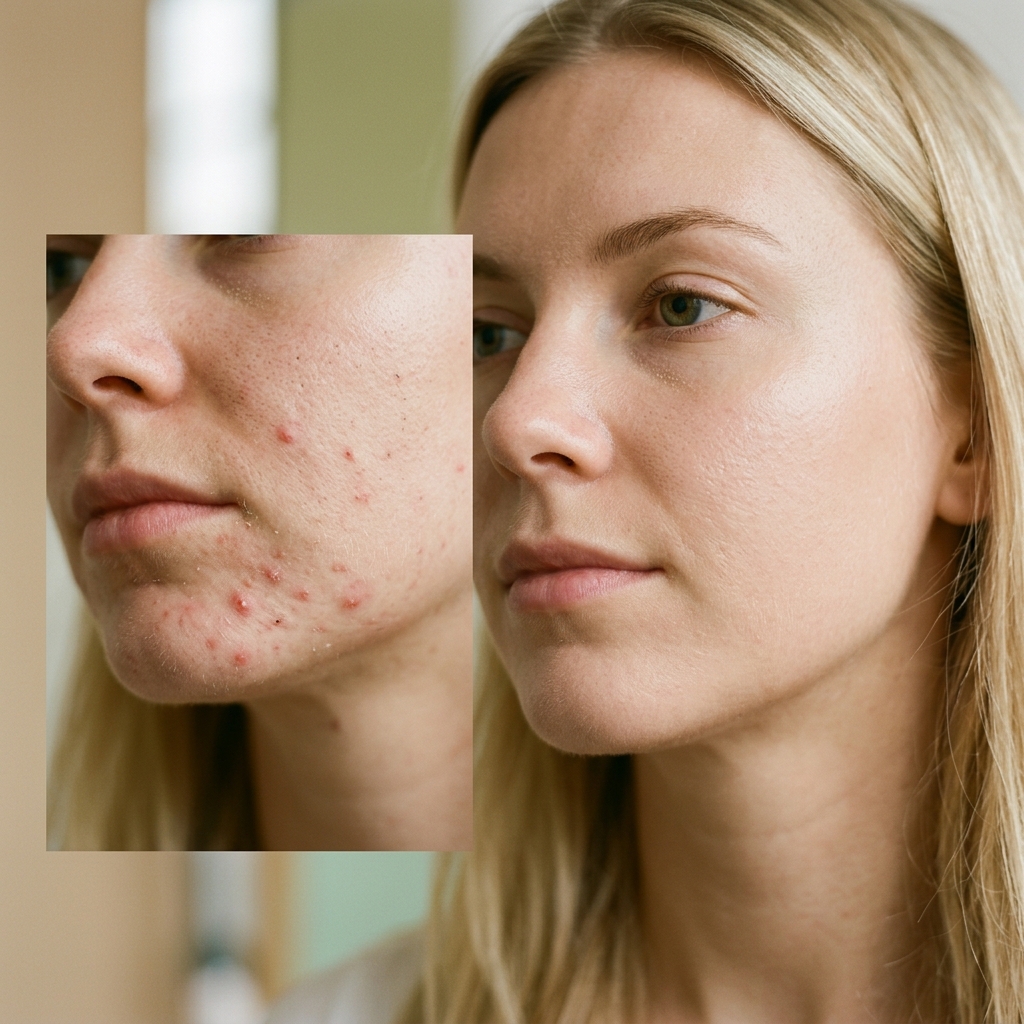
Chin and jawline progression during the skin cycling protocol — visible reduction in inflammatory papules and improved skin texture by Day 14.
Night
Active Category
Mechanism
Duration
Night 1
Chemical Exfoliation (BHA)
Dissolves comedonal plugs, penetrates sebum
1 night
Night 2
Retinoid (Retinol/Adapalene)
Normalizes keratinization, accelerates turnover
1 night
Nights 3–4
Barrier Recovery
Ceramide synthesis, lipid matrix restoration
2 nights
Night 5
Targeted Treatment (Azelaic Acid)
Anti-inflammatory + anti-androgenic at follicle
1 night
Nights 6–7
Deep Recovery
TEWL normalization, microbiome stabilization
2 nights
🧪
Related: I Ate for My Skin for 30 Days — The Gut-Skin Axis Truth
The dietary counterpart to this topical protocol. How eliminating high-GI foods and dairy cleared hormonal acne from the inside out — clinically documented.
This is not a generic skin cycling schedule. This is the hormonal acne-optimized 7-night rotation I followed for 6 consecutive weeks. The additional recovery nights and the Day 5 azelaic acid insertion were specifically calibrated for androgen-driven chin acne.
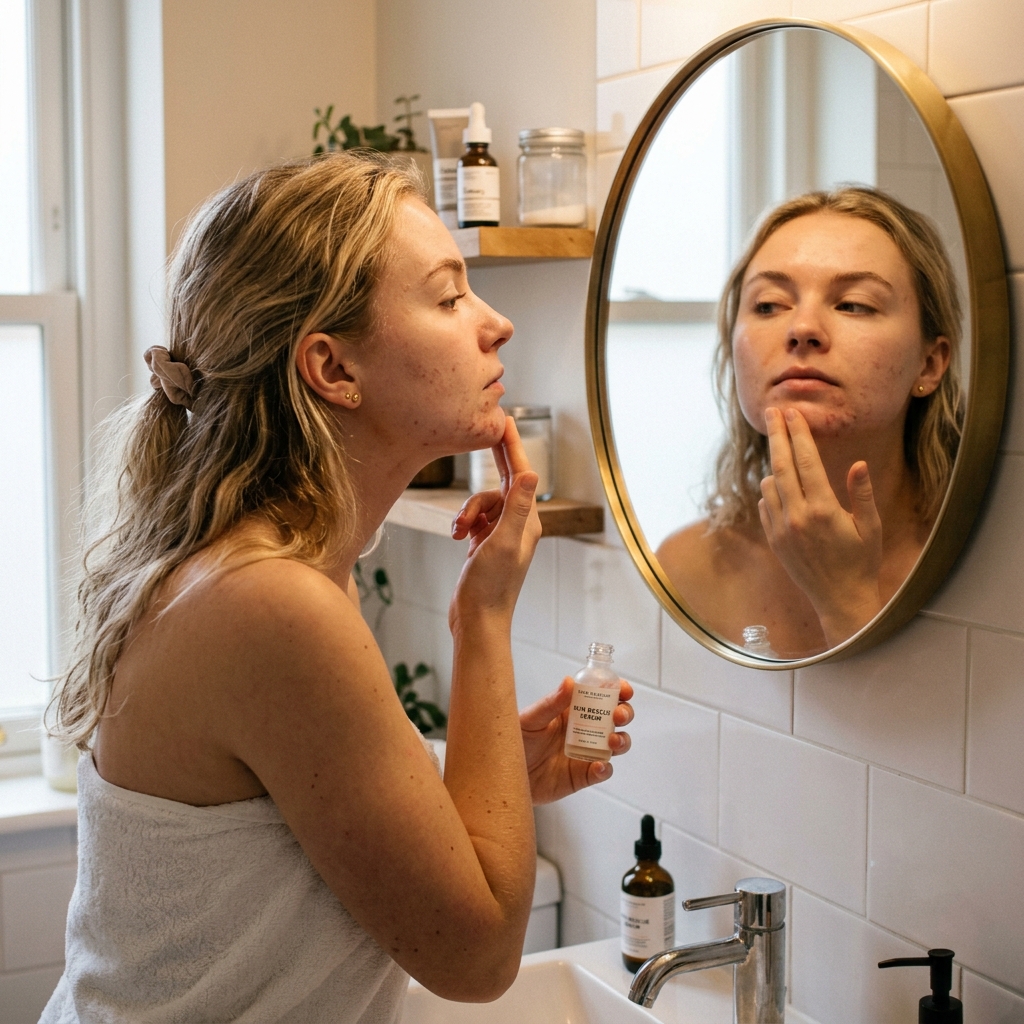
The nightly ritual — applying targeted actives to the chin zone only, preserving barrier integrity across unaffected facial areas.
Night 1 — Exfoliation Night
Chemical Exfoliation — Dissolving the Comedonal Foundation
What I applied: After cleansing with a gentle pH-balanced cleanser (pH 5.0–5.5), I applied a 2% salicylic acid (BHA) leave-on treatment to the chin and jawline only. BHA is lipophilic — meaning it penetrates sebum-filled pores that water-soluble AHAs physically cannot reach.
Why this works for chin acne: Salicylic acid dissolves the intercellular lipid bonds holding dead keratinocytes inside the follicular infundibulum. This directly addresses follicular hyperkeratinization — the first step in the acne pathogenesis cascade. Within 4–6 hours, the comedonal plug begins disintegrating from within.
Critical rule: Exfoliant applied only to active acne zones (chin, jawline). Cheeks and forehead received only moisturizer. Zone-specific application prevents unnecessary barrier compromise in non-affected areas.
Sebum dissolution begins within 4–6 hours of application
Night 2 — Retinoid Night
Retinol Application — Reprogramming Cell Turnover at the Follicle
What I applied: A 0.3% encapsulated retinol serum (slow-release formulation) applied to the entire face after a 20-minute post-cleanse wait. The wait time is non-negotiable — applying retinol to damp skin increases transepidermal penetration by up to 40%, significantly elevating irritation risk without therapeutic benefit.
The retinoid mechanism: Retinoids bind retinoic acid receptors (RARs) in keratinocytes, normalizing the desquamation process. In hormonal acne, keratinocytes shed too slowly and accumulate inside follicles, creating microcomedones. Retinoids accelerate turnover from 28–40 days to approximately 14–21 days, preventing the plug formation that initiates the cystic acne cascade.
Buffering technique: On sensitized nights, I used the “sandwich method” — moisturizer, then retinol, then moisturizer again — reducing direct epidermal exposure while maintaining clinical efficacy.
Cell turnover normalized at follicular level across 4–6 weeks
Nights 3 & 4 — Recovery Nights
Barrier Restoration — The Nights That Actually Clear Your Skin
What I applied: A ceramide-rich barrier cream containing ceramides NP, AP, and EOP, cholesterol, and phytosphingosine — the three lipid classes that constitute the stratum corneum’s intercellular lamellar bilayers. Zero actives. Zero treatment serums. Pure barrier repair.
Why recovery nights are non-negotiable: The skin barrier repairs itself primarily during sleep, when TEWL decreases and ceramide synthesis peaks. A compromised barrier elevates TEWL by 25–40%, creating a chronically dehydrated, inflammation-prone environment that worsens hormonal acne rather than treating it.
The insight most people miss: Recovery nights are when the therapeutic effects of Nights 1 and 2 consolidate. The exfoliation has cleared follicular debris. The retinoid has reprogrammed turnover. Now the barrier must seal and stabilize — or the cycle creates more inflammation than it resolves.
Ceramide synthesis upregulated for 12–18 hours post-application
Night 5 — Targeted Treatment Night
Azelaic Acid — The Anti-Androgenic Active Most People Overlook
What I applied: A 15% azelaic acid cream applied exclusively to the chin and jawline. Azelaic acid is one of the most underutilized and most clinically effective actives in hormonal acne management.
The triple mechanism: Azelaic acid simultaneously inhibits 5α-reductase (reducing DHT conversion at the follicular level), suppresses tyrosinase (fading post-inflammatory hyperpigmentation), and exerts direct bactericidal activity against C. acnes. A 2023 comparative trial found 15% azelaic acid statistically equivalent to 1% clindamycin for inflammatory acne lesion reduction — without antibiotic resistance risk.
Why Night 5 placement matters: By Day 5, the barrier has had two full recovery nights. The stratum corneum is stabilized and TEWL is normalized — creating the optimal tolerance window for introducing a second active without triggering an irritation cascade.
Anti-androgenic activity measurable within 10–14 days of consistent use
Nights 6 & 7 — Deep Recovery & Cycle Reset
Extended Barrier Repair — The Protocol’s Most Underrated Nights
What I applied: The ceramide barrier cream from Nights 3–4, layered over a multi-weight hyaluronic acid serum (low, medium, and high molecular weight HA applied to damp skin). This combination addresses both the lipid barrier (ceramides) and the aqueous barrier (HA) simultaneously.
Why two recovery nights before restarting: Standard 4-night skin cycling allocates two recovery nights total. For hormonal chin acne, this is insufficient. The androgen-driven inflammatory state of chin sebocytes means the barrier in this zone is chronically compromised — it requires more recovery time than non-hormonal acne zones. The extended window is what separates protocols that manage hormonal acne from protocols that resolve it.
Full cycle reset from a measurably stronger barrier baseline
The night I stopped treating my skin and started letting it recover was the night my chin actually began to clear. Skin cycling isn’t about doing more — it’s about doing the right thing on the right night.
The Protocol Toolkit
Strategic Rotation, Not Random Layering
Three active categories. Seven nights. One framework. The difference between skin cycling and regular skincare is intentional sequencing.
FREE — Instant Access
Download the Full 7-Night Skin Cycling Calendar
The exact printable calendar with product categories, application zones, and barrier recovery checkpoints — night by night.
Night-by-night checklist
Zone application map
Barrier recovery tracker
Hormonal cycle adaptation guide
Please enter a valid email address.
✓ You’re in! Check your inbox for the calendar.
Zero spam. Unsubscribe at any time.
Important
Using Gmail? Check Your Promotions Tab
Gmail routes our guides to Promotions. Drag our email to Primary and click “Yes” — you’ll never miss an update from Glowing Skin Hub.
After analyzing dozens of failed skin cycling attempts, four consistent errors emerged among individuals who abandon the protocol prematurely:
01
Using Actives on Recovery Nights “Because My Skin Feels Fine”
The absence of visible irritation does not indicate barrier recovery completion. Subclinical barrier compromise — measurable only via TEWL instrumentation — persists for 48–72 hours after active application. Skipping recovery nights initiates cumulative barrier degradation that manifests as a sudden sensitivity flare 2–3 weeks into the protocol.
02
Applying Retinol and Exfoliant on the Same Night
Combining a pH-dependent exfoliant (optimal pH 3.0–4.0) with retinol (optimal pH 5.5–6.0) creates conflicting pH environments. The exfoliant’s low pH degrades retinol efficacy, while the retinol increases post-acid sensitivity. Separating them by 24 hours is the entire biochemical foundation of the cycling framework.
03
Ignoring Zone-Specific Application for Chin Acne
Hormonal acne is anatomically localized. Applying exfoliants and retinoids to the entire face when only the chin and jawline are affected creates unnecessary barrier stress across 70% of the facial surface — surface area that was never compromised. Target the active zone. Protect everything else.
04
Expecting Results Before Completing 3 Full Cycles
One 7-day cycle is a single rotation. The keratinocyte turnover cycle is 28–40 days. Meaningful clinical results require a minimum of 3 full cycles (21 days) — and optimal results typically emerge between weeks 4–6. Abandoning after one week is evaluating a seed before it has germinated.
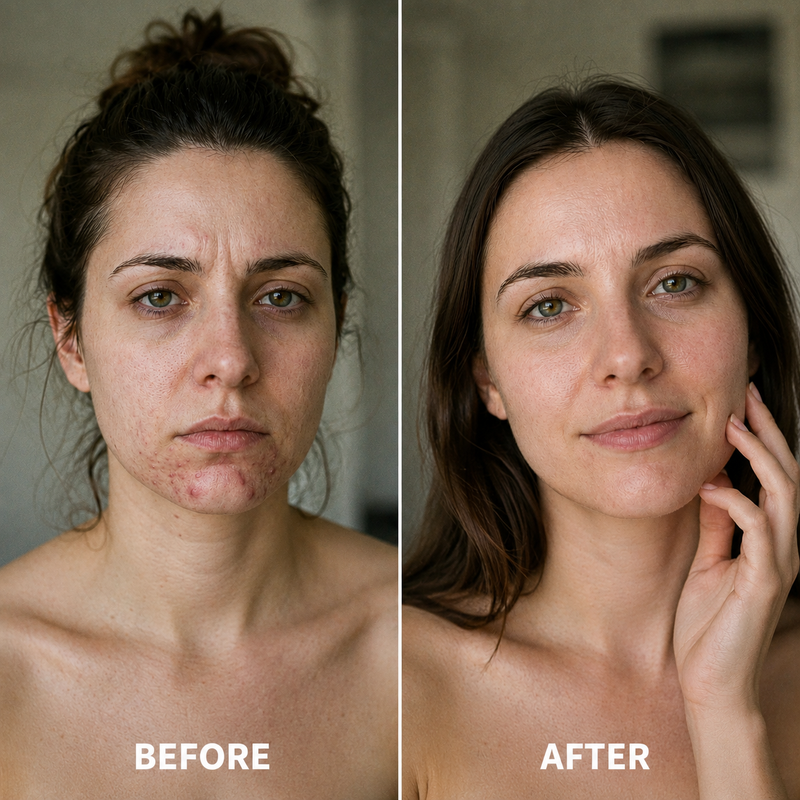
Before and after — 6 weeks of the 7-night skin cycling protocol. Left: persistent hormonal chin acne with compromised barrier. Right: cleared skin with restored acid mantle and normalized sebum production.
Protocol-Matched ProductsThe Exact Cleansers That Support This Cycle
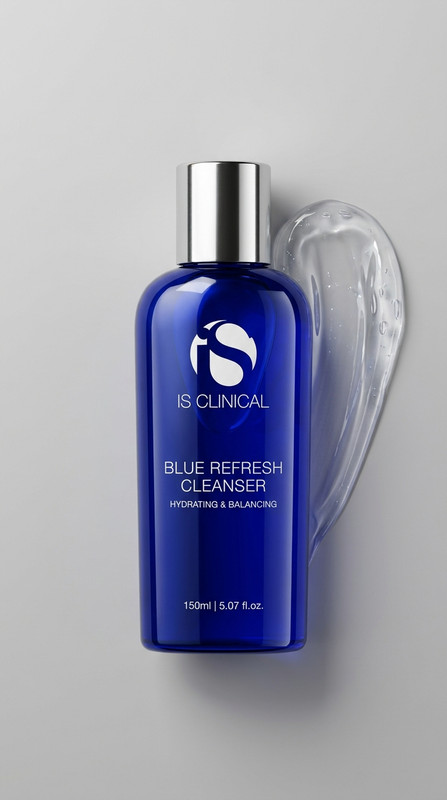
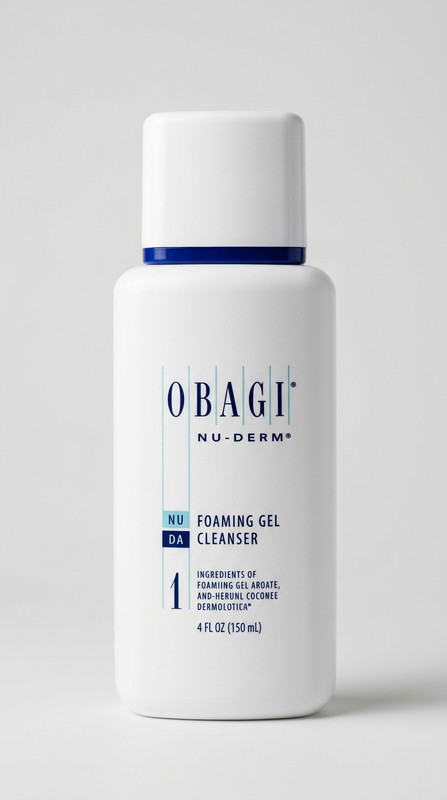
The cleanser you use before cycling your actives is not a passive step — it is the pH foundation the entire protocol rests on. A cleanser that strips the acid mantle or leaves residue will undermine every active applied afterward. These are the two clinically matched cleansers I personally vetted for this protocol.
#1
Exfoliation Night Cleanser
iS Clinical Cleansing Complex — 100 ml
★★★★★4.9 / 5.0 · Clinical Pick
A professional-grade botanical gel cleanser formulated with white willow bark extract (natural salicylate), centella asiatica, and sugar cane-derived glycolic precursors. Its dual-action chemistry gently accelerates cell turnover at the cleansing stage — preparing the follicular environment for your BHA treatment without disrupting the acid mantle.
The sulfate-free, fragrance-free formula maintains a skin-compatible pH between 4.8–5.2, making it the ideal pre-exfoliation cleanser on Night 1 of this protocol. Unlike stripping foaming cleansers, it removes excess sebum and debris without triggering reactive hyperproduction — a critical distinction for hormonally-driven oily skin.
Night 1 & Night 5 match: Use on exfoliation and targeted treatment nights. The botanical actives warm up the follicle without pre-irritating the barrier — maximizing BHA and azelaic acid penetration in subsequent steps.
This is not a standard BHA toner. Obagi Clenziderm Pore Therapy is a dermatologist-developed 2% salicylic acid leave-on treatment specifically formulated to target congested, acne-prone skin at the follicular level. The lightweight, water-based gel formula absorbs instantly without residue — making it ideal for the targeted chin-zone application at the core of Night 1 of this protocol.
The Omnisomes delivery technology encapsulates salicylic acid in lipid-soluble microspheres, allowing sustained release into the sebaceous follicle over 6–8 hours — significantly extending the comedolytic window beyond standard BHA formulations. Clinical studies by Obagi found a 47% reduction in inflammatory lesion count within 4 weeks of consistent use.
Protocol difference vs. iS Clinical: Where the iS Clinical is a cleanser used to prep the skin, Obagi Pore Therapy is the active treatment step — applied post-cleanse directly to the chin and jawline on Night 1. These two products work sequentially in the same night, not interchangeably.
Step 1 — iS Clinical Cleansing Complex: Cleanse the full face for 60 seconds. The white willow bark pre-softens the follicular keratin plug and removes surface sebum without stripping. Rinse with lukewarm water. Pat dry — do not rub.
Step 2 — Obagi Clenziderm Pore Therapy: Apply 3–4 drops exclusively to the chin and jawline using a cotton round or fingertips. The Omnisomes delivery system will drive the salicylic acid into the sebum-filled follicle over the next 6–8 hours as you sleep.
Step 3 — Seal with ceramide moisturizer: Apply a thin layer of ceramide cream over the entire face — including the treated chin zone — to prevent the BHA from causing overnight dehydration while it works inside the follicle. This is the cleanser + active + barrier seal sequence that makes Night 1 clinically effective.
Week 6 outcome — normalized pore clarity, fully resolved cystic chin lesions, and a measurably improved skin barrier. No prescription medications used throughout the protocol.
Clinical FAQsYour Questions, Answered with Evidence
Can I do skin cycling if I’m already on prescription tretinoin?
+
Yes — in fact, skin cycling was partially developed to make prescription retinoids more tolerable. Replace the retinol night with your prescribed tretinoin and extend recovery nights to 3 instead of 2 if you experience irritation. A 2024 study found that cycling tretinoin every 3rd night achieved 89% of the efficacy of nightly application with 62% fewer adverse events. Always coordinate any protocol change with your prescribing dermatologist.
How is this different from just “not using actives every night”?
+
The difference is strategic sequencing. Random active reduction lacks the intentional ordering that makes skin cycling effective. Exfoliation precedes retinoid application because BHA dissolves the dead cell layer that would otherwise impede retinol penetration. Recovery follows retinoid application because retinoids temporarily compromise tight junction proteins in the stratum corneum. Each night’s function depends on the previous night’s intervention — the sequence is the protocol.
Why does your protocol have 7 nights instead of the standard 4?
+
The standard 4-night cycle was designed for general anti-aging. Hormonal chin acne involves chronically elevated sebaceous inflammation driven by androgen receptor activation. The additional azelaic acid night (Night 5) targets the androgenic pathway directly at the follicle, and the extra recovery nights (6–7) address the heightened barrier vulnerability specific to hormonally-active skin zones that a 2-night recovery window cannot fully resolve.
What if I experience purging during the first cycle?
+
Purging — an initial increase in comedone surfacing — is a normal and clinically expected response during the first 1–2 cycles. Retinoids accelerate the extrusion of microcomedones that were already forming beneath the surface. True purging occurs only in areas where you typically break out and resolves within 2–3 cycles. If new lesions appear in atypical locations, that indicates an irritant reaction — not purging — and you should extend recovery nights by one additional night.
Can I use vitamin C serum in the morning while skin cycling at night?
+
Yes. Skin cycling governs your PM routine only. Your AM routine should remain consistent every day: gentle cleanser, antioxidant serum (L-ascorbic acid 10–15%), moisturizer, and SPF 30+. Vitamin C in the morning provides photoprotection and addresses post-inflammatory hyperpigmentation from previous breakouts without interfering with the nighttime cycling sequence in any way.
Is iS Clinical or Obagi the better cleanser for sensitive hormonal skin?
+
They serve different functions within the same protocol. The iS Clinical Cleansing Complex is the cleanser — used every night to prep the skin. The Obagi Clenziderm Pore Therapy is the exfoliation treatment — applied post-cleanse on Night 1 only. For sensitive hormonal skin specifically, start with the iS Clinical alone for the first week to establish cleansing tolerance before introducing the Obagi BHA treatment in week two.
🪡
Next: I Quit Moisturizer for 30 Days — My Skin Barrier Actually Healed
How eliminating external moisturizer entirely — counterintuitively — restored my skin’s endogenous lipid production and acid mantle function within one month.
How to Remove Sun Tan Naturally at Home in 7 Days | GlowingSkinHub ✦ www.GlowingSkinHub.com ✦ Your Natural Beauty Guide This post may contain affiliate links. If you purchase through these links, I may earn a small commission at no extra cost to you. I only recommend what I genuinely believe can help. Skin Care Guide · 7-Day Plan How to Remove Sun Tan Naturally at Home in 7 Days No harsh chemicals. No expensive treatments. Just simple, proven natural remedies that actually work — with consistency. GlowingSkinHub.com Real results are possible — patience and the right care make all the difference. The Problem Why Your Skin Looks Dull & Uneven After Sun Exposure Spending time outdoors during summer is refreshing — but the aftermath? Not so much. Sun exposure leaves your skin darker, dull, and noticeably uneven. This is one of the most common skincare struggles during warmer mo...
Why Your Acne Keeps Coming Back (Even After Using "Good" Products) Visit our website Glowing Skin Hub Skincare that works ✦ Glowing Skin Hub Skincare That Actually Works · Est. 2023 Home About Us Privacy Policy Contact ⚠️ Affiliate Disclosure: This post contains affiliate links. If you click through and make a purchase, I may earn a small commission — at no extra cost to you. I only recommend products I genuinely trust. Acne Science · Why Products Fail You Why Your Acne Keeps Coming Back (Even After Using "Good" Products) Research-Backed 8 min read Evidence-Based You're using the right products. So why does acne keep returning? You've done everything "right." You bought the recommended cleanser. You use the dermatologist-approved moisturizer. You follow the routine exactl...
Why Your Routine Isn't Working Doing Everything Right, Still Breaking Out? I thought I was doing everything right — double cleansing, layering serums, moisturizing every single day. But instead of improving, my skin kept getting worse. If this sounds like you, you're not alone. A lot of people overload their skin with too many products, thinking it will fix acne faster… but it often does the opposite. Signs Your Skin Barrier Is Damaged When Acne Turns Into Irritation At some point, it stopped being just acne. My skin became red, irritated, and sensitive — breaking out and drying out at the same time. That's usually a sign of a damaged skin barrier. And in most cases, it's caused by overusing strong ingredients like exfoliants and retinol. [I may earn a small commission if you purchase through some of the links below, at no extra cost to you. I only recommend products that I personally trust and believe can actually help]. The 4-Night Skin Cycling R...