📋
Quick note: I am not a board-certified dermatologist. This article documents my personal experience and is supported by peer-reviewed barrier science research. If you have active skin conditions like cystic acne, eczema, or rosacea, please consult your dermatologist before making changes to your routine.
🪞 The Confession
I'm just going to say it: I threw away my entire skincare routine. Not metaphorically. Not "I scaled back a little." I literally stopped using every single product on my bathroom shelf — the double cleanse, the vitamin C serum, the AHA toner, the retinol, the three moisturizers I'd rotate depending on how my skin "felt" that morning — all of it. Gone. Cold turkey.
And I was terrified.
Because here's the thing no one tells you when you've spent years building a 10-step routine: the thought of going without it feels like stepping outside without clothes on. What if my skin completely falls apart without my products? What if those tiny bumps along my jawline explode into full-blown breakouts? What if I wake up looking like I aged five years overnight?
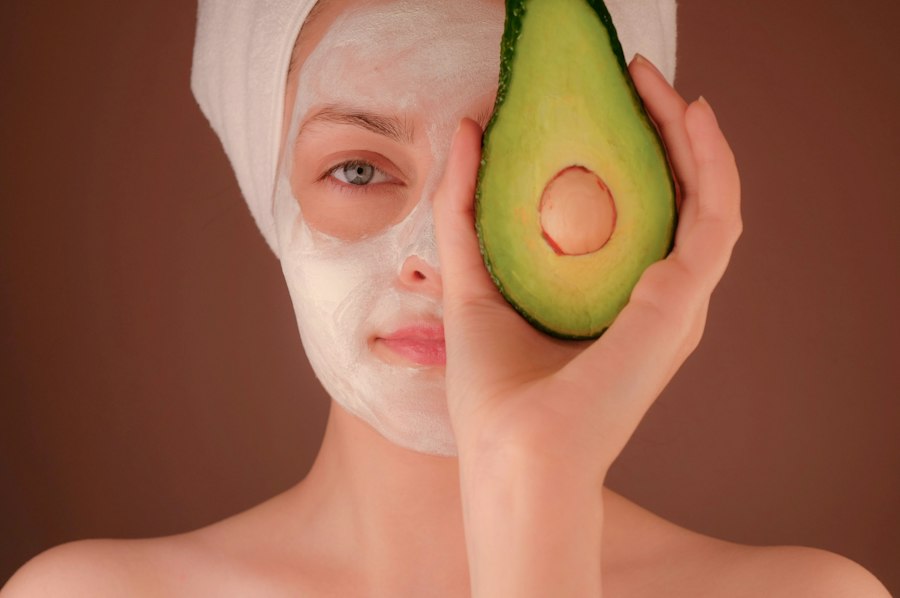
The morning I decided to let my skin just... be.
But here's what actually happened — and this is the part that still shocks me — by day five, my skin looked calmer than it had in months. Not perfect. Not Instagram-filter flawless. But genuinely, quietly calm in a way I hadn't seen since before I started my "serious" skincare journey.
If that sounds impossible to you right now, I get it. Keep reading. I'm going to walk you through every single day, every panic moment, every surprising shift — and then I'm going to explain the clinical science behind why it worked.
💔 Why I Quit — The Breaking Point
Let me paint the picture of my "routine" before the experiment. Every morning: micellar water, foaming cleanser, vitamin C serum, hyaluronic acid, moisturizer, SPF. Every night: oil cleanser, gel cleanser, AHA/BHA toner, retinol (three nights a week), niacinamide serum, peptide cream, eye cream, facial oil.
That's twelve products. Twelve. I was spending 25 minutes every night just on my face. And my skin? It was reactive, tight, permanently slightly red, and breaking out in tiny closed comedones along my chin and forehead that nothing seemed to fix.
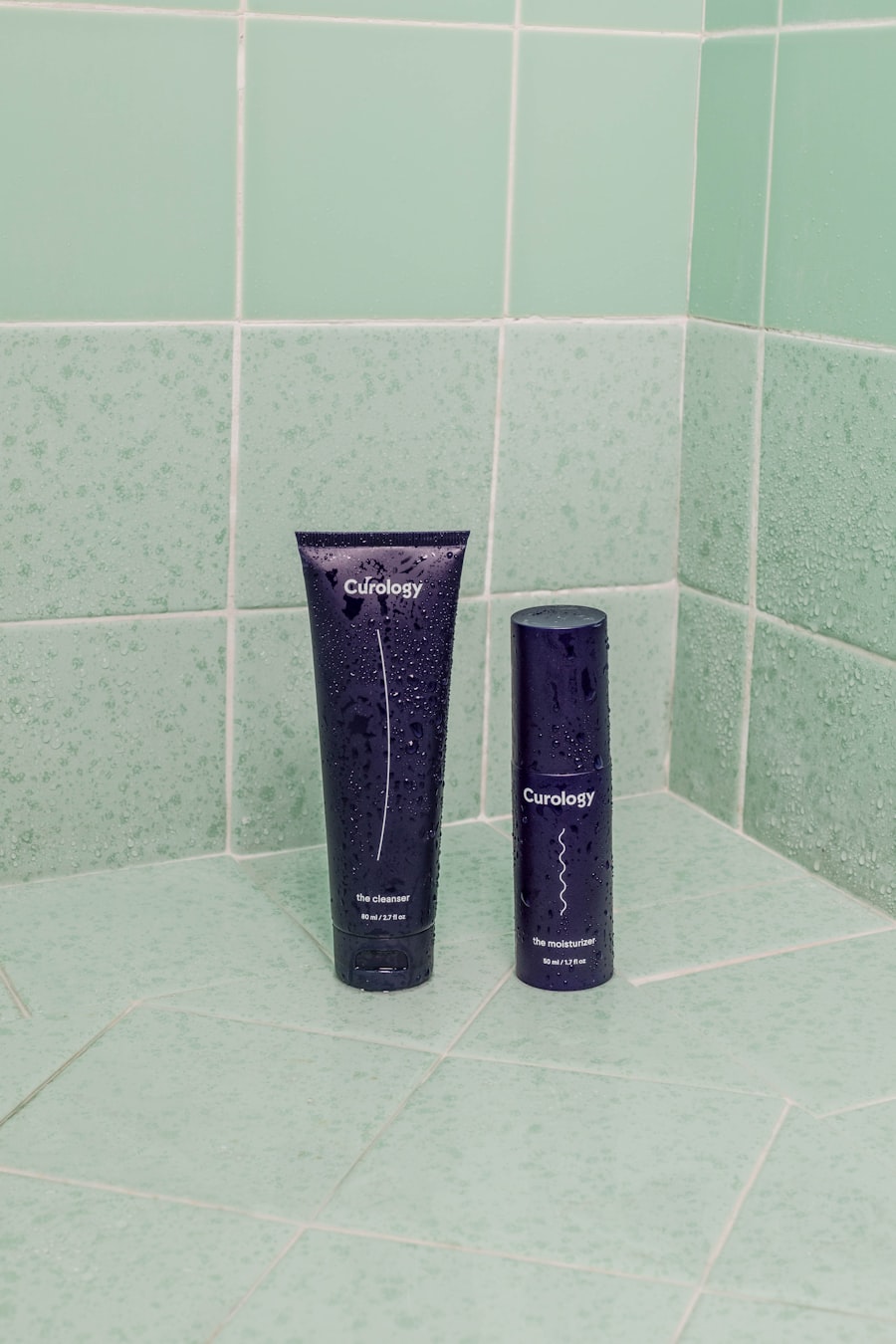
This was my bathroom counter. Every morning felt like a chemistry lab.
The breaking point came on a Tuesday night. I'd just watched three different TikTok dermatologists give completely contradictory advice about retinol timing, and I was standing in my bathroom holding two serums, genuinely confused about which one to put on first. I looked at myself in the mirror and thought: "When did skincare become this stressful?"
🧪 The Science Behind the Overwhelm
What I didn't understand at the time was that I was systematically destroying my own skin barrier — the outermost layer of skin called the stratum corneum. Think of it as a brick-and-mortar wall: your skin cells (corneocytes) are the bricks, and the natural lipids between them — primarily ceramides, cholesterol, and fatty acids — are the mortar holding everything together.
Every time I foamed up that SLS-based cleanser, I was dissolving the mortar. Every time I stacked acids on top of retinol, I was pulling bricks out of the wall. My skin wasn't broken because it needed more products. It was broken because I was using too many.
That Tuesday night, I put both serums down. I washed my face with just lukewarm water. I went to bed. And the next morning, I made a decision that scared me more than any breakout ever had: I was going to stop everything for seven full days and see what happened.
"My skin wasn't broken because it needed more products. It was broken because I was using too many."
📓 The 7-Day Diary — What Actually Happened
Here it is. No filters, no exaggeration, no fairy tale. This is exactly what happened, day by day.
Day 1: The Naked Panic
Woke up and washed my face with just water. No cleanser, no toner, nothing. By noon my forehead felt like an oil slick. My skin felt exposed and vulnerable — like it was missing a shield. I caught myself reaching for my vitamin C serum twice out of pure muscle memory. The hardest part wasn't my skin — it was breaking the habit.
Day 2: The Oily Rebellion
My T-zone was producing oil like it had something to prove. I blotted with a tissue three times before lunch. A tiny bump appeared near my chin and I almost broke. But I noticed something unexpected — the tight, stretchy feeling I'd always associated with "clean" skin was gone. My skin felt softer. The discomfort I'd normalized was quietly disappearing.
Day 3: The Quiet Shift
Something changed. The oiliness was still there, but not as aggressive. The redness along my nose and cheeks — that low-grade pink flush I'd had for months — looked measurably lighter. My skin didn't feel angry anymore. That's the only way I can describe it. It was like my face had stopped yelling at me.
Day 4: Learning to Trust
The chin bump from day two had already flattened without me doing anything to it. No spot treatment, no drying lotion — it just resolved on its own. My skin texture along my forehead felt smoother under my fingers. I was sleeping better too, partly because I wasn't spending 25 minutes on my face before bed.
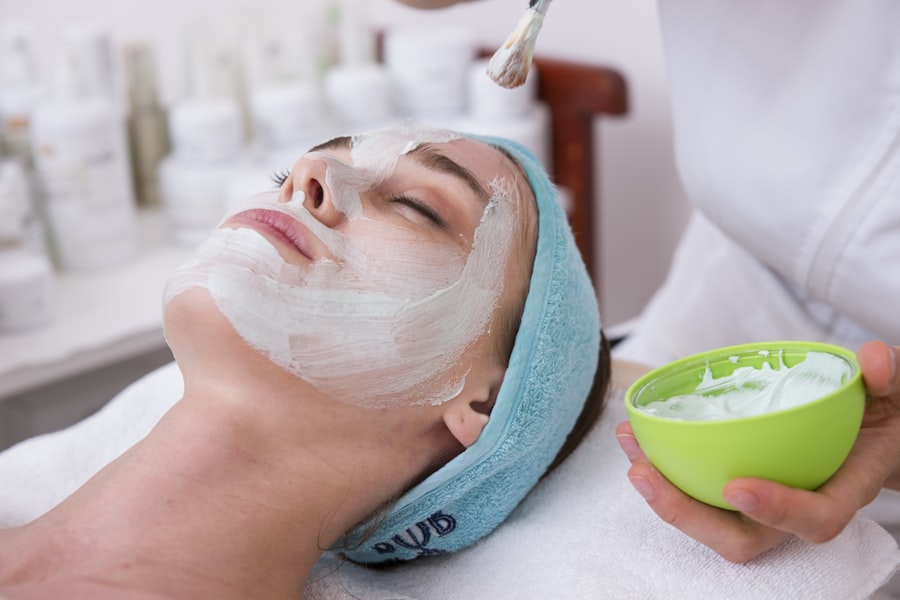
Day 4 — the redness was noticeably calmer. No products involved.
Day 5: The Calm Before the Glow
This was the day my coworker said, "Your skin looks really good today — did you change something?" I almost laughed. Yes, I changed something. I stopped doing everything. The oil production had noticeably decreased. My pores looked less congested. The overall tone was more even — not radiant yet, but peaceful.
Day 6: Texture Smoothing
I ran my fingers across my forehead and jaw and felt something I hadn't felt in a year: smooth skin. Not silicone-smooth from a primer, but naturally smooth. The tiny closed comedones along my hairline were flattening. My skin was still producing some oil, but it felt balanced — like protective moisture rather than compensating overflow.
Day 7: The Honest Truth
Here's what my skin actually looked like on day seven: it wasn't perfect. I still had some texture. I still had one dark spot from an old breakout. But the overall quality — the color, the calm, the feel of it — was better than it had been in months. The redness was down. The reactive flaring was gone. My skin felt like mine again.
"My skin wasn't glowing like an influencer's ring-lit selfie. But it was calm, balanced, and genuinely healthy in a way that felt completely different from anything products had ever given me."
🔬 What the Science Says — Clinical Breakdown
So why did my skin respond this way? Was I just lucky? Let me walk you through the actual barrier science, because understanding this changed how I think about skincare permanently.
Your Skin Barrier Is Smarter Than Your Routine
Your stratum corneum — that outermost layer of skin — is not just a passive wrapper. It's an active, self-regulating system that produces its own lipids, maintains its own pH, and manages its own hydration levels. When it's functioning properly, it's remarkably good at its job. The problem is that most modern skincare routines actively interfere with all three of those processes.
🧪 TEWL Normalization
Trans-Epidermal Water Loss (TEWL) is the rate at which moisture evaporates out through your skin. Healthy skin loses a small, controlled amount of water per hour. But SLS-based foaming cleansers spike TEWL by 25 to 40 percent with every single wash.
When I stopped cleansing, my skin's natural lipid layer had time to rebuild. TEWL started dropping back to baseline. My skin could finally hold onto its own moisture instead of constantly losing it and needing moisturizer to compensate.
Sebum Rebalancing — Why the Oil Stopped
Here's why days one and two were so oily: my skin had been trained to overproduce sebum because I was stripping it away twice a day. The sebaceous glands were in overdrive, constantly trying to replace what I kept removing. It's a vicious cycle — strip, overproduce, strip, overproduce. When I stopped stripping, the overproduction signal gradually turned off. By day four, my sebaceous glands were calibrating back to natural output.
The 28-Day Reality Check
Seven days is only the very beginning of true skin barrier repair. Your skin operates on a 28-day cell renewal cycle — that's how long it takes for a new skin cell to travel from the deepest layer of the epidermis to the surface. What I saw in seven days was surface-level calming. The real structural repair — ceramide rebuilding, full lipid barrier restoration — takes four to six weeks minimum.

Your skin barrier is an active, self-regulating system — not a passive surface.
The Sensory Shift — What Healthy Skin Actually Feels Like
This was the biggest revelation. The beauty industry trained us to associate certain sensations with "working" — the squeaky-tight feeling after a foaming cleanser, the tingle of an acid toner, the slight burn of vitamin C at too high a concentration.
But the clinical truth: healthy skin doesn't tingle. It doesn't feel tight. It doesn't sting. Healthy skin feels like nothing. Just comfortable. When your skin feels "tight" after cleansing, that's TEWL spiking. When your toner tingles, that's your acid mantle (optimal pH 4.5 to 5.5) being disrupted. We've confused damage signals with efficacy signals.
⚠️ The 3 Biggest Mistakes My Old Routine Was Making
1Over-Cleansing with SLS-Based Foaming Cleansers
I loved that squeaky-clean feeling. What it actually meant was that sodium lauryl sulfate (SLS) was dissolving the lipid matrix between my skin cells. Every wash spiked TEWL by 25 to 40 percent, stripping ceramides, and sending my sebaceous glands into panic mode. My skin was producing excess oil not because it was "oily skin" — it was desperately trying to compensate for dehydration.
Sensory cue: Skin feels tight and "squeaky" within 5 minutes of cleansing. You feel like you need moisturizer immediately or your face will crack.
2Active-Stacking — AHA, Retinol, and Vitamin C All at Once
I was using glycolic acid, retinol, and 15% vitamin C — sometimes overlapping on the same nights. I was compressing my skin's natural 28-day cell renewal cycle into 7 to 10 days. That's active stacking, causing barrier collapse — skin cells pushed to the surface faster than they can mature, creating a thin, fragile outer layer. Like forcing a building crew to finish a skyscraper in two weeks.
Sensory cue: Peeling, flaking, and stinging you dismiss as "purging." Skin reacts to products that used to feel fine. Sudden sensitivity to sunlight or wind.
3pH Imbalance — Destroying the Acid Mantle
Your acid mantle is a thin, slightly acidic film with optimal pH between 4.5 and 5.5. Bar soap sits at pH 9 to 10. Alkaline toners at pH 7 to 8. At high pH, the protein bridges holding skin cells together — called corneodesmosomes — break down prematurely. These tiny staples dissolve, and skin cells shed faster than they should, leaving raw layers exposed.
Sensory cue: Visible flaking even though skin feels oily underneath. A "raw" sensation after toner. Redness within minutes of application that takes hours to fade.
✨ What I Learned and What I'm Keeping
The Skin Streaming Principle
Skin streaming means reducing your routine to 3 to 4 intentional products. After this experiment, my rebuilt routine has exactly four steps: a gentle non-foaming cleanser (only at night), a ceramide-based moisturizer, SPF in the morning, and one targeted active used twice a week maximum. That's it.
The Proper Skin Reset Protocol
- Days 1–3: Strip back to water-only cleansing and a single basic moisturizer. Let your skin panic and then settle.
- Days 4–7: Continue water-only mornings. Add a gentle non-foaming cleanser at night only if you wore SPF or makeup.
- Week 2: Introduce one ceramide-based moisturizer, morning and night.
- Week 3–4: Add SPF in the morning. Observe for a full week before adding anything else.
- Week 5+: If needed, introduce ONE active at the lowest concentration, max twice per week.
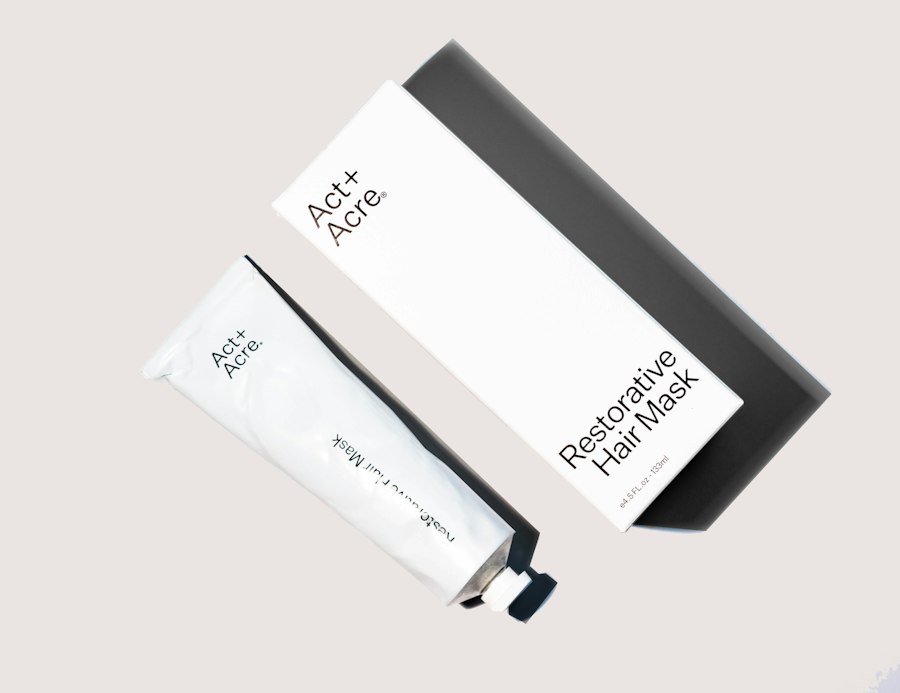
The after: 4 products, chosen with purpose. That's it.
The Non-Negotiable Habits No Product Can Replace
😴Sleep: 7–9 Hours
During deep sleep, your skin produces lipids and ceramides that repair the barrier overnight. No night cream compensates for five hours of sleep.
🧘Cortisol Management
Chronic stress triggers cortisol, which activates CRH receptors in sebaceous glands — literally telling them to produce more oil. The stress-to-acne pathway is biological.
💧Hydration: 2.5–3 Liters
Your skin synthesizes ceramides partly from water-dependent enzymatic processes. Chronic mild dehydration directly reduces your skin's ability to build its own protection.
🛏️Pillowcase Hygiene
Change every 2 to 3 days. During barrier repair, your skin is vulnerable to bacterial transfer. A clean pillowcase reduces friction and contamination.
🔍 Purging vs. Irritation — Quick Reference
| Factor | Purging ✅ | Irritation 🛑 |
|---|
| Timeline | 2–6 weeks, then clears | Gets progressively worse |
| Location | Only where you normally break out | New areas you've never had issues with |
| Sensation | Mild, manageable — skin feels functional | Burning, stinging, persistent raw feeling |
| Lesion Type | Small whiteheads that resolve quickly | Deep painful cysts, rash, or hives |
| Action | Stay the course, support with moisturizer | Stop immediately, consult a derm |
⚠️Critical rule: If your skin is burning, visibly swollen, or developing a rash — that is NEVER purging. Stop all products immediately and see a board-certified dermatologist.
🛍️ My Recommended Skincare Products
After my skin reset, I carefully rebuilt my routine with science-backed, gentle products that support barrier health. Here are the three essentials I'm loving:
Premium Skincare Selection
🧴
Indie Lee Brightening Cleanser
Gentle Cleanser
A sulfate-free formula that removes impurities without stripping your acid mantle. Perfect for barrier-recovery cleansing.
View on Amazon💧
PCA SKIN Clearskin Moisturizer
Hydrating Moisturizer
Ceramide-rich formula that rebuilds the lipid barrier. This is the moisturizer that transformed my skin during the reset.
View on Amazon☀️
Paula's Choice RESIST Super-Light Daily Wrinkle Defense SPF 30
Daily SPF
Lightweight, non-comedogenic SPF that protects without heavy silicones. Essential for barrier recovery and preventing UV damage.
View on Amazon
❓ Frequently Asked Questions
Should I quit my whole routine cold turkey or do it gradually?
If you're dealing with general overwhelm, mild reactivity, and product overload — cold turkey works well and gives you a clean baseline. However, if you're on prescription-strength retinoids or medicated treatments, do NOT stop those without consulting your provider. For most over-the-counter routines, a cold turkey reset for 5 to 7 days is safe and highly informative.
How long does a proper skin reset take to show real results?
Surface improvements — reduced redness, less oil, calmer tone — appear within 5 to 7 days. But true skin barrier repair requires at least one full 28-day renewal cycle, ideally two (6 to 8 weeks). Think of week one as immediate relief, and weeks 4 through 8 as the real structural restoration.
Will my acne get worse before it gets better?
It might. Days 1 through 3 may involve increased oiliness and a bump or two. That's your skin recalibrating sebum production. Minor breakouts that resolve within 48 to 72 hours are normal. Deep cystic lesions or widespread inflammation means pause and consult a board-certified dermatologist.
Can I wear makeup during a skin reset?
Yes — with conditions. Stick to mineral-based or non-comedogenic formulas. Avoid heavy foundations that require aggressive cleansing. If you wear makeup, use a gentle non-foaming cleanser at night. Micellar water followed by a water rinse is a good middle ground.
If I could only keep ONE product, what should it be?
A ceramide-based moisturizer. No contest. Ceramides make up roughly 50% of the lipid matrix in your stratum corneum — they ARE the mortar. A fragrance-free ceramide moisturizer with cholesterol and fatty acids mirrors your skin's natural lipid ratio almost exactly.
✉️
Using Gmail? Check Your Promotions Tab
Important
We emailed you our free Get the Full Skin Reset Guide — but Gmail's AI often routes it to Promotions. To ensure you never miss a clinical update from Glowing Skin Hub, drag our email to your Primary inbox and click "Yes" when Gmail asks if you want future emails there.
💛 One Final Thing
This experiment didn't give me perfect skin. It gave me something better — perspective. It taught me that my skin is not a problem to be solved with more products. It's a living system that knows how to take care of itself when I get out of its way.
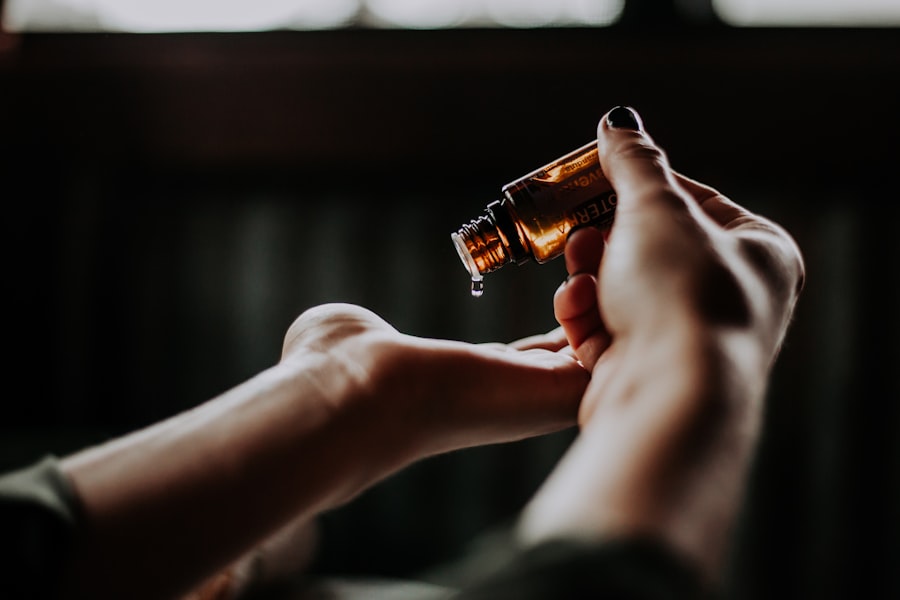
Week 2. Less is genuinely more.
If your bathroom counter looks like a CVS aisle and your skin still isn't cooperating — it's not your fault. The skincare industry is built on the premise that you always need one more thing. But sometimes the most radical thing you can do is simply stop.
Try the three-day version. Or five. Or the full seven. Come back and tell me what happened in the comments — I genuinely want to know. Your skin has been trying to talk to you for a long time. Maybe it's time to finally listen.
"The most radical act of skincare I've ever done was putting everything down and letting my skin remember how to be skin."
Your skin already knows what it's doing. It just needs you to believe it. 🤍


