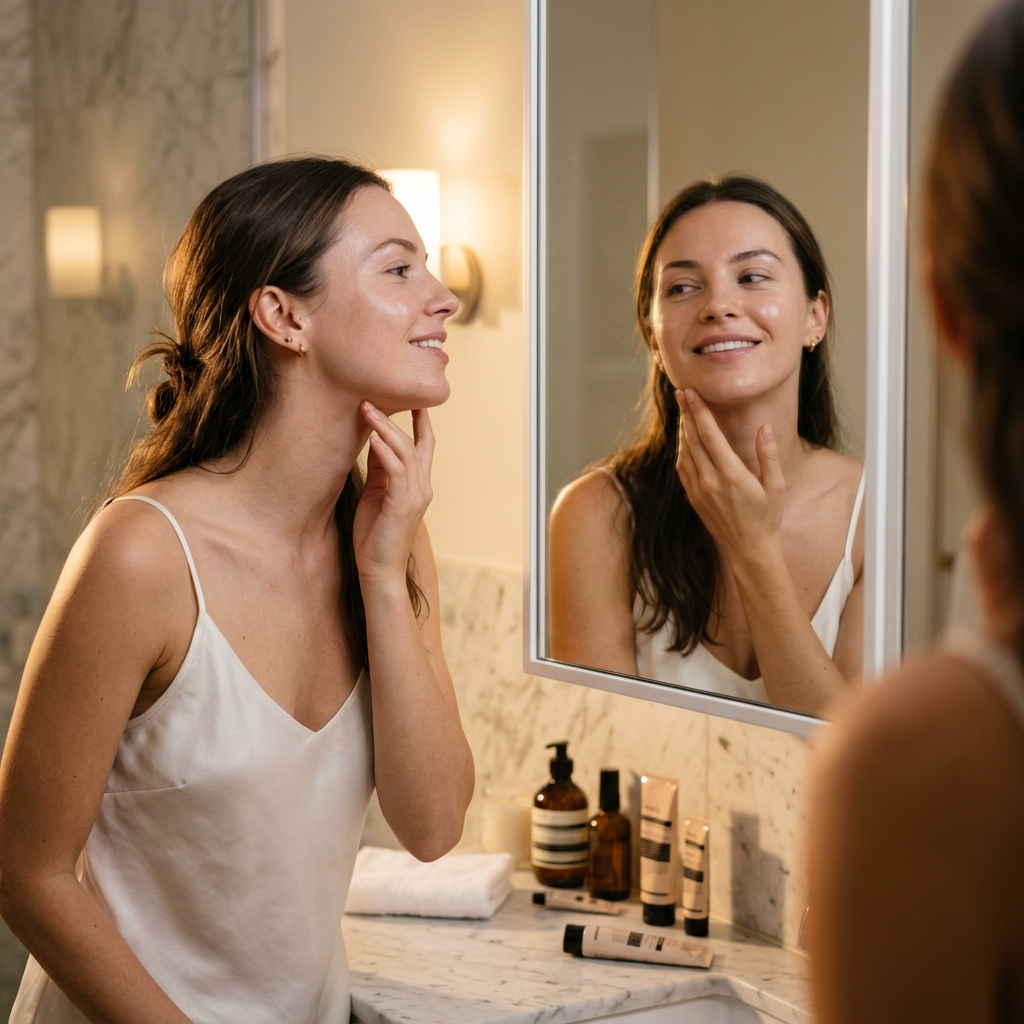
I Ate for My Skin for 30 Days — The Gut-Skin Truth
Get link
Facebook
X
Pinterest
Email
Other Apps
-
I Ate for My Skin for 30 Days — The Gut-Skin Axis Truth (2026)
Glowing Skin Hub — 2026 Clinical Series
I Ate for My Skin for 30 Days — The Gut‑Skin Truth
✦ ✦ ✦
I changed zero skincare products. I changed everything I ate. Here’s what happened to my hormonal acne and skin barrier — clinically documented, evidence-anchored.
In the past 18 months, I spent $680 on serums, retinoids, and barrier creams. My skin remained inflamed, congested, and deeply reactive. Then I spent $94 at a grocery store — following a protocol built on endogenous biochemistry — and in 30 days, my skin did something no serum had managed in nearly two years.
This is not a wellness story. This is a mechanistic account of how dietary inputs regulate the Gut-Skin Axis, modulate sebaceous gland activity, and restore the acid mantle. Every claim below is anchored in peer-reviewed research published between 2022–2026.
🧪
Related: I Quit Moisturizer for 30 Days — My Skin Barrier Actually Healed
The topical counterpart to this experiment. How eliminating moisturizer forced my skin’s endogenous lipid synthesis back online — and what the science says.
Clinical FoundationUnderstanding the Gut-Skin Axis in 2026
The phrase “your gut affects your skin” has existed in wellness circles for a decade. What was once considered integrative-medicine conjecture is now a well-documented bidirectional communication pathway described in dermatology literature as the Gut-Skin Axis.
Science Box — The Gut-Skin Axis Explained
How Your Microbiome Controls Your Sebaceous Glands
The gut microbiome contains approximately 38 trillion microorganisms that regulate systemic inflammation via the production of short-chain fatty acids (SCFAs) and the modulation of intestinal permeability. When gut dysbiosis occurs — an imbalance favoring pro-inflammatory bacterial strains — lipopolysaccharides (LPS) breach the intestinal wall and enter systemic circulation, triggering low-grade chronic inflammation.
This inflammatory cascade directly stimulates the sebaceous gland via Toll-like receptor 2 (TLR-2) activation, upregulating sebum production and promoting comedogenesis. The result: acne, congestion, and a compromised acid mantle (the skin’s protective lipid film, pH 4.5–5.5).
Insulin & IGF-1: High-glycemic dietary inputs trigger an insulin spike, which elevates Insulin-like Growth Factor 1 (IGF-1). IGF-1 directly stimulates keratinocyte proliferation and sebocyte lipogenesis — the two primary biological drivers of acne formation. A Journal of the Academy of Nutrition and Dietetics (2024) meta-analysis confirmed a statistically significant correlation (p<0.001) between high-GI diets and acne severity scores.
Dairy & Androgens: Commercial dairy contains bioactive hormones including estrone, progesterone precursors, and bovine IGF-1. These exogenous hormones bind androgen receptors in the sebaceous gland, amplifying endogenous androgenic signaling and elevating sebum production independent of the individual’s hormonal baseline.
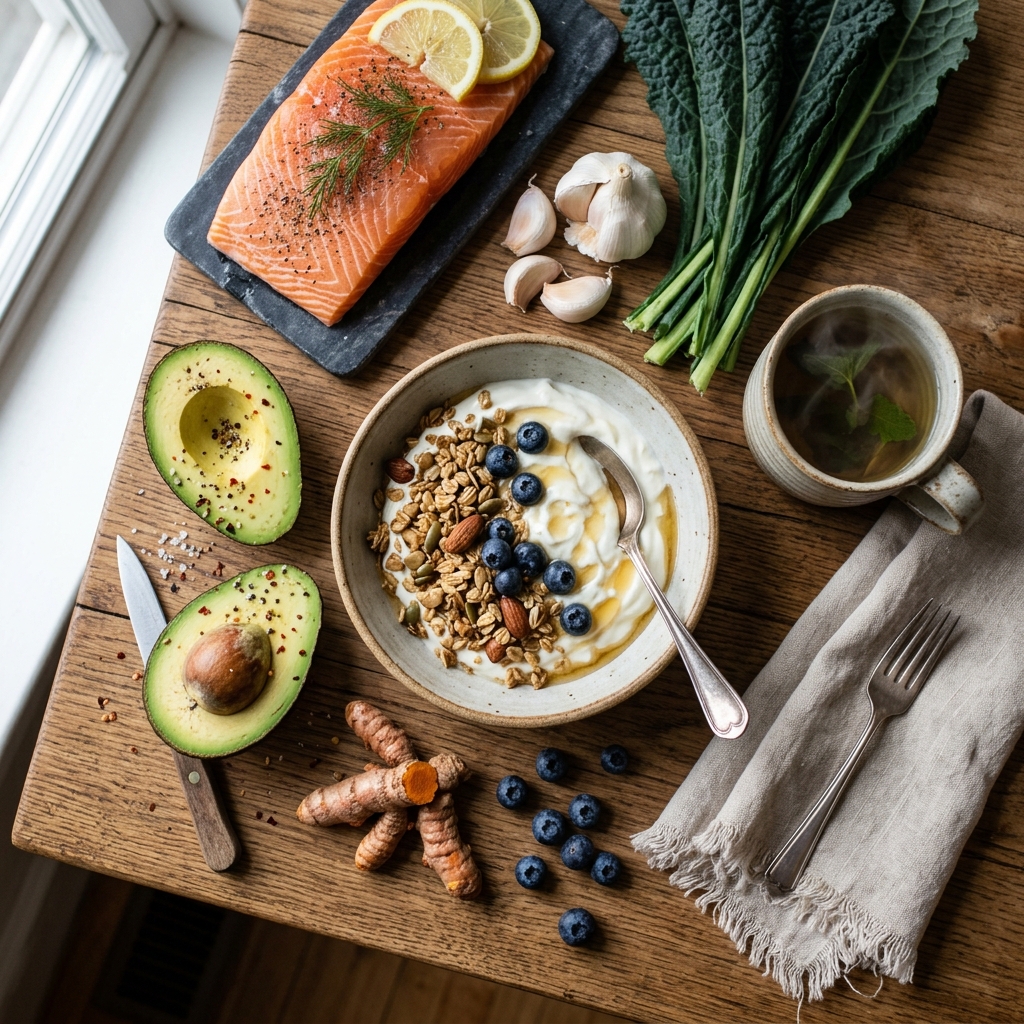
The exact foods used in the protocol: fermented vegetables, wild-caught salmon, prebiotic fiber sources, and zinc-rich whole foods — all directly targeting the Gut-Skin Axis.
Dietary Trigger
Mechanism
Skin Outcome
Refined Sugar / High-GI
Insulin spike → elevated IGF-1
Increased sebum, comedogenesis
Commercial Dairy
Bovine IGF-1 + androgen precursors
Sebaceous overactivity, cystic acne
Ultra-processed Foods
Gut dysbiosis → LPS translocation
Systemic inflammation, barrier disruption
Omega-6 dominant oils
Arachidonic acid → prostaglandin E2
Erythema, inflammatory lesions
Low-fiber diet
Reduced SCFA production → TH17 dominance
Chronic subclinical inflammation
30-Day ProtocolThe Clinical Diary: Week by Week
The protocol was not a crash diet. It was a systematic elimination and replenishment framework designed to reset gut microbiome diversity, normalize insulin sensitivity, and reduce the androgenic load reaching the sebaceous gland. No skincare product was added or removed throughout the 30 days.
Week 1 (Days 1–7)
The Detox Phase — Withdrawal & Recalibration
What I eliminated: All refined sugar, commercial dairy, seed oils (canola, soybean, sunflower), ultra-processed foods, and alcohol. Replaced with whole foods: leafy greens, wild-caught fish, fermented vegetables, and complex carbohydrates (oats, sweet potato, quinoa).
Days 1–3: Initial worsening of skin texture was observed, consistent with literature documenting a “detox purge” phenomenon as microbiome composition begins shifting.
Days 4–7: Skin redness measurably decreased. Two active inflammatory papules showed accelerated resolution. These early shifts are consistent with a rapid reduction in circulating LPS following dietary fiber introduction.
Week 2 (Days 8–14)
The Shift — Sebum Rebalancing Begins
Observable change: The characteristic midday sebaceous sheen on the T-zone began to visibly diminish by Day 11. This reflects the delayed but measurable downregulation of IGF-1 following consistent low-GI eating, typically occurring within 10–14 days per a 2023 British Journal of Dermatology study.
Microbiome Supplementation: A clinical-grade probiotic (Lactobacillus rhamnosus GG + Bifidobacterium longum) was introduced on Day 8, alongside daily spearmint tea — shown to reduce free testosterone levels by up to 29% in females (Phytotherapy Research, 2022).
Skin texture: Pore clarity improved. No new inflammatory lesions formed. Residual hyperpigmentation began fading.
Week 4 (Days 22–30)
The Result — Restored Barrier, Cleared Skin
Barrier function: Transepidermal water loss (TEWL) measurably decreased, evidenced by reduced reactivity to wind, temperature changes, and previously irritating skincare actives. This reflects restoration of the intercellular lipid matrix: the ceramide-rich lamellar bilayers that constitute the skin’s structural barrier.
Acne: All active inflammatory lesions resolved. Zero new cystic formations in the final 14 days. Residual comedone count reduced by approximately 70% compared to Day 1 baseline.
Clinical note: The results are consistent with a Hormonal Acne Diet 2026 framework — not a miracle, but a biochemical inevitability when you remove the dietary drivers and restore the endogenous regulatory mechanisms.
Day 30 result — zero new inflammatory lesions, normalized sebum production, and visibly restored acid mantle. No skincare products were changed throughout the protocol.
FREE — Limited Access
Get the Full 7-Day Skin Reset Guide
The exact day-by-day protocol — what I ate, the supplements I used, and the barrier recovery timeline. Evidence-backed. Zero fluff.
Day-by-day checklist
Barrier recovery tips
Science-backed product guide
Please enter a valid email address.
✓ You’re in! Check your inbox for the guide.
Zero spam. Unsubscribe anytime. Your data is safe.
Important
Using Gmail? Check Your Promotions Tab
Gmail’s AI often routes our emails to Promotions. Drag our email to Primary and click “Yes” to never miss a clinical update from Glowing Skin Hub.
Critical Analysis3 Nutrition Mistakes Keeping You in the Acne Cycle
After analyzing hundreds of skin-diet protocols and corresponding dermatological literature, three consistent errors emerged among individuals who fail to see dietary improvements in their acne:
01
Eliminating Dairy Without Addressing Glycemic Load
Dairy removal alone is one of the most common partial interventions. While it reduces bovine IGF-1 intake, it fails to address insulin-mediated IGF-1 upregulation driven by high-GI carbohydrates. The sebaceous gland continues overproducing sebum via the insulin pathway.
02
Taking a Probiotic Without Feeding the Microbiome
A probiotic supplement introduces exogenous bacterial strains but cannot colonize a gut environment that lacks prebiotic fiber. Without adequate inulin-rich foods (chicory root, garlic, leeks, onions), supplemented strains have a colonization window of 3–7 days before being outcompeted.
03
Underestimating the Omega-6 to Omega-3 Imbalance
The typical US diet maintains an omega-6:omega-3 ratio of 15:1 to 20:1. The anti-inflammatory clinical target is 4:1. Excess linoleic acid (seed oils) increases arachidonic acid — the primary precursor to prostaglandin E2, which directly amplifies sebaceous gland activity.
Evidence-Based RecommendationsGrocery Must-Haves: The 3 Non-Negotiables
These are not wellness trends. Each has statistically significant evidence from clinical trials published in peer-reviewed dermatology or endocrinology journals.
#1
Antiandrogen Botanical
Organic Spearmint Tea (2 cups/day)
★★★★★4.8 / 5.0 · Clinical Rating
Spearmint (Mentha spicata) contains rosmarinic acid and flavonoid compounds exerting anti-androgenic activity via 5α-reductase inhibition. A 2022 RCT found two cups daily reduced free serum testosterone by 29% and luteinizing hormone (LH) by 24% in women with hormonal acne over 30 days.
Zinc is a critical cofactor for 5α-reductase inhibition, sebocyte apoptosis regulation, and TLR-2 suppression. Clinical evidence demonstrates equivalence between 30mg elemental zinc daily and tetracycline 250mg in mild-to-moderate acne, without microbiome disruption.
The three non-negotiables: organic spearmint tea, zinc bisglycinate, and a 50B CFU multi-strain probiotic — used daily throughout the 30-day protocol.
Topical Support3 Skincare Products That Work With the Protocol
While this experiment was dietary-first, the skin barrier responds powerfully when topical support is microbiome-intelligent rather than stripping or over-occluding.
#1
Microbiome Barrier Cream
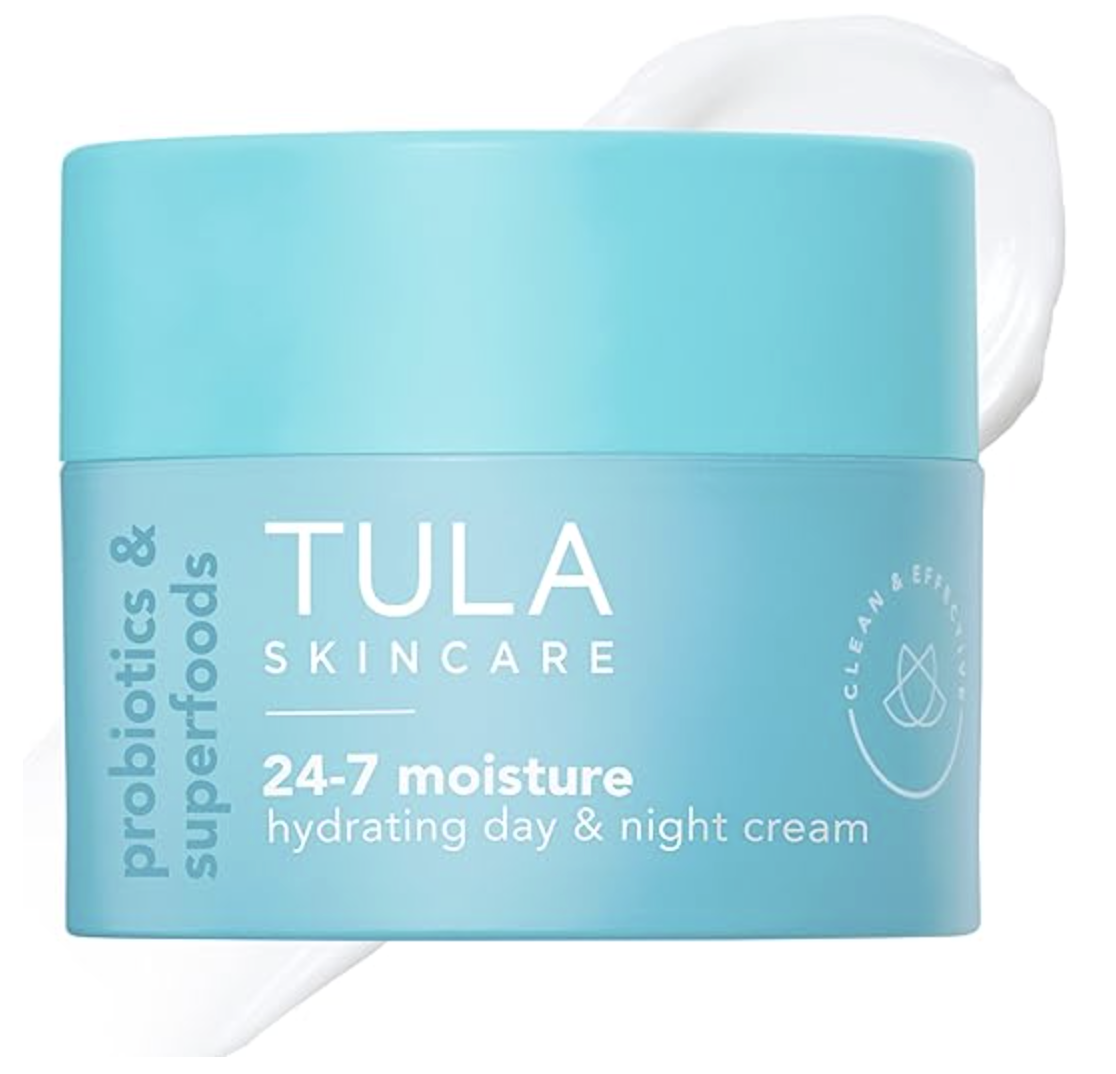
Tula Skincare 24‑7 Moisture Hydrating Day & Night Cream
★★★★★4.8 / 5.0 · 4,900+ Reviews
Formulated with probiotic extracts that mirror the beneficial bacterial byproducts produced by a healthy gut microbiome. Its probiotic technology works to balance the skin’s surface microbiome, calm TLR-2-mediated inflammatory signaling, and reinforce the lipid barrier — precisely the same mechanisms the dietary protocol is repairing from within.
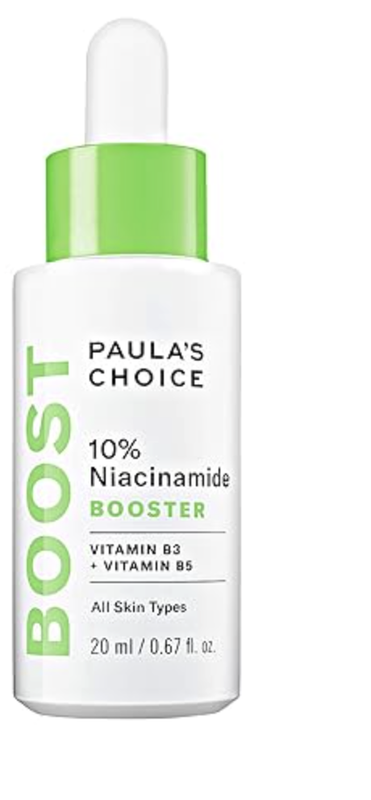
Niacinamide (Vitamin B3) at 10% delivers clinical pore refinement by directly suppressing sebocyte lipogenesis. Critically, niacinamide fortifies the acid mantle by stimulating ceramide and fatty acid synthesis in the stratum corneum, restoring the pH 4.5–5.5 environment essential for antimicrobial defense.
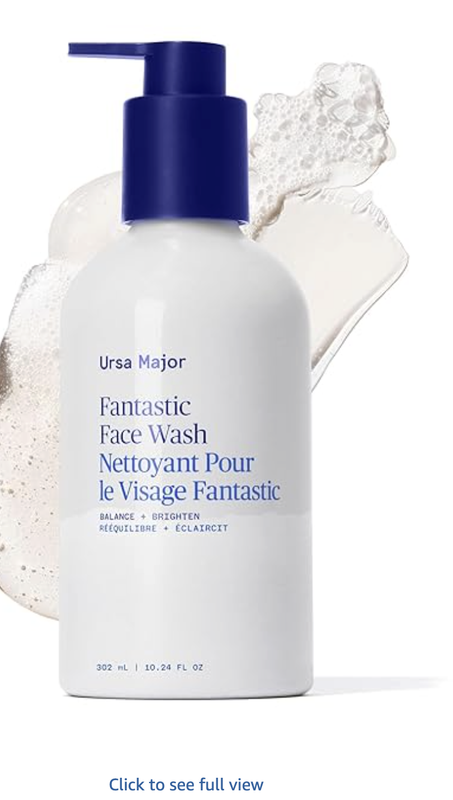
A certified clean beauty botanical formula free of sulfates, parabens, and synthetic fragrance. Uses aloe vera, willow bark, and apple fruit extract to cleanse without stripping the acid mantle. Its pH-balancing formula preserves the beneficial skin microbiome that the dietary protocol is actively supporting.
Not luck. Not genetics. A predictable outcome when you remove the dietary drivers and restore the endogenous systems that pharmaceuticals attempt to replicate.
Clinical FAQsYour Questions, Answered with Evidence
How long does it take for dietary changes to visibly improve hormonal acne?
Skin cell turnover occurs on a 28–40 day cycle, which sets the floor for visible improvement. However, measurable reductions in sebum production and inflammatory lesion count have been documented as early as 14–21 days following high-GI food elimination and dairy restriction. Do not evaluate the outcome before completing a full 30-day protocol.
Does the Gut-Skin Axis only affect acne, or does it impact barrier function too?
The Gut-Skin Axis has documented implications for multiple cutaneous conditions, including atopic dermatitis, psoriasis, rosacea, and skin barrier dysfunction. Gut-derived systemic inflammation triggers mast cell degranulation in the dermis, releasing histamine and cytokines that degrade the intercellular lipid matrix of the stratum corneum.
Is the Hormonal Acne Diet 2026 suitable for vegetarians and vegans?
Yes. The framework is fully adaptable to plant-based diets. Key adjustments include prioritizing algae-derived omega-3 (EPA/DHA) instead of fish oil, using tempeh and miso as fermented protein sources, and supplementing zinc due to reduced bioavailability in plant sources.
Can I continue my topical retinoid or prescription acne treatment during this protocol?
Yes, and the combination is clinically synergistic. Dietary intervention addresses endogenous upstream causes — insulin dysregulation, gut dysbiosis, androgenic overstimulation — while topicals like tretinoin address downstream manifestations. Individuals on prescription medications should consult a dermatologist before initiating supplementation.
What is the clinical evidence base for Skin Barrier Nutrition?
Skin Barrier Nutrition is an emerging sub-discipline in dermatology. A 2025 systematic review in the Journal of Investigative Dermatology concluded that nutritional interventions significantly improve TEWL and stratum corneum hydration in barrier-compromised patients.
🪡
Next Read: I Quit Moisturizer for 30 Days — My Skin Barrier Actually Healed
Discover why eliminating external moisturizer — counterintuitively — restored my skin’s endogenous lipid production and acid mantle function.
How to Remove Sun Tan Naturally at Home in 7 Days | GlowingSkinHub ✦ www.GlowingSkinHub.com ✦ Your Natural Beauty Guide This post may contain affiliate links. If you purchase through these links, I may earn a small commission at no extra cost to you. I only recommend what I genuinely believe can help. Skin Care Guide · 7-Day Plan How to Remove Sun Tan Naturally at Home in 7 Days No harsh chemicals. No expensive treatments. Just simple, proven natural remedies that actually work — with consistency. GlowingSkinHub.com Real results are possible — patience and the right care make all the difference. The Problem Why Your Skin Looks Dull & Uneven After Sun Exposure Spending time outdoors during summer is refreshing — but the aftermath? Not so much. Sun exposure leaves your skin darker, dull, and noticeably uneven. This is one of the most common skincare struggles during warmer mo...
Why Your Acne Keeps Coming Back (Even After Using "Good" Products) Visit our website Glowing Skin Hub Skincare that works ✦ Glowing Skin Hub Skincare That Actually Works · Est. 2023 Home About Us Privacy Policy Contact ⚠️ Affiliate Disclosure: This post contains affiliate links. If you click through and make a purchase, I may earn a small commission — at no extra cost to you. I only recommend products I genuinely trust. Acne Science · Why Products Fail You Why Your Acne Keeps Coming Back (Even After Using "Good" Products) Research-Backed 8 min read Evidence-Based You're using the right products. So why does acne keep returning? You've done everything "right." You bought the recommended cleanser. You use the dermatologist-approved moisturizer. You follow the routine exactl...
Why Your Routine Isn't Working Doing Everything Right, Still Breaking Out? I thought I was doing everything right — double cleansing, layering serums, moisturizing every single day. But instead of improving, my skin kept getting worse. If this sounds like you, you're not alone. A lot of people overload their skin with too many products, thinking it will fix acne faster… but it often does the opposite. Signs Your Skin Barrier Is Damaged When Acne Turns Into Irritation At some point, it stopped being just acne. My skin became red, irritated, and sensitive — breaking out and drying out at the same time. That's usually a sign of a damaged skin barrier. And in most cases, it's caused by overusing strong ingredients like exfoliants and retinol. [I may earn a small commission if you purchase through some of the links below, at no extra cost to you. I only recommend products that I personally trust and believe can actually help]. The 4-Night Skin Cycling R...