
The 7-Day Skin
Barrier Repair Plan
What to stop doing. What to use instead. How to glow again.
In This Guide
Your Skin Barrier Is the Foundation of Healthy Skin
Think of your skin barrier as an invisible shield — a delicate layer of lipids, ceramides, and proteins that stands between your skin and everything that could harm it.
Your skin’s outermost layer, the stratum corneum, acts as a crucial protective barrier. Often described using the “brick and mortar” analogy, your skin cells (corneocytes) are the bricks, while the lipid matrix — composed of ceramides, cholesterol, and fatty acids — is the mortar holding everything together.
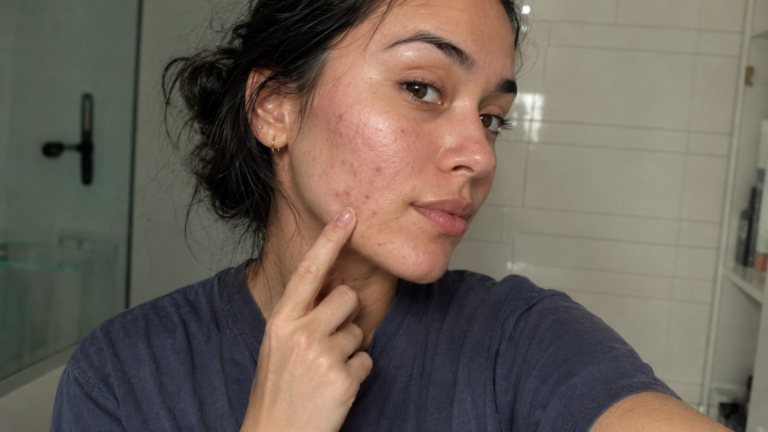
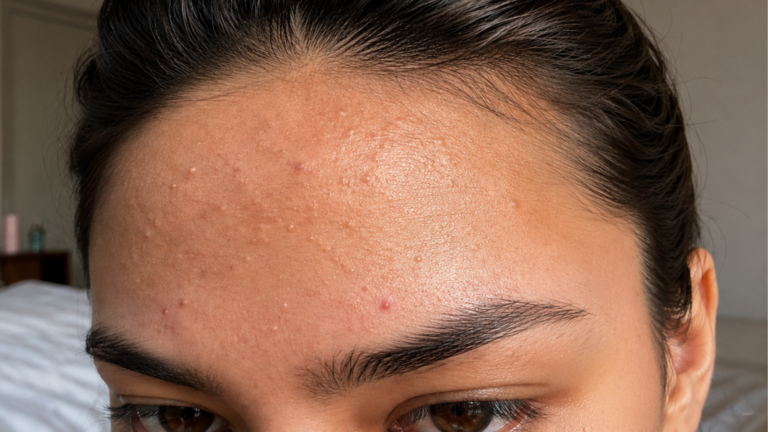
When this barrier is intact, your skin retains moisture, stays resilient against environmental stressors, and maintains that coveted healthy glow. But when it’s compromised? Everything unravels — sensitivity, dryness, breakouts, and premature aging can all follow.
How Your Skin Barrier Gets Damaged
Understanding the mechanisms of barrier damage is the first step toward effective repair. Here’s what dermatologists want you to know.

Signs Your Barrier Is Compromised
What to Stop Doing
Immediately
Before you add anything new, remove the habits and products that are actively damaging your barrier.
Daily Exfoliation with Acids
If you’re using glycolic acid, salicylic acid, or any chemical exfoliant daily, your skin doesn’t have time to recover between sessions. This constant stripping accelerates barrier damage exponentially.
Your skin’s natural cell turnover cycle is roughly 28 days. Forcing it to shed faster than it can rebuild leads to chronic inflammation and a perpetually compromised barrier.
Using Foaming or Stripping Cleansers
That squeaky-clean feeling after washing? It means your cleanser has stripped your natural oils. Harsh surfactants like SLS break down the lipid layer, leaving skin defenseless.
Your skin’s acid mantle has an optimal pH of 4.5–5.5. High-pH cleansers disrupt this, allowing harmful bacteria to thrive and triggering inflammation.
Layering Too Many Active Ingredients
Retinol + Vitamin C + AHA + niacinamide in the same routine? That’s a recipe for irritation. Even beneficial ingredients can overwhelm your skin when combined carelessly.
Actives at conflicting pH levels neutralize each other’s benefits while still causing irritation. During barrier repair, simplify to the absolute essentials.
Hot Water Face Washing & Physical Scrubs
Hot water strips oils and damages capillaries. Physical scrubs with jagged particles create micro-tears. Together, they’re one of the fastest ways to wreck your barrier.
Lukewarm water is optimal — it effectively removes impurities without compromising the lipid barrier or dilating blood vessels.
Skipping Sunscreen or Moisturizer
UV damage is the number one external cause of barrier breakdown. Skipping sunscreen accelerates photodamage, while skipping moisturizer leaves the barrier without lipid support.
SPF isn’t optional — even on cloudy days. A barrier-supportive moisturizer with ceramides is your skin’s best ally during repair.
Your 7-Day Skin Barrier Repair Plan
This day-by-day plan gives your skin exactly what it needs to rebuild — nothing more, nothing less. Strip back your routine, nourish with intention, and let your skin’s natural repair mechanisms work.
- Rinse face with lukewarm water only
- Apply a ceramide-rich moisturizer
- Apply SPF 30+ mineral sunscreen
- Gentle cream or milk cleanser
- Skip all actives and toners
- Layer moisturizer generously
- Seal with a thin layer of healing balm
- Remove all active products from routine
- Do not exfoliate — physical or chemical
- Drink at least 8 glasses of water
- Use a silk or satin pillowcase
- Rinse with lukewarm water
- Apply hyaluronic acid serum on damp skin
- Follow with ceramide moisturizer
- Apply mineral sunscreen SPF 30+
- Gentle milk or balm cleanser
- Hyaluronic acid on damp skin
- Rich ceramide-based moisturizer
- Occlusive layer (squalane or petrolatum)
- Add a humidifier to your bedroom
- Avoid caffeine late in the day
- Apply products to damp skin always
- Eat omega-3 rich foods (salmon, walnuts)
- Gentle cream cleanser
- Centella asiatica (cica) serum
- Ceramide + cholesterol moisturizer
- Mineral sunscreen SPF 30+
- Oil-based cleanser for makeup removal
- Follow with gentle cream cleanser
- Niacinamide serum (2-5%)
- Fatty acid-rich facial oil or balm
- Introduce niacinamide at low percentage
- Focus on lipid-replenishing products
- Avoid touching face throughout the day
- Consider an overnight honey mask
- Splash face with cool water
- Aloe vera gel on any red patches
- Centella + ceramide moisturizer
- Mineral SPF 30+
- Micellar water or gentle cleanser
- Colloidal oatmeal treatment
- Panthenol (Vitamin B5) serum
- Heavy occlusive moisturizer
- Apply a calming centella sheet mask
- Reduce sugar and dairy intake
- Get 7-8 hours of sleep
- Practice stress-reduction techniques
- Gentle cream cleanser
- Niacinamide serum (5%)
- Ceramide + peptide moisturizer
- SPF 30+ broad spectrum
- Double cleanse (oil + gentle cleanser)
- Centella or madecassoside serum
- Barrier-repair cream with 3 key lipids
- Optional: thin petrolatum layer
- Look for ceramide:cholesterol:fatty acid 3:1:1 ratio
- Add an antioxidant-rich meal
- Check for product sensitivities
- Maintain consistent sleep schedule
- Gentle cream cleanser
- Antioxidant serum (green tea or vitamin E)
- Barrier-supportive moisturizer
- SPF 50 mineral sunscreen
- Gentle double cleanse
- Hyaluronic acid + niacinamide
- Ceramide-rich night cream
- Facial oil as final seal
- Reapply SPF every 2 hours if outdoors
- Wear a hat in direct sunlight
- Assess skin’s progress — less sensitivity?
- Consider a probiotic supplement
- Gentle pH-balanced cleanser
- Niacinamide or centella serum
- Your trusted ceramide moisturizer
- SPF 30-50 sunscreen daily
- Double cleanse
- Hyaluronic acid on damp skin
- Barrier-repair moisturizer
- Optional: light occlusive layer
- This is your new baseline — maintain 2-4 weeks
- Only reintroduce ONE active at a time
- Wait 2 weeks between new products
- Celebrate your progress!
Get FREE: The Hormonal Acne Clear-Up Checklist PDF
A step-by-step printable checklist to tackle hormonal breakouts — covering diet, skincare, lifestyle, and when to see a dermatologist. Delivered straight to your inbox.
What to Embrace &
What to Avoid
Not all ingredients are created equal when it comes to barrier health. Here’s your definitive guide.
✓ Barrier-Friendly Ingredients
Ceramides
The backbone of your barrier. They make up 50% of the lipid matrix and are essential for water retention and structural integrity.
Hyaluronic Acid
A powerful humectant that draws moisture into the skin. Use on damp skin and always layer a moisturizer on top.
Centella Asiatica (Cica)
Anti-inflammatory and wound-healing powerhouse. Madecassoside and asiaticoside stimulate collagen synthesis and calm irritation.
Niacinamide (Vitamin B3)
Boosts ceramide production, reduces inflammation, minimizes pores, and strengthens barrier function. Safe even for sensitive skin.
Squalane
A lightweight emollient that mimics your skin’s natural sebum. It moisturizes without clogging pores and reinforces the lipid barrier.
Colloidal Oatmeal
FDA-recognized skin protectant. Rich in beta-glucans and avenanthramides that soothe itching, redness, and irritation.
✗ Ingredients to Avoid During Repair
Retinoids (Retinol, Tretinoin)
Excellent for anti-aging but too aggressive for a damaged barrier. Wait until fully healed before reintroducing.
AHAs & BHAs
Chemical exfoliants dissolve bonds between skin cells. On a compromised barrier, this accelerates damage and causes stinging.
Vitamin C (L-Ascorbic Acid)
At high concentrations or low pH, vitamin C can irritate weakened skin. Pause during repair and reintroduce gradually.
Alcohol Denat. & SD Alcohol
Drying alcohols strip oils and disrupt the lipid barrier. Check your toner and serum labels carefully.
Fragrance & Essential Oils
Among the top sensitizers in skincare. Even “natural” fragrances can trigger inflammation on compromised skin.
Sodium Lauryl Sulfate (SLS)
A harsh surfactant that strips natural oils. Found in many foaming cleansers — switch to sulfate-free alternatives.
Barrier-Safe Skincare
Routines
Simplified routines that focus on protection, hydration, and repair.
Gentle Cream Cleanser
Use a pH-balanced (4.5–5.5), fragrance-free cream cleanser. Massage for 30 seconds with lukewarm water. Pat dry gently.
Barrier-Support Serum
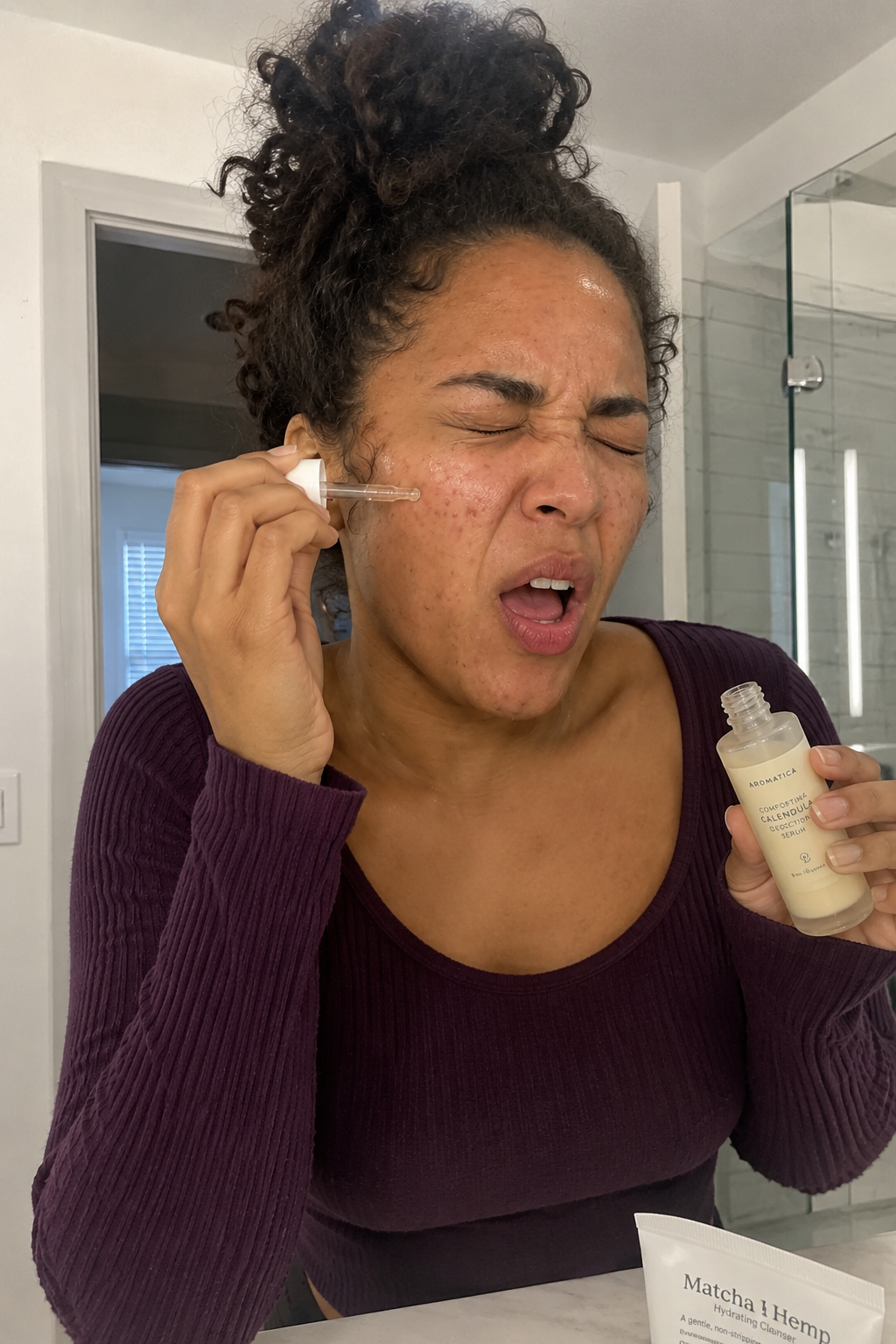
Apply centella or niacinamide serum to damp skin. These calm inflammation while strengthening barrier function.
Ceramide-Rich Moisturizer
Choose a moisturizer with ceramides, cholesterol, and fatty acids. Apply while skin is still slightly damp.
Mineral Sunscreen SPF 30+
Zinc oxide or titanium dioxide-based sunscreens are gentler on compromised skin. Two finger lengths for the face.
Oil or Balm Cleanser
Start with an oil-based cleanser to dissolve sunscreen, makeup, and sebum. Massage gently for 60 seconds.
Water-Based Gentle Cleanser
Follow with a gentle, low-pH cream cleanser. Keep it brief — 20–30 seconds is enough.
Hyaluronic Acid + Moisturizer
Apply hyaluronic acid to damp skin, then immediately layer your ceramide moisturizer to lock it in.
Occlusive Layer
Finish with squalane oil, healing balm, or light petrolatum. This prevents transepidermal water loss overnight.
“The most beautiful skin isn’t about having the most products — it’s about respecting your skin’s natural intelligence and giving it what it truly needs.”
— Dermatological Wisdom

Dermatologist-Backed Tips
for Long-Term Barrier Health
Evidence-based habits to maintain a strong, resilient barrier long after the 7-day plan.
Lukewarm Always
Hot water strips essential lipids. Lukewarm water (36–37°C) cleanses effectively while preserving your barrier’s integrity.
The 60-Second Rule
Cleanse for exactly 60 seconds — enough time for your cleanser to work without over-stripping natural oils.
Damp Skin Application
Always apply serums and moisturizers to slightly damp skin. Water on the surface boosts absorption and hydration.
Eat for Your Skin
Omega-3 fatty acids (salmon, flaxseeds), antioxidants (berries, leafy greens), and zinc all support barrier lipid production.
Prioritize Sleep
Your skin’s repair peaks between 11pm and 2am. Getting 7-9 hours of quality sleep is one of the most powerful repair strategies.
One-In, One-Out Rule
When reintroducing actives, add only one new product at a time and wait 2 weeks before adding another. Patch test first.
Frequently Asked Questions
Everything you need to know about skin barrier repair, answered by experts.
When to See a Dermatologist
While most barrier damage can be repaired at home, some situations require professional guidance.
Persistent Redness
If redness or burning persists beyond 2 weeks of gentle care, you may have an underlying condition requiring treatment.
Blistering or Peeling
Severe blistering, oozing, or extensive peeling suggests deep barrier damage that may need prescription-strength interventions.
Recurring Flare-Ups
If your barrier repeatedly gets damaged despite gentle care, an underlying condition like rosacea or eczema may be the root cause.
Sudden Reactions
Intense allergic reactions, swelling, or hives require immediate medical attention and could indicate contact allergy.
Recommended Products for Barrier Repair
These are the products we trust and recommend for effective skin barrier recovery.
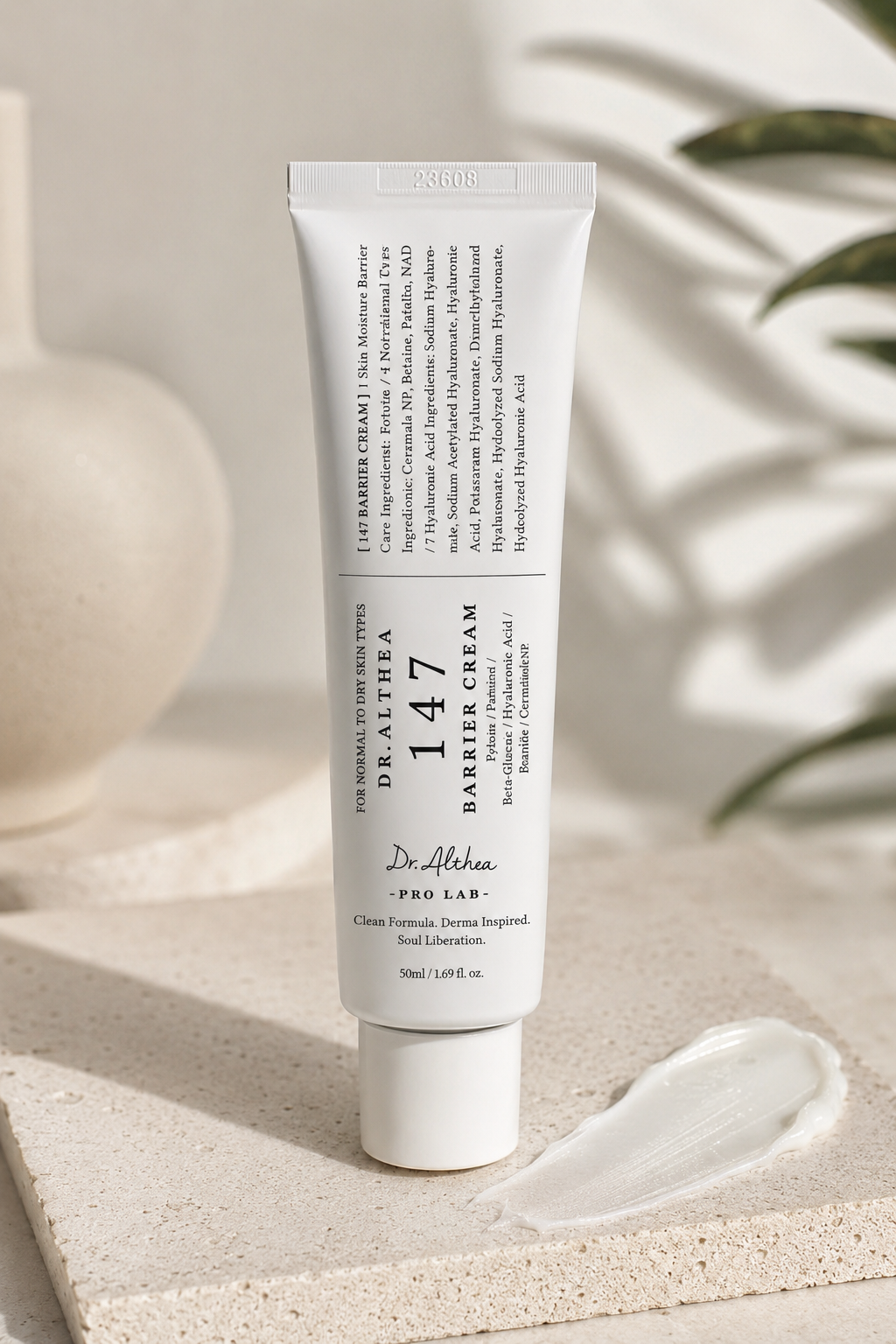
Dr.Althea 147 Barrier Cream | Hyaluronic Acid & Ceramides for Deep Hydration, Barrier Care
A dermatologist-favorite formula that replenishes the lipid matrix and locks in moisture for up to 72 hours. Perfect for compromised and sensitive skin during repair.
Check Price on Amazon →* Affiliate link — we may earn a small commission
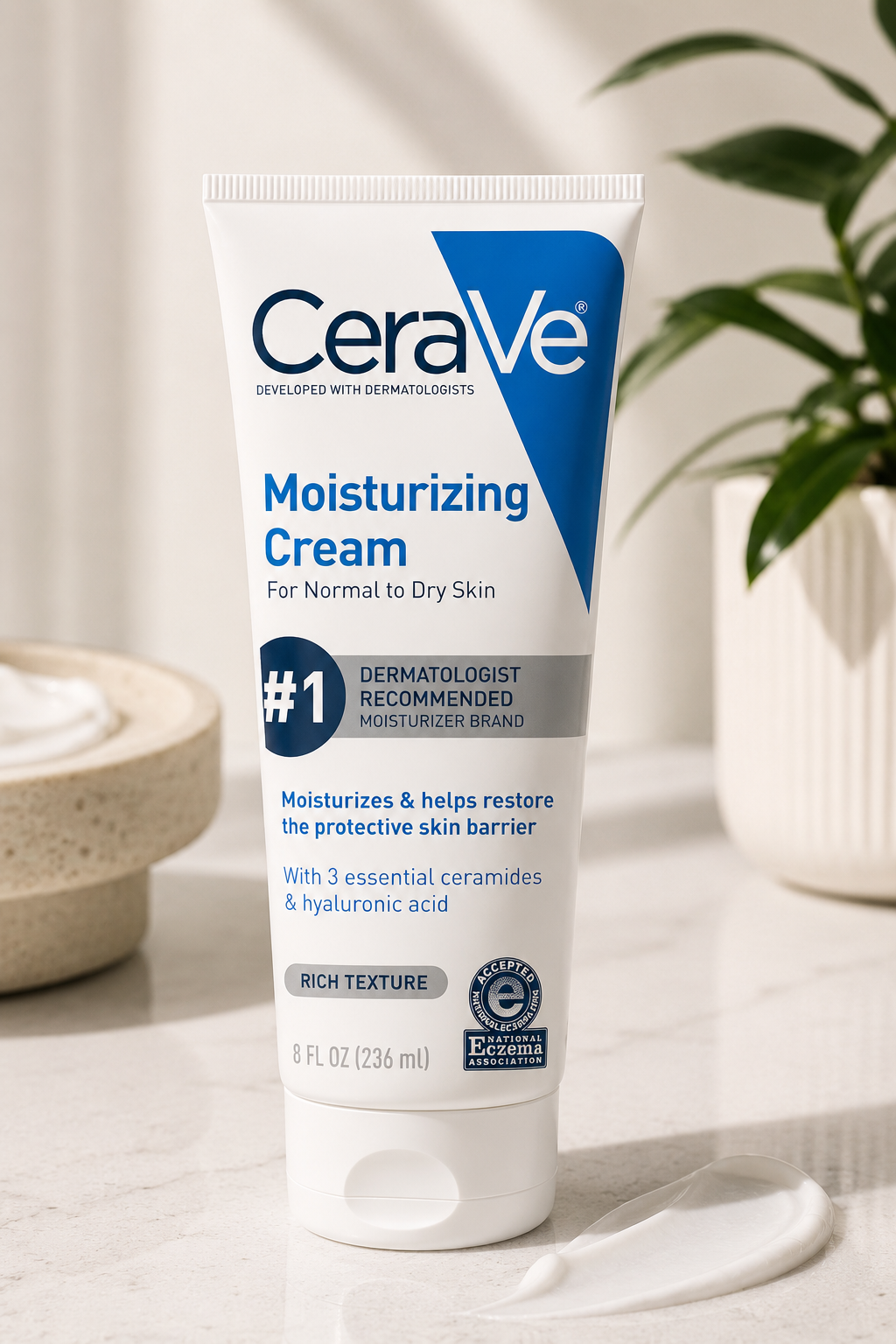
CeraVe Moisturizing Cream, Face & Body Moisturizer, Normal to Dry Skin, 8 Fl Oz
Contains 3 essential ceramides and MVE technology for 24-hour hydration. Dermatologist recommended and fragrance-free — a trusted staple for barrier repair.
Check Price on Amazon →* Affiliate link — we may earn a small commission
Your Skin Knows How to Heal — Let It
The most powerful skincare strategy isn’t adding more. It’s creating the conditions for your skin to protect, repair, and glow from within. Trust the process, be patient, and your barrier will reward you.
Where Science Meets Radiance