I Quit Exfoliating for 21 Days — Here’s What My Skin Barrier Actually Did
No AHAs. No BHAs. No scrubs. I stripped my routine to the bare minimum and let science — not TikTok — tell me what was really happening to my skin barrier.
Why I Actually Quit Exfoliating
It started with a dermatology TikTok at midnight. Not from a brand. From a board-certified derm saying something that stopped my scroll cold: “The number one thing I see damaging skin barriers in 2026 is over-exfoliation. And most people doing it have absolutely no idea.”
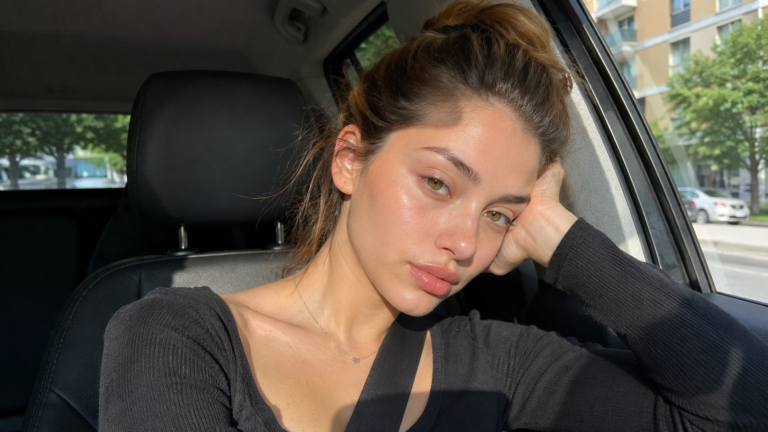
I had been exfoliating four times a week. Two nights of glycolic acid toner, one night of BHA, one morning of enzyme exfoliant. My skin was perpetually red around the nose, my moisturizer would sometimes sting going on, and I had a stubborn dry patch on my cheek that refused to respond to anything. I had changed my moisturizer six times. I had never once considered stopping my acids.
So I ran the experiment. Twenty-one days. Zero exfoliants of any kind. Daily skin assessments. Photos in the same light, same angle, same time each morning. No guesswork — just data.
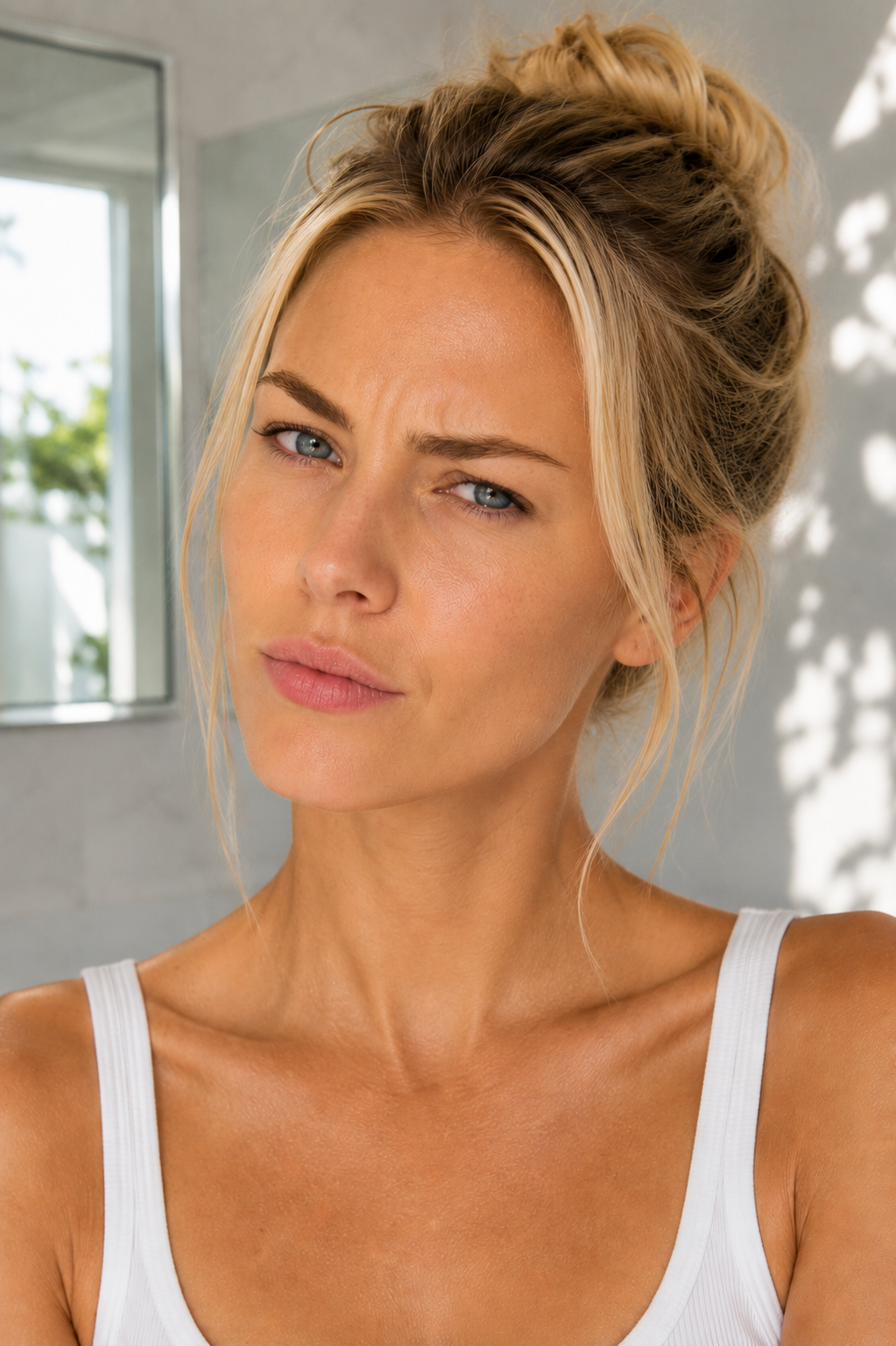
“I had changed my moisturizer six times. It never occurred to me to just stop the acids destroying my barrier.”
Three Non-Negotiable Rules
Before results, here is exactly what I committed to. No exceptions. No “just this once.” These were the constraints that made the data meaningful — documented throughout January 2026.
-
01Zero Exfoliants — Absolute ZeroNo AHAs (glycolic, lactic, mandelic), no BHAs (salicylic), no PHAs, no physical scrubs, no exfoliating tools. If it removed dead skin cells in any capacity, it did not touch my face for 21 days.
-
02Barrier-Only Routine — AM and PMGentle milky cleanser → ceramide moisturizer → SPF 30+ (AM only). No retinol, no vitamin C, no actives of any kind. The sole objective was to support the skin’s own repair process.
-
03Daily Observations — Natural Light OnlyEvery morning before skincare: redness, texture, hydration, sensitivity, and oiliness scored 1–10. Photos taken on Days 1, 7, 14, and 21 at the same angle and time of day.
What Exfoliation Actually Does to Your Barrier
Here is what is happening at the cellular level when you exfoliate — and what happens when you stop. The part TikTok conveniently leaves out.
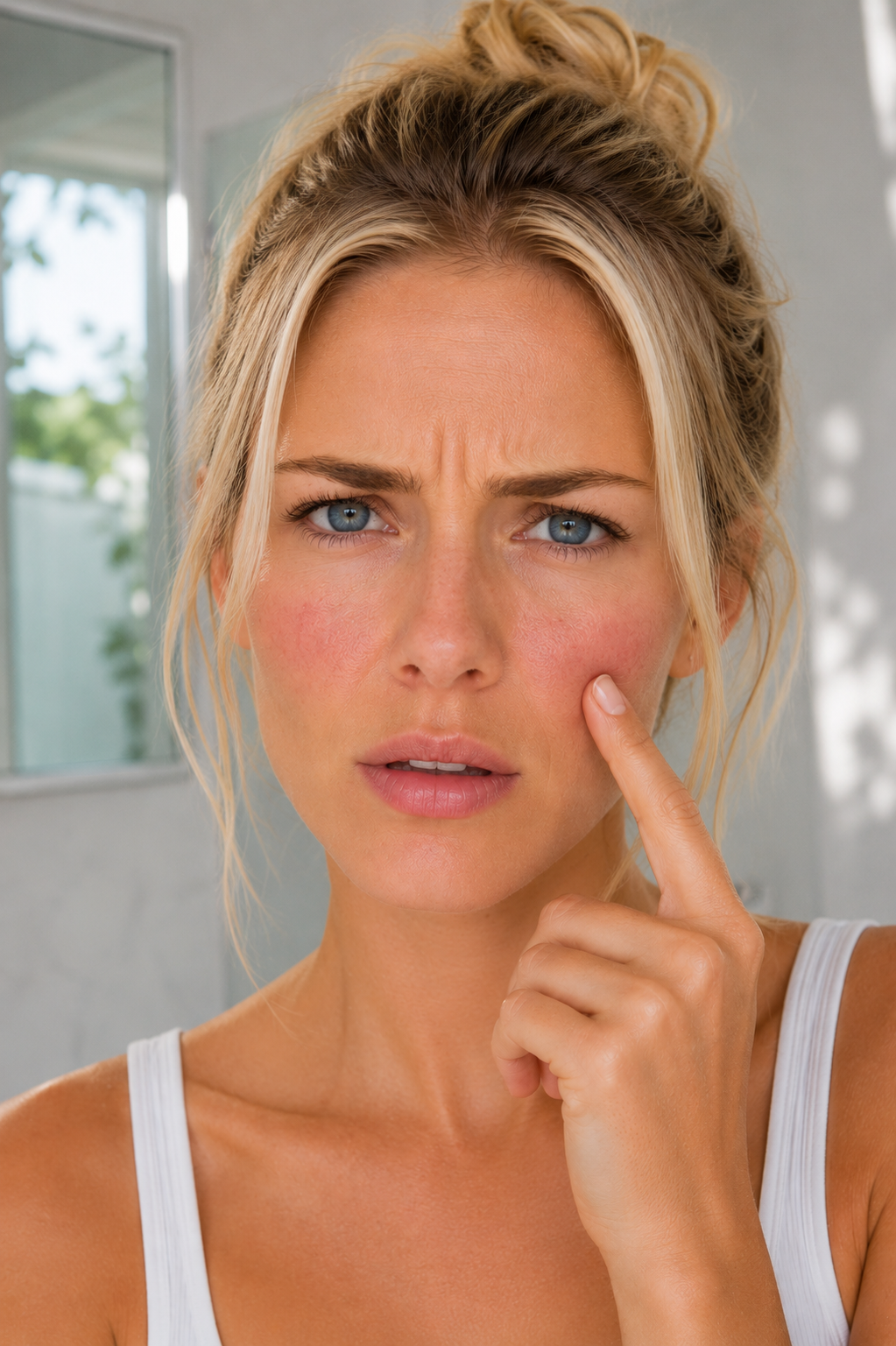
TEWL — The Water Loss Problem
Exfoliants accelerate desquamation and thin the stratum corneum. This temporarily smooths skin — and compromises moisture retention. The result is elevated transepidermal water loss (TEWL): skin loses water faster than it can replenish it. Sebaceous glands compensate by overproducing oil — creating the paradox of skin that feels both dry and greasy at once.
The lipid matrix between skin cells — ceramides, fatty acids, and cholesterol — is the mortar in your barrier’s brick-wall structure. Frequent chemical exfoliation degrades this matrix over time. Without adequate ceramide levels, the barrier becomes permeable, allowing irritants to penetrate while water escapes. This is the mechanism behind the stinging and redness that over-exfoliators develop — and why adding more moisturizer never actually fixes it.
Low-pH exfoliants eliminate pH-sensitive beneficial bacterial strains like Staphylococcus epidermidis that defend against acne-causing Cutibacterium acnes. This is why chronic over-exfoliators often develop more breakouts over time — the very problem exfoliants are marketed to prevent.
| What Exfoliants Do | Short-Term Effect | Long-Term Overuse |
|---|---|---|
| Accelerate desquamation | Smoother texture immediately | Thinned stratum corneum, elevated TEWL |
| Lower skin surface pH | Dissolves dead cell adhesion | Microbiome disruption, reactivity |
| Increase cellular turnover | Temporary glow | Compromised lipid matrix |
| Remove surface debris | Cleaner pores short-term | Rebound sebum overproduction |
TikTok Claims vs. What Science Says
The algorithm loves exfoliation content. Your skin barrier does not. Here are the four most viral claims — and what the published research actually shows.
Daily exfoliation disrupts the acid mantle (pH 4.5–5.5), elevates TEWL, and causes chronic low-grade inflammation. The “glow” immediately post-exfoliation is partly genuine cell renewal — and partly the flush of mildly irritated skin. Long-term daily use produces reactive, sensitized skin.
Over-exfoliation triggers compensatory sebum production as skin attempts to replace stripped lipids. This creates the exact environment Cutibacterium acnes thrives in. More exfoliation creates more acne over time — the opposite of what’s promised.
Irregular grit particles create micro-tears along the skin surface — microscopic abrasions that increase permeability and sensitize skin. A study in the Journal of Cosmetic Dermatology confirmed physical scrubs significantly elevated sensitivity markers vs. chemical alternatives.
Healthy skin naturally sheds cells every 28–40 days via kallikrein-regulated enzymatic desquamation. The dullness in Days 1–7 is a temporary adjustment — not permanent. Most people see improved luminosity within two weeks as barrier function normalizes.
The 21-Day Skin Diary
Three weeks. Three completely different skin stories. What actually happened — scored daily, photographed consistently, with nothing softened for presentation.
The Withdrawal
The first two days were deceptively fine. By Day 3, I noticed a dullness I hadn’t felt in months — not flaking, not breakouts, just a subtle flatness I immediately wanted to fix. I resisted. Day 4 brought a small cluster of closed comedones on my jawline — the skin adjusting to the shift in oil production.
Day 5 was when things got interesting. The chronic dry patch on my left cheek was visibly softer. The redness around my nose had not decreased yet. Week 1 was transition, not result.
The Shift
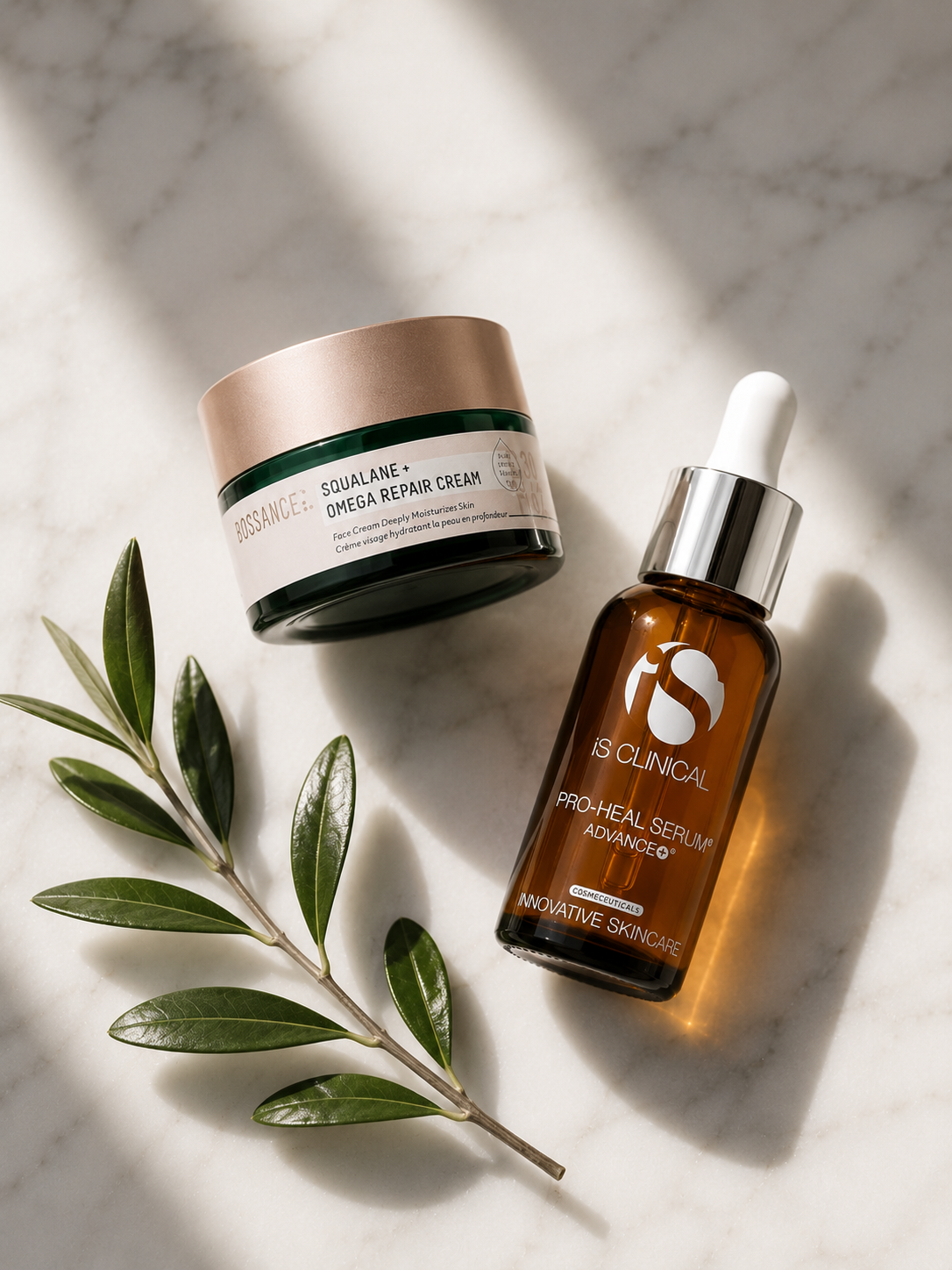
Day 8 was the turning point I almost missed. I walked past a mirror in natural light and my skin looked calmer — less inflamed around the nose. The redness that had been there so consistently I’d stopped noticing it was fading.
Day 12 was the real milestone: my moisturizer absorbed without a single area pulling or resisting. Makeup that evening applied smoothly for the first time in longer than I could clearly remember.
The Glow-Up
By Day 17, I had stopped searching for results and started simply experiencing them. The chronic nose redness was gone — not reduced, gone. The dry patch on my cheek was completely resolved. My skin was producing less oil at midday.
Day 21: Even texture. Consistent tone. A luminosity I can only describe as what skin looks like when it is not defending itself against anything. Not a product glow — a structural one.
Redness Level (lower = better)
Barrier Integrity / Moisture Absorption (higher = better)
Natural Glow Factor (higher = better)
Two Products That Helped My Barrier Heal
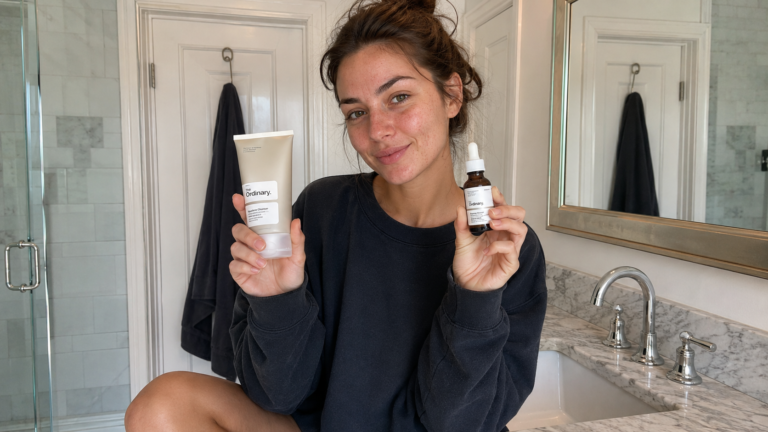
The routine was intentionally minimal: one gentle cleanser, one barrier moisturizer, one SPF. These were the two products that did the actual heavy lifting during the repair phase.
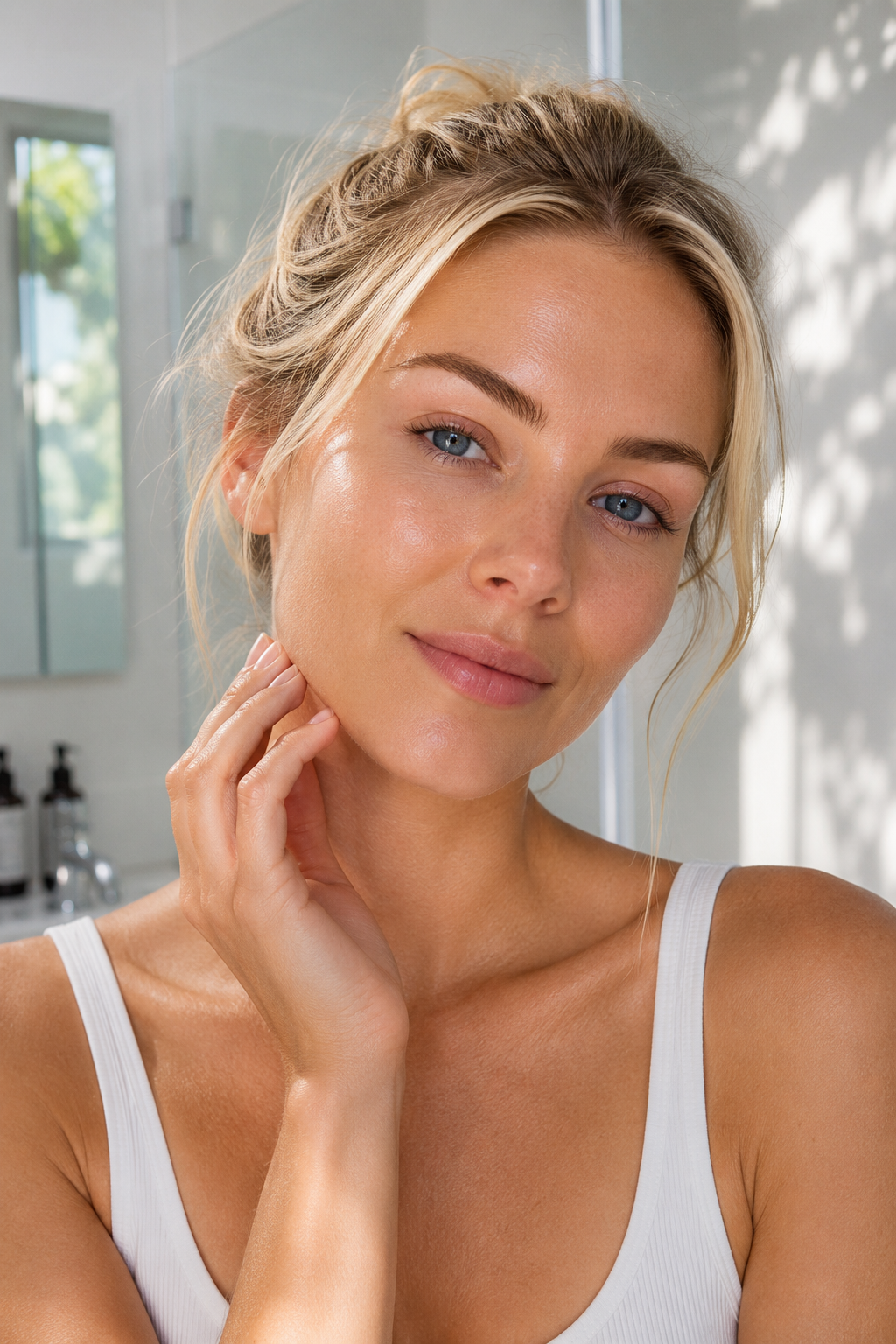
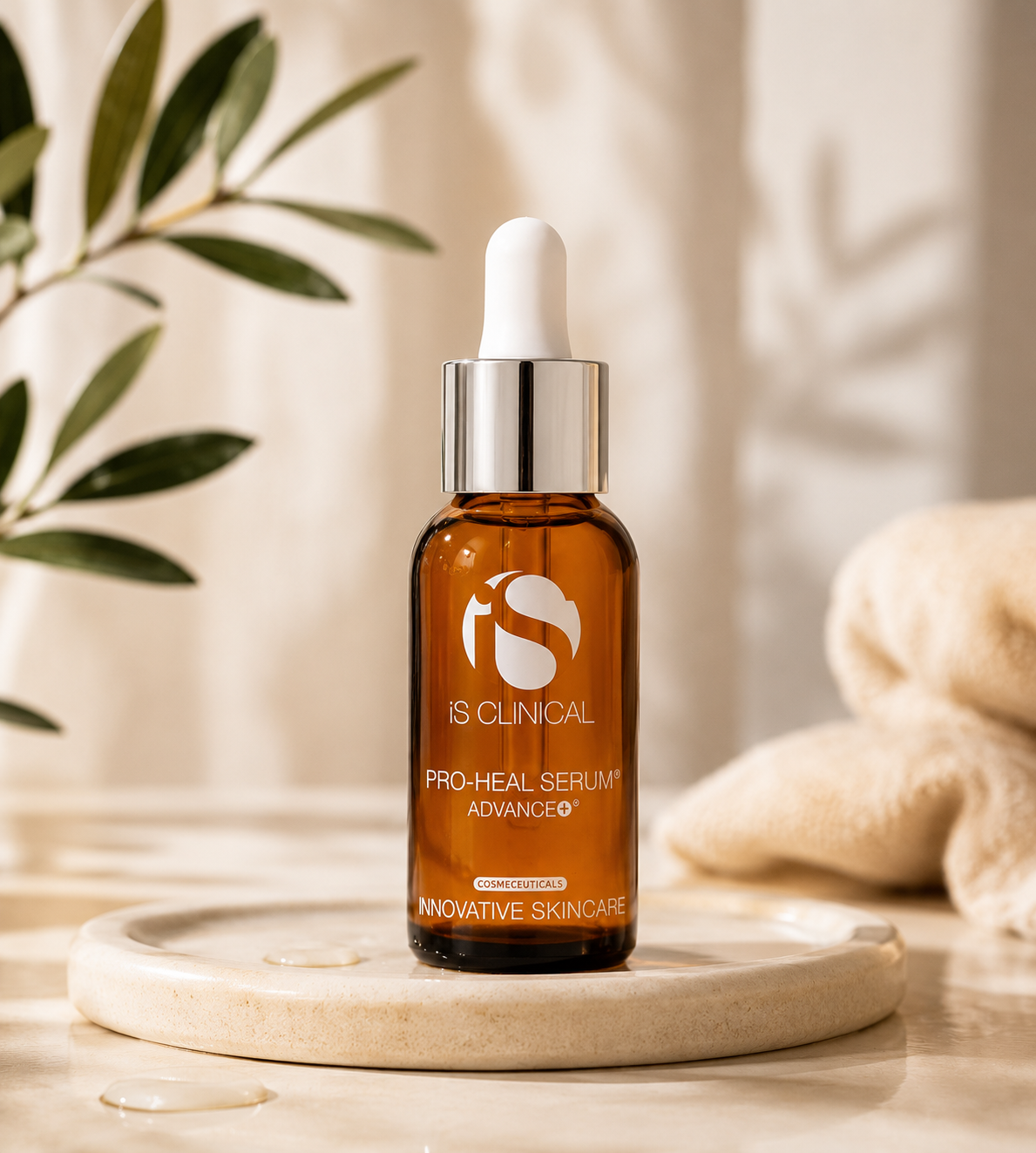
Stabilized 15% L-ascorbic acid, olive leaf extract, and zinc to calm inflammation and support cellular repair. Clinical grade, fragrance-free, genuinely effective at reducing the redness that accompanied the early repair phase.
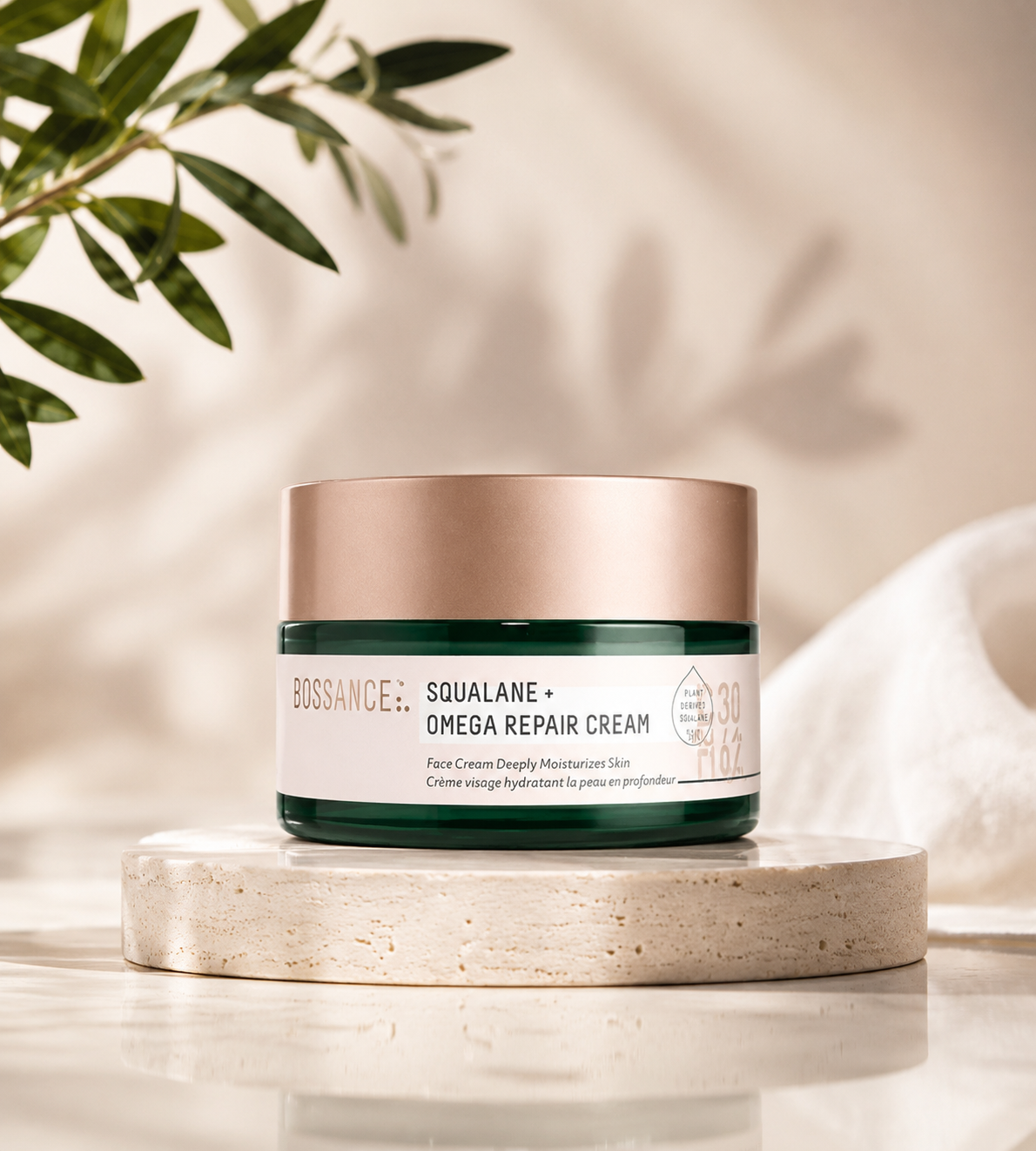
Plant-derived squalane, omega fatty acids, and ceramide precursors that mirror the skin’s natural lipid profile. Absorbed cleanly every night without residue — the dry patch on my cheek visibly responded within the first week of use.
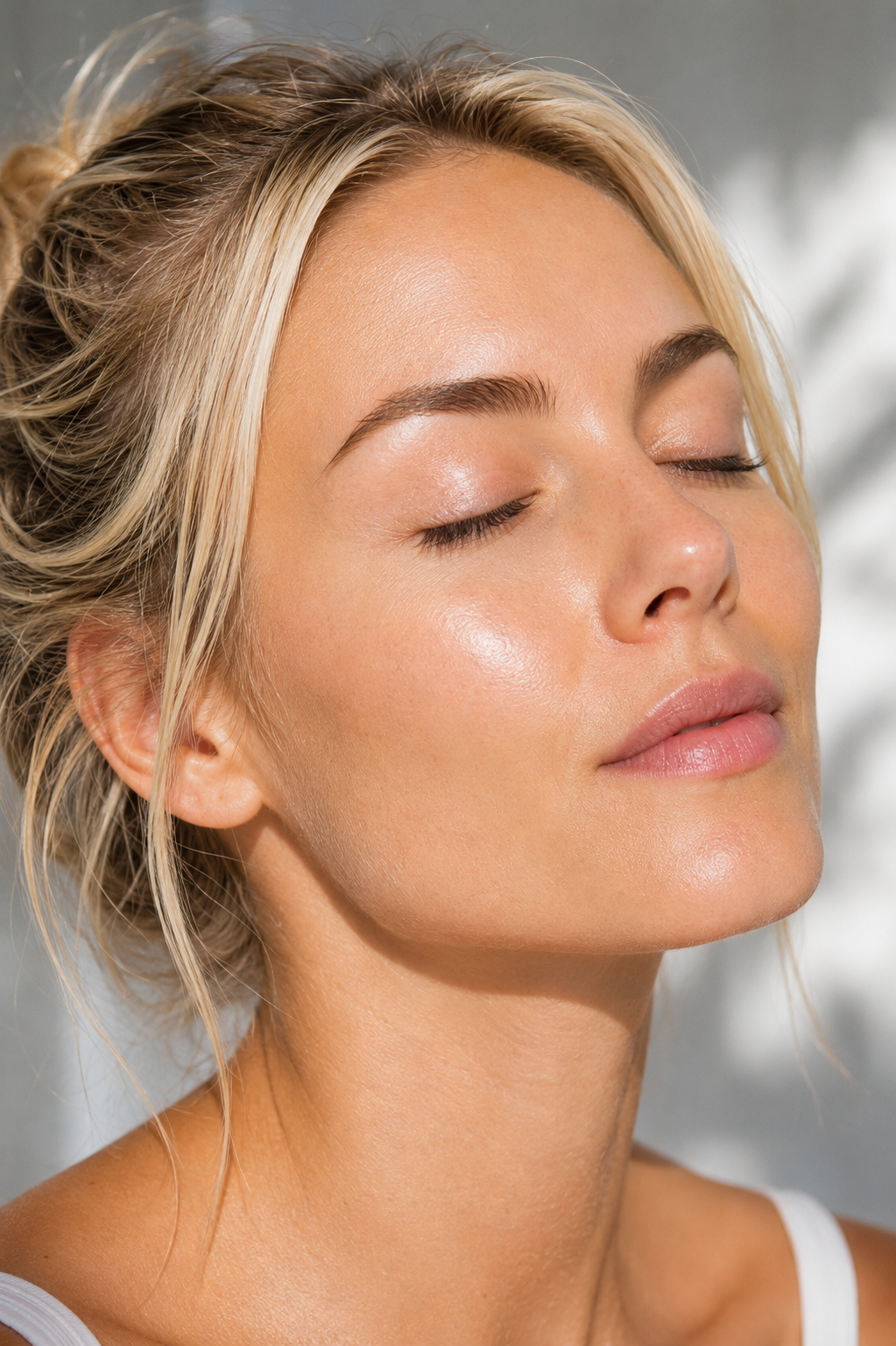
21 days. Zero exfoliation. Real results. Get the full daily log, product list, and barrier repair protocol — free, straight to your inbox.
Should You Quit Exfoliating?
The answer depends entirely on where your skin is right now. Here is a simplified framework based on skin type — drawn from the 2026 experiment.
If your skin stings, flushes, or peels regularly, you are almost certainly over-exfoliating. A 21-day break is exactly what your barrier needs. Reintroduce only after redness resolves — maximum once every 10–14 days.
Your skin is resilient but benefits enormously from rest periods. Try 14 days off, assess your texture and glow, then reintroduce at one night per week maximum.
Stop BHAs during barrier recovery. Try a papaya or pumpkin enzyme mask once weekly — enzymes dissolve dead cells without disrupting pH or the microbiome.
“TikTok sells outcomes. Science explains mechanisms. Understanding the mechanism is the only way to know whether the outcome applies to your skin.”
Your Questions, Honestly Answered
The questions asked most since this experiment was documented in 2026 — answered without agenda, with as much published science as can responsibly be referenced.
The fear is largely unfounded. Your skin naturally sheds dead cells through enzymatic desquamation every 28–40 days. Most people see improved luminosity, not dullness, after 14–21 days off exfoliants. The flatness in Days 1–7 is a temporary adjustment. Natural glow comes from an intact barrier reflecting light evenly — confirmed in this 2026 experiment.
Research shows initial barrier repair begins within 6–12 hours of disruption. Significant recovery occurs within 3–5 days for mild damage. For chronically over-exfoliated skin, full structural restoration takes 21–28 days. This is precisely why 21 days was chosen for this 2026 experiment.
Three steps only: (1) Gentle, fragrance-free, pH-balanced cleanser. (2) Ceramide-rich moisturizer applied within 60 seconds of cleansing on slightly damp skin. (3) SPF 30+ every morning. No actives, no retinol, no exfoliants during the healing phase.
It depends on the formulation. L-ascorbic acid above 15% at pH below 3.5 can irritate a compromised barrier. During active repair, switch to pH-neutral vitamin C derivatives — ascorbyl glucoside, sodium ascorbyl phosphate, or ascorbyl tetraisopalmitate. Once integrity is restored (typically 14–21 days), a well-formulated L-ascorbic acid can be reintroduced carefully.
The most evidence-backed barrier repair ingredients as of 2026: Ceramides (NP, AP, EOP) rebuild the lipid matrix directly. Squalane mimics sebum and reduces TEWL. Niacinamide at 4–5% stimulates ceramide synthesis. Panthenol (B5) accelerates wound healing. Colloidal oatmeal reduces inflammation. Beta-glucan soothes and moisture-binds. During healing, avoid anything fragrant, alcohol-denatured, or below pH 4.
This article contains affiliate links to iS Clinical Pro-Heal Serum Advance+ and Biossance Squalane + Omega Repair Cream. Independently selected based on ingredient criteria and personal use — not affiliate commission rates. Glowing Skin Hub may earn a small commission if you purchase through these links, at no added cost to you.
No brand paid for, reviewed, or influenced any part of this article. No products were gifted. All observations, scores, and photos are from the personal 21-day trial documented in 2026.
Medical Disclaimer · 2026: This article is for educational and editorial purposes only. It does not constitute medical advice, diagnosis, or treatment. Results described are personal and individual — your skin may respond differently. If you have a skin condition, please consult a board-certified dermatologist before making changes to your skincare routine.