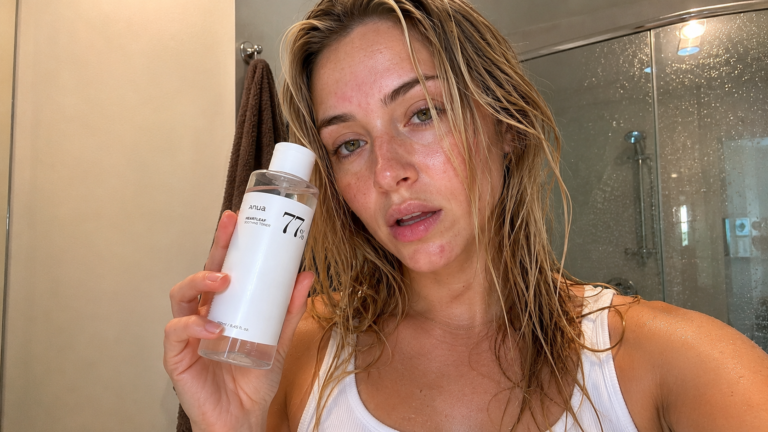

I Stopped Treating My Acne and Started Feeding My Skin Instead — Here’s What 30 Days Did
Every product I owned was designed to attack my skin. Salicylic acid, benzoyl peroxide, retinols, drying toners. What if acne wasn’t the enemy — and my skin was just starving?

The Shift That Changed Everything
For three years, my skincare routine was essentially a war. A war against my own face. I had a lineup of weapons — exfoliating acids, prescription topicals, clay masks that left my skin feeling like parchment — and I used them religiously. Every product I owned was designed with one mission: destroy the acne.
What no one told me was that the relentless attacking was part of the problem.
I discovered this not through a viral TikTok or a dermatologist appointment, but through an honest moment in front of my bathroom mirror in early July 2026. My skin was simultaneously oily and flaky. It was red around my cheeks. I had active breakouts and post-inflammatory marks stacked on top of each other. And I was using more products than I ever had before.
Something was fundamentally wrong with the logic.
“If treating acne aggressively was supposed to work, why was my skin getting worse the harder I tried?”
That question led me down a rabbit hole of skin barrier research, microbiome science, and nutritional dermatology that completely rewired how I think about skin. And then I decided to do what most skin-obsessed people would consider radical: I stopped treating my acne entirely. For 30 days, I fed my skin instead.
This is what happened — honestly, without exaggeration, and without pretending it was some miraculous transformation. It was more nuanced than that. And far more interesting.
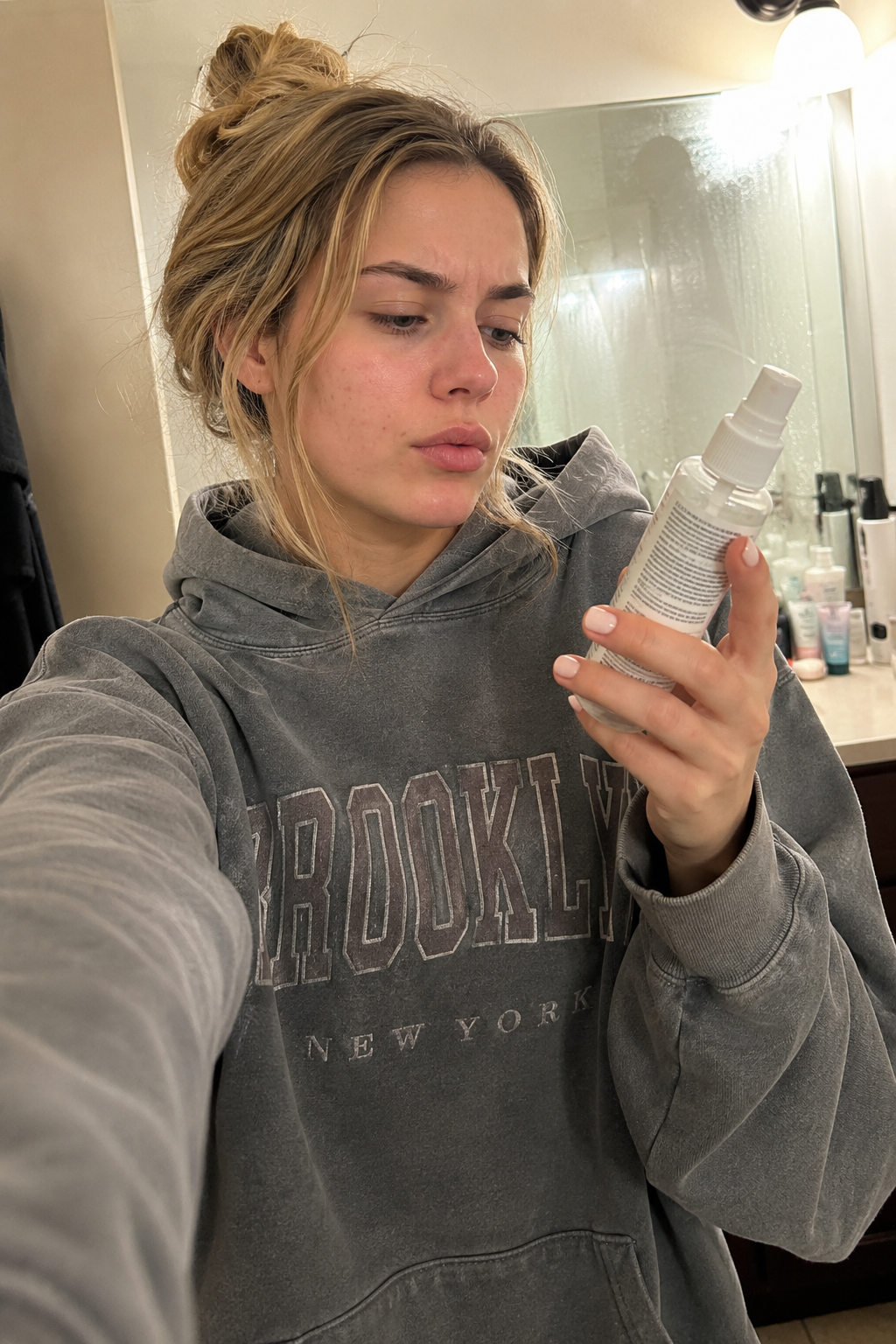
Shifting from aggressive treatment to intentional nourishment — the foundation of this 30-day experiment.
What “Feeding Your Skin” Actually Means
Before we go further, I want to be very precise about this term — because “skin nutrition” gets thrown around loosely and often meaninglessly in wellness spaces.
Feeding your skin is not about green smoothies curing acne. It is not about rubbing avocado on your face. It is about understanding that your skin is a living organ with specific biological needs — and that chronically stripping it of moisture, disrupting its acid mantle, and killing its microbial ecosystem is the exact opposite of meeting those needs.
The skin barrier’s actual job
Your skin’s outermost layer — the stratum corneum — is made of corneocytes (dead skin cells) held together by a lipid matrix. Think of it like bricks and mortar. The bricks are your cells. The mortar is fat: ceramides, fatty acids, and cholesterol in a very specific ratio.
When this barrier is intact, it keeps moisture in and irritants, bacteria, and pollutants out. When it’s compromised — through over-exfoliation, harsh cleansers, or aggressive actives — the reverse happens. Moisture escapes. Bacteria enter. Inflammation spikes. Acne happens.
The skin’s lipid matrix is composed of roughly 50% ceramides, 25% cholesterol, and 15% fatty acids. Disrupting this ratio — even slightly — has measurable effects on trans-epidermal water loss (TEWL) and barrier permeability. Aggressive acne treatments are a known cause of barrier disruption.
So when I talk about feeding the skin, I mean:
- Replenishing the lipid layer with ceramide-rich products
- Supporting the skin’s natural pH (around 4.5–5.5) rather than disrupting it
- Nourishing the skin microbiome rather than sterilizing it
- Providing hydration at multiple layers — water-binding, occlusives, and humectants
- Supporting skin health from within through dietary choices that reduce systemic inflammation
- Removing inflammatory triggers — both topical and dietary
This is not pseudoscience. This is basic skin physiology that has been consistently supported by peer-reviewed research in dermatology journals over the past decade.
The Science: Why Treatment Fails and Nutrition Wins
The Over-Treatment Paradox in Acne Care
Multiple studies published in the Journal of Investigative Dermatology and the British Journal of Dermatology have documented what researchers call the “over-treatment paradox” — where aggressive antimicrobial and exfoliating acne treatments disrupt the skin’s microbiome and barrier function, creating a cycle of rebound inflammation, increased sebum production, and worsening breakouts. The skin’s response to chronic stripping is not compliance. It is adaptation — usually in the wrong direction.
What the research actually shows
A healthy skin microbiome is not one devoid of bacteria. It is a diverse, balanced ecosystem in which beneficial species like Cutibacterium acnes (formerly Propionibacterium acnes) play a constructive role — helping maintain pH, producing antimicrobial peptides, and competing with genuinely pathogenic organisms.
When we blanket-bomb the skin with benzoyl peroxide, prescription antibiotics, or alcohol-based toners, we are not just killing “bad” bacteria. We are disrupting an entire ecosystem that the skin depends on to regulate itself. The long-term result is often a skin that is more reactive, more prone to inflammation, and paradoxically, more breakout-prone.
This connects directly to what some dermatological researchers now call the “skin-gut-brain axis” — recognizing that chronic skin inflammation is often a systemic phenomenon rather than a purely local one. Diet, stress, sleep, and gut microbiome health all interact with skin behavior in ways that topical treatments cannot address.
Trans-epidermal water loss (TEWL) — the rate at which water escapes the skin — is a direct measurement of barrier health. High TEWL correlates strongly with inflammatory skin conditions including acne. Ceramide-deficient skin shows significantly elevated TEWL compared to healthy controls.
The feeding approach acknowledges this complexity. Rather than isolating one target and attacking it, it asks: what does the skin actually need to regulate itself? And then it provides those things — consistently, gently, and without aggression.

The skin’s barrier layers — and why nourishing them matters more than stripping them.
My 30-Day Timeline — Week by Week
Here is an honest account of what happened during my 30-day skin-feeding experiment. I kept notes. I took photos. I resisted the urge to reach for any acne-targeting product even when things felt uncertain.
The Withdrawal Phase — Unfamiliar and Uncomfortable
The first few days felt strange. My skin, accustomed to being stripped twice daily, seemed confused by the absence of actives. There was a slight increase in surface oiliness as my sebaceous glands — which had been in overdrive trying to compensate for chronic dryness — continued producing at their usual elevated rate. No new major breakouts, but existing ones were slower to resolve without my usual salicylic acid spot treatments.
The Recalibration — Sebum Begins to Normalize
By the end of the first week and into the second, something noticeable happened: my midday oiliness decreased. This is consistent with research on sebum rebound — when the skin stops being stripped, it stops overproducing oil to compensate. My skin felt softer. The chronic tight, itchy feeling I had normalized disappeared almost entirely. One new breakout appeared, which I attributed to dietary choices that week.
Visible Changes — Texture and Redness Shift
This was the week I started taking photos with intention. The redness around my nose and chin — which I had attributed to my acne — was visibly reduced. My skin looked more even in tone. The persistent rough texture on my forehead was smoother without a single exfoliating product. This period coincided with my most consistent dietary changes: more omega-3s, reduced refined sugar, increased zinc-rich foods.
Consolidation — A Different Relationship With My Skin
The final stretch was not a dramatic transformation — I want to be honest about that. But it was meaningful. My breakout frequency had notably decreased. The inflammation that typically accompanied any blemish was significantly reduced. And perhaps most importantly, my skin felt like something I was working with rather than against. The barrier felt intact. The chronic sensitivity was gone.
Treating vs. Feeding: A Real Comparison
I want to present this honestly. The “treating” approach is not without value. Prescription retinoids, for instance, have significant clinical evidence behind them. The issue is not that treatment is bad — it is that treatment divorced from barrier support and systemic health creates a fragile, reactive skin that constantly requires more intervention.
| Aspect | Treatment Approach | Feeding Approach |
|---|---|---|
| Core logic | Attack acne-causing bacteria and excess sebum | Support skin’s natural self-regulation |
| Barrier impact | Often disrupts lipid barrier | Actively repairs and strengthens barrier |
| Microbiome | Tends to reduce microbial diversity | Supports microbial balance |
| Short-term results | Can reduce active lesions faster | Slower initial response; adjustment period |
| Long-term results | Can create dependency and rebound | Builds toward self-sustaining skin health |
| Sensitivity | Often increases over time | Typically decreases as barrier rebuilds |
| Best suited for | Acute, severe breakouts requiring clinical intervention | Chronic, low-grade inflammatory acne; maintenance |
| Skin feel | Often tight, dry, sensitive | Soft, balanced, comfortable |
Neither approach is absolute. The most intelligent skincare is integrative — using clinical tools when necessary while always prioritizing the health of the barrier and microbiome as the foundation.
The visual difference between a stripped, reactive skin and a nourished, barrier-strong complexion.
What I Fed My Skin — Inside and Outside
This experiment had two equally important components: what I applied topically, and what I changed in my diet and lifestyle. Addressing only one without the other, in my observation, produces incomplete results.
Topical nutrition — what I applied
I stripped my routine down to four steps, maximum. No actives. No exfoliants. Nothing with alcohol or synthetic fragrance. Every product had one job: support the barrier.
- A gentle, pH-balanced cream cleanser with no surfactant aggression
- A hyaluronic acid serum at multiple molecular weights — small for deep hydration, large for surface moisture retention
- A ceramide-rich moisturizer containing the physiological ratio of ceramides, cholesterol, and fatty acids
- A broad-spectrum mineral SPF 50 in the morning — non-comedogenic, with zinc oxide as the active
- Occasional face oil (squalane, which is non-comedogenic and structurally identical to skin’s own sebum) as an occlusive in the evening
Dietary nutrition — what I changed
I was not following a strict elimination diet. But I made deliberate, evidence-informed changes based on what the research consistently points to as relevant for acne-prone, inflammation-prone skin:
Omega-3 Fatty Acids
Increased fatty fish, walnuts, and flaxseed. Omega-3s are linked to reduced inflammatory prostaglandins that contribute to acne.
Antioxidant-Rich Vegetables
Dark leafy greens, bell peppers, and broccoli daily. Antioxidants help neutralize the oxidative stress that drives sebum peroxidation.
Zinc-Rich Foods
Pumpkin seeds, hemp seeds, and legumes. Zinc plays a known role in sebum regulation and is a cofactor in skin repair processes.
Low-Glycemic Eating
Reduced refined carbohydrates and added sugars. High glycemic load is consistently linked to increased acne severity in research.
Fermented Foods
Kefir, kimchi, and yogurt regularly. Gut microbiome diversity correlates with skin microbiome health and inflammatory status.
Consistent Hydration
Water intake matters. Dehydration impairs barrier function and increases TEWL — compounding inflammatory skin conditions.
I am not claiming that eating more salmon cleared my skin. The relationship between diet and acne is individual and complex. What I am saying is that these changes, combined with topical barrier support, created a consistently less inflammatory environment — internally and externally — that my skin responded to measurably.

Inside and outside — skin nutrition requires addressing both dietary patterns and topical barrier support simultaneously.
7 Practical Tips to Start Feeding Your Skin
If you want to try this approach, here is what I would tell you based on my own 30-day experience and the research that informed it. These are practical, not prescriptive.
-
1Audit your current routine for stripping agents. Look at your cleansers and treatments. If any contain SLS, high-concentration alcohol, or are leaving your skin feeling tight and squeaky, those are barrier stressors worth reassessing before adding anything new.
-
2Give the adjustment period a name so it doesn’t panic you. The first 7–10 days without your usual actives may feel wrong. Your sebum production may briefly increase. This is the skin recalibrating. Naming this phase helps you sit with it without abandoning the experiment.
-
3Ceramides are your first priority. If you are only going to add one ingredient, make it ceramides. Look for formulations that include ceramides NP, AP, and EOP alongside cholesterol and fatty acids for the correct physiological ratio.
-
4Hyaluronic acid works best on damp skin. Apply it immediately after cleansing while skin is still slightly damp, then seal with your moisturizer before it dries. Applying HA to dry skin in low-humidity environments can actually draw moisture out of the skin.
-
5Reduce dietary glycemic load before adding any supplement. The most evidence-supported dietary change for acne-prone skin is reducing high-glycemic foods. This is free and often more impactful than any supplement you could buy.
-
6Sleep is a non-negotiable skin repair mechanism. During deep sleep, skin cell turnover peaks and cortisol drops. Chronic poor sleep elevates cortisol, which drives sebum production and inflammatory signaling. No topical product compensates for chronically poor sleep.
-
7Track changes weekly, not daily. Skin changes on a longer cycle than daily observation allows for. Weekly photo documentation in consistent lighting gives you a far more accurate picture of what is actually shifting — and prevents the daily anxiety spiral that derails most skincare experiments.
GET FREE Skin Barrier Reset Guide PDF
Everything you need to begin rebuilding your barrier — ingredient checklists, a 30-day reset protocol, and the research behind why this approach works. Delivered directly to your inbox.
Products That Support This Approach
These are barrier-focused formulations relevant to the skin-feeding methodology explored in this article. Selected for ingredient quality and formulation integrity.
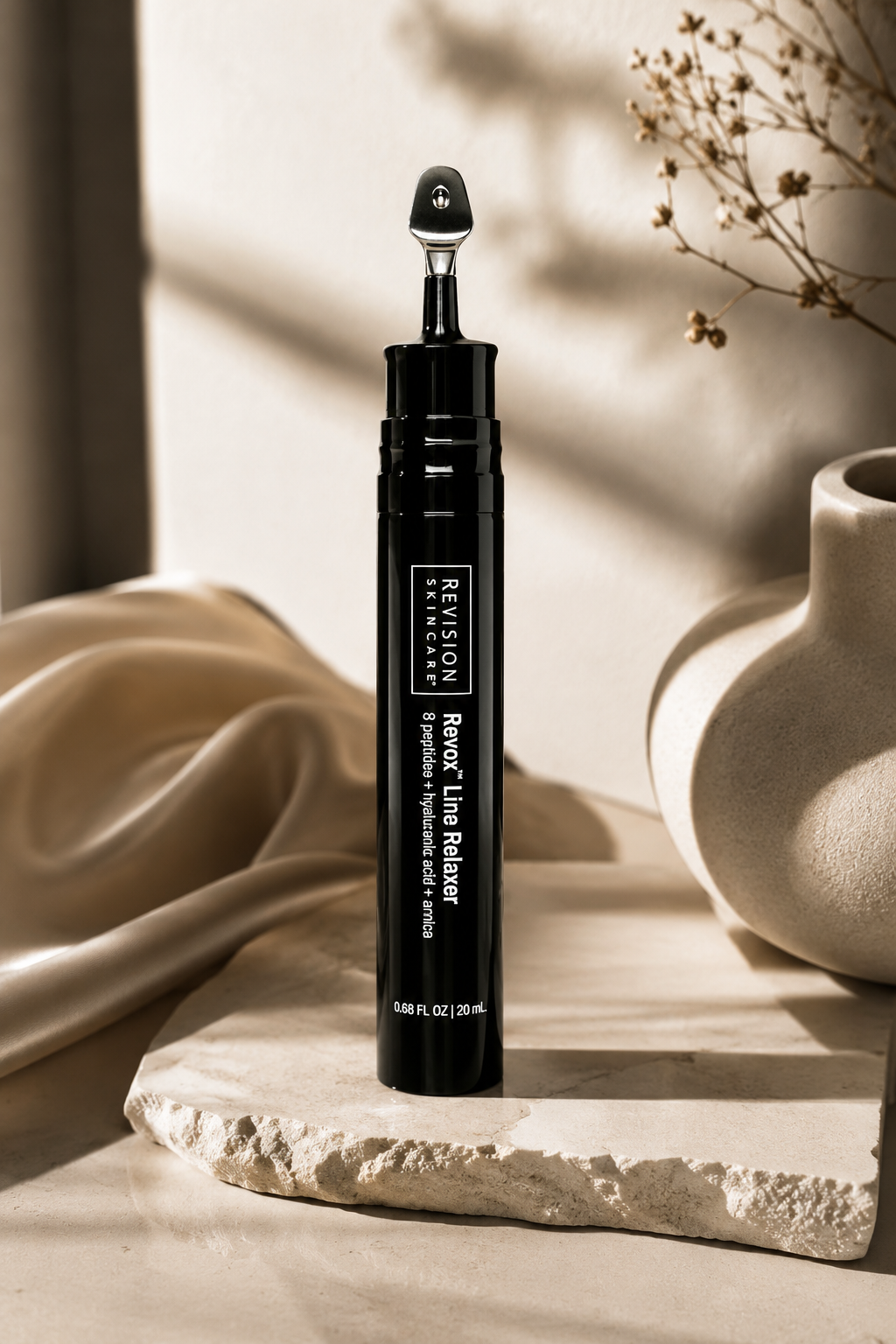
Revision Skincare Revox™ Line Relaxer — Targeted Under Eye Serum with Hyaluronic Acid
A targeted serum combining hyaluronic acid for multi-depth hydration with peptide technology to support the delicate skin around the eye area. Formulated to address fine lines while reinforcing the moisture barrier — consistent with a nourishment-first approach to skin health.
As an Amazon Associate, we may earn from qualifying purchases.
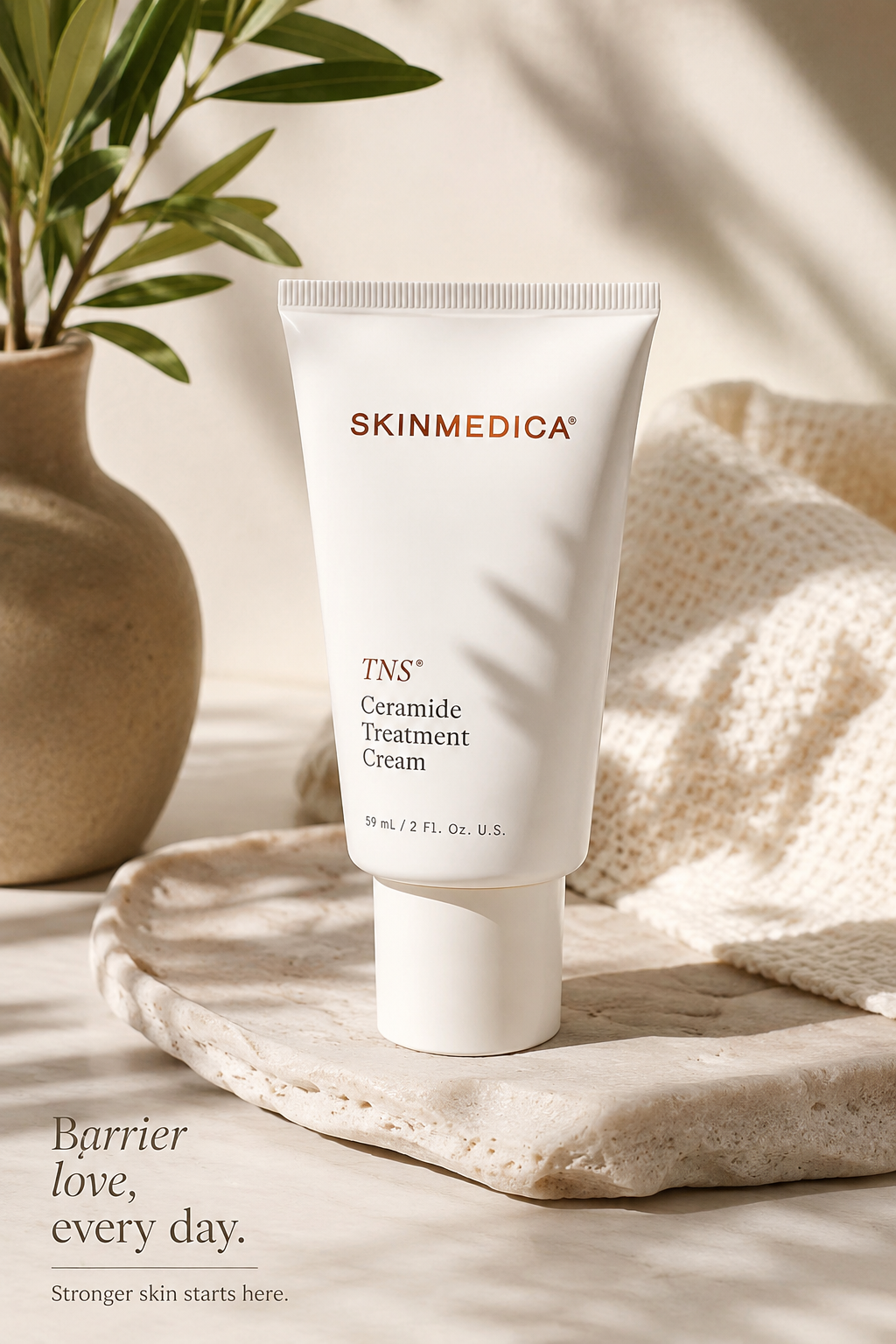
SkinMedica TNS Ceramide Treatment Facial Cream — Hydrating Moisturizer with Peptides & Ceramide Technology
A clinical-grade moisturizer designed to restore the skin’s natural ceramide balance. Combines peptide technology with ceramide complex to support barrier integrity — directly addressing the lipid deficiency that underlies barrier-compromised, acne-prone skin. A formulation aligned with the skin-feeding philosophy.
As an Amazon Associate, we may earn from qualifying purchases.
Frequently Asked Questions
Supporting your skin barrier through appropriate nutrition, gentle hydration, and ceramide-rich products can reduce inflammation-driven breakouts. A compromised barrier allows bacteria and irritants to trigger acne responses more easily. Improving barrier function addresses one of the underlying conditions that allows acne to persist — though it is not a universal cure and individual responses vary.
It means shifting focus from stripping and attacking blemishes toward nourishing the skin’s natural ecosystem — hydrating at multiple skin layers, strengthening the lipid barrier with ceramides and fatty acids, supporting the microbiome by avoiding harsh antimicrobials unnecessarily, and reducing chronic inflammation both topically and through dietary choices.
Most people notice changes in skin texture and redness reduction within 2–4 weeks as the barrier begins to rebuild. Meaningful improvement in breakout frequency typically appears around the 30-day mark. Skin cell turnover operates on a roughly 28-day cycle, so a minimum of one full month is the realistic timeframe for assessing substantive change.
Some people experience an initial adjustment period in the first 1–2 weeks — particularly increased oiliness as sebaceous glands recalibrate from chronic stripping. This is individual and not universal. It is distinct from a true purge (which is associated with cell-turnover accelerating actives like retinoids) and typically settles within the first two weeks if the approach is consistent.
Ceramides (particularly NP, AP, and EOP), cholesterol, and fatty acids form the foundation of barrier restoration. Hyaluronic acid supports hydration. Squalane is an excellent non-comedogenic occlusive. Peptides support structural protein synthesis. Panthenol (vitamin B5) is soothing and aids barrier repair. All of these nourish without aggression — the core principle of feeding over treating.