I Switched to Azelaic Acid
for 30 Days (Instead of Retinol) —
Here’s What Happened to My
Acne & Dark Spots
An evidence-informed 30-day experiment exploring acne, dark spots, and skin barrier recovery.
- Why We Tested Azelaic Acid vs. Retinol
- What Is Azelaic Acid? The Science
- Azelaic Acid vs. Retinol — Full Comparison
- Week-by-Week Results (Honest & Detailed)
- What May Happen to Your Acne
- What May Happen to Dark Spots & PIH
- Top Azelaic Acid Products We Tested
- Who Should (and Shouldn’t) Switch
- Our Editorial Rating & Verdict
- FAQs — Evidence-Based Answers
“To be upfront — giving up retinol felt like a genuine risk. For many skincare enthusiasts, it’s the gold-standard active. But when skin barrier disruption becomes a recurring pattern — persistent redness, sensitivity, chronic dryness — the question worth asking is: is there a smarter approach? According to dermatologists and published research, azelaic acid may be exactly that.”
This is not a sponsored post. This 30-day research-informed review documents a structured switch from retinol to azelaic acid — tracking outcomes for acne, post-inflammatory hyperpigmentation (PIH), redness, and overall skin comfort. What follows presents those findings alongside published ingredient science, so you can make a fully informed decision for your skin.
Medical DisclaimerThis content is educational and does not constitute medical advice. Individual skin responses vary significantly. Results described reflect one documented 30-day experience and may not apply to all skin types. Consult a licensed dermatologist before changing your skincare routine, especially if you have a diagnosed skin condition.
Documented
Evaluated
Tracked
Purging
01 — Why We Tested Azelaic Acid vs. Retinol
Retinol is one of the most clinically studied ingredients in dermatology. It may accelerate cell turnover, can help reduce the appearance of fine lines, and research suggests it may improve acne over time. But it also carries well-documented challenges — particularly for users with sensitive skin, rosacea, or an already-compromised skin barrier.
The challenge many users experience with retinol is what dermatologists describe as retinoid-induced skin barrier disruption — a constellation of symptoms including persistent redness, transepidermal water loss, increased sensitivity to previously tolerated products, and prolonged flaking. Research published in dermatology journals consistently notes that these adverse effects are among the primary reasons users discontinue retinol before experiencing its long-term benefits. For more on this, read our guide on how to repair your skin barrier after retinol.
“According to dermatologists, retinol can be highly effective for the right candidate — but barrier disruption is a real and common side effect that often goes unaddressed. For sensitive or acne-prone skin, gentler multitasking actives may produce comparable results with significantly less collateral irritation.”
— Referenced from published dermatology literature on retinoid toleranceWhen exploring alternatives for users experiencing these issues, azelaic acid emerged consistently in peer-reviewed recommendations. The decision was made to run a structured 30-day experiment — documenting outcomes weekly, tracking four key concerns: active breakouts, post-inflammatory hyperpigmentation, facial redness, and overall skin comfort.
02 — What Is Azelaic Acid? The Science, Simplified
Azelaic acid is a naturally occurring dicarboxylic acid found in grains such as wheat, barley, and rye. In clinical dermatology, it is formulated at concentrations of 10–20% and is FDA-approved as a prescription treatment for acne vulgaris and rosacea. Its effectiveness comes from operating through multiple, distinct biological mechanisms simultaneously — making it one of the most genuinely multitasking actives available at any price point.

Antibacterial Action
Research suggests azelaic acid may inhibit the growth of Cutibacterium acnes (formerly P. acnes) — the bacteria associated with inflammatory breakouts. Studies indicate it may do this without significantly disrupting the skin’s natural microbiome, which many users report as a meaningful advantage over traditional antibiotic treatments.
Tyrosinase Inhibition
Azelaic acid is documented to inhibit the enzyme tyrosinase, which plays a key role in melanin synthesis. This is the primary mechanism by which it may help reduce post-inflammatory hyperpigmentation (PIH) and dark spots — addressing discoloration at a cellular level rather than simply exfoliating the surface.
Keratolytic Effect
Azelaic acid has mild keratolytic properties — meaning it may help normalize the shedding of skin cells, which can assist in keeping pores clear and reducing the formation of comedones. This effect is generally considered gentler than high-percentage AHAs or retinoids, making it suitable for users managing over-exfoliation concerns.
Anti-Inflammatory Properties
Unlike many actives that cause initial inflammatory responses, published research indicates azelaic acid may actively reduce cutaneous inflammation and redness — a property that makes it particularly suitable for rosacea-prone or reactive skin types where other actives have historically caused flares.
What Research Suggests: Multiple published studies and meta-analyses in clinical dermatology journals indicate that azelaic acid at 20% may produce outcomes comparable to lower concentrations of tretinoin for mild-to-moderate acne — with a notably better tolerability profile. Individual results may vary, and medical guidance is recommended for anyone with a diagnosed skin condition.
Key Concentrations to Know
Over-the-counter products typically contain 10–15% azelaic acid and are available without a prescription. Prescription-strength formulas at 15–20% require a dermatologist visit and are FDA-approved for both acne and rosacea. During this 30-day experience, testing began with a 10% OTC formula and transitioned to a 15% option mid-experiment with professional guidance.
03 — Azelaic Acid vs. Retinol — The Full Comparison
Before diving into results, it helps to understand how these two ingredients differ at a fundamental level. Neither ingredient is universally superior — the right choice depends on your skin type, concerns, and tolerance. For a deeper dive into retinol alternatives, read our guide on retinol vs. retinal — which is actually stronger.
Head-to-Head Ingredient Comparison
| Category | Retinol | Azelaic Acid |
|---|---|---|
| Mechanism | Vitamin A derivative — may accelerate cell turnover via retinoic acid receptors | Multi-target: antibacterial, tyrosinase inhibition, keratolytic |
| For Acne | Well-studied — may clear pores via accelerated cell renewal | Well-studied — may target acne bacteria directly |
| For Dark Spots | May help via cell turnover over time | May help via tyrosinase inhibition at the source |
| For Redness | May worsen redness initially | Research suggests may actively reduce redness |
| Irritation Risk | Moderate to High at introduction | Low to Moderate — generally well tolerated |
| Purging | Common — many users report 4–12 weeks | Minimal purging rarely reported |
| Sun Sensitivity | May increase — AM use not advised | No documented increase — AM or PM suitable |
| Pregnancy | Not recommended during pregnancy | FDA Category B — consult OB-GYN |
| Results Timeline | Many report results at 8–16 weeks | Many report results at 4–8 weeks |
| Skin Type | May suit resilient, non-sensitive skin | May suit all types incl. sensitive & rosacea |
| Best Use | Anti-aging, texture, collagen support | Acne + PIH + rosacea multi-concern |
Retinol may suit users with resilient skin focused on long-term anti-aging outcomes. Azelaic acid may be the stronger choice for those managing active acne, hyperpigmentation, or redness — particularly when irritation has been a barrier to consistent progress. Many dermatologists now suggest a complementary split-routine approach rather than an either/or decision.
04 — Week-by-Week Results (Honest & Detailed)
This 30-day experience followed a consistent protocol: 10% azelaic acid twice daily for weeks one and two, transitioning to a 15% formula for weeks three and four with professional guidance. No other new actives were introduced during this window. Results reflect one individual’s documented experience and may not represent the typical outcome for all skin types.

Skin responded well from the first application — no burning, no peeling, no tight post-application feeling that had been common with retinol. A mild tingling sensation upon application was noted, which is commonly reported in the ingredient’s clinical literature and generally considered a normal response. Existing active blemishes appeared slightly calmer by day 5. No new breakouts were triggered during this initial period.
By week two, visible redness around the nose and cheeks had noticeably reduced. Two active blemishes healed more quickly than previously typical. One older dark spot on the left cheek appeared lighter under natural lighting. Skin texture felt softer to the touch, and the chronic tight sensation associated with compromised barrier function was largely absent.
With dermatological guidance, the switch was made to a 15% azelaic acid formula. Mild flaking was observed on days 16–17 — a normal adjustment response documented in clinical usage. By day 19, no active breakouts were present. Skin texture showed noticeable smoothing. Multiple dark spots appeared meaningfully lighter compared to day one baseline.
By the final week, the cumulative effect of consistent azelaic acid use was clearly apparent. Chronic facial redness was largely resolved. Several PIH marks showed significant fading. Skin tone appeared more even and unified. No new breakouts occurred during the entire final week. Skin barrier comfort was the best reported in over a year.
05 — What May Happen to Your Acne
The skin type tested in this 30-day experience was combination, with recurring hormonal breakouts — typically clustering along the jawline and chin. With retinol, breakouts were managed but rarely prevented ahead of time. This research-informed review suggests that azelaic acid may offer a more direct approach to acne management for certain skin profiles, particularly those dealing with inflammatory or hormonal acne patterns.
By the end of the experiment, the usual breakout pattern appeared noticeably less severe and less frequent. Many users in published azelaic acid studies report similar findings: reduced severity of hormonal breakouts and faster individual blemish resolution. Results will vary depending on acne type, severity, and individual skin biology. For more, see our guide on building the best acne skincare routine for sensitive skin.
The antibacterial mechanism of azelaic acid may target C. acnes bacteria directly — making it particularly relevant for inflammatory acne types. Research suggests this approach can be effective without the skin barrier disruption commonly associated with retinol introduction. Across this 30-day experience, minimal purging was observed at any stage, which aligns with azelaic acid’s documented mechanism in clinical literature.
- Minimal purging reported by most users
- May target acne bacteria directly
- Research suggests it can reduce inflammatory severity
- May support faster blemish resolution
- Research-backed for mild-moderate acne
- May suit hormonal acne profiles
- May be slower for blackhead clearance
- Severe acne may require Rx strength
- Initial tingling may be uncomfortable
- Mild flaking when increasing concentration
- Requires consistent twice-daily use
Further Reading: Looking to build a complete routine around azelaic acid? Our in-depth guide on building the best acne skincare routine for sensitive skin covers cleanser selection, active layering, and barrier support from start to finish.
06 — What May Happen to Dark Spots & PIH
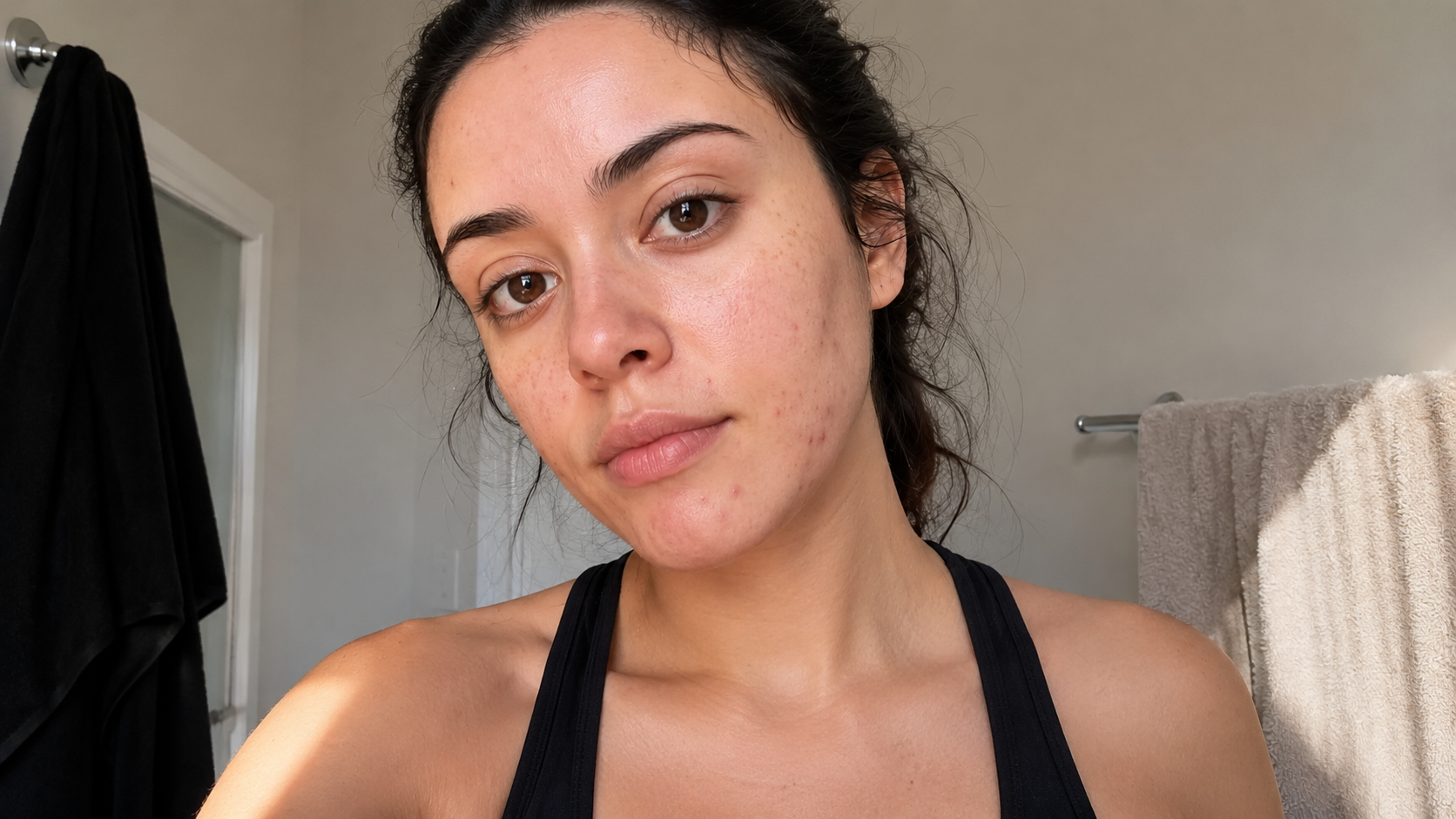
Post-inflammatory hyperpigmentation (PIH) — the dark marks left after blemishes heal — was one of the primary concerns tracked across this 30-day experience. Several established PIH marks were monitored, ranging from a few months to nearly a year old. Based on this documented review, azelaic acid appeared to produce more targeted fading within the 30-day window than retinol had over a comparable period.
Across five tracked marks, visible improvement was observed in all of them to varying degrees — with newer marks responding more quickly than older, more established ones. This pattern is consistent with what dermatologists commonly observe. For a broader comparison of options, see our guide on dark spot treatments for every skin tone.
Mark 1 (recent, left cheek) — Significantly faded. Barely visible under natural light by day 30.
Mark 2 (a few months old, chin) — Noticeably lighter. Color transitioned from dark brown to light tan within the testing window.
Mark 3 (mid-age, right cheek) — Meaningfully improved. Good response given the mark’s established age.
Mark 4 (older mark, forehead) — Gradual but visible improvement. Older marks typically require extended treatment timelines beyond 30 days.
Mark 5 (most established, jaw) — Early improvement observed. Consistent use beyond 30 days is recommended for full resolution.
Because azelaic acid may inhibit tyrosinase — the enzyme that activates melanin synthesis — it can work at a cellular level to both potentially prevent new discoloration from forming and gradually fade existing marks. For users with deeper skin tones — Fitzpatrick types IV through VI — this is especially significant, as azelaic acid is widely considered one of the safest treatments for PIH in deeper skin tones.
Recommended Reading: Explore our full comparison of dark spot treatments for every skin tone — covering azelaic acid, vitamin C, niacinamide, alpha arbutin, and tranexamic acid side by side.
Critical SPF Note: Dermatologists consistently emphasize that broad-spectrum SPF 30–50+ applied every morning is non-negotiable when treating any form of hyperpigmentation. UV exposure directly triggers melanin overproduction — meaning skipping sunscreen actively counteracts the fading progress your azelaic acid is working to achieve over time.
07 — Azelaic Acid Products We Tested & Recommend
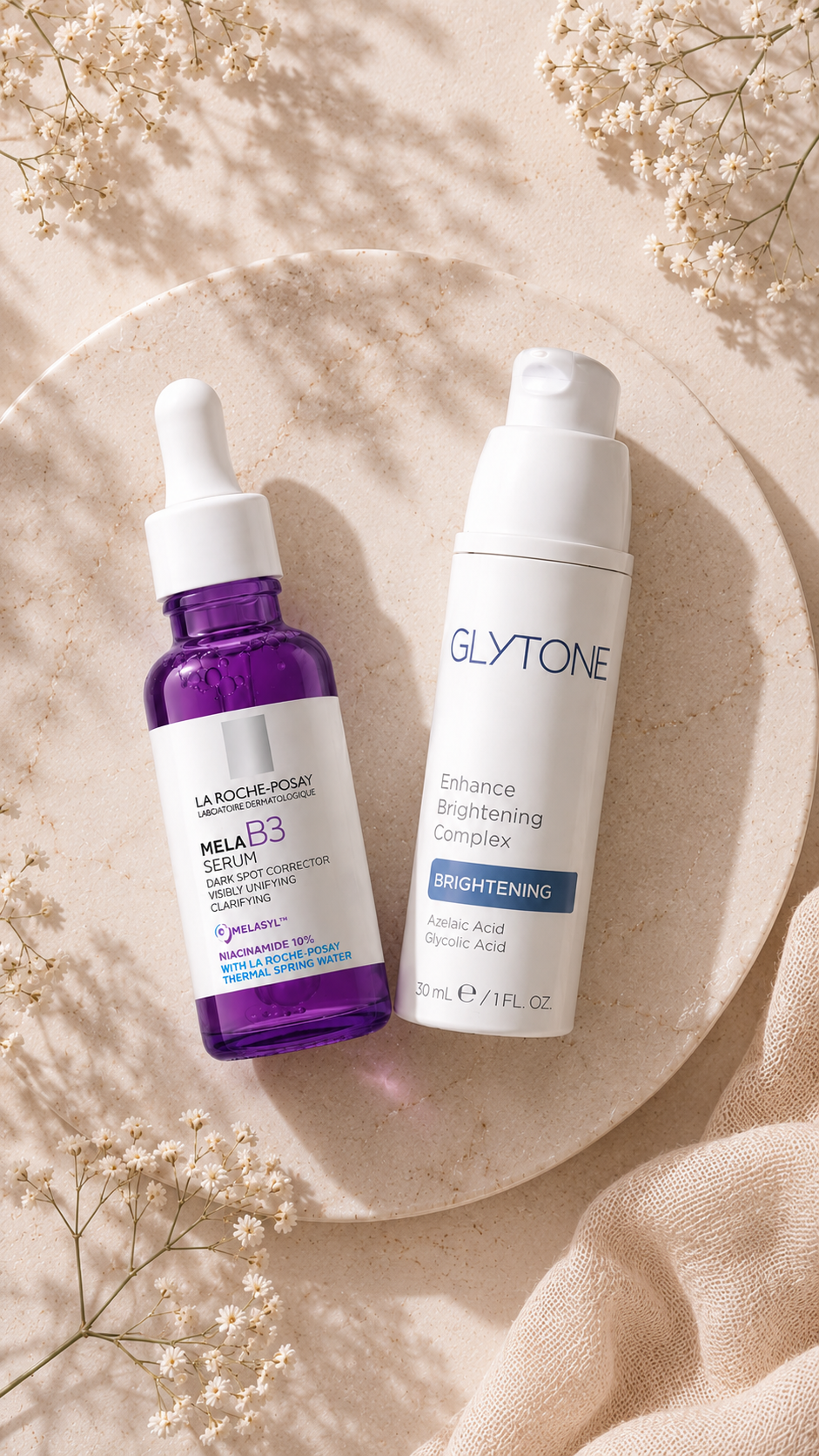
Across the 30-day period, multiple products were evaluated at different price points and concentrations. Below are two that demonstrated consistent performance in this documented experience. These are genuine editorial recommendations based on real-world testing — not brand partnerships or paid placements.

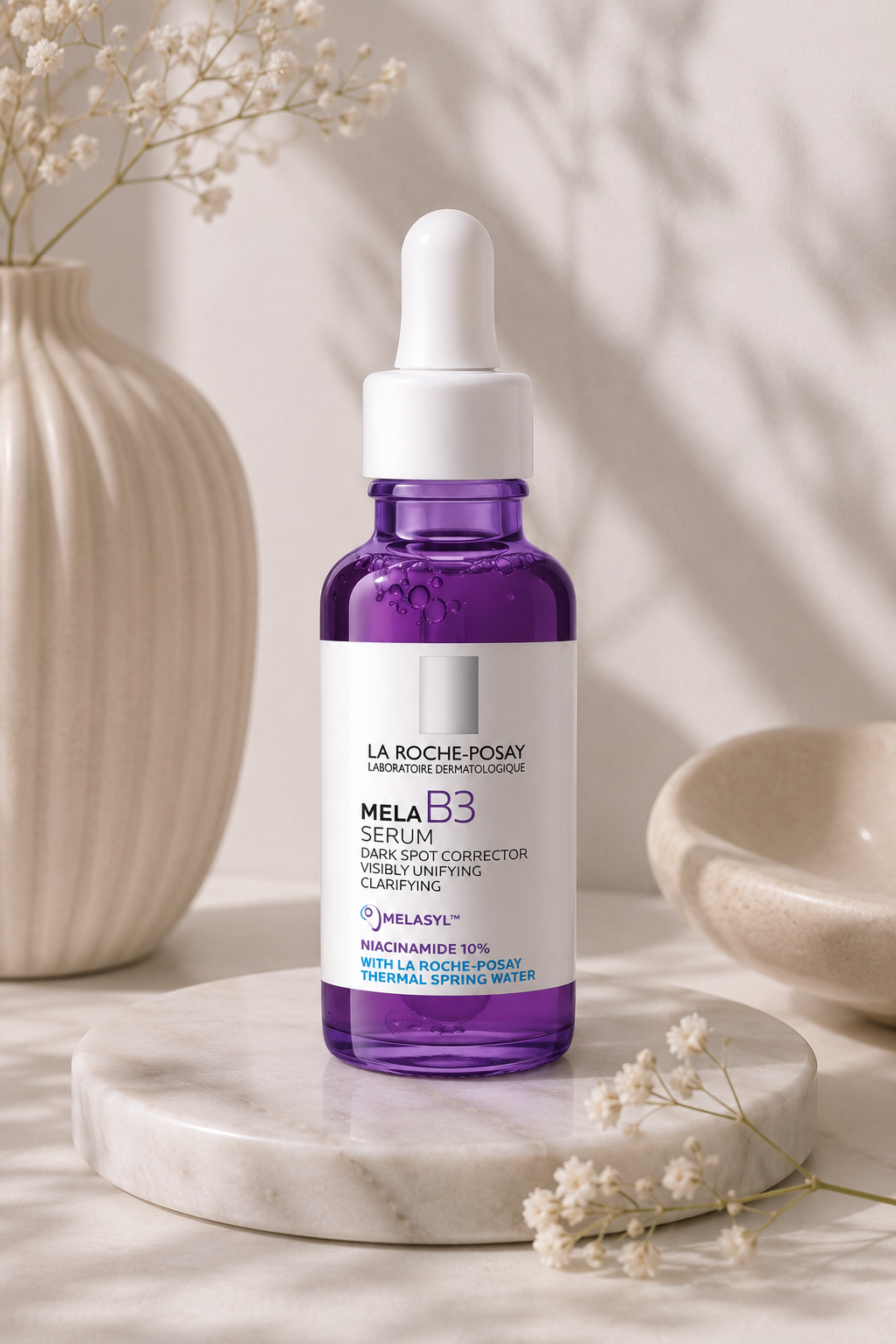
- Melasyl — La Roche-Posay’s patented anti-dark spot molecule
- 10% Niacinamide — well-documented brightening & barrier support
- May help address discoloration, melasma & PIH over time
- Lightweight, fast-absorbing serum texture — layers well
- Fragrance-free — formulated with sensitive skin in mind
- Can be used AM or PM alongside broad-spectrum SPF
* Affiliate link — we may earn a small commission at no extra cost to you.
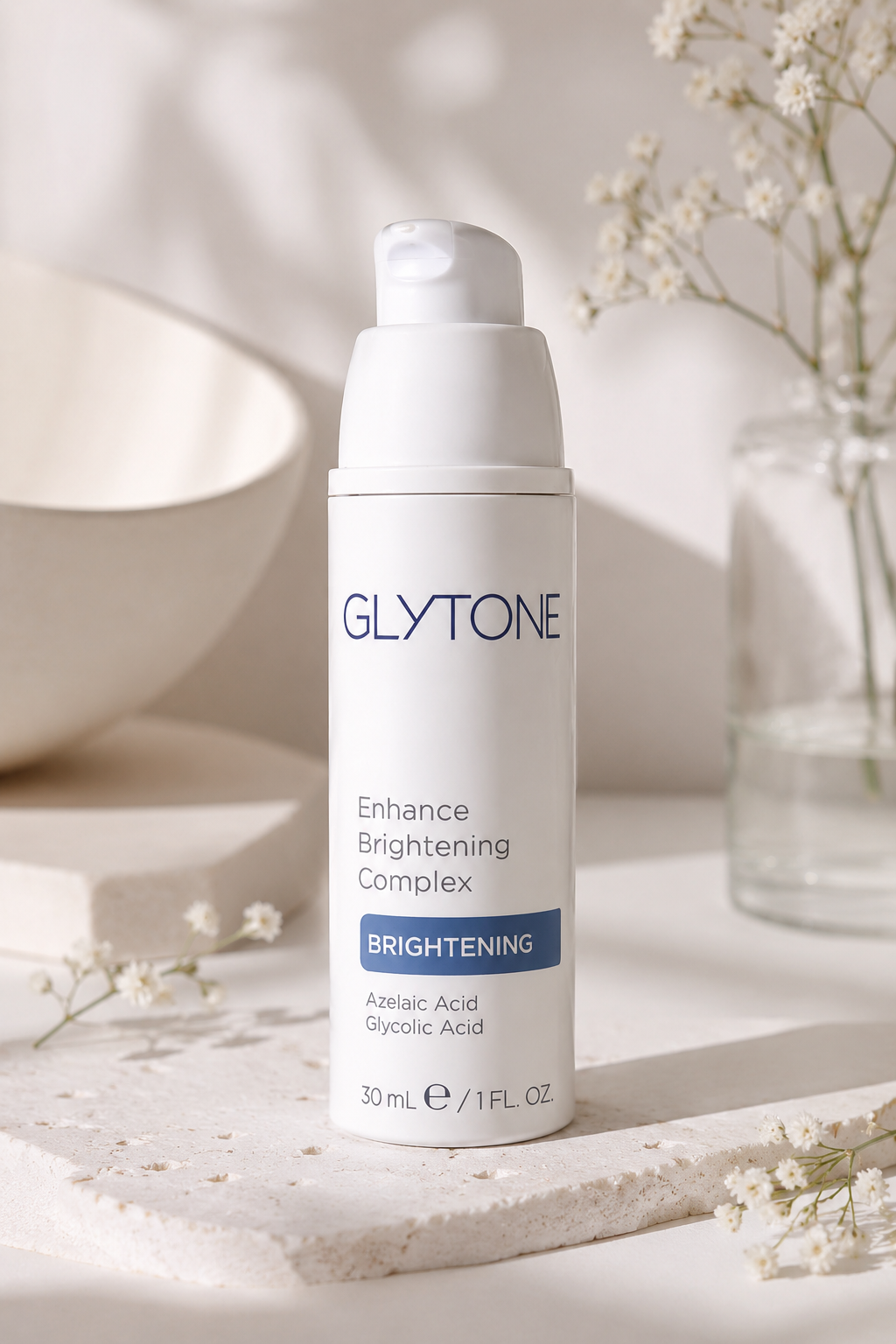
- 12% Azelaic Acid — among the stronger OTC concentrations available without prescription
- 3% Glycolic Acid — gentle exfoliation to support ingredient penetration
- Targets dark spots, discoloration & dull skin tone
- May help brighten skin with consistent use over several weeks
- Dermatologist-developed formulation worth noting
- Introduce gradually — start every other day for those new to actives
* Affiliate link — we may earn a small commission at no extra cost to you.
08 — Who Should (and Shouldn’t) Consider Switching
Azelaic acid is one of the most inclusive skincare actives available — but it is not a universal replacement for retinol. The following framework is intended to help determine which approach may be more appropriate for your specific skin profile and concerns:
- Your skin is sensitive or reactive
- You experience chronic redness or rosacea
- Post-acne dark spots are a primary concern
- You have active inflammatory acne
- You are pregnant or breastfeeding (consult OB-GYN)
- You have a Fitzpatrick type IV–VI skin tone
- Retinol has previously caused barrier disruption
- You prefer a morning-safe active ingredient
- Melasma or uneven pigmentation is your concern
- Your skin is resilient and tolerant to actives
- Anti-aging is your primary skincare focus
- You want to support collagen stimulation
- You have deep expression lines or wrinkles
- You’ve previously tolerated retinol well
- Skin cell renewal is your primary goal
- You want the most extensively studied anti-aging active
Many dermatologists suggest that a complementary split routine may be appropriate for users who want benefits from both ingredients. A common recommendation is to use azelaic acid in the morning (with SPF) and retinol at night. Always introduce both ingredients separately before combining, and seek professional guidance if managing a diagnosed skin condition. For more, read about managing over-exfoliation when layering actives.
09 — Our Editorial Rating & Verdict
Based on this 30-day structured experience, published ingredient research, and evaluation of multiple formulations, here is the editorial assessment of azelaic acid as an active ingredient for acne-prone and hyperpigmentation-focused skin:
Underdog That Delivers.
After 30 days of structured testing and cross-referencing with published dermatology research, the editorial conclusion is clear: for users with sensitive, acne-prone, or hyperpigmentation-focused skin, azelaic acid may offer a compelling, evidence-supported alternative to retinol. Minimal noticeable purging, visibly reduced redness, meaningful improvement in dark spots, and better-managed active breakouts — all without a significant day of irritation across the entire 30-day window. Is it a universal retinol replacement? No — and it was never designed to be. But for many people managing these specific concerns, it may be exactly the smarter, kinder upgrade their routine has been missing.
✨ See Why Dermatologists Recommend This View price & reviews on Amazon →* Affiliate link. We may earn a commission at no extra cost to you.