I Stopped Using Micellar Water for 30 Days — I Didn’t Expect My Skin to Change Like This
A quiet, honest account of removing one of the most beloved cleansing staples from a daily routine — and what the skin revealed without it.

Warm morning light on a clean marble vanity — the beginning of a simpler routine. / Editorial image
What Micellar Water Actually Is
For three years, I reached for the same bottle every morning and every night — so woven into my routine that questioning it never crossed my mind.
Then my skin started sending quiet signals I kept choosing to ignore. Not a dramatic breakout. Just a low, persistent flatness. A congestion no serum could fix. A tightness after cleansing I had stopped questioning.
Micellar water is built around tiny molecular structures called micelles — clusters of surfactant molecules that latch onto makeup and debris and lift them away. No rinsing, no foam. That ease is exactly what made it a staple.
But gentle and consequence-free are not the same thing. That distinction is where this experiment began.
Why I Decided to Stop Using It
It started with a photograph in natural light. My skin looked tired in a way I could not attribute to the weekend. Flat. Less present than I expected.
I started reading research on surfactants and skin barrier function. The detail I kept returning to: leaving surfactant residue on skin without rinsing — precisely what the no-rinse format is designed for — may not be neutral for every skin type over years of daily use.
I set simple parameters. Thirty days. Remove micellar water entirely. Replace with a gentle, water-rinsed cleanser. Keep everything else identical. Take notes.
“I was not reading that micellar water is dangerous. I was reading that something I had accepted as neutral might not be — and that was enough to make me look more closely.”

A quiet bathroom shelf — the experiment begins with subtraction, not addition.
There is a particular clarity that comes from removing something rather than adding to it. The ritual felt more deliberate, and considerably more honest.
Week-by-Week: What My Skin Did
These are personal observations, not clinical measurements. I paid closer attention to my skin during these thirty days than I had in the previous three years combined.
Week One
Quietly Waiting for Something to Go Wrong
No purge, no dryness, no dramatic reaction. After rinsing properly each evening, there was a completeness to the feeling — like the cleanse had actually finished. The tightness was still there by day five. By day seven, it felt marginally less insistent.
Week Two
A Shift So Subtle I Almost Missed It
Something changed around day ten — noticed not in the mirror but with my hands. Moisturizer absorbed differently, more cooperative. The congestion along my cheeks seemed less present to the touch. Not gone. Just quieter.
Week Three
The Week Something Actually Showed
A colleague asked if I had changed something — not politely, but with genuine recognition. The flatness was lifting. My skin looked more even in natural daylight. A few stubborn spots along my jawline cleared without intervention.
Week Four
Settling Into a New Normal
The morning tightness was largely gone. My skin felt consistently settled — not reactive, not compensating for anything. What struck me most was how thoroughly I had normalized the previous state.
What Genuinely Improved
Skin Texture
The subtle congestion along my nose and cheeks began to ease in week two and continued improving through week four. I had not added anything new. Something that may have been feeding it had simply been removed.
Hydration Retention
It was not that my skin became suddenly more hydrated — it was that hydration lasted longer. My morning moisturizer stopped evaporating by mid-afternoon. The skin held onto what it was given.
Overall Clarity
The dullness lifted. Consistent across multiple weeks and lighting conditions — including natural daylight, which is far less forgiving than bathroom lighting. My complexion looked more even, more like itself on a good day.
Reduced Morning Tightness
By week three, the tightness I had woken up with for longer than I could remember was no longer there in the same way. It faded gradually — which made it feel more real, not less.

Morning light through linen — the kind of calm a simplified routine brings.
By week three, mornings felt quieter, and my skin looked closer to the version of itself I had stopped expecting to see.
What Became Worse
The Removal of Convenience
Micellar water is fast in a way a rinse-off cleanse is not. On tired evenings, I resented the extra ninety seconds. Twice in week one, I cleansed less thoroughly than I should have. Consistency is the real foundation of any routine — anything that makes it harder is a cost worth naming.
Eye Makeup Removal
This was the most persistent difficulty. Micellar water dissolves mascara without friction, which matters for the thin skin around the eyes. Without it, I found myself pulling more than I wanted to. For anyone who wears heavy eye makeup daily, this is a real limitation worth factoring in.
No Miracle. No Transformation.
My skin improved in texture, clarity, and comfort. It did not transform into something unrecognizable. Removing one variable is not the same as introducing a treatment, and the results were proportional to exactly that reality.
The Science Behind Micellar Water and Skin
Understanding Micelles and Surfactants
Micellar water contains surfactants that form micelle structures — a water-attracting outer shell and an oil-attracting core — which capture sebum and makeup and lift them away.
But surfactants also interact with the skin’s lipid matrix: the organized layer of ceramides, fatty acids, and cholesterol that holds the barrier together and governs moisture retention.
A 2014 study in the International Journal of Cosmetic Science found that even mild surfactants can transiently increase transepidermal water loss (TEWL) — and the effect was more pronounced when the surfactant was not rinsed off.
Micellar Water and the Skin Barrier
The skin barrier does not usually produce obvious reactions when something quietly disrupts it. Instead it becomes gradually more reactive, more dehydrated, and less effective — showing up as low-grade sensitivity, persistent congestion, and a dullness that products cannot fix.
Micellar Water for Acne-Prone Skin
Its gentle formulation appeals to those who find foaming cleansers too stripping. But if daily no-rinse use is quietly compromising the barrier — and a compromised barrier is a well-documented factor in acne — micellar water may be working against the problem it is meant to address.
What Dermatologists Say
On Rinsing After Use
Dermatologists frequently advise that using micellar water as a sole, no-rinse daily cleanser may not be appropriate for everyone — particularly those with oily, acne-prone, or barrier-sensitive skin. The recommendation is to rinse after use or follow with a gentle rinse-off cleanser.
On Everyday Use
Daily use is not clinically alarming for most skin types. The concern is more specific: when it is the only cleansing step, used without rinsing, and when the skin is already showing signs of barrier compromise.
On Micellar Water vs Cleanser
Micellar water handles light surface debris and makeup quickly. It is not designed to emulsify sunscreen residue or heavy sebum the way a rinse-off cleanser does. Used as a first step or travel solution, it earns its place. Used as the entire routine for years — that is where the conversation becomes more interesting.
“The concern is rarely the product itself. It is the habit of leaving surfactants on skin every day, without rinsing, without examining whether that practice is serving your barrier.”
Who Should Continue Using It — And Who Should Reconsider
Continue Using If…
- Your skin is balanced and consistently comfortable
- You use it as a first cleanse, followed by rinsing
- You use it primarily for light makeup removal
- You have dry or mature skin that reacts poorly to foaming cleansers
- Travel makes a rinse-free option practical
- Your skin shows no signs of barrier disruption
Reconsider If…
- It is your only daily cleanser and you never rinse
- You have persistent congestion that won’t clear
- Your skin feels chronically dehydrated despite moisturizing
- You experience ongoing sensitivity or reactivity
- You have acne-prone skin that isn’t improving
- You feel tightness after cleansing you have normalized
Who Might Benefit From Trying This Experiment?
A thirty-day break is not a prescription for everyone. But certain patterns suggest it might be worth running.
Consider a 30-Day Break If You Recognize Any of These
- You have used it as a no-rinse sole cleanser for more than a year and cannot remember the last time your routine included a proper water rinse.
- Your skin looks consistently dull in natural daylight despite hydrating and brightening products.
- Your moisturizer does not seem to last. Hydration that disappears within hours points to barrier function worth investigating.
- You have low-grade, persistent congestion that has not responded to exfoliation, diet changes, or targeted treatments.
- Your skin has become increasingly reactive to products it previously tolerated without explanation.
- You feel tightness after cleansing you have accepted as normal. That sensation is a signal worth taking seriously.
- You wear sunscreen daily and rely on micellar water as your only cleansing step. Sunscreen residue left overnight is a real concern.
Final Verdict
Micellar water is not the villain of this story. It is genuinely useful when used well — as a first cleanse, a travel companion, a gentle eye makeup remover before a proper rinse.
But what thirty days revealed is that it works best as a tool within a routine, not as the foundation of one. Used daily, without rinsing, as the sole cleansing step for years, it may quietly work against the barrier health it is supposed to protect.
My skin improved when I removed it. The improvement was less about what micellar water is and more about how I was using it. The habit of leaving surfactants on skin every night without rinsing — repeated for three years — is almost certainly where the issue lived.
The question is not whether micellar water is good or bad. The question is whether it is right for your skin, used the way you are currently using it. You will not find that answer without looking.
Frequently Asked Questions
Should you rinse micellar water off after using it?
Dermatologists generally recommend rinsing if you use it as a daily cleanser, particularly for oily, acne-prone, or sensitive skin. Surfactants left on skin without rinsing may disrupt the lipid barrier over time. A brief rinse with lukewarm water significantly reduces this risk.
Can you use micellar water everyday?
Daily use is considered safe for most skin types when used correctly — as a first-cleanse step followed by rinsing, rather than a sole no-rinse cleanser. Problems tend to arise with extended, everyday, no-rinse use for those with barrier-sensitive skin.
Is micellar water good for acne?
It is gentler than many foaming cleansers, which appeals to acne-prone skin. However, if no-rinse use is quietly compromising the barrier — and a compromised barrier worsens acne — it may be working against the problem. Following with a gentle rinse-off cleanser is the more evidence-informed approach.
Micellar water vs cleanser — which is better?
They serve different functions. Micellar water removes light surface debris quickly. A rinse-off cleanser emulsifies sunscreen, heavy sebum, and environmental pollutants more thoroughly. Neither is superior — the question is whether you are using each one in a context that serves your skin.
Can micellar water damage the skin barrier?
Acute damage from occasional use is unlikely. The concern is cumulative. Research on surfactant exposure and transepidermal water loss suggests prolonged, daily, no-rinse use may gradually increase water loss from the skin — though individual barrier function varies considerably.
What should I use instead of micellar water?
A gentle rinse-off cleanser appropriate for your skin type is the most straightforward alternative. For makeup removal, oil-based cleansers or balm cleansers are effective, gentle options — both rinsed off with water.
Does micellar water cause skin purging?
Micellar water does not contain actives that cause purging in the clinical sense. Any breakout-like response is more likely irritation or a reaction to a disrupted barrier rather than true purging.
Conclusion
Thirty days is not a clinical trial. What it is — what it can be for anyone willing to try — is a window. A small, structured period of paying attention to something you have been taking for granted.
Micellar water earned its place in the modern skincare routine for real reasons. It is accessible, efficient, and genuinely gentle in most contexts. But using it without awareness — without ever questioning whether the habit is still serving you — is the kind of invisible routine drift that accumulates quietly over years.
Your skin is always communicating. The only question is whether you have learned to listen.
Get Your Free Skin Barrier Reset Guide PDF
A calm, practical guide to understanding and rebuilding your skin barrier — with step-by-step routine suggestions based on skin type. No spam. Just useful information.
Editor Picks
Tools Worth Considering
If you are transitioning away from no-rinse cleansing, these devices are consistently well-reviewed for gentle, thorough cleansing.
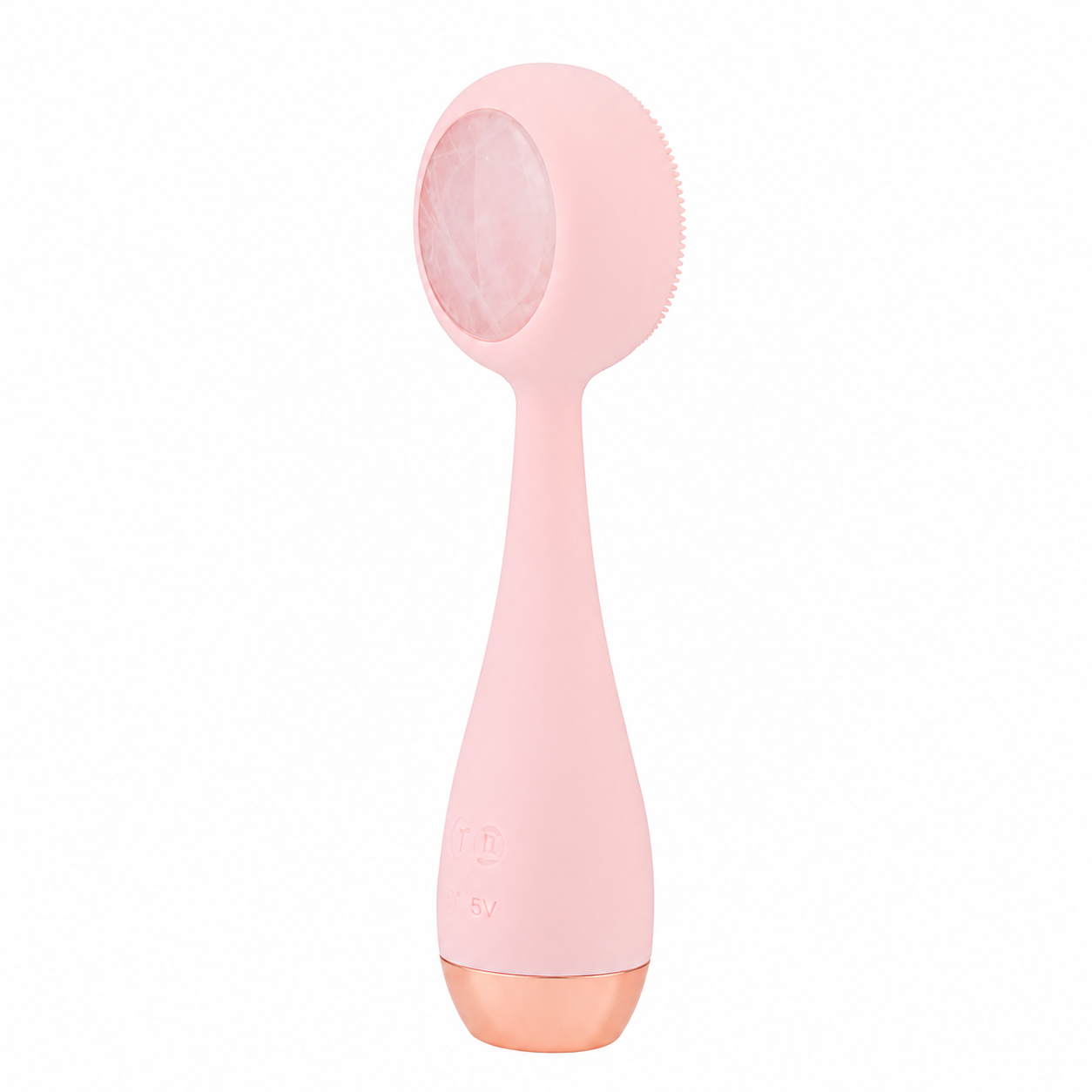
PMD Beauty Clean Pro — Electric Facial Cleansing Brush
A smart facial device combining a silicone cleansing brush with a heated anti-aging massager. Designed for a deeper, more complete cleanse without compromising the skin barrier.
Explore on Amazon →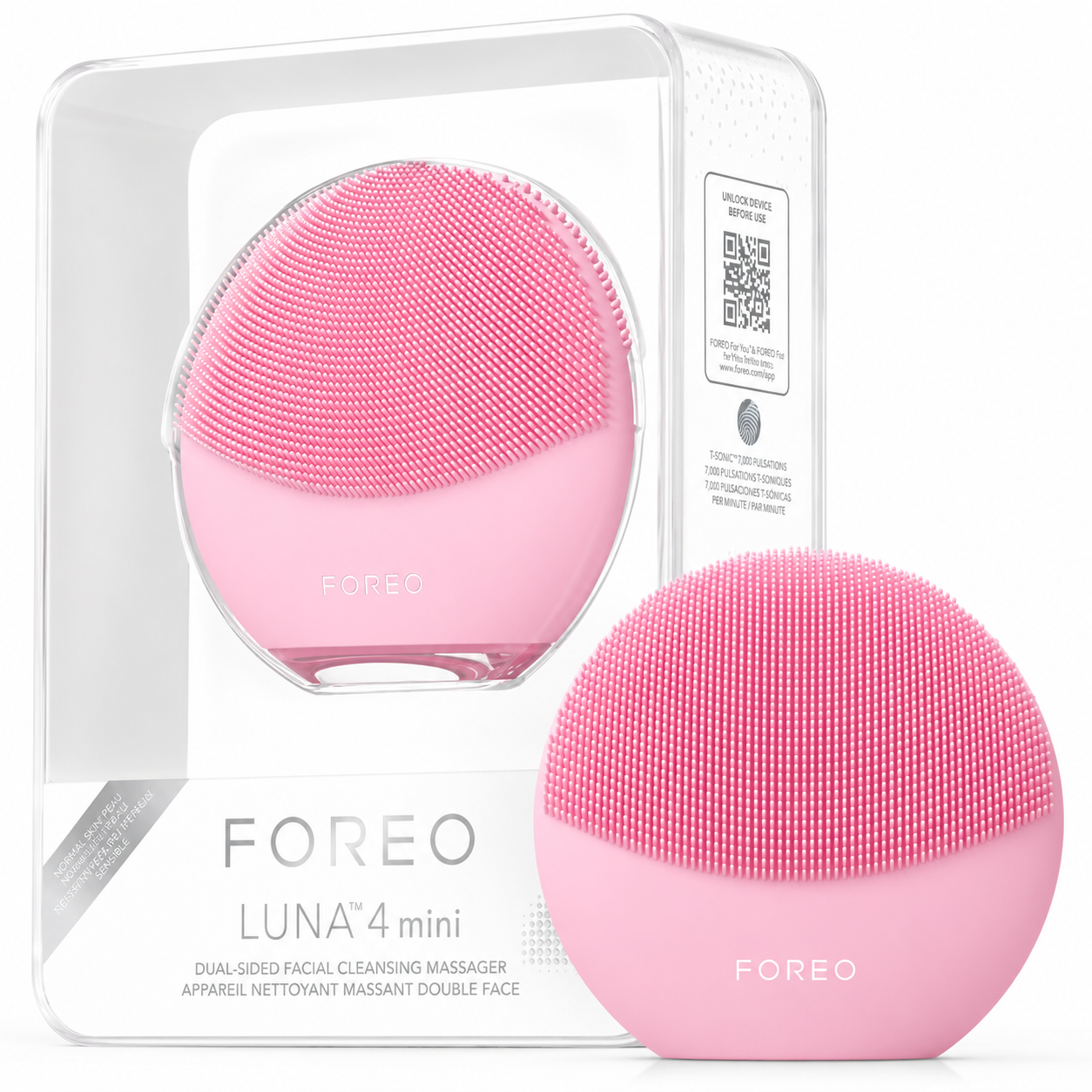
FOREO LUNA mini 3 — Ultra-Hygienic Facial Cleansing Brush
A waterproof silicone cleansing brush suitable for all skin types. Clinically shown to enhance absorption of skincare products after cleansing — ideal for a routine focused on barrier health.
Explore on Amazon →Continue Reading