Why I Stopped Washing My Face in the Morning — And How It Changed My Skin After Years of Struggling
The one counter-intuitive change that did what six years of expensive routines, dermatologist visits, and big brand promises simply couldn’t do for my skin.
Full transparency — this post contains affiliate links. If you click through and explore a product, we may earn a small commission at absolutely no extra cost to you. We only ever mention products we genuinely believe in and have personally researched. Your trust matters more than any commission. As an Amazon Associate, we earn from qualifying purchases. Thank you for supporting this free blog. 💕
- 1 My Skincare Struggle — The Full Honest Story
- 2 The Discovery That Changed My Approach
- 3 The Science — What Your Skin Does Overnight
- 4 What Big Brands Don’t Want You to Know
- 5 My Skin Before & After — Completely Honest
- 6 My Complete New Morning Routine
- 7 The Products I Now Genuinely Trust
- 8 Ingredients to Love vs. Avoid
- 9 6 Skincare Myths That Were Wrecking My Skin
- 10 My Week-by-Week Progress Timeline
- 11 Is This Right for Your Skin Type?
- 12 FAQs — Every Question Answered
- 13 My Evening Routine — The Double Cleanse
- 14 Final Thoughts + My Honest Advice
My Skincare Struggle — The Full, Honest Story
Hey there — welcome back to Glowing Skin Hub 💕 If you’re new here, this blog is dedicated to honest, science-informed skincare content for real people. Grab your favourite drink because this one is a long one — and every word is written from personal experience.
Let me take you back to where this started. I was 19 years old when my skin first started breaking out consistently. I thought it was just standard teenage acne that would clear on its own. It didn’t. It evolved. By 21, I was dealing with deep, persistent, cystic-type breakouts — the kind that live under the skin for weeks, leave marks for months, and quietly wear down your confidence in ways that are hard to put into words.
I tried a lot of things. Various cleansers, prescription topicals, antibiotics from a dermatologist that helped temporarily then stopped working. A strict dietary approach for eight solid months. Products across every price range from drugstore to luxury. Every remedy the internet and every beauty magazine ever suggested.
The total spent on skincare products between ages 19 and 25? Over $2,400. Not counting dermatologist appointments. The most maddening part? Every dermatologist, every skincare resource said the same thing: “Cleanse twice daily. Morning and night. Always.” And I was doing exactly that. So why wasn’t my skin responding?
- 6:30 AM: Foaming cleanser — the kind that makes your face feel squeaky, which I thought meant “clean”
- 6:35 AM: Alcohol-containing BHA toner — stripping my barrier every single morning
- 6:38 AM: Niacinamide serum layered immediately over vitamin C — wrong order, reduced efficacy
- 6:42 AM: Heavy moisturizer because my skin felt so tight and stripped after cleansing
- 6:46 AM: SPF 50 — one of the few things I was doing right
- 10:00 PM: Double cleanse — this part was actually necessary and correct
- 10:08 PM: Retinol and AHA on the same night occasionally — far from ideal
- 10:15 PM: Heavy moisturizer again, trying to repair what I had just disrupted
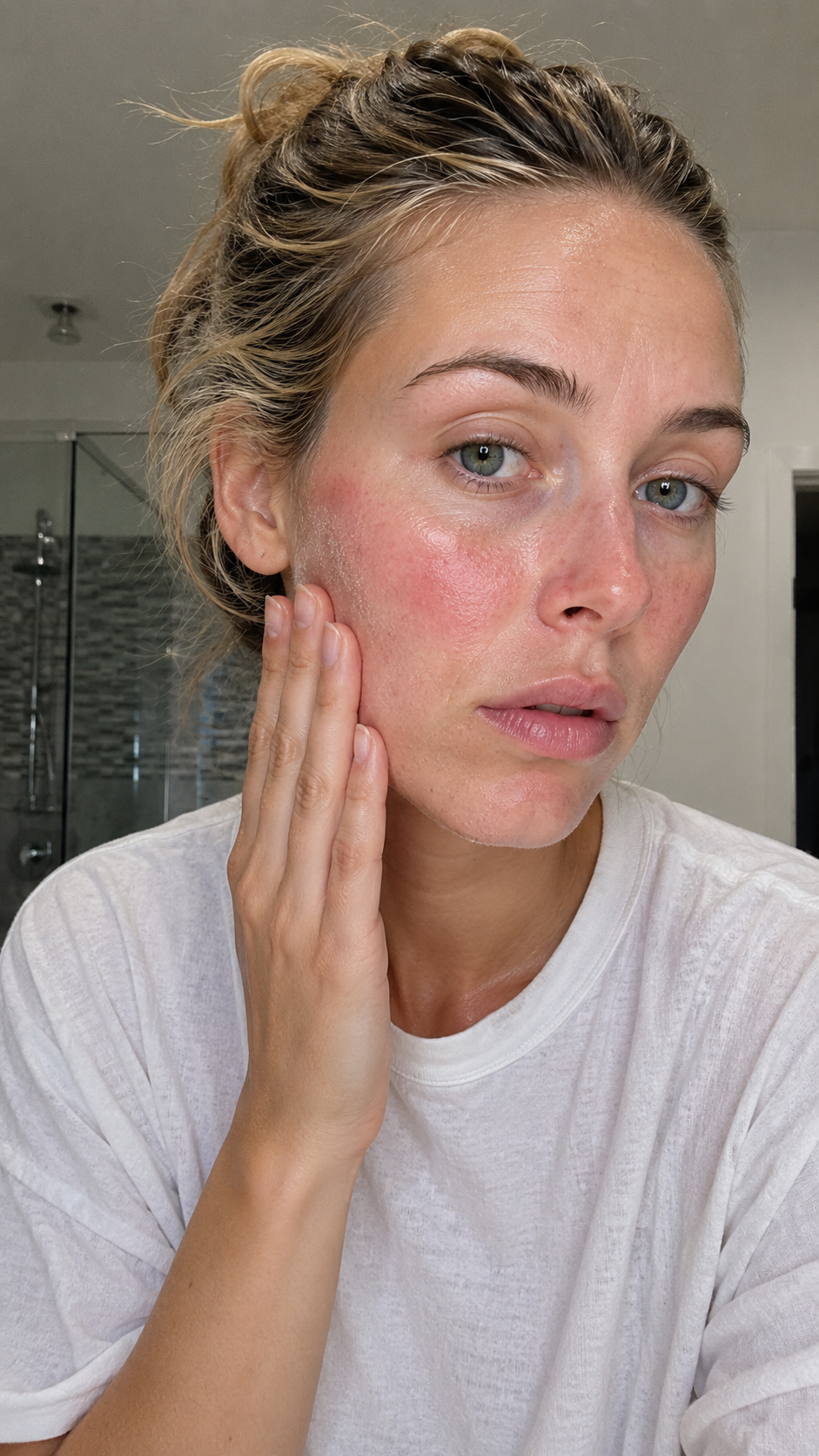
Looking at that routine now is humbling. I was disrupting my skin twice a day, stripping it repeatedly, then wondering why it remained red, inflamed, sensitive, and prone to breaking out. I wasn’t doing too little. I was doing too much. And the single most impactful culprit was that morning face wash — the one habit I never once questioned in six years.
The Discovery That Changed My Approach
It was a Tuesday night in late September, somewhere around midnight, when I came across a thread in r/SkincareAddiction. I wasn’t looking for anything revolutionary — just scrolling through other people’s skin discussions to feel less alone in my frustrations.
The post title caught my attention: “I stopped washing my face in the morning 3 months ago. Here’s what happened.”
The original poster described a skin situation similar to mine — oily T-zone, persistent hormonal-type breakouts on the jawline, skin that never felt balanced no matter what was tried. They described their experiment: skipping morning cleanser entirely, just rinsing with cool water and continuing with toner, serum, moisturizer, and SPF.
Within six weeks, they reported fewer breakouts, better texture, reduced oiliness, and improved overall appearance. What stood out were several knowledgeable commenters noting that over-cleansing is a commonly overlooked contributor to persistent acne and skin sensitivity.
“Over-cleansing is one of the most underappreciated issues I see. Every time you strip your skin in the morning, you can trigger sebum overproduction, compromise the acid mantle, and restart the inflammation cycle. For many people, one thorough cleanse at night is all their skin actually needs.”
I sat with that for a long time. Something about it clicked. The next morning, I woke up, went to the bathroom — and did not pick up my cleanser. My hands reached for the bottle out of sheer muscle memory built over six years. I put it back down. Splashed lukewarm water on my face. And continued with the rest of my routine.
That single act of restraint? It was the beginning of the most meaningful skin improvement I had personally experienced.
The Science — What Your Skin Actually Does Overnight
I understand the skepticism completely. “Isn’t not washing your face in the morning kind of unsanitary?” I had the exact same reaction. But let me walk you through the actual biology of what happens to your skin during sleep — because understanding this fundamentally changed how I approach skincare.
🌙 Your Skin’s Overnight Repair Process
While you’re sleeping, your skin is running a full-scale overnight repair, renewal, and protection operation. This is peak biological activity time for your skin cells.
- Natural Sebum Production: Your skin produces its own protective oil — sebum — that acts as a natural moisturizer and antimicrobial shield. This is not the “bad oil” causing breakouts. It is protecting your skin.
- Acid Mantle Restoration: Your skin’s acid mantle (pH 4.5–5.5) rebuilds overnight. This is your first line of defense against pathogens, pollution, and moisture loss.
- Cell Turnover Accelerates: New skin cells are produced at higher rates during sleep — with dead cells naturally shedding as fresh cells push up from beneath.
- Skin Microbiome Rebalances: Your skin hosts beneficial bacteria that fight harmful microbes. Overnight, this microbiome rebalances — harsh cleansers can significantly disrupt this protective ecosystem.
- Cortisol Levels Drop: Stress hormones decrease during sleep, reducing skin inflammation. Your skin calms and heals while you rest.
- Growth Hormones Release: Human growth hormone — released during deep sleep — supports skin repair, collagen synthesis, and cell regeneration.
- Ceramide Production Increases: These essential lipids maintain the skin barrier — and your skin tends to produce more of them during restful sleep.
So the key question becomes: When you wake up and immediately strip all of this away with a foaming cleanser, what exactly are you accomplishing?
You’re washing away hours of your skin’s own natural repair work. Removing the sebum that was protecting your barrier. Disrupting the acid mantle that rebuilt overnight. And then your skin — now in a state of disruption — works to compensate by producing more oil.
Research has suggested that over-cleansing the skin can disrupt the skin barrier, elevate transepidermal water loss, and trigger compensatory sebum overproduction — all of which may contribute to the cycle of oiliness and breakouts many people experience.
What Big Skincare Brands Don’t Want You to Know
To be clear upfront — this isn’t about being anti-skincare industry. There are genuinely excellent products out there. But there is a business model at play in the beauty industry worth examining honestly, because it can directly affect both skin health and spending habits.
The global skincare industry is worth over $180 billion. A meaningful portion of that revenue comes from selling products to address problems that are sometimes created or worsened by other products in the same range. Understanding this cycle can empower you to make better, more informed choices for your skin.
💰 The “Twice Daily” Recommendation
The widespread advice to cleanse both morning and evening became standard practice decades ago. It’s worth asking whether this recommendation is based purely on skin science or whether commercial interests played any role in normalising it.
🔄 The Problem-Solution Cycle
Harsh cleanser disrupts skin → skin overproduces oil → brand sells “oil control” products → those products further disrupt skin → cycle continues. Recognising this pattern can help you step off the treadmill.
📢 Marketing Language vs. Science
“Deep clean,” “pore-minimizing,” “squeaky clean” — these are marketing phrases, not scientific outcomes. That tight feeling after cleansing is often a sign of barrier disruption, not effective cleaning.
🧴 The Moisturizer Consideration
Strip skin’s natural oils → skin feels dry → buy moisturizer to replace what was removed → repeat. Your skin already produces its own protective oils. Twice-daily cleansing may simply be creating an artificial need for more products.
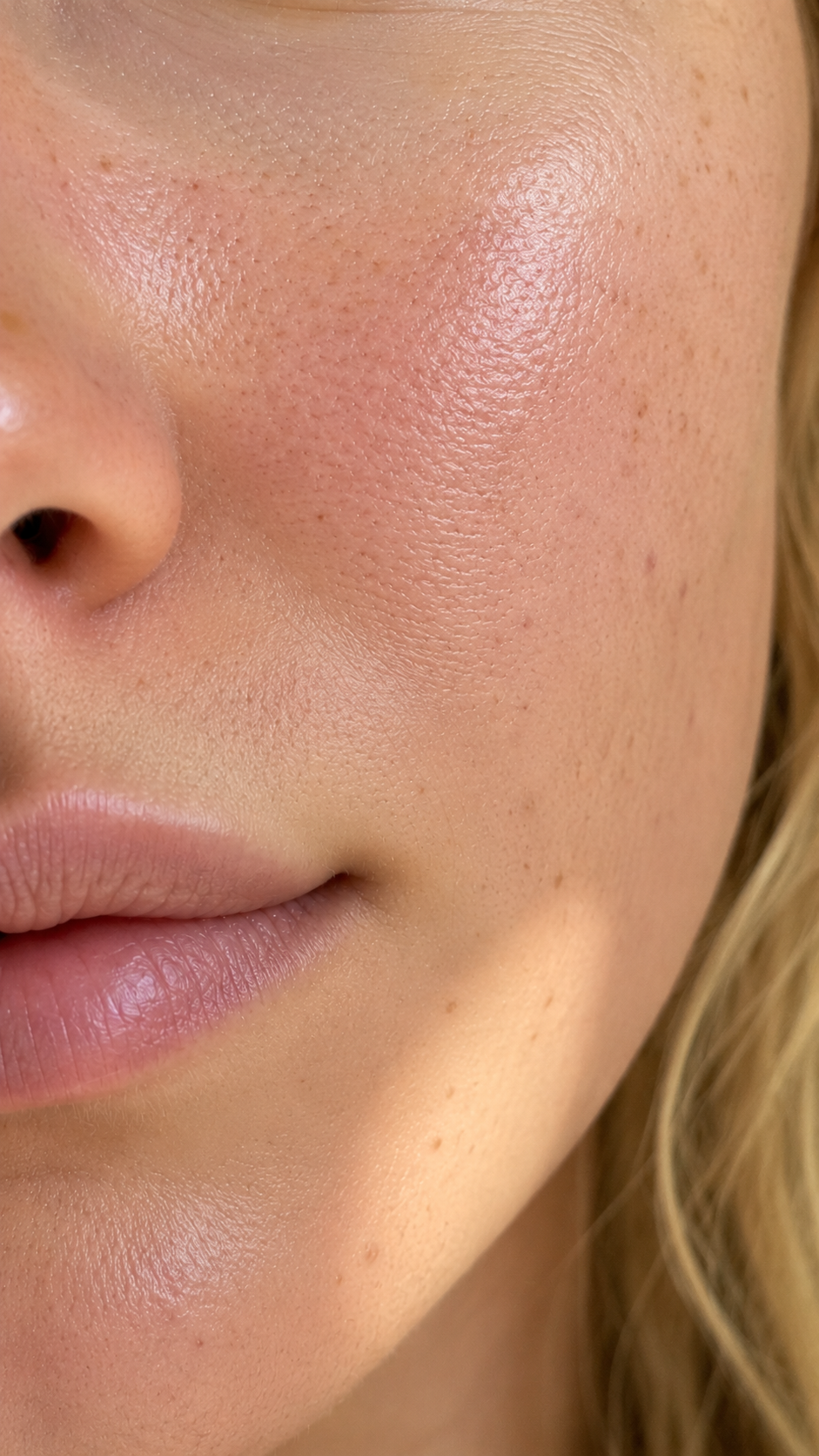
My Skin Before & After — Completely Honest
I want to be completely transparent here because the transformation content you see online is rarely the full story. Here is an unfiltered, honest account — including the parts that weren’t easy.
❌ Before — Years of Over-Cleansing
- Frequent cystic-type breakouts on jawline
- Noticeably oily T-zone by midday
- Tight, flaky dry patches on cheeks
- Persistent redness and sensitivity
- Foundation breaking down within hours
- Post-breakout marks lasting months
- Stinging from most skincare products
- Visibly enlarged pores on nose/forehead
- Dull, uneven, stressed-looking skin tone
- New breakout appearing every 7–10 days
✅ After — Several Months New Routine
- Significantly fewer severe breakouts
- More balanced oil levels throughout day
- Softer, more comfortable cheek texture
- Noticeably reduced redness and reactivity
- Foundation wearing much more consistently
- Older marks fading more quickly
- Products absorbing without stinging
- Pores appearing less pronounced
- More even, healthier-looking skin tone
- Occasional breakouts healing faster
- Skin appeared slightly more congested during days 5–7 as it adjusted to not being stripped daily
- A few small new breakouts appeared in week one — this adjustment period is common and nearly led to quitting
- By day 10, midday oiliness had begun to reduce noticeably as sebaceous glands started to recalibrate
- Week 3: Skin texture improved enough that others began commenting positively without prompting
- Month 2: Severe cystic-type breakouts reduced dramatically — jawline remained clearer than it had been in years
- Month 3–4: Overall skin tone improved, older marks continued fading, a natural glow became visible
My Complete New Morning Routine — Every Step Explained
Skipping morning cleanse does NOT mean doing nothing. The harsh cleanser was replaced with a more intentional, skin-supporting morning ritual. Here is every step in full detail:
Lukewarm Water Rinse — 30 Seconds 💦
Just hands and lukewarm water. Never hot — heat can break down the skin barrier and cause inflammation. Gently splash the face 5–6 times, allowing the water to loosen any surface debris from overnight. That is the full extent of morning “cleansing.” Your skin was not exposed to pollution, sunscreen, or makeup overnight — so there is nothing that requires a chemical cleanser to remove.
Alcohol-Free Hydrating Toner 🌸
Moving from an alcohol-containing BHA toner that was disrupting the acid mantle every morning — to a completely alcohol-free, hydrating toner focused on skin preparation. The morning toner goal is not exfoliation — save actives for the evening where they won’t interact with UV exposure. A morning toner should do one thing: hydrate, balance pH, and prepare skin for serum absorption.
Vitamin C Serum — Morning’s Best Friend ⚡
Morning is the scientifically well-supported time for Vitamin C application. L-Ascorbic Acid is an antioxidant that helps protect skin from UV-induced free radical damage throughout the day, supports collagen production, and can help fade hyperpigmentation — including marks left by breakouts. After stopping the morning cleanse, Vitamin C absorption improved noticeably — because an intact skin barrier can properly receive the ingredient.
Lightweight, Non-Comedogenic Moisturizer 💧
Since the skin is no longer being stripped every morning, significantly less moisturizer is needed than before. Switching from a thick, heavy cream to a lightweight water-gel formula made an immediate difference — not just in how the skin felt, but in how cleanly makeup sat on top. Key criteria: non-comedogenic, fragrance-free, and humectant-rich — ingredients like hyaluronic acid that draw moisture into the skin.
SPF — The One Step You Cannot Skip ☀️
Skipping every other step in this routine would be preferable to skipping SPF. Every. Single. Day. Cloudy days. Working from home days. Winter days. UV radiation is a leading contributor to visible skin aging, significantly worsens post-breakout hyperpigmentation, and is the primary preventable cause of skin cancer. After the skin barrier began improving, SPF absorbed much more effectively and stopped the pilling under makeup that had been a persistent frustration.
Get The Skincare Detox Guide — Free
Everything I wish I had known before I started. The exact steps, the science, and a simple checklist to begin repairing your skin barrier starting tonight.
🔒 No spam, ever. Unsubscribe anytime. Your email stays completely private.
The Products I Now Genuinely Trust
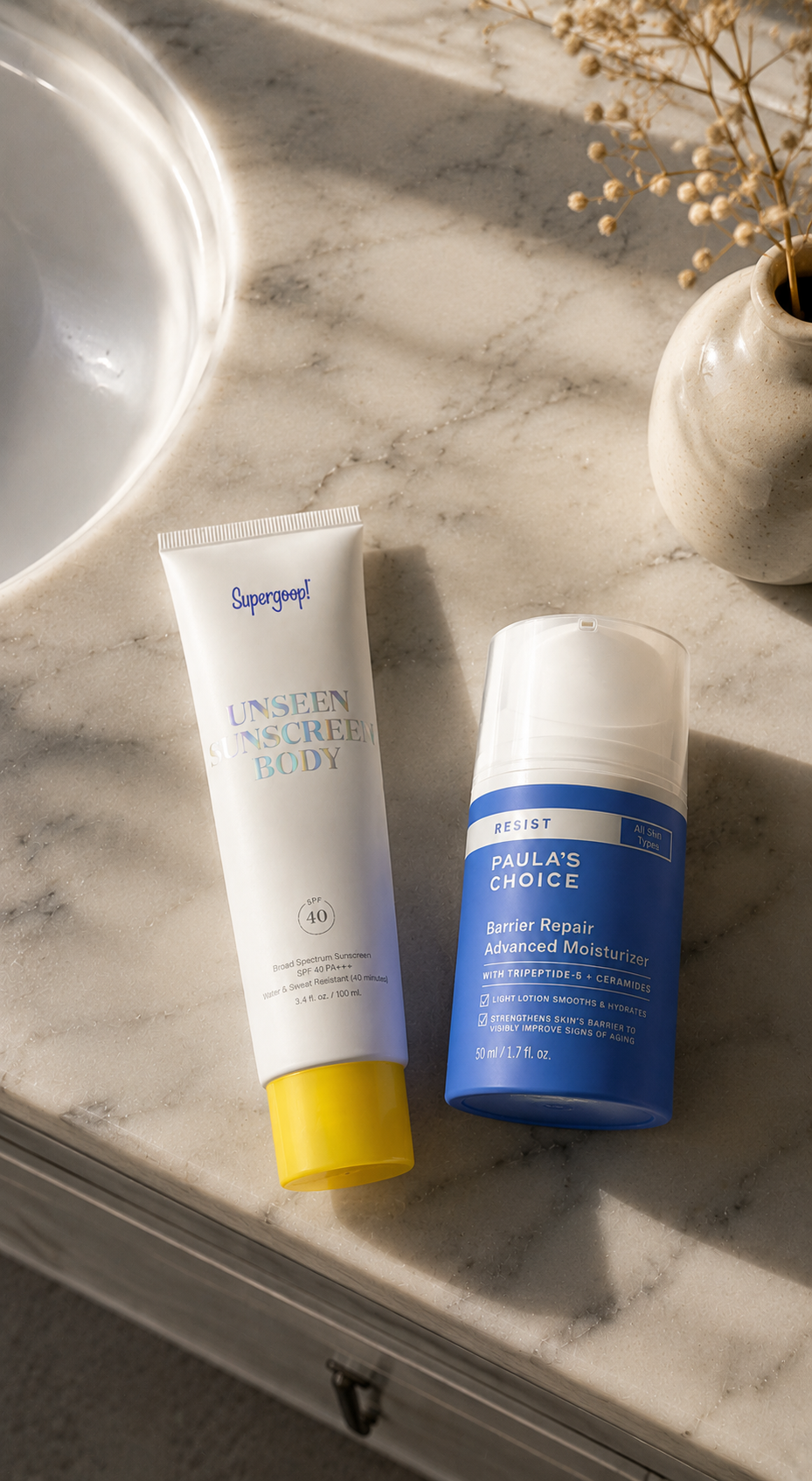
After this 60-day journey — and months of continued testing — two products earned a permanent place in this routine. These are not chosen for commission. They are chosen because they genuinely support the skin barrier-first approach this entire article is built around.
I want to be clear about how these recommendations work: I am not here to sell you anything. I am here to share what worked in this personal experience. If you’re curious enough to explore further, the links below will take you to where you can read more, check reviews from thousands of other users, and make your own decision.
✦ Two Products Worth Knowing About ✦
Researched, personally evaluated, and genuinely recommended — not just linked for a commission.
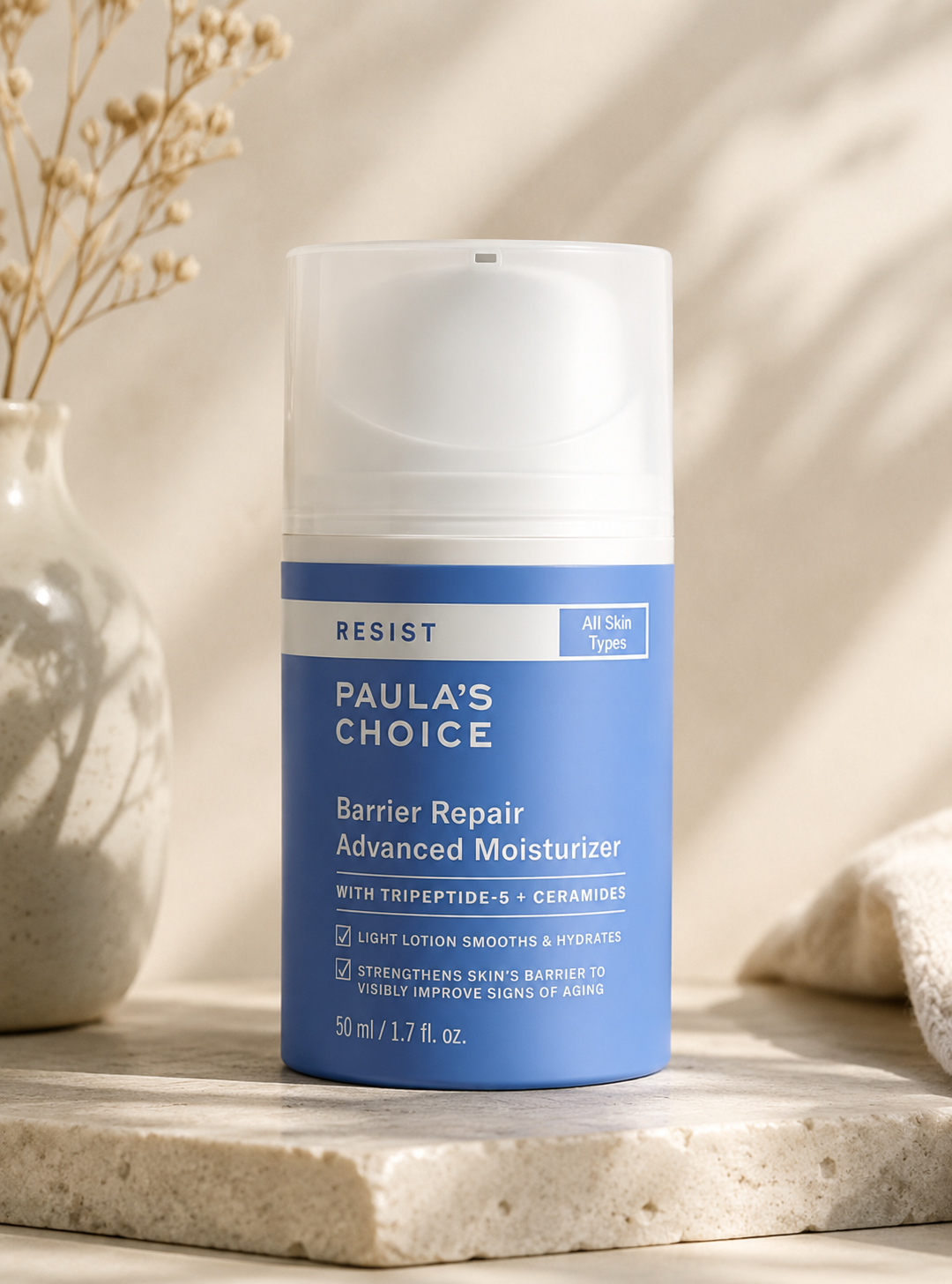
Paula’s Choice
RESIST Barrier Repair Advanced Face Moisturizer
A moisturizer built specifically for supporting and restoring the skin barrier — exactly what this routine called for. Ceramides, peptides, and skin-identical lipids work together to reinforce the barrier that over-cleansing had been dismantling. Fragrance-free, non-comedogenic, and designed for compromised or reactive skin types.
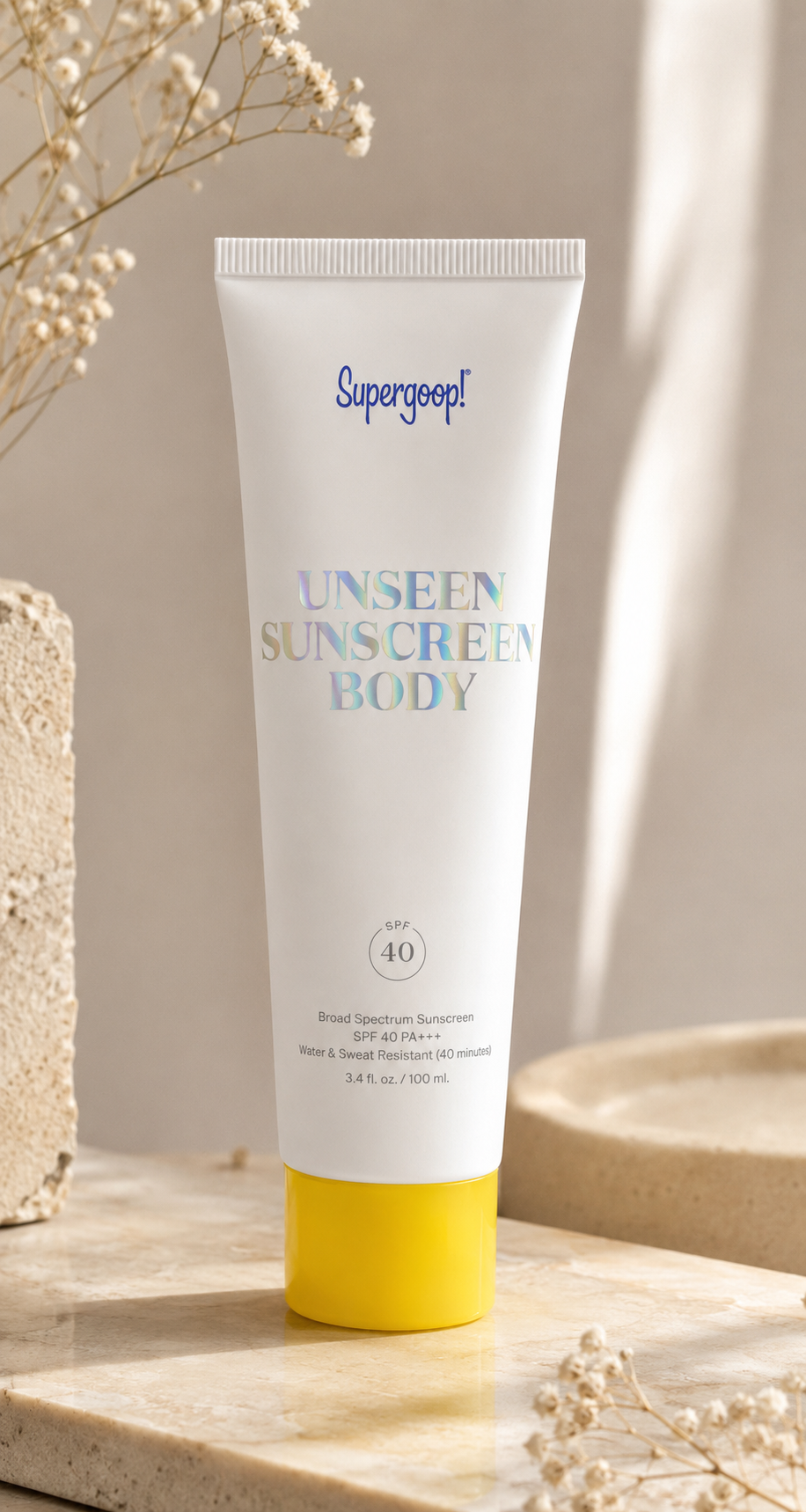
Supergoop!
Unseen Sunscreen SPF 40 — Clear & Invisible Sun Protection
SPF is the one non-negotiable in this entire routine — and finding one that doesn’t pill, doesn’t leave a white cast, and doesn’t break up foundation was a genuine challenge before this. The Supergoop! Unseen Sunscreen applies completely clear, sits invisibly under makeup, and provides broad-spectrum protection without disrupting the skin.
✦ These are the only two products specifically recommended in this article. Both have been personally researched and evaluated. Affiliate commissions help support this free blog — thank you. ✦
Ingredients to Love vs. Avoid for Acne-Prone Skin
Understanding ingredients was the second most impactful change in this skincare journey. Even the right routine structure won’t help much if your products contain irritants or pore-cloggers.
✅ Ingredients Acne-Prone Skin Tends to Respond Well To
❌ Ingredients Acne-Prone Skin Often Reacts Poorly To
6 Skincare Myths Worth Questioning
Looking back, there are at least six specific beliefs that were actively working against healthier skin. Each one seemed credible at the time — but closer examination tells a different story:
That squeaky feeling after washing is widely considered a sign that the skin barrier has been over-stripped, not a sign of effective cleansing. Healthy skin should feel comfortable, soft, and never tight or squeaky after washing. If your cleanser consistently produces this sensation, it may be worth reconsidering the formula.
Oily skin and dehydrated skin are different conditions and are not mutually exclusive. Skipping moisturizer can signal to the skin that it is dry, potentially triggering increased sebum production. A lightweight, water-based, non-comedogenic moisturizer is generally appropriate for all skin types — including oily and breakout-prone.
Additional products introduce additional potential irritants, ingredient interactions, and opportunities for barrier disruption. A shorter routine with well-chosen, compatible products consistently outperforms a complex, layered approach — particularly for sensitive or breakout-prone skin.
Tingling, burning, or stinging are sensations associated with skin irritation and inflammation — not efficacy. Effective skincare should generally feel comfortable. Persistent stinging may indicate a product is too concentrated, incompatible with your skin type, or contains a sensitising ingredient.
“Natural” is a marketing descriptor, not a safety classification. Many natural ingredients — including various essential oils, citrus extracts, and plant-derived compounds — are among the most common causes of contact dermatitis. What matters is the specific ingredient and its concentration, not its source.
Price point correlates more strongly with branding, packaging, and marketing spend than with ingredient quality or clinical efficacy. Some of the most consistently recommended products by dermatologists are accessible options that perform comparably to products many times their price.
A Week-by-Week Personal Progress Timeline
Every step of this process was documented — daily photos, written notes, how the skin felt each morning. Here is an honest, unfiltered account of what actually happened, week by week. Individual results will vary.