The Best Products for Closed Comedones (2026) — Dermatologist-Recommended Routine & Products
Closed comedones are one of the most stubborn skin concerns to treat correctly. Here is what dermatologists actually recommend — and why the wrong products make them worse.
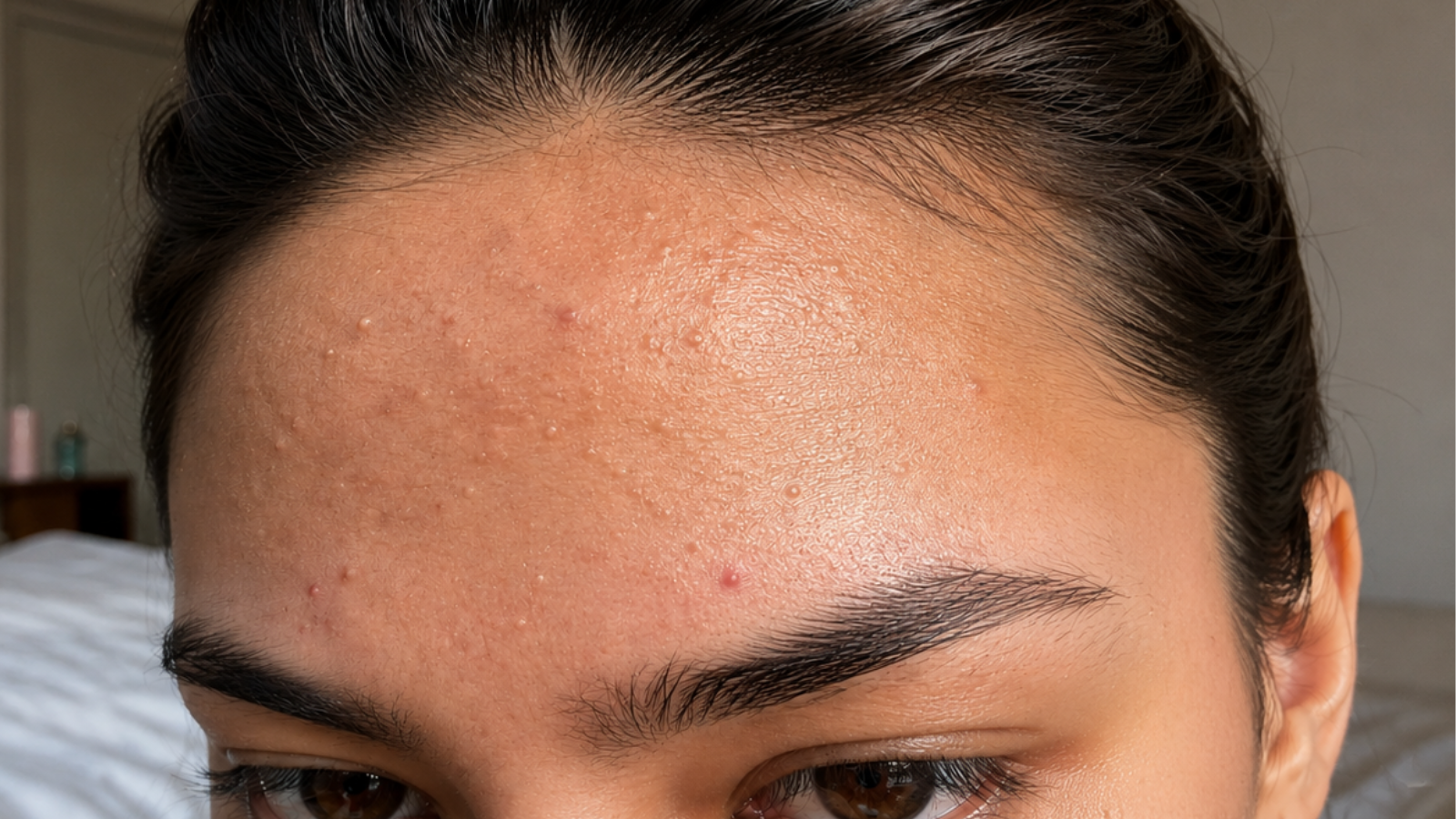
Closed comedones — those small, flesh-coloured bumps that sit just beneath the skin’s surface — are one of the most frequently misunderstood skin concerns. They are not inflammatory acne. They are not textured skin from dryness. And the products that work for those issues often make closed comedones significantly worse.
The frustrating part is that most people don’t realise what they’re dealing with. They reach for moisturisers and serums labelled “hydrating” or “nourishing” without checking whether those formulas are comedogenic — and the bumps keep coming back.
This article explains what closed comedones actually are, what causes them, and which ingredients and products dermatologists consistently recommend for treating them effectively.
What Are Closed Comedones
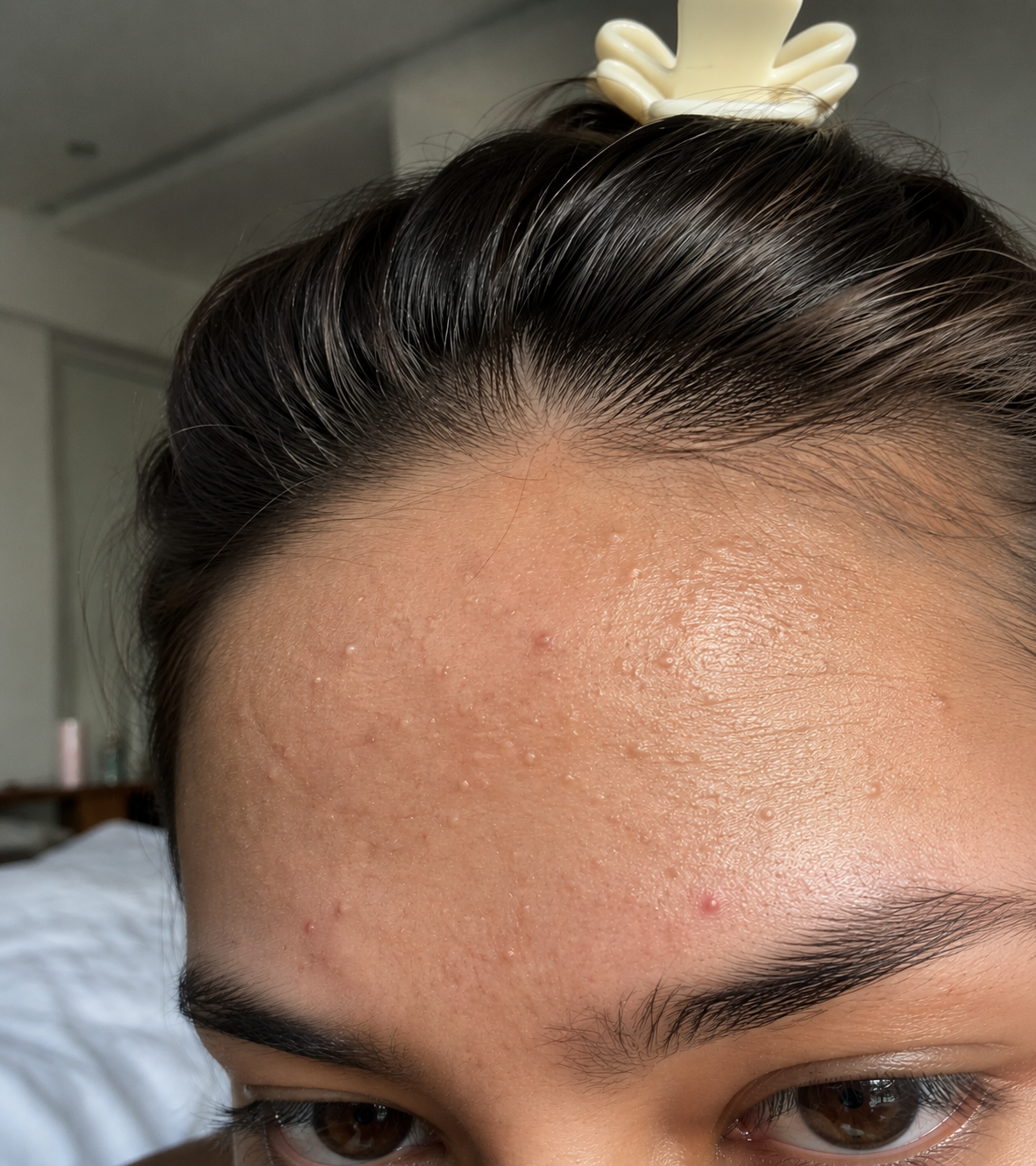
A comedone is a hair follicle that has become plugged with dead skin cells and sebum. When that plug sits beneath an intact layer of skin — with no opening at the surface — it becomes a closed comedone, also called a whitehead in its non-inflamed form.
Unlike blackheads, which are open to air and oxidise to appear dark, closed comedones remain white or flesh-toned because the follicle is sealed. They tend to appear in clusters, most commonly across the forehead, chin, and cheeks.
Because they sit beneath the skin rather than at the surface, they cannot simply be washed away. They require a treatment approach that works at the follicle level — which is why over-the-counter cleansers alone rarely make a meaningful difference.
Clinical Context
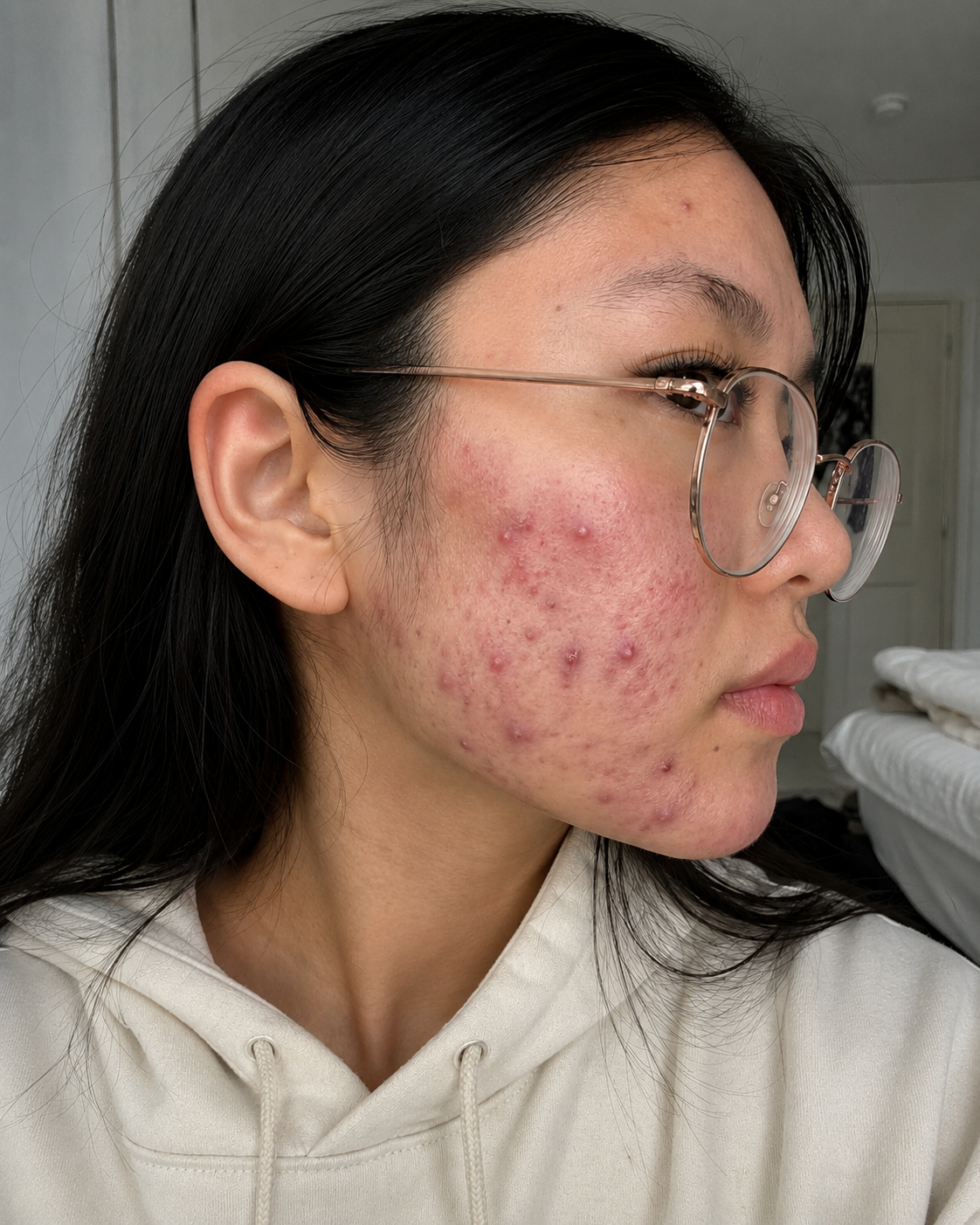
Closed comedones represent non-inflammatory acne. They develop when keratinocytes — skin cells lining the follicle — shed abnormally and accumulate rather than being expelled through the follicular opening. Sebum continues to build behind this plug.
Without intervention, closed comedones can progress to inflammatory lesions when bacteria colonise the blocked follicle. Treatment that addresses abnormal keratinisation is therefore more effective than treatment aimed purely at sebum reduction.
Source: Journal of the American Academy of Dermatology
Why They Form
Closed comedones form primarily because of two overlapping issues: excess sebum production and abnormal skin cell turnover inside the follicle. Both need to be addressed for treatment to be effective.
Genetics play a significant role — some people are simply more prone to follicular plugging than others. But external factors accelerate the process considerably. Heavy or occlusive skincare products, certain makeup formulations, and inconsistent cleansing all contribute to comedone formation.
Hormonal fluctuations — particularly increases in androgens — drive sebum production upward, which increases the likelihood of follicular blockage. This is why closed comedones are common during puberty, during certain phases of the menstrual cycle, and in people with conditions like PCOS.
The product problem
One of the most common and overlooked causes of persistent closed comedones is comedogenic skincare. Ingredients that are well-tolerated by most skin types can be deeply problematic for comedone-prone skin. Rich moisturisers, certain oils, and silicone-heavy primers can all contribute to ongoing breakouts if the skin is already prone to follicular plugging.
Ingredients That Actually Work
Dermatologists consistently recommend a small group of ingredients for treating closed comedones. Each works at the follicular level, either by normalising skin cell turnover, reducing sebum, or keeping the follicular lining clear.
Retinoids
Retinoids — including prescription tretinoin and over-the-counter adapalene — are the most evidence-backed treatment for comedonal acne. They work by accelerating cell turnover and preventing the abnormal accumulation of dead skin cells inside the follicle. For closed comedones specifically, they are the closest thing dermatologists have to a gold-standard topical treatment.
Adapalene at 0.1% is now available without a prescription and has a well-established safety and tolerability profile. It is generally better tolerated than tretinoin, making it the more practical starting point for most people.
Salicylic Acid (BHA)
Salicylic acid is oil-soluble, which means it can penetrate into the follicle itself — unlike water-soluble AHAs, which work primarily at the skin’s surface. At 2%, it helps dissolve the sebum and cellular debris that block the follicle, and has mild anti-inflammatory properties. It is best used as a leave-on product rather than a wash-off cleanser for meaningful comedone benefit.
Niacinamide
While niacinamide is not a primary treatment for comedones, its ability to regulate sebum production makes it a useful supporting ingredient. In people whose closed comedones are driven in part by excess oil, niacinamide at 5% can help reduce the volume of sebum entering the follicle, making other treatments more effective.
Azelaic Acid
Azelaic acid works by normalising follicular keratinisation — the same process that drives comedone formation — and has a low irritation profile. It’s particularly useful for people who cannot tolerate retinoids or whose skin is too sensitive for consistent BHA use. At 10–15%, it has clinical evidence for both comedonal and inflammatory acne.
“Closed comedones don’t respond to cleansing alone. They need ingredients that work inside the follicle — not just on the skin’s surface.”
Ingredients to Avoid
Knowing what to avoid is equally important as knowing what to use. Many popular skincare ingredients that perform well for other concerns are problematic for closed comedone-prone skin.
Highly occlusive ingredients — including isopropyl myristate, coconut oil, lanolin, and some synthetic esters — are among the most commonly cited comedogenic ingredients. They can form a seal over the follicular opening and trap sebum beneath the skin’s surface.
Certain silicones, while not universally comedogenic, can be problematic in high concentrations in people who are already prone to follicular plugging. Similarly, heavily emollient formulas designed for very dry skin are frequently a poor match for comedone-prone skin, even when the skin also feels dry.
The non-comedogenic label problem
Products labelled “non-comedogenic” are not held to a regulatory standard. The term is largely marketing. The only reliable approach is to check the ingredient list and avoid known comedogenic actives — particularly in leave-on products like moisturisers and sunscreens, which have the most contact time with the skin.
Important Note
If closed comedones are persistent, widespread, or progressing to inflammatory lesions despite consistent topical treatment, a consultation with a board-certified dermatologist is the appropriate next step. Prescription-strength retinoids or hormonal therapy may be required for cases that do not respond to over-the-counter options.
Ingredient Comparison — Closed Comedones
| Ingredient | How It Helps | Evidence Level | Irritation Risk |
|---|---|---|---|
| Adapalene 0.1% | Normalises follicular cell turnover | Very strong | Low to moderate |
| Tretinoin 0.025–0.05% | Strongest retinoid effect on comedones | Very strong | Moderate to high |
| Salicylic Acid 2% | Penetrates follicle, dissolves plug | Strong | Low |
| Azelaic Acid 10–15% | Normalises keratinisation, anti-inflammatory | Moderate to strong | Very low |
| Niacinamide 5% | Reduces sebum production (supporting role) | Moderate | Very low |
Dermatologist-Recommended Routine
A routine for closed comedones should be simple, consistent, and built around the active ingredients above. Adding too many products increases the risk of irritation and makes it harder to identify what is and isn’t working.
Morning
A gentle, non-comedogenic cleanser. A lightweight niacinamide serum at 5% if sebum regulation is a concern. A non-comedogenic, broad-spectrum SPF — mineral sunscreens with zinc oxide are generally well-tolerated by comedone-prone skin. No heavy moisturiser unless the skin genuinely requires it.
Evening
The same gentle cleanser. A leave-on salicylic acid treatment at 2% applied to affected areas, or alternated with retinoid use if the skin is adjusting to both. A retinoid — starting with adapalene at 0.1% — applied after the skin has fully dried, to reduce the risk of irritation. A minimal, non-comedogenic moisturiser only if dryness is present.
What not to do
Avoid physical scrubs and harsh exfoliants — they do not reach inside the follicle and can cause surface irritation that compromises the skin’s ability to tolerate effective treatment. Avoid layering multiple actives until the skin has clearly adapted to each one individually.
What to Realistically Expect
Closed comedones take time to treat. The follicular plugs that are already present do not disappear overnight — retinoids and BHAs work by preventing new ones from forming and slowly clearing existing ones as skin cell turnover normalises.
Most people see a meaningful reduction in new comedone formation within six to eight weeks of consistent retinoid use. Existing comedones may take longer to fully resolve, and some people experience a temporary worsening — often called purging — in the first four weeks of retinoid use as increased cell turnover brings existing plugs to the surface more quickly.
This is a normal part of the process and is not a sign that the treatment is wrong. The key distinction is that purging occurs in areas that were already prone to breakouts, and it resolves within four to six weeks of continued use.
Skin begins adjusting to actives
No visible improvement yet. Some dryness or mild flaking is normal with retinoid introduction. Existing comedones remain unchanged. The cellular process has begun beneath the surface.
Purging may occur
Increased cell turnover from retinoids can temporarily surface existing plugs. This looks like a temporary increase in small bumps or whiteheads. It is expected and typically short-lived.
Reduction in new comedone formation
Fewer new bumps appearing. Existing ones may begin to flatten. Skin texture starts to improve. Salicylic acid use becomes more comfortable as the barrier adapts.
Meaningful visible clearance
Most existing comedones have resolved or are resolving. Skin texture is noticeably smoother. Maintenance — continuing the retinoid several times per week — is required to prevent recurrence.
Myth vs. Fact
Myth
Closed comedones are caused by not washing your face often enough.
Fact
Comedones form inside the follicle — cleansing addresses surface debris but cannot dissolve a follicular plug. Over-cleansing can actually compromise the barrier and make the skin more reactive to effective treatments.
Myth
If you squeeze them out, they are gone for good.
Fact
Manual extraction without addressing the underlying cause only empties the follicle temporarily. Without a treatment that normalises cell turnover, the follicle will refill. Unsanitary extraction also risks inflammation and scarring.
Myth
Natural oils like coconut oil are safe and effective for clearing comedones.
Fact
Coconut oil is one of the more commonly cited comedogenic ingredients and is generally not recommended for comedone-prone skin. Some other plant oils — like squalane or rosehip — have a better comedogenic profile, but individual responses vary.
Myth
Products labelled non-comedogenic are safe for comedone-prone skin.
Fact
The non-comedogenic label is unregulated and carries no clinical guarantee. Checking the ingredient list for known comedogenic compounds is a more reliable approach than relying on label claims.
“The most effective routines for closed comedones are often the most minimal — fewer products, chosen deliberately, applied consistently.”
Sunscreen Is Non-Negotiable
Retinoids increase photosensitivity. Daily broad-spectrum SPF 30 or higher is essential when using any retinoid, including over-the-counter adapalene. Skipping sunscreen while using a retinoid increases the risk of irritation, uneven pigmentation, and reduced treatment efficacy. Look for a non-comedogenic mineral SPF formulated for acne-prone or oily skin.
Frequently Asked Questions
With consistent use of a retinoid, most people see a significant reduction in new comedone formation within six to eight weeks. Existing comedones take longer to fully clear — typically ten to sixteen weeks. Results depend on consistency, product choice, and whether comedogenic ingredients have been removed from the routine.
Both are effective. Tretinoin is stronger and generally produces faster results, but it carries a higher risk of irritation — particularly dryness, peeling, and redness during the adjustment period. Adapalene at 0.1% is better tolerated for most people and is available without a prescription. For someone new to retinoids, adapalene is the more practical starting point.
Yes, but not necessarily in the same application. Using salicylic acid in the morning and adapalene in the evening is a common approach that reduces the risk of irritation from combining two active ingredients. Once the skin has adapted to each individually, they can be layered more confidently.
A temporary worsening in the first four weeks of retinoid use is a recognised phenomenon called purging. Accelerated cell turnover brings existing plugs to the surface more quickly. If the worsening is isolated to areas that were already prone to breakouts and resolves within four to six weeks, it is likely purging. If new areas are affected or the reaction is severe, stop and consult a dermatologist.
A lightweight mineral sunscreen with zinc oxide or titanium dioxide and a minimal ingredient list is generally the safest choice. Avoid heavy cream formulas with occlusive emollients. Many brands now offer SPF formulations specifically designed for acne-prone or oily skin that carry a lower comedogenic risk.
Closed comedones and whiteheads are both non-inflamed acne lesions, but they are not identical. A closed comedone is a follicle plugged with sebum and dead cells beneath an intact skin layer. A whitehead typically refers to a comedone that has a small visible white or yellowish tip at the surface. In practice, the terms are often used interchangeably, and the treatment approach is the same for both.
Key Takeaways
- Closed comedones are follicular plugs beneath intact skin — cleansing alone cannot clear them. Treatment must work at the follicle level.
- Retinoids — particularly adapalene 0.1% — are the most evidence-backed treatment. They normalise the abnormal cell turnover that drives comedone formation.
- Salicylic acid at 2% as a leave-on treatment penetrates the follicle and dissolves the plug. Wash-off cleansers with BHA provide minimal benefit for comedones.
- Comedogenic ingredients in moisturisers, sunscreens, and makeup are a leading cause of persistent closed comedones. The non-comedogenic label is unregulated — check the ingredient list.
- Purging in the first four weeks of retinoid use is normal. Consistent use through this period is important — stopping prematurely prevents the treatment from working.
- Results take time. Meaningful clearance typically requires ten to sixteen weeks of consistent use. Maintenance — continuing the retinoid several times per week — is required to prevent recurrence.
Considered Recommendations
Products Worth Considering
This page contains affiliate links. If you purchase through them, we may earn a small commission at no cost to you. We only include products we consider worth recommending.
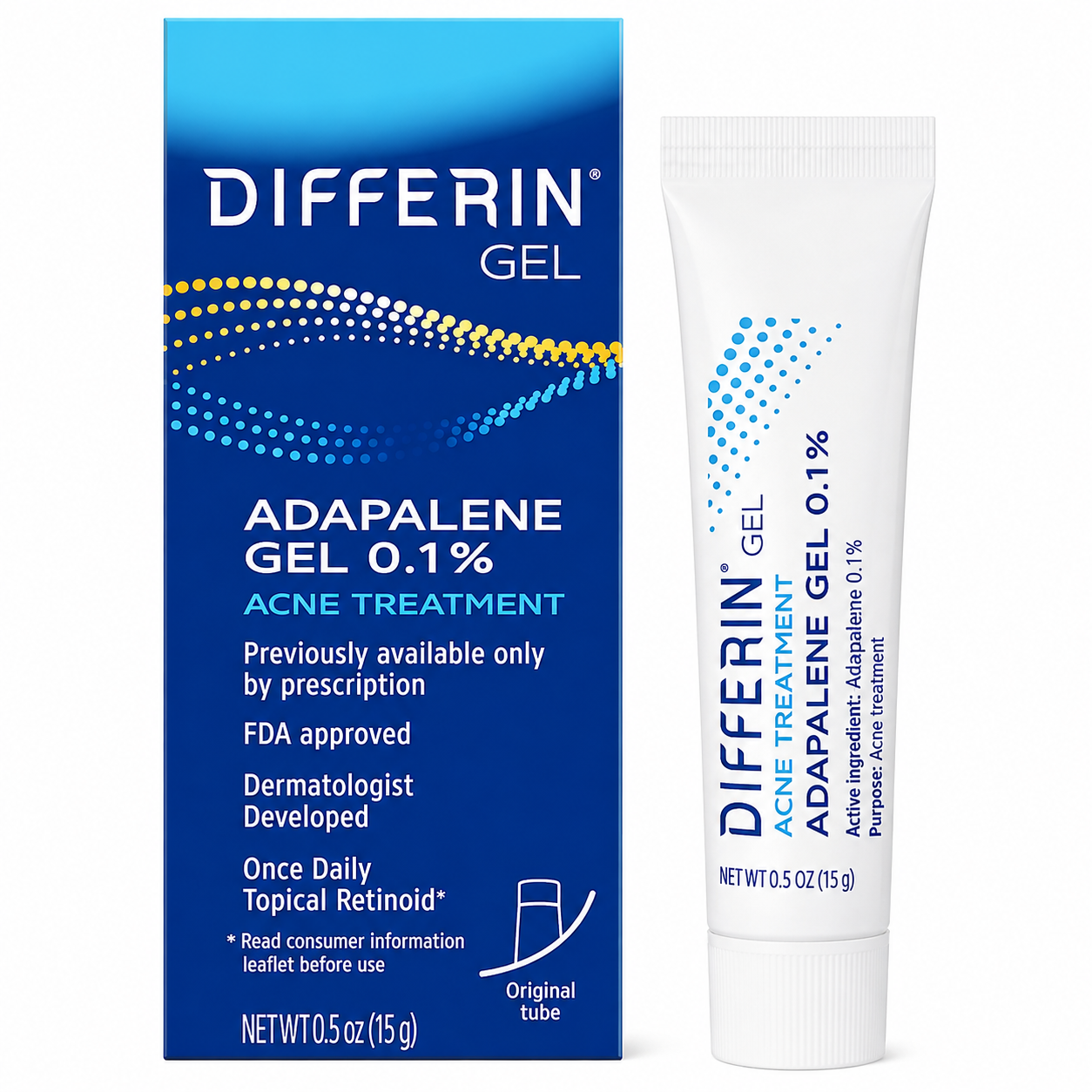
Differin Gel (Adapalene 0.1%) — 30 Day Supply Retinoid Treatment
Best for: Closed comedones and acne-prone skin — Key ingredient: Adapalene 0.1% — Gentle retinoid that normalises follicular cell turnover
Shop on Amazon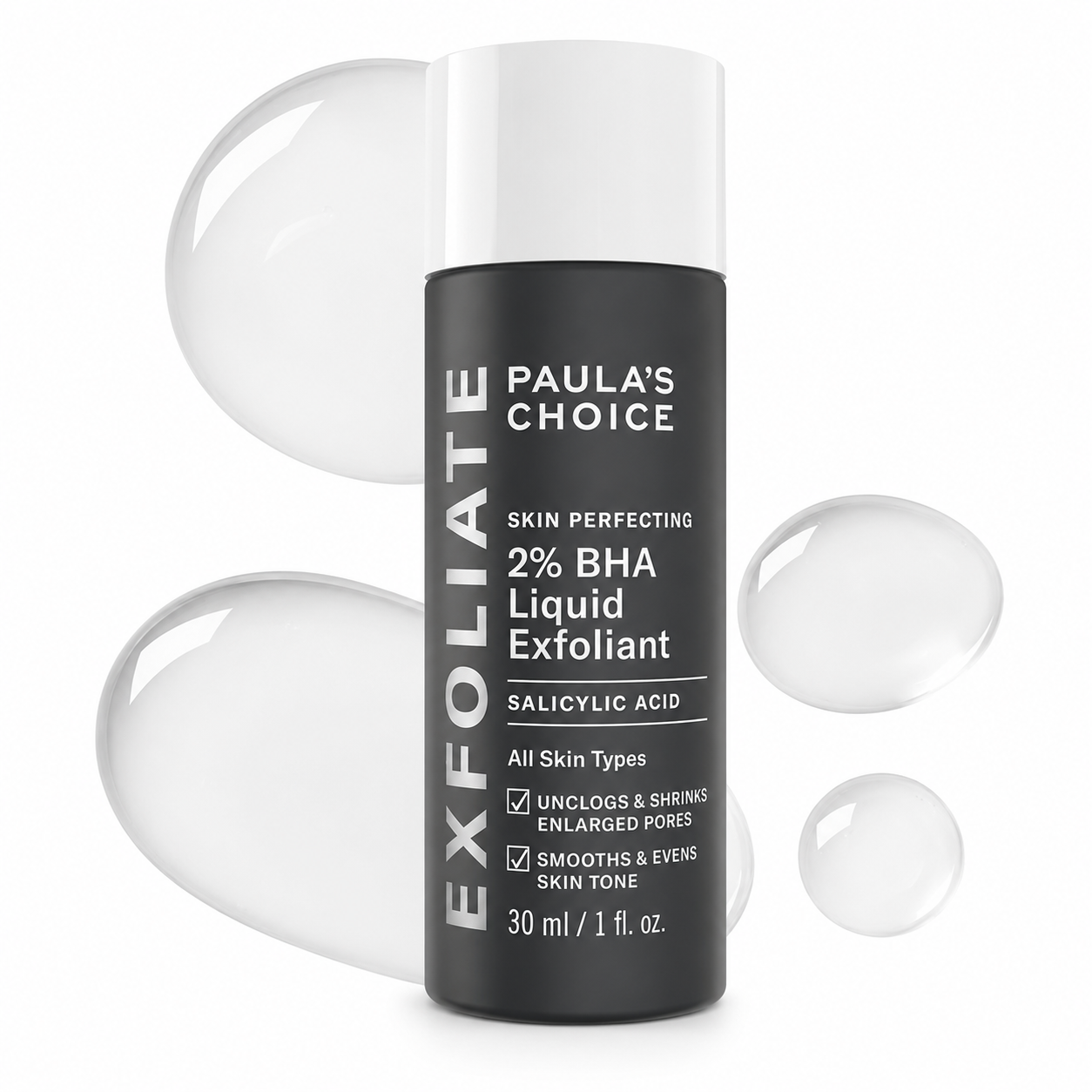
Paula’s Choice SKIN PERFECTING 2% BHA Liquid Exfoliant
Best for: Oily and comedone-prone skin — Key ingredient: 2% Salicylic Acid — Penetrates the follicle to dissolve plugs and improve pore clarity
Shop on Amazon